Best Fabric for Hoodies Complete Guide to Materials, Comfort & Durability
When you reach for your favorite hoodie on a chilly morning, have you ever stopped to consider what makes it so comfortable? The secret lies not just in the design or the fit, but fundamentally in the fabric itself. Choosing the best fabric for hoodies determines everything from how warm you’ll stay to how long your hoodie will last, and even how it looks after dozens of washes.
Through Podlora’s work with countless customers, we’ve seen them struggle with the same question: which hoodie material fabric will meet their needs? From our experience working with customers across diverse climates and lifestyles, we’ve learned that the best material for hoodies isn’t a one-size-fits-all answer. This is where things get tricky—the perfect hoodie fabric depends on your intended use, climate, and personal preferences.
This comprehensive guide explores everything you need to know about hoodie fabric material, from traditional cotton fleece fabric to modern performance blends. Whether you’re looking for the warmest fleece textiles for winter or breathable cotton hoodie material for year-round wear, we’ll help you understand which best fabric for hoodies will work best for you.
Understanding Hoodie Fabric Basics
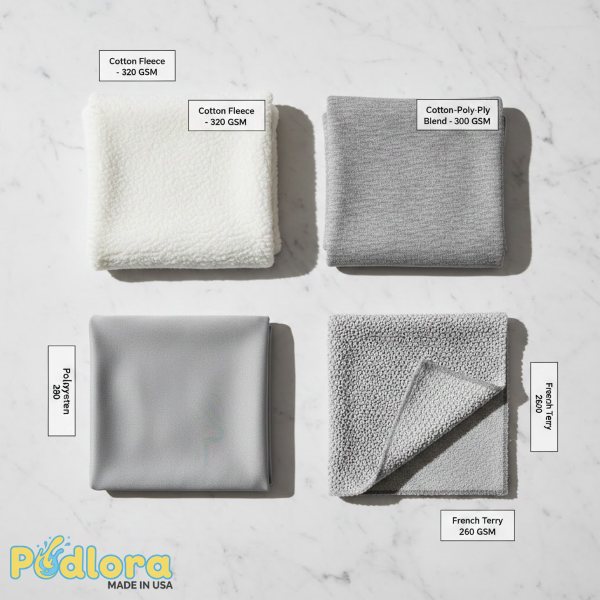
Before diving into specific materials, it’s essential to understand the fundamental characteristics that define the best fabric for hoodies. The hoodie material you choose impacts not only comfort but also durability, maintenance requirements, and overall performance.
What Makes Quality Hoodie Fabric
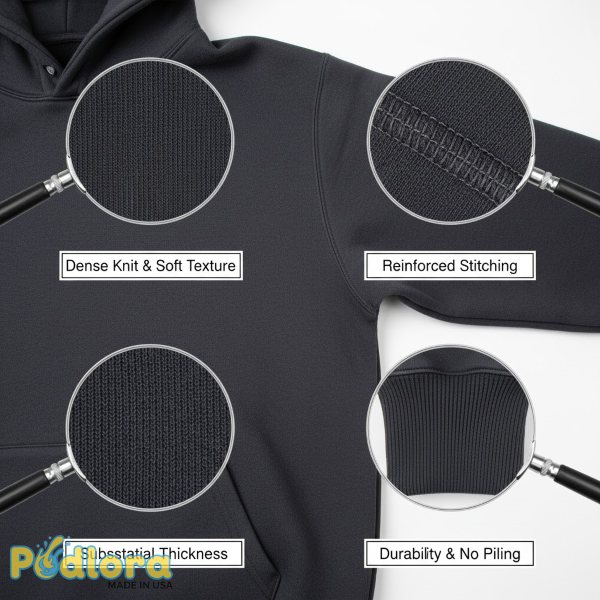
Quality hoodie fabric material combines several key attributes. First, when evaluating the best fabric for hoodies, the material should offer adequate warmth and insulation appropriate to your climate. Second, it needs sufficient breathability to prevent overheating during activity. Third, durability ensures your hoodie withstands regular wear and washing. Finally, comfort against the skin makes the hoodie something you’ll actually want to wear.
Here’s the part most people don’t realize: fabric weight matters just as much as fabric type. The best material for hoodies in summer differs dramatically from winter options, and understanding fabric weight helps you make informed decisions. The best fabric for hoodies consideration starts with GSM measurements.
GSM: The Key to Understanding Fabric Quality
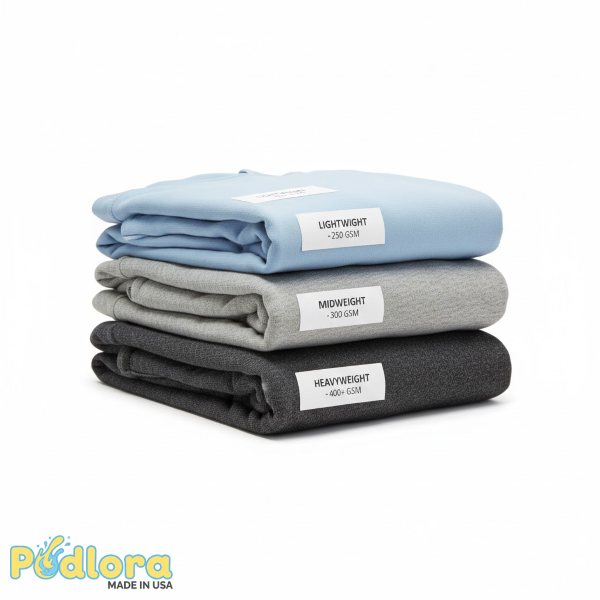
GSM (grams per square meter) measures fabric density and weight, providing crucial insights into hoodie quality. According to textile manufacturing experts, the weight directly correlates with perceived quality—when consumers touch a hoodie, they instinctively associate fabric weight with product value. Fabric weight specialists confirm that GSM indicates both the density and thickness of materials, with higher GSM generally meaning denser, heavier fabric.
Hoodie Fabric Weight Categories:
- Lightweight (200-280 GSM): Perfect for mild weather, layering, or activewear. These hoodies offer breathability and flexibility without bulk.
- Midweight (280-350 GSM): The versatile sweet spot for all-season wear. This range balances warmth with breathability, suitable for transitional weather.
- Heavyweight (350-500 GSM): Premium winter hoodies that provide substantial warmth and a luxurious feel. These offer maximum insulation and durability.
From our experience, most customers overlook GSM when shopping, focusing solely on material type. However, a 300 GSM cotton hoodie performs completely differently from a 450 GSM cotton hoodie, even though both use the same sweatshirt material. Industry research on fabric weight emphasizes that fabric weight influences drape, durability, and functionality—key factors that determine how a hoodie feels and performs.
Understanding which GSM fabric is good for your needs helps narrow down options significantly. Best GSM for hoodies typically ranges between 280-350 GSM for everyday wear, while 400+ GSM works beautifully for cold-weather specialists.
Cotton: The Classic Hoodie Material
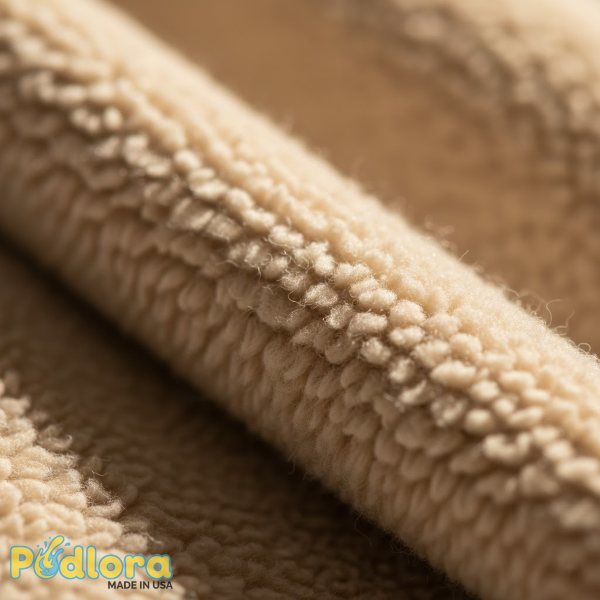
Cotton remains the gold standard among hoodie fabric materials, prized for its natural softness, breathability, and hypoallergenic properties. As a natural fiber, cotton fleece fabric offers unmatched comfort that synthetic alternatives struggle to replicate. For many, pure cotton represents the best fabric for hoodies when comfort is the top priority.
Why Cotton Dominates Hoodie Manufacturing
Cotton hoodie material excels in several critical areas. Its natural fibers feel soft against the skin, making it ideal for people with sensitive skin. Cotton can absorb moisture up to 27 times its weight, helping regulate body temperature and keeping you comfortable during various activities.
The fabric cotton fleece used in quality hoodies typically features a brushed interior that creates that beloved plush feeling. This fleece cotton fabric structure traps warm air while remaining breathable—a combination difficult to achieve with synthetic materials alone.
Types of Premium Cotton for Hoodies
Not all cotton is created equal. Premium options like Pima and Supima cotton feature extra-long fibers that produce exceptionally soft, durable fabric. Organic cotton, grown without harmful pesticides, appeals to environmentally conscious consumers while delivering the same comfort benefits.
When evaluating cotton fleece material for hoodies, consider that ring-spun cotton offers superior softness and durability compared to standard cotton. The manufacturing process aligns fibers more uniformly, creating a smoother, stronger fabric.
Cotton Fabric Considerations
While cotton fleece fabric sweatshirts offer tremendous comfort, they do have limitations. Pure cotton hoodies absorb and hold moisture, which can feel heavy and cold during intense physical activity or rain. They’re also more prone to shrinkage if not preshrunk during manufacturing. Despite these considerations, many still regard cotton as the best fabric for hoodies for everyday comfort.
Industry experts note that cotton naturally wrinkles more easily than synthetic fabrics and may require more care to maintain its appearance. However, for everyday comfort and breathability, cotton remains the best fabric for hoodies in many situations.
Polyester: Performance-Oriented Hoodie Fabric

Polyester represents the most popular synthetic hoodie material fabric, valued for its durability, moisture-wicking properties, and resistance to shrinking and wrinkling. While it lacks cotton’s natural softness, polyester brings unique performance advantages that make it competitive as the best fabric for hoodies for active lifestyles.
Advantages of Polyester Hoodies
A polyester hoodie excels in athletic and outdoor applications. The fabric’s moisture-wicking properties draw sweat away from skin, allowing it to evaporate quickly on the fabric’s surface. This keeps you drier and more comfortable during physical activity than cotton alone would.
Polyester sweatshirt material maintains its shape exceptionally well, resisting the stretching and sagging that can occur with natural fibers over time. This durability extends the hoodie’s lifespan, making it an economical long-term choice despite potentially higher initial costs for quality polyester hoodies.
The fabric also resists wrinkles naturally, meaning your polyester-based hoodie looks presentable straight from the dryer—a practical advantage for busy lifestyles.
Performance Characteristics
As fleece material, polyester performs impressively in cold weather applications. Polyester fleece textiles trap heat effectively while remaining lighter than natural fiber alternatives. This warmth-without-weight ratio makes polyester ideal for active outdoor pursuits.
Color retention represents another polyester strength. Dyes bond exceptionally well with polyester fibers, maintaining vibrancy through numerous wash cycles. If you want graphics and colors that stay bright, polyester-heavy fabric for hoodies delivers.
Polyester Limitations
Despite its advantages, polyester isn’t the softest fabric for every application. It feels less plush against skin compared to cotton, and its lower breathability can cause overheating in warm conditions or during intense activity.
Environmental considerations also matter to many consumers. Traditional polyester production involves petroleum-based materials, though recycled polyester options increasingly address these concerns.
Cotton-Polyester Blends: The Best of Both Worlds
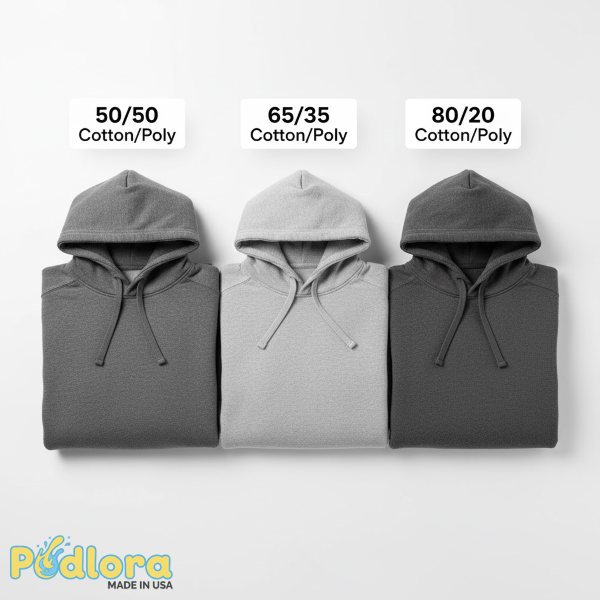
Here’s where most hoodie manufacturers have landed after decades of refinement: cotton-polyester blends offer the best material for hoodies in most situations. These blends combine cotton’s comfort with polyester’s durability, creating versatile sweatshirt material fabric that performs across varied conditions.
Popular Blend Ratios
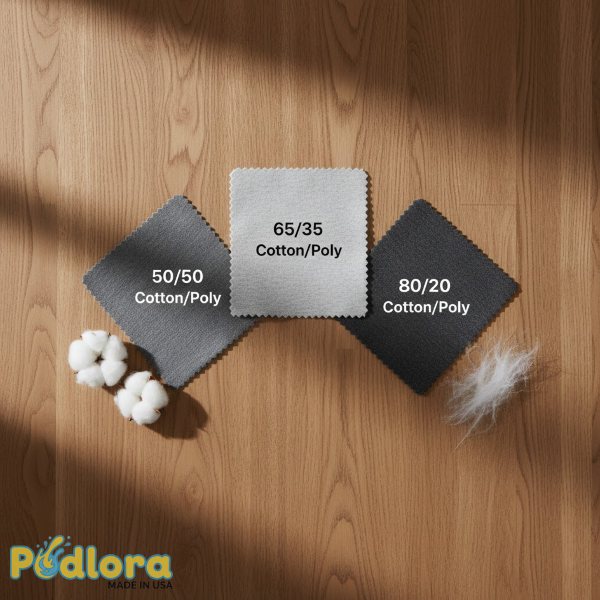
Different blend ratios serve different purposes, and understanding these helps identify the best fabric for hoodies for your needs. Let’s examine why these ratios matter when choosing the best fabric for hoodies:
50/50 Cotton-Polyester: This balanced blend strikes the middle ground, offering moderate softness with good durability. The cotton provides comfort and breathability while polyester adds wrinkle resistance and color retention. This hoodie fabric material works excellently for casual wear and moderate activity, making it a strong contender for the best fabric for hoodies in versatile applications.
65/35 Cotton-Polyester: Leaning toward cotton, this blend emphasizes softness and comfort while maintaining improved durability over pure cotton. The higher cotton content renders more vibrant prints, making it popular for custom designs. This ratio represents excellent hoodie material fabric for everyday wear and is frequently recommended as the best fabric for hoodies by apparel experts.
80/20 Cotton-Polyester: Heavily cotton-dominant, this blend delivers the soft, breathable feel of cotton with just enough polyester to reduce shrinkage and extend durability. Perfect for warmer weather hoodies where breathability matters most. Many consider this ratio the best fabric for hoodies in mild climates.
From our experience, customers who think they prefer 100% cotton often find 65/35 or 80/20 blends more practical. In reality, most people overlook how that small percentage of polyester dramatically improves longevity without sacrificing comfort.
Why Blends Excel as Hoodie Fabric Material
Cotton-poly blends represent the best material for hoodies because they minimize each fiber’s weaknesses while maximizing strengths. Cotton provides the soft, breathable comfort people love, while polyester adds the structural integrity and easy-care properties modern lifestyles demand. This combination creates what many consider the best fabric for hoodies for everyday wear.
The sweatshirt fabric material performs well across seasons—breathable enough for mild weather yet warm enough for cooler days when layered appropriately. According to apparel industry research, blends resist fading, pilling, and shrinkage better than pure cotton, maintaining appearance through countless wash cycles. This resilience makes blends strong contenders for the best fabric for hoodies in terms of longevity.
These blends also offer the best substrate for customization. The cotton component accepts dye beautifully for vibrant colors, while polyester helps those colors stay bright longer.
Fleece: Warmth Without Weight
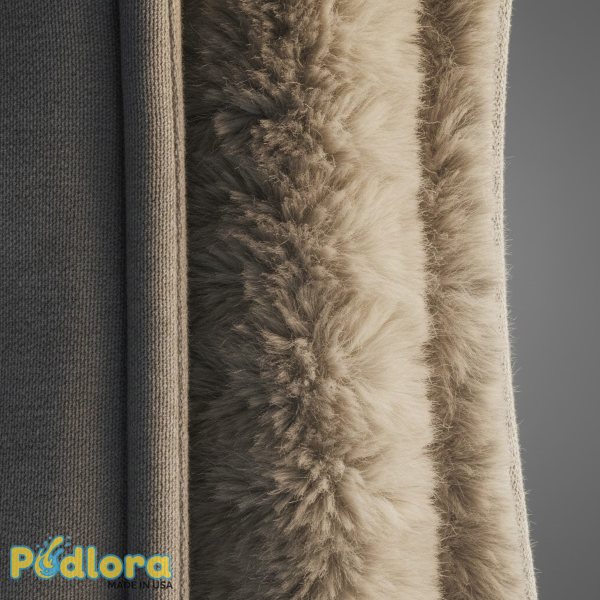
Fleece represents a specialized category of sweatshirt material prized for exceptional warmth-to-weight ratio. When people refer to fleece fabric sweatshirt materials, they’re typically describing a specific knit structure rather than a single fiber type. For many cold-weather applications, fleece qualifies as the best fabric for hoodies.
Understanding Fleece Material
Fleece material can be made from polyester, cotton, or blends, but the defining characteristic is the knit structure that creates tiny air pockets. These pockets trap body heat, providing insulation without the bulk and weight of traditional heavy fabrics. This unique structure often makes fleece the best fabric for hoodies when warmth-to-weight ratio matters most.
Cotton fleece fabric combines the warmth of fleece structure with cotton’s natural softness. The fabric cotton fleece construction features a smooth exterior and a brushed, looped interior that feels plush against skin. This makes it among the best fabric for hoodies when comfort is paramount.
Polyester fleece offers similar insulation with enhanced moisture-wicking capabilities. The synthetic fleece textiles dry quickly and maintain loft even when damp—advantages for active wear or variable weather conditions.
Fleece Varieties for Hoodies
Polar Fleece: The heavyweight champion of fleece material wholesale options, polar fleece provides maximum warmth. Its thick, dense structure makes it ideal for winter outerwear and cold-climate hoodies.
Microfleece: A lighter-weight alternative that offers warmth without bulk, perfect for layering or moderate climates. This fleece material balances insulation with breathability.
Sherpa Fleece: Features a textured, wool-like appearance with exceptional warmth. Often used as lining material, sherpa fleece adds a luxury touch to premium hoodies.
Fleece as the Best Material for Hoodies
For cold-weather applications, fleece material competes strongly for the title of best fabric for hoodies. It delivers exceptional warmth while remaining breathable enough to prevent overheating during moderate activity. When evaluating the best fabric for hoodies for winter wear, fleece construction should top your consideration list.
The fabric’s loft provides cushioning comfort, and quality fleece maintains its shape well over time. Whether you choose cotton fleece material for its natural softness or synthetic options for performance, fleece structure enhances any hoodie’s warmth and comfort.
French Terry: The Versatile All-Season Fabric
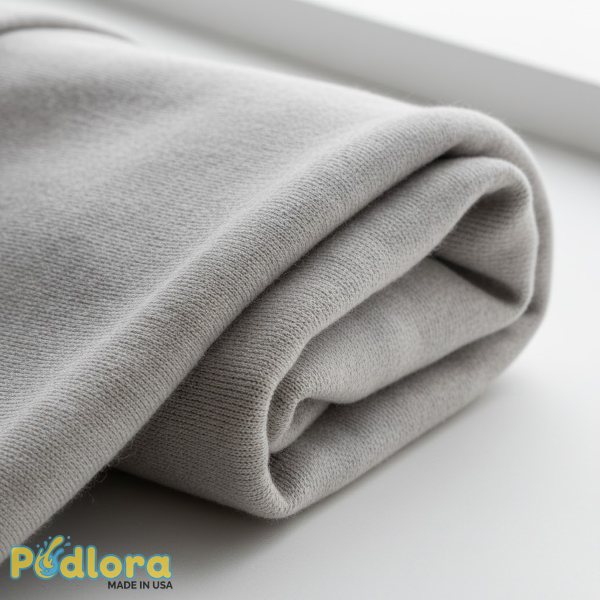
French terry represents a distinctive sweatshirt material fabric that deserves special attention. This knit fabric features smooth surfaces on both sides with looped backing on the interior, creating a unique texture that balances comfort, breathability, and moisture absorption. For transitional weather, many regard French terry as the best fabric for hoodies.
French Terry Characteristics
Unlike traditional fleece fabric sweatshirt options, French terry offers year-round versatility. The looped interior absorbs moisture effectively while the smooth exterior presents a polished appearance. This combination makes it an excellent fabric for hoodies worn in transitional weather or moderate activity.
The fabric’s stretch and recovery properties ensure hoodies maintain their shape while allowing comfortable movement. French terry drapes beautifully, creating a flattering silhouette without the stiffness sometimes found in heavier sweatshirt fabric.
Why French Terry Excels
French terry strikes an impressive balance that makes it competitive as the best material for hoodies for many applications. It provides moderate warmth—enough for cool days but not so much that you’ll overheat indoors. The breathability exceeds heavyweight fleece options while still offering more structure than lightweight jersey. This versatility positions French terry as the best fabric for hoodies for year-round wear.
From our experience working with customers in moderate climates, French terry often becomes their go-to hoodie material fabric. It transitions seamlessly from outdoor activities to indoor settings, performing admirably across temperature ranges.
Specialty and Luxury Hoodie Materials

Beyond mainstream options, several specialty materials elevate hoodies to premium status. These represent the best fabric for hoodies when quality and performance justify higher costs, offering unique benefits that standard materials cannot match.
Merino Wool
Merino wool hoodies offer unparalleled natural performance. The fine wool fibers provide exceptional warmth while remaining breathable and naturally moisture-wicking. Merino resists odor buildup, allowing extended wear between washes—a significant advantage for travel or outdoor adventures. For natural fiber enthusiasts, merino wool ranks as the best fabric for hoodies in premium categories.
Quality merino wool hoodies feel remarkably soft against skin, lacking the itchiness associated with traditional wool. The fabric regulates temperature effectively, keeping you warm in cold conditions while preventing overheating during activity.
Cashmere Blends
When discussing luxury hoodies made of premium materials, cashmere enters the conversation. Pure cashmere or cashmere-blend hoodies deliver extraordinary softness and warmth. The lightweight fabric provides impressive insulation, creating a luxurious feel that justifies premium prices.
Most luxury hoodies incorporate cashmere in blends rather than pure form, combining its softness with more durable fibers for practical everyday wear.
Bamboo Fabric
Bamboo-derived fabrics bring sustainability and unique properties to hoodie material fabric options. The resulting textile feels silky soft, naturally resists odor, and offers excellent moisture-wicking capabilities. Bamboo grows rapidly without pesticides, appealing to environmentally conscious consumers.
Modal and Rayon
These semi-synthetic fabrics created from wood pulp offer silk-like softness with good drape. When blended into hoodie fabric material, modal and rayon add luxurious hand feel and improve moisture management. Tri-blend hoodies incorporating these fibers often rank among the softest options available.
What is Sweatshirt Material Called?
Understanding industry terminology helps when shopping for the best fabric for hoodies. Several terms describe common sweatshirt material fabric:
Fleece: Refers to both the fiber content (like polar fleece) and the knit structure featuring brushed or looped interior surfaces. When someone mentions “fleece hoodie,” they typically mean the brushed interior construction rather than a specific fiber.
French Terry: A specific knit construction featuring smooth surfaces with looped interior backing, offering moderate stretch and excellent breathability.
Jersey Knit: A lightweight, stretchy knit fabric that can be made from various fibers. Single jersey is thinner, while double jersey offers more weight and structure.
Terry Cloth: While more common in towels, heavy terry construction occasionally appears in athletic or casual hoodies, featuring absorbent loop pile.
What Material Are Sweatpants Made Of?
Since sweatpants and hoodies often match in material composition, understanding sweatpants fabric helps inform hoodie choices. The same hoodie material fabric options apply: cotton, polyester, blends, and fleece materials dominate sweatpants manufacturing.
Most sweatpants use midweight cotton-polyester blends (typically 280-350 GSM) that provide comfort, durability, and shape retention. Premium sweatpants may feature French terry or heavyweight fleece material for enhanced comfort and warmth.
What is the Softest Fabric?
When customers ask about the softest fabric for hoodies, several contenders emerge:
Tri-Blend Fabrics: Combinations of cotton, polyester, and rayon (typically 50/25/25 ratios) create exceptionally soft hoodie material fabric. The rayon component adds silky smoothness that elevates comfort beyond standard blends.
Pima and Supima Cotton: These premium cotton varieties feature extra-long fibers that produce supremely soft fabric cotton fleece with enhanced durability.
Bamboo-Derived Fabrics: Bamboo viscose or bamboo modal rank among the softest options, offering silk-like smoothness that feels luxurious against skin.
Combed and Ring-Spun Cotton: Manufacturing processes that align and strengthen cotton fibers create smoother, softer fabric surfaces than standard cotton.
From our experience, customers often find tri-blend hoodies surprisingly soft—the combination of materials creates a hand feel that exceeds expectations based on individual fiber characteristics.
Choosing the Best Material for Hoodies by Purpose

The best fabric for hoodies ultimately depends on intended use. Here’s how different applications influence material selection when determining the best fabric for hoodies:
Everyday Casual Wear
For daily wear, cotton-polyester blends (especially 65/35 or 80/20 ratios) offer the best material for hoodies. These provide comfortable softness with practical durability and easy care. Midweight options (280-320 GSM) work across most conditions, making them arguably the best fabric for hoodies for general purposes.
Athletic and Active Wear
Performance demands favor polyester-heavy blends or moisture-wicking synthetics. The best material for hoodies in athletic contexts includes 50/50 cotton-poly blends or synthetic fleece textiles that manage perspiration effectively while providing stretch and recovery. When determining the best fabric for hoodies for sports, prioritize moisture management.
Winter and Cold Weather
Heavyweight fleece material (350-500 GSM) or wool-blend options deliver superior warmth. Cotton fleece fabric in heavier weights provides cozy insulation, while polyester fleece offers warmth even if damp. When searching for the best fabric for hoodies for harsh winter conditions, prioritize insulation and wind resistance.
Layering Pieces
Lightweight options (200-280 GSM) in French terry or thin fleece material work excellently under jackets. These provide moderate warmth without bulk, allowing comfortable layering.
Premium and Luxury Hoodies
High-end hoodies incorporate premium materials like Supima cotton, merino wool, or cashmere blends. These represent the best fabric for hoodies when quality and luxury matter more than price. GSM typically ranges from 400-500 for that substantial, premium feel. For those seeking the absolute best fabric for hoodies without budget constraints, these luxury materials deliver unmatched comfort.
Fabric Care and Longevity

Understanding proper care extends hoodie lifespan regardless of material:
Cotton and Cotton Blends: Wash in cold water to minimize shrinkage. Turn inside out to protect exterior finish. Avoid high heat in dryers, which can damage fibers and cause shrinking.
Polyester and Synthetic Blends: These handle washing well but avoid fabric softeners, which can reduce moisture-wicking capabilities. Medium dryer heat works fine for most synthetics.
Wool and Specialty Fibers: Follow care label instructions carefully. Many require hand washing or gentle cycles with cool water. Lay flat to dry to maintain shape.
Fleece Materials: Turn inside out before washing to reduce pilling. Use gentle cycles and avoid dryer sheets, which can leave residue that reduces softness.
Environmental Considerations in Hoodie Fabric
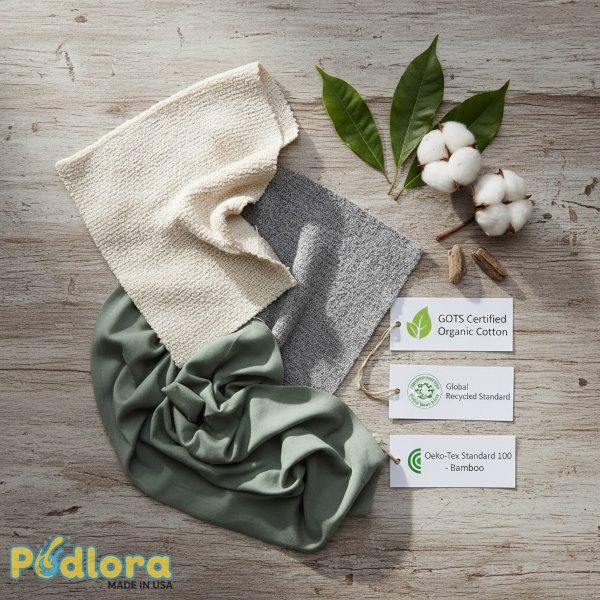
Sustainability increasingly influences material selection. When evaluating the best fabric for hoodies from an environmental perspective, several eco-friendly options emerge as leaders in sustainable hoodie manufacturing:
Organic Cotton: Grown without synthetic pesticides or fertilizers, organic cotton fleece material reduces environmental impact while maintaining comfort characteristics.
Recycled Polyester: Repurposes plastic waste into functional fleece material wholesale options, reducing petroleum dependence and landfill waste.
Bamboo: Fast-growing and pesticide-free, though processing into fabric requires chemical treatment that varies in environmental friendliness.
Hemp Blends: Durable, naturally pest-resistant, and requiring minimal water, hemp represents an eco-friendly option when blended with other fibers for softness.
At Podlora, we’ve noticed growing customer interest in sustainable options. The best fabric for hoodies increasingly means considering environmental impact alongside performance characteristics.
Understanding Fabric Construction Methods
Manufacturing processes significantly impact hoodie material fabric quality:
Knit vs. Woven: Nearly all sweatshirt material uses knit construction, which allows stretch and recovery. The specific knit type (jersey, French terry, fleece) determines texture and performance.
Ring-Spun Processing: Aligns and strengthens fibers, creating smoother, softer, more durable fabric than open-end processing.
Brushing: Interior brushing creates the soft, fuzzy texture characteristic of fleece material. Multiple brushing passes increase softness and warmth.
Preshrinking: Quality manufacturers preshrink fabric before construction, minimizing the dramatic shrinkage that can occur with first washing.
Common Hoodie Fabric Mistakes
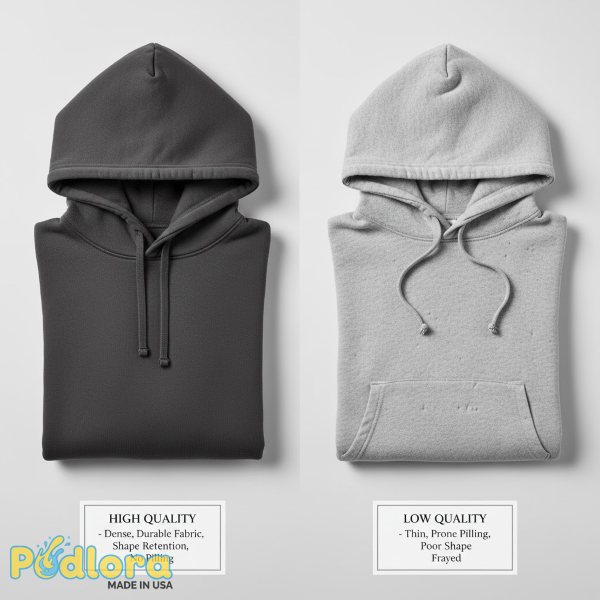
From our experience, several misconceptions lead customers to suboptimal choices:
Mistake 1: Assuming Heavier Equals Better: While heavyweight fabric indicates quality in many cases, the best GSM for hoodies depends on climate and use. A 500 GSM hoodie excels in winter but becomes uncomfortable in moderate temperatures. Understanding context helps identify the true best fabric for hoodies for your situation.
Mistake 2: Overlooking Blend Benefits: Pure cotton sounds appealing, but cotton-poly blends often perform better in real-world use, offering easier care and longer lifespan. The best fabric for hoodies frequently turns out to be a well-engineered blend rather than a single fiber.
Mistake 3: Ignoring GSM Information: Fabric weight dramatically affects performance and comfort, yet many shoppers focus solely on fiber content.
Mistake 4: Prioritizing Softness Over Durability: The softest fabric may pill quickly or lose shape. The best material for hoodies balances initial comfort with long-term wearability, and the best fabric for hoodies should maintain quality through extended use.
Industry Trends in Hoodie Materials
The hoodie fabric landscape continues evolving:
Performance Blends: Manufacturers increasingly incorporate technical fibers like spandex for stretch or specialized synthetics for moisture management.
Sustainable Materials: Organic, recycled, and renewable fiber content grows as environmental awareness increases.
Smart Textiles: Emerging technologies embed functionality directly into sweatshirt material fabric, from temperature regulation to odor control.
Customization-Ready Fabrics: Materials optimized for printing and embroidery expand creative possibilities while maintaining comfort and durability.
Making Your Decision
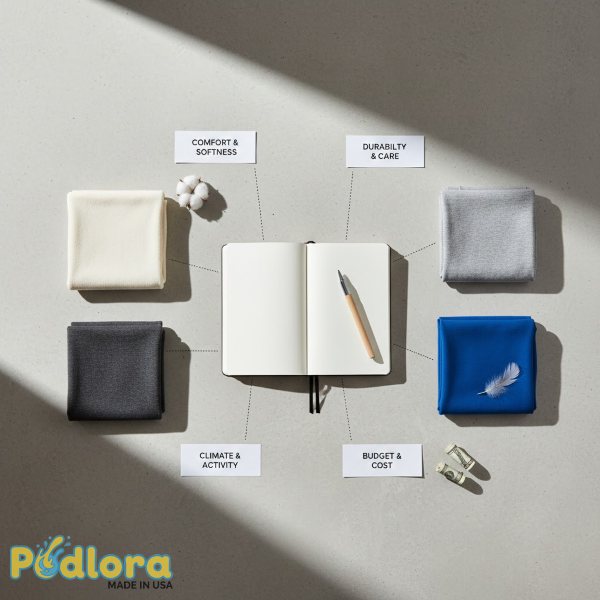
Choosing the best fabric for hoodies requires weighing multiple factors:
- Climate: Cold regions favor heavyweight fleece material (350+ GSM), while moderate climates work well with midweight blends (280-350 GSM).
- Activity Level: Athletic use demands moisture-wicking properties found in polyester-heavy blends, while casual wear benefits from cotton-dominant comfort.
- Care Requirements: Busy lifestyles may prefer easy-care polyester blends over delicate natural fibers requiring special handling.
- Budget: Premium materials like merino wool or cashmere cost more but deliver superior performance and longevity.
- Sustainability: Environmental priorities may steer you toward organic cotton fleece material or recycled synthetics.
- Comfort Priorities: Those with sensitive skin often prefer natural fiber content, while performance seekers embrace synthetic blends.
Through years of customer interactions, Podlora’s team guides people through these considerations daily. The best material for hoodies isn’t universal—it’s personal, matching your specific needs and preferences with appropriate fabric characteristics. Our expertise in identifying the best fabric for hoodies helps customers find their perfect match.
Frequently Asked Questions
Should a hoodie be 100% cotton?
Not necessarily. While 100% cotton hoodies offer exceptional softness and breathability, cotton-polyester blends often provide better value and performance for most users. The polyester component reduces shrinkage, improves color retention, and extends durability without significantly compromising comfort. Whether cotton qualifies as the best fabric for hoodies depends on your specific priorities.
Pure cotton works beautifully for casual wear in moderate climates, especially for those with sensitive skin. However, blends typically perform better in diverse conditions and require less careful maintenance. Consider 80/20 or 65/35 cotton-poly blends if you want cotton comfort with improved practicality.
What is a high-quality hoodie?
A high-quality hoodie combines several elements: premium fabric (typically 300+ GSM), reinforced stitching at stress points, quality hardware (metal-tipped drawstrings, heavy-duty zippers), and proper construction that maintains shape through repeated wear. The best fabric for hoodies in quality garments includes ring-spun cotton, premium cotton-poly blends, or specialty materials like merino wool. Look for preshrunk fabrics, double-stitching, and dense knit construction. Quality hoodies feel substantial in hand, with even, tight stitching and smooth seams.
Higher GSM generally indicates better quality—premium hoodies typically range from 350-500 GSM. The fabric should feel dense and plush, not thin or flimsy.
What material should I use to make a hoodie?
For most applications, cotton-polyester blends offer the best material for hoodies. A 65/35 or 50/50 ratio provides excellent balance of comfort, durability, and ease of care. The best fabric for hoodies depends on your target market and intended use.
If creating athletic wear, consider polyester-dominant blends or moisture-wicking technical fabrics. For premium casual hoodies, heavyweight cotton fleece material (300-400 GSM) delivers superior comfort. Winter hoodies benefit from heavyweight fleece textiles (350-500 GSM) that provide maximum warmth.
Consider your target audience’s needs: everyday wear favors comfort and easy care, athletic applications require performance characteristics, and luxury markets demand premium materials and substantial fabric weight.
What are luxury hoodies made of?
Luxury hoodies typically feature premium materials that justify higher price points. Common luxury hoodie materials include:
Premium Cotton: Pima, Supima, or organic cotton fleece fabric with heavyweight construction (400-500 GSM) provides exceptional softness and durability.
Cashmere Blends: Pure cashmere or cashmere-blend hoodies offer extraordinary softness and warmth, though they require careful maintenance.
Merino Wool: Fine merino wool delivers natural performance benefits—warmth, breathability, odor resistance—in a soft, comfortable package.
High-End Blends: Luxury manufacturers often use proprietary blends incorporating modal, bamboo, or other premium fibers for unique hand feel and performance.
Beyond materials, luxury hoodies feature exceptional construction: reinforced seams, premium hardware, thoughtful design details, and substantial fabric weight. The best fabric for hoodies in luxury markets combines superior raw materials with expert manufacturing.
What GSM should I choose for a hoodie?
The best GSM for hoodies depends on intended use and climate:
- 200-280 GSM: Lightweight options for warm weather, layering, or indoor wear
- 280-350 GSM: Versatile midweight for year-round wear in moderate climates
- 350-450 GSM: Heavyweight for cold weather and premium feel
- 450-500+ GSM: Ultra-heavyweight for extreme cold or maximum luxury feel
Most customers find 300-350 GSM ideal for everyday hoodies—substantial enough to feel quality without being too heavy for indoor wear. Cold-climate residents often prefer 400+ GSM for outdoor hoodies.
How do I know if fleece material is high quality?
Quality fleece material exhibits several characteristics:
Density: High-quality fleece feels dense and plush, with minimal see-through areas when held to light.
Softness: The interior should feel consistently soft without rough patches or thin areas.
Loft: Quality fleece maintains its thickness and doesn’t compress excessively when squeezed.
Pilling Resistance: Premium fleece resists forming pills (small fiber balls) even after repeated washing.
Even Knit: Examine the fabric closely—high-quality fleece shows even, consistent knit construction without gaps or irregularities.
For cotton fleece fabric specifically, look for brushed interior surfaces that feel plush against skin. Polyester fleece should feel warm and soft without excessive static buildup.
Can I find affordable high-quality hoodie fabric?
Yes, though you’ll need to prioritize which qualities matter most. Cotton-polyester blends in the 280-320 GSM range offer the best value, delivering good comfort and durability at reasonable prices.
When shopping for fleece material wholesale or bulk hoodie fabric, look for established brands with consistent quality. Ring-spun cotton blends cost slightly more than standard cotton but provide noticeably superior softness and longevity—worthwhile investments for frequently-worn hoodies.
Avoid ultra-cheap options below 200 GSM or from unknown manufacturers, as these often pill quickly, lose shape, or feel thin and uncomfortable. The best fabric for hoodies at affordable prices typically means mid-range cotton-poly blends from reputable manufacturers.
Summary: Key Takeaways for Choosing Hoodie Fabric
| Consideration | Recommendation | Key Points |
|---|---|---|
| Best All-Around Fabric | 65/35 Cotton-Polyester Blend | Balances comfort, durability, and easy care for most uses; top choice for the best fabric for hoodies |
| Softest Option | Tri-Blend or Pima Cotton | Exceptional hand feel with luxurious comfort |
| Most Durable | 50/50 Cotton-Polyester | Resists wear, maintains shape, handles frequent washing |
| Best for Cold Weather | Heavyweight Fleece (350-500 GSM) | Maximum warmth with good breathability; premium best fabric for hoodies in winter |
| Best for Active Wear | Polyester or Poly-Dominant Blends | Moisture-wicking properties keep you dry during activity |
| Most Breathable | Pure Cotton or 80/20 Cotton-Poly | Natural fibers allow airflow and temperature regulation |
| Easiest Care | Polyester-Heavy Blends | Wrinkle-resistant, quick-drying, maintains color |
| Most Sustainable | Organic Cotton or Recycled Polyester | Reduced environmental impact with quality performance |
| Best Value | Midweight Cotton-Poly (280-320 GSM) | Good quality at reasonable prices for everyday wear |
| Premium/Luxury | Merino Wool or Cashmere Blends | Superior materials with exceptional comfort and performance |
| Ideal GSM for Most Users | 300-350 GSM | Substantial feel without excessive weight or heat; optimal for the best fabric for hoodies |
| Best for Sensitive Skin | 100% Organic Cotton or High-Cotton Blends | Natural, hypoallergenic fibers minimize irritation |
The best fabric for hoodies ultimately depends on balancing your priorities—comfort, durability, performance, sustainability, and budget. Cotton-polyester blends dominate for good reason: they deliver reliable performance across diverse conditions while remaining accessible and practical.
When Podlora customers ask about the best fabric for hoodies, we believe the perfect hoodie material fabric exists for everyone. Whether you prioritize the plush comfort of cotton fleece material, the performance of synthetic blends, or the luxury of premium fibers, understanding fabric characteristics empowers you to make informed decisions. The best material for hoodies is the one that matches your specific needs while delivering the comfort, durability, and performance you expect from this wardrobe essential.
Consider your climate, intended use, and care preferences. Test different fabric weights and compositions when possible. And remember—the best fabric for hoodies is the one you’ll actually wear, enjoying both its comfort and the confidence that comes from making an informed choice.