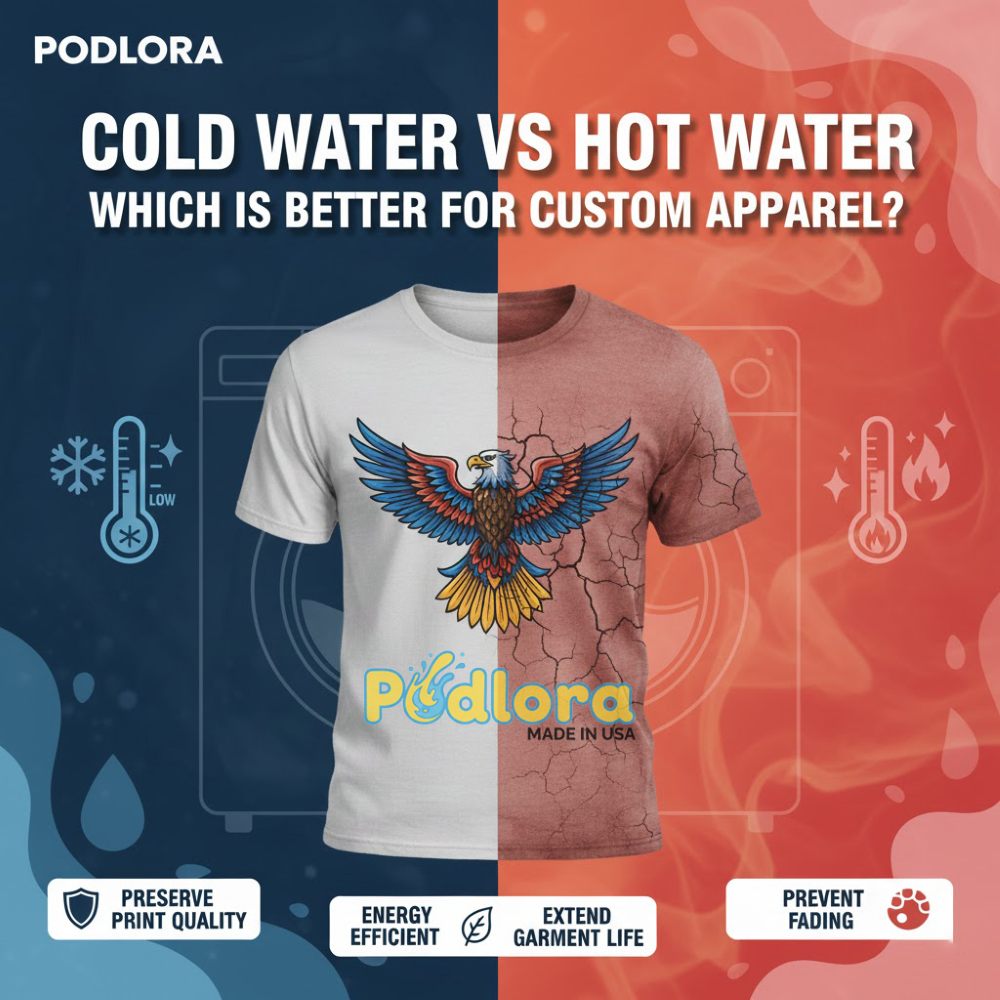
Can You Put Printed T-Shirts in the Dryer Without Damage
Printed t-shirts have become wardrobe staples, whether they feature custom designs, vintage graphics, or branded logos. However, many people wonder about the best way to care for these garments, particularly when it comes to drying printed shirts. The question “can you put printed t-shirts in the dryer” is one of the most common concerns among t-shirt enthusiasts and everyday wearers alike.
Understanding proper dryer care for your graphic tees can mean the difference between maintaining vibrant, long-lasting prints and watching your favorite designs crack, fade, or peel after just a few wash cycles. This comprehensive guide will explore everything you need to know about drying printed t-shirts safely, from understanding different printing methods to implementing best practices that extend print longevity.
Understanding Different T-Shirt Printing Methods
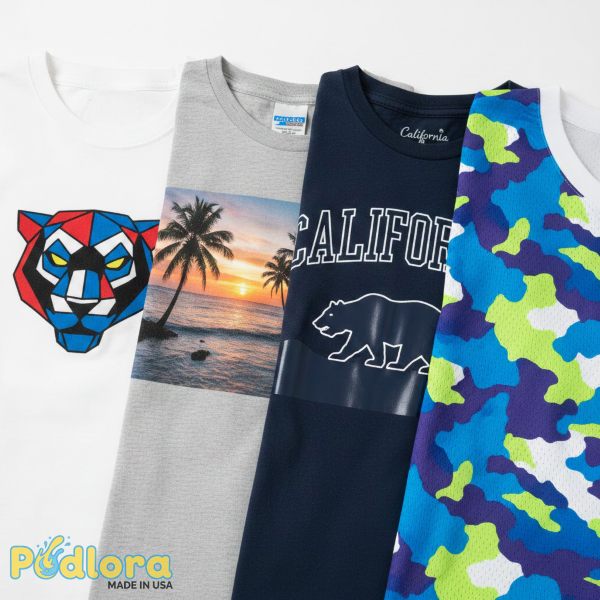
Before diving into dryer care, it’s essential to understand that not all printed t-shirts are created equal. The printing method used significantly impacts how your garment will respond to heat and tumble drying.
Screen Printing
Screen printing is one of the most durable printing techniques, involving pushing ink through a mesh screen onto fabric. According to Printful’s garment care guide, screen-printed designs typically withstand heat better than other methods because the ink bonds directly with the fabric fibers. However, excessive heat can still cause color fading over time, making proper temperature control essential for shirt maintenance.
Direct-to-Garment (DTG) Printing
DTG printing works similarly to an inkjet printer, spraying water-based inks directly onto the fabric. This method produces highly detailed designs with excellent color variation. While DTG prints are generally durable, they require more careful handling than screen printing. Industry experts at Rush Order Tees note that DTG-printed shirts benefit most from air dry methods or low heat settings to prevent premature fading.
Heat Transfer and Vinyl Prints
Heat press applications, including vinyl prints and iron-on transfers, create a raised layer on top of the fabric rather than bonding with the fibers. These prints are particularly vulnerable to dryer damage, as high heat can cause peeling designs and cracking prints. The adhesive backing that holds these transfers in place weakens significantly when exposed to tumble dry cycles at high temperatures.
Sublimation Printing
Sublimation printing involves transferring dye directly into polyester fibers using heat. According to garment care experts at Monster Press, sublimation prints on polyester blend garments are relatively heat-resistant since the dye becomes part of the fabric itself. However, this method only works on light-colored polyester materials.
The Science Behind Heat Damage to Printed Designs
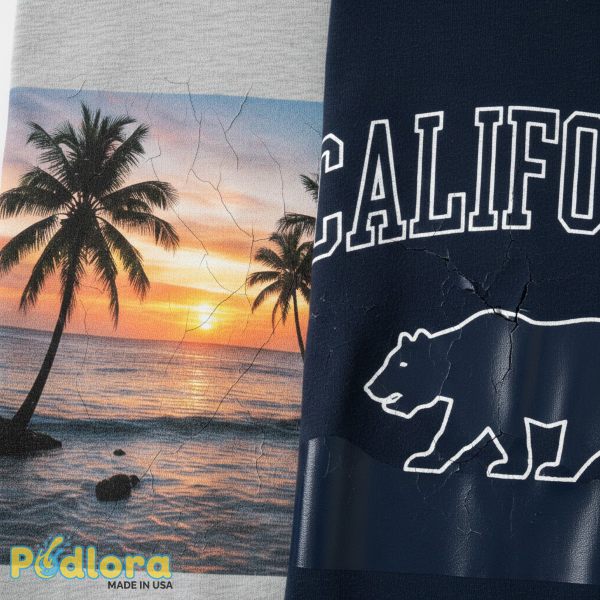
Understanding why dryer damage occurs helps you make informed decisions about garment drying. The primary culprits are heat, friction, and tumbling action.
How Heat Affects Print Durability
High temperatures cause several chemical and physical changes to printed designs. The inks and adhesives used in t-shirt printing have specific heat tolerances. When you exceed these thresholds, the molecular structure begins to break down. For screen printing, excessive heat can cause the ink to become brittle, leading to cracking prints over time. Vinyl prints and iron-on transfers face an even greater risk, as the adhesive layer softens and loses its bonding strength.
Research from Heritage Park Laundry Essentials indicates that temperatures above 140°F (60°C) significantly accelerate print degradation. Most standard dryer cycles operate between 130°F and 150°F, placing printed designs in the danger zone for heat damage.
The Impact of Tumbling and Friction
Beyond heat, the mechanical action inside a dryer contributes to clothing preservation challenges. As garments tumble, they rub against each other and the dryer drum, creating friction that gradually wears away at prints. This is particularly problematic for raised designs like heat transfer applications, where edges can catch and begin peeling.
The combination of heat and friction creates a synergistic effect. Warm prints become more pliable and susceptible to mechanical stress, accelerating deterioration that might take much longer under ambient conditions.
Can You Put Printed T-Shirts in the Dryer? The Complete Answer

The straightforward answer is yes, you can put printed t-shirts in the dryer, but with important caveats. The key to drying printed shirts without damage lies in understanding the appropriate settings and precautions for different printing methods.
When It’s Safe to Use the Dryer
For well-established screen-printed designs on cotton shirts that have already been washed multiple times, using a dryer on low heat settings generally poses minimal risk. These prints have already survived their most vulnerable period—the first few washes when excess ink is still present and the bond between ink and fabric is still settling.
Similarly, sublimation prints on polyester blend garments handle dryer heat relatively well since the dye is embedded within the synthetic fibers rather than sitting on top of them. However, even with these more durable options, implementing best practices for garment drying remains advisable.
When You Should Avoid the Dryer
Brand new printed t-shirts, regardless of printing method, benefit significantly from air dry treatment for their first few wash cycles. This allows the prints to fully cure and bond with the fabric. Heat transfer designs, vinyl prints, and delicate DTG applications should ideally never see the inside of a dryer, as the risks substantially outweigh the convenience.
According to Bolt Printing’s screen print care guide, shirts featuring metallic prints, glitter, or three-dimensional embellishments should always air dry to prevent damage that heat and tumbling will inevitably cause.
Best Practices for Drying Printed T-Shirts
Implementing proper fabric care techniques ensures your graphic tees maintain their appearance and integrity for years. Here are comprehensive laundry tips for different scenarios.
Optimal Dryer Settings
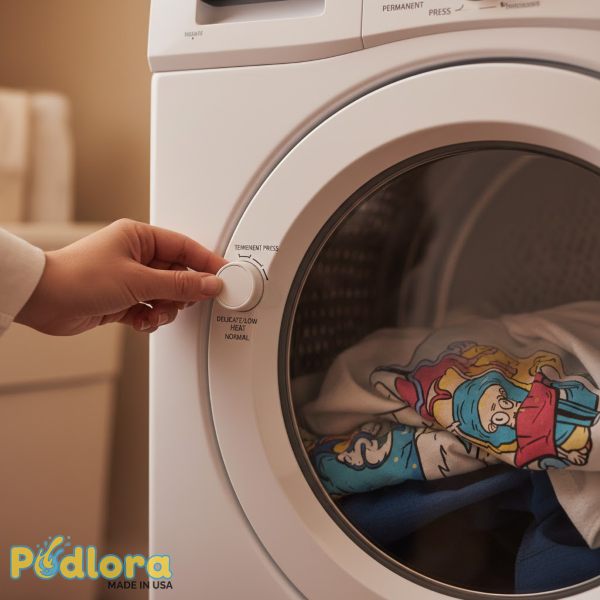
If you choose to use a tumble dry approach, always select the lowest heat setting available—typically labeled “low,” “delicate,” or “air fluff.” Many modern dryers offer sensor drying programs that automatically adjust time based on moisture levels, preventing over-drying that exacerbates heat damage. Remove printed t-shirts while they’re still slightly damp rather than running them through a complete cycle.
Temperature control is paramount. A low heat setting typically operates around 125°F (52°C), which falls within acceptable ranges for most printing methods. For comparison, medium heat reaches approximately 135°F (57°C), while high heat can exceed 150°F (66°C)—temperatures that accelerate color fading and print deterioration.
Inside Out Washing and Drying
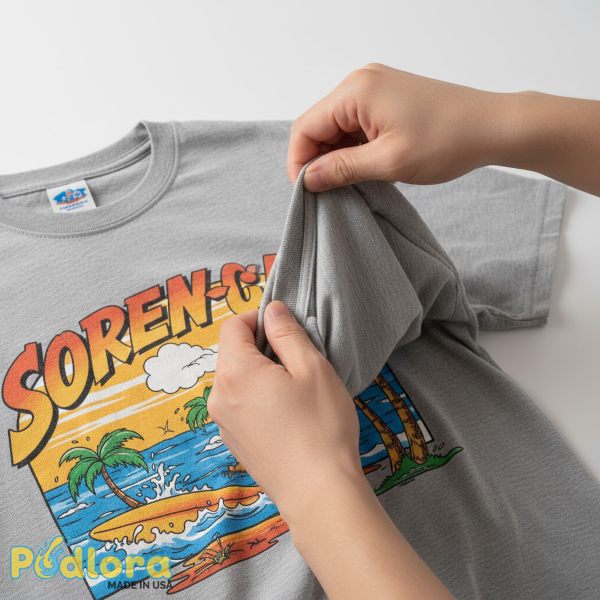
One of the simplest yet most effective clothing care strategies involves turning garments inside out before washing and drying. This practice minimizes direct friction against the printed surface, significantly reducing mechanical wear. The inner fabric layer acts as a protective barrier, absorbing most of the tumbling action while shielding the design from direct contact with other garments and the dryer drum.
The Air Dry Advantage
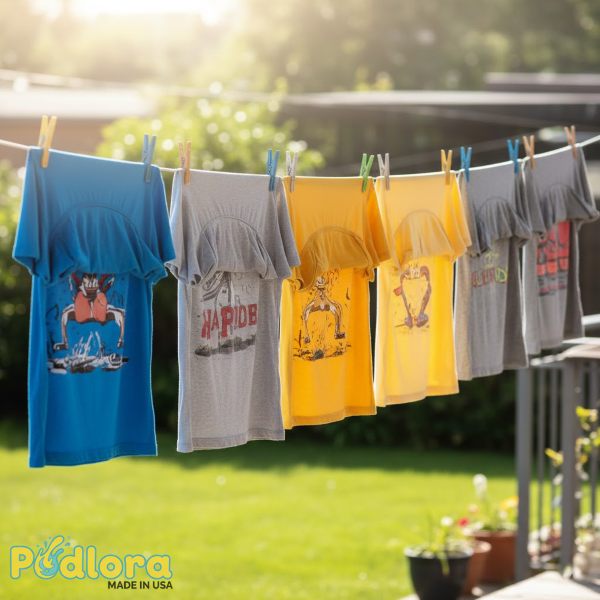
For maximum print longevity, air drying remains the gold standard. Hang your printed t-shirts on a clothesline or drying rack in a well-ventilated area away from direct sunlight, which can cause its own form of color fading. Lay particularly delicate items flat on a clean towel to prevent stretching while drying.
Air drying eliminates both heat and mechanical stress, the two primary factors in dryer damage. While it requires more time and planning, this method effectively extends the lifespan of printed designs by months or even years compared to regular tumble drying.
Strategic Fabric Softener Use
Contrary to popular belief, fabric softener isn’t always beneficial for printed t-shirts. These products coat fibers with a waxy substance that can build up on prints over time, creating a film that dulls colors and reduces vibrancy. If you enjoy the softness these products provide, use them sparingly and never apply them directly to printed areas. Better yet, add a half-cup of white vinegar to the rinse cycle as a natural alternative that softens fabrics without leaving residue.
Preventing Common Print Problems
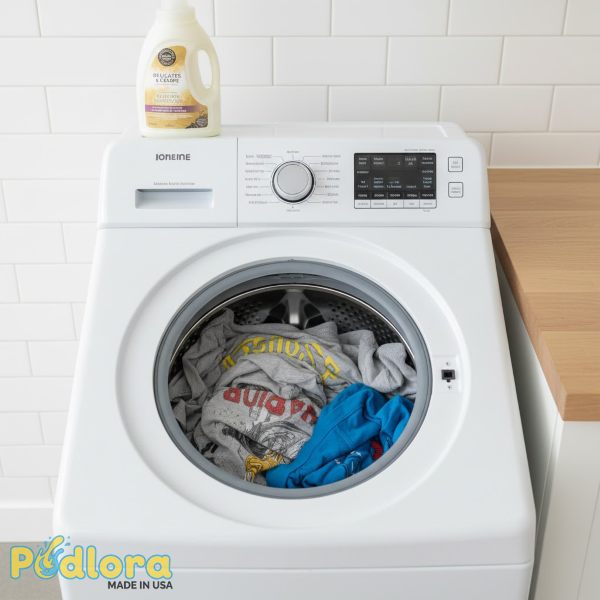
Understanding how to keep prints from fading in dryer cycles requires a holistic approach to garment care that extends beyond just the drying phase.
Proper Washing Instructions
Laundry care begins in the washing machine. Always use cold water wash cycles for printed t-shirts, as hot water accelerates color bleeding and print breakdown even before garments reach the dryer. Select gentle or delicate cycle settings that reduce agitation. Turn shirts inside out, and avoid overloading the machine, which increases friction between garments.
Separate printed t-shirts from items with zippers, hooks, or rough textures that can snag and damage designs. Consider using a mesh laundry bag for extra protection, especially for valued pieces from brands like PODLORA that feature intricate or special edition prints you want to preserve.
Reducing Wash Frequency
One often-overlooked strategy for clothing preservation involves simply washing less often. Unless a shirt is visibly soiled or odorous, it doesn’t need washing after every wear. Spot-clean minor stains and air out garments between uses. This approach reduces the cumulative stress from repeated wash and dry cycles, significantly extending overall garment lifespan.
How to Prevent Print Cracking in Dryer Cycles
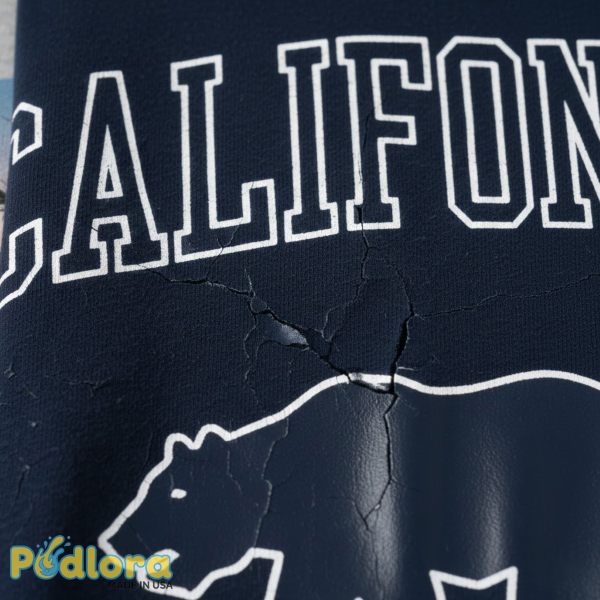
Cracking occurs when prints become brittle and lose flexibility. To minimize this risk, never dry printed t-shirts on high heat. If you notice early signs of cracking—fine lines appearing in the design—immediately switch to air drying exclusively. Sometimes, applying a small amount of fabric medium (available at craft stores) to the printed area before washing can restore some flexibility to aging prints, though this is a temporary solution.
Material Considerations: Cotton vs. Polyester Blend
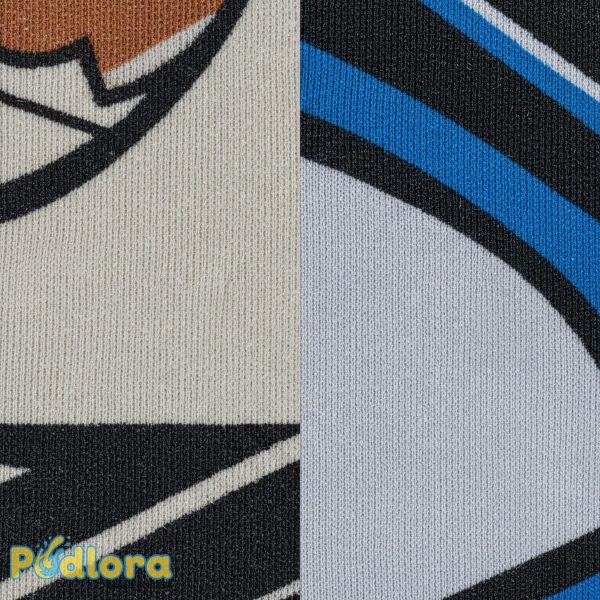
The fabric composition of your t-shirt significantly impacts how it responds to dryer care and what temperature settings are appropriate.
Cotton Shirts and Shrinkage
Pure cotton shirts are prone to shrinkage when exposed to heat, a factor that compounds concerns about print damage. Cotton fibers contract when heated, and this dimensional change can stress printed designs, causing them to crack or peel. Pre-shrunk cotton reduces but doesn’t eliminate this risk.
When drying cotton shirts with prints, the low heat setting becomes even more critical. Textile care professionals at SANVT recommend removing cotton garments while slightly damp and allowing them to finish drying naturally, which minimizes both fabric shrinkage and print stress.
Polyester Blend Advantages
Polyester blend fabrics offer superior shrink resistance and generally handle heat better than pure cotton. The synthetic fibers maintain their shape and size across temperature variations, reducing stress on printed designs. However, polyester can develop static cling in the dryer and may hold onto odors more stubbornly than cotton.
For graphic tees on polyester blends, you have slightly more flexibility with dryer temperatures, though the low heat setting remains the safest choice for print longevity. The fabric’s heat tolerance doesn’t necessarily extend to the printing inks and adhesives, which still require careful treatment.
Special Considerations for Different Design Types
Not all prints are equal, and understanding the specific vulnerabilities of different design types helps you tailor your garment drying approach.
Vintage and Distressed Prints
Intentionally distressed or vintage-style prints present a unique challenge. While they’re designed to look worn, improper care can push them from “vintage cool” to “actually damaged.” These designs often use specialized inks or intentional cracking for aesthetic effect, but additional heat exposure accelerates deterioration beyond the intended appearance.
Treat vintage-effect shirts gently, using cold water wash and air dry methods exclusively. The low heat setting might be acceptable occasionally, but frequent dryer use will shorten their lifespan considerably.
Full-Color and Photo Prints
DTG printing enables full-color photographs and complex artwork on t-shirts, but these detailed designs require extra care. The multiple ink layers used to achieve color depth and variation are more susceptible to color fading than simpler one or two-color screen prints. Always turn these shirts inside out and use the gentlest possible drying method to preserve their visual impact.
Specialty Finishes
Metallic inks, glitter applications, puff prints (raised designs), and glow-in-the-dark elements all respond poorly to tumble dry conditions. The heat and mechanical action specifically target the properties that make these finishes special. Metallic flakes can dislodge, glitter can shed, puff prints can flatten, and glow elements can lose their luminescence.
For any specialty finish, air dry is not just recommended—it’s essential for maintaining the design’s integrity and appearance.
Troubleshooting Already-Damaged Prints
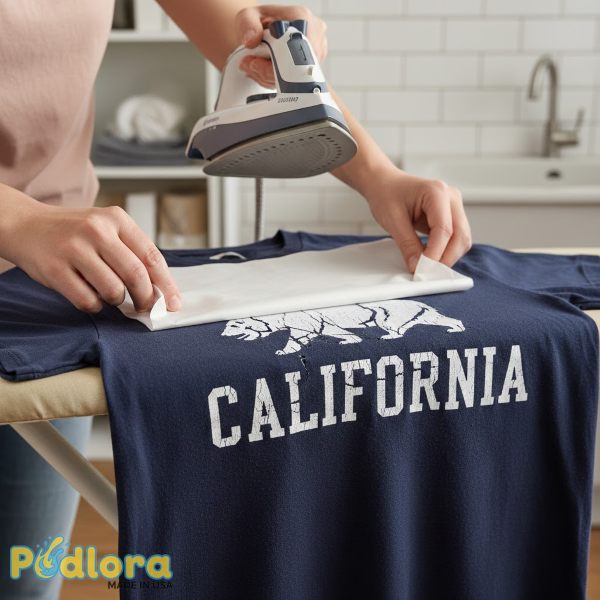
If you’ve already experienced some dryer damage, several strategies can help minimize further deterioration or even restore partially damaged designs.
Addressing Peeling Designs
For peeling designs from heat transfer or vinyl prints, you may be able to temporarily re-adhere loose sections using a household iron. Place a thin cloth over the design, set your iron to a medium-low temperature (no steam), and apply firm pressure for 10-15 seconds. This can reactivate the adhesive backing and re-bond loose edges.
However, this is a temporary fix. Once peeling begins, the adhesive has degraded and will continue failing over time. Treat repaired shirts with extra care, using only air dry methods going forward.
Managing Cracked Prints
While you cannot reverse cracking prints once they’ve occurred, you can prevent further damage. Switch immediately to cold water wash and air dry methods. Some textile restoration products can slightly improve appearance by filling fine cracks with flexible compounds, though results vary.
Faded Print Revival
Color fading is generally irreversible, but you can slow its progression. Some fabric dyes designed for natural fibers may restore color to certain types of prints, though results are unpredictable and work better on screen-printed designs than heat transfers. Prevention through proper fabric care remains far more effective than any restoration attempt.
Creating a Long-Term Care Routine
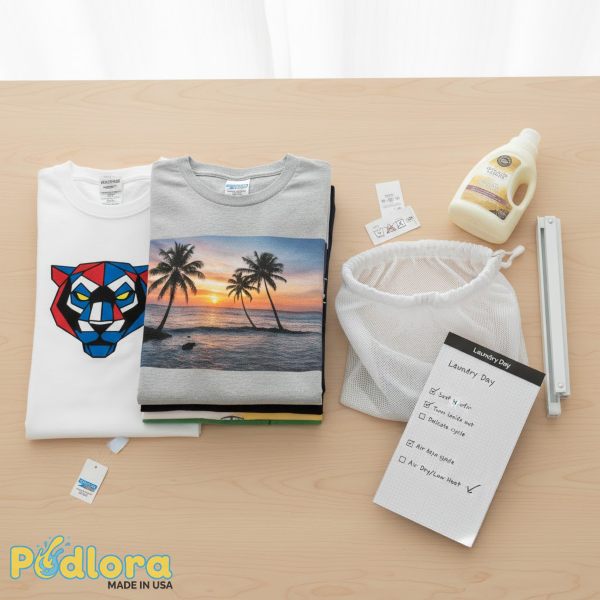
Developing consistent laundry tips and practices ensures your printed t-shirts maintain their quality throughout their lifespan.
Sort and Separate
Create a laundry sorting system that separates printed t-shirts from regular clothing. This allows you to apply specialized care without extra effort. Keep a designated area for items requiring air drying so they don’t accidentally end up in the dryer.
Seasonal Adjustments
During humid summer months, air drying may take longer but remains worth the wait for valuable printed garments. In winter, indoor drying racks near heat sources (but not directly on radiators) can speed the process while maintaining the benefits of air dry methods.
Investment in Quality
Higher-quality printed t-shirts typically use superior inks and printing methods that tolerate washing and drying better than budget alternatives. While the initial cost is higher, proper care of quality garments provides better long-term value than repeatedly replacing cheap shirts that deteriorate quickly.
The Economic and Environmental Case for Proper Care
Beyond preserving your favorite designs, proper garment care delivers tangible economic and environmental benefits.
Cost Savings
The average person replaces t-shirts every one to two years, but proper care can extend this to five years or more. At an average cost of $20-30 per printed t-shirt, this represents savings of $40-60 per shirt over time. Multiply this across a typical wardrobe of 10-15 printed shirts, and the potential savings reach several hundred dollars.
Environmental Impact
The fashion industry accounts for approximately 10% of global carbon emissions, with textile production being particularly resource-intensive. Extending garment lifespan directly reduces demand for new production. Each t-shirt that lasts five years instead of two prevents the resource consumption equivalent to approximately 2,700 liters of water and 3 kilograms of carbon emissions.
By implementing proper fabric care practices, you actively participate in sustainable fashion while enjoying your favorite graphic tees longer.
Professional Insights and Expert Recommendations
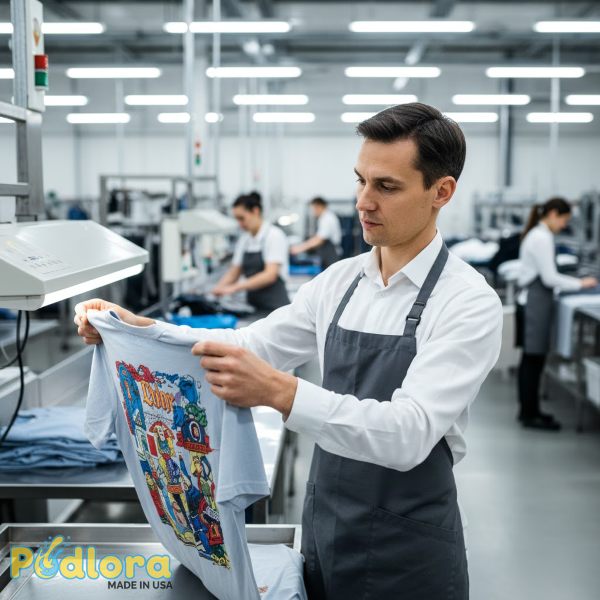
Textile care professionals and garment manufacturers consistently recommend similar approaches to drying printed shirts.
Industry Standards
According to ScreenPrinting.com’s best practices guide, the universal recommendation for graphic tees involves turning garments inside out, washing in cold water with mild detergent, and air drying whenever possible. When dryer use is necessary, the low heat setting with minimal time provides acceptable results while maintaining print integrity.
Professional garment care services specializing in delicate items typically air dry all printed textiles, recognizing that heat exposure represents the primary risk factor for print damage regardless of printing method.
Manufacturer Guidelines
Most reputable t-shirt brands include care labels with specific washing instructions. These guidelines are based on the printing method used and extensive testing. Following manufacturer recommendations provides the best outcomes for that specific garment. When labels recommend air drying or low heat only, take these warnings seriously—they’re based on the limitations of the materials and techniques used.
Advanced Tips for Collectors and Enthusiasts
If you collect limited edition printed t-shirts or have particularly valuable designs, consider these advanced clothing preservation techniques.
Archival Storage
For shirts you wear infrequently, proper storage between wears matters as much as washing and drying practices. Store printed t-shirts folded (never hung, which can stretch fabrics) in a cool, dry place away from direct sunlight. Acid-free tissue paper between folds prevents creasing that can stress prints.
Rotation Strategy
Regularly rotating through your collection rather than repeatedly wearing the same few favorites distributes wear across your wardrobe. This reduces the frequency any single shirt requires washing, extending the lifespan of all your printed garments.
Documentation
For valuable or irreplaceable printed t-shirts, photograph them in pristine condition. This documentation proves useful for insurance purposes and helps you track deterioration patterns, allowing you to adjust care routines if particular shirts show unexpected wear.
Making the Right Choice for Your Situation
Ultimately, the decision about whether to tumble dry custom t-shirts depends on your priorities, circumstances, and the specific garments in question.
Convenience vs. Longevity
Dryer use offers undeniable convenience, especially for busy households or small living spaces where air drying isn’t practical. If you value convenience and view printed t-shirts as disposable fashion items you’ll replace regularly anyway, using the low heat setting provides reasonable results for most screen-printed designs.
However, if you value particular shirts for sentimental reasons, invested in quality pieces, or simply want to maximize your clothing investment, the extra time required for air drying delivers substantially better print longevity.
Risk Assessment
Consider the replaceability of each garment. A mass-produced graphic tee from a major retailer might justify dryer use given its easy replacement. A limited edition design, custom creation, band merchandise from a concert you attended, or gift from someone special warrants the extra care that air drying provides.
Hybrid Approaches
Many people adopt a hybrid strategy, using dryers for everyday printed t-shirts while air drying valued pieces. This balanced approach provides convenience for regular garments while protecting investment pieces and irreplaceable designs.
Conclusion
The question of whether you can put printed t-shirts in the dryer has a nuanced answer: yes, you can, but with careful attention to settings, techniques, and the specific characteristics of your garments. Understanding different printing methods, implementing proper temperature control, and recognizing when air drying is essential versus when low heat is acceptable allows you to make informed decisions that balance convenience with garment preservation.
The key principles for drying printed shirts without damage include using low heat settings when machine drying, turning garments inside out, removing items while slightly damp, and defaulting to air dry methods for new, delicate, or valued pieces. Combined with cold water wash cycles and reduced washing frequency, these practices significantly extend print longevity while maintaining the appearance and integrity of your graphic tees.
Whether you’re caring for everyday wardrobe staples or protecting valuable collectible shirts, implementing these shirt maintenance strategies ensures your printed t-shirts remain vibrant, intact, and wearable for years beyond what standard care would deliver. The minimal extra effort required for proper garment drying pays dividends in both economic savings and the continued enjoyment of your favorite designs.
Summary Table: Key Takeaways for Drying Printed T-Shirts
| Topic | Key Points | Recommended Action |
|---|---|---|
| Can You Use a Dryer? | Yes, but with precautions; depends on print type and age | Use low heat setting or air dry for best results |
| Printing Methods | Screen printing (most durable), DTG (moderate care needed), heat transfer/vinyl (most vulnerable), sublimation (heat-resistant on polyester) | Match care intensity to printing method vulnerability |
| Temperature Guidelines | Stay below 125-130°F; high heat (150°F+) causes rapid deterioration | Always select low heat or delicate cycle |
| Best Practice | Turn inside out, use low heat, remove while damp, or air dry completely | Air drying provides maximum print longevity |
| Fabric Type | Cotton shrinks and stresses prints; polyester blends more stable | Adjust approach based on fabric composition |
| Washing Tips | Cold water, gentle cycle, inside out, reduce frequency | Proper washing extends results of proper drying |
| Common Problems | Cracking (brittleness), peeling (adhesive failure), fading (color degradation) | Prevention through proper care beats restoration attempts |
| Special Designs | Vintage effects, photo prints, metallic/glitter finishes need extra care | Air dry exclusively for specialty finishes |
| Economic Impact | Proper care extends lifespan 2-3x, saving $40-60+ per shirt | Investment in care practices pays long-term dividends |
| Environmental Benefit | Extended garment life reduces fashion industry resource consumption | Sustainable fashion through better care practices |
Frequently Asked Questions
Can you tumble dry printed t-shirts?
Yes, you can tumble dry printed t-shirts, but it requires careful attention to settings and precautions. Always use the lowest heat setting available on your dryer, typically labeled as “low,” “delicate,” or “tumble dry low.” Turn shirts inside out before placing them in the dryer to minimize friction against the printed design. Remove garments while they’re still slightly damp rather than running them through a complete cycle, as over-drying increases heat exposure and fabric stress.
The safety of tumble drying depends significantly on the printing method. Screen-printed designs generally tolerate low heat better than heat transfer or vinyl prints, which are highly vulnerable to peeling and cracking under dryer conditions. For new printed t-shirts, air drying for the first few wash cycles allows prints to fully cure and bond with the fabric. If you must use a dryer, limiting exposure time and never using medium or high heat settings provides the best chance of avoiding damage while still benefiting from the convenience of machine drying.
Can graphic T-shirts go in the dryer?
Graphic t-shirts can go in the dryer, but whether they should depends on several factors including the printing technique, fabric composition, and how much you value the garment. Screen-printed graphics on cotton or cotton-blend shirts generally handle low-heat drying reasonably well, especially after they’ve been washed a few times. However, direct-to-garment (DTG) printed graphics with detailed, full-color designs are more sensitive to heat and benefit significantly from air drying or minimal dryer exposure.
Heat transfer graphics, including vinyl designs and iron-on applications, face the highest risk in dryers. The combination of heat and tumbling action can cause the adhesive backing to fail, leading to peeling edges and eventual design loss. If your graphic t-shirt features three-dimensional elements, metallic finishes, glitter, or other specialty applications, the dryer should be avoided entirely. For valuable or irreplaceable graphic tees, air drying remains the safest approach regardless of printing method, as it eliminates both heat damage and mechanical wear that gradually deteriorate even durable prints.
How to wash printed t-shirts without ruining them?
Washing printed t-shirts properly begins with turning them inside out before placing them in the washing machine. This simple step protects the printed surface from direct friction against other garments and the machine drum. Always use cold water rather than warm or hot, as elevated temperatures accelerate color bleeding and break down the bonds between prints and fabric. Select the gentle or delicate cycle, which reduces agitation and minimizes stress on printed designs.
Use a mild detergent and avoid fabric softeners, which can leave residue that dulls print colors over time. Don’t overload the washing machine—crowded conditions increase friction between garments. Wash printed t-shirts separately from items with zippers, hooks, or rough textures that can snag designs. For particularly valuable shirts, consider using a mesh laundry bag for additional protection. After washing, either air dry completely by hanging or laying flat, or use the lowest dryer setting and remove garments while still slightly damp. Reducing washing frequency by wearing shirts multiple times when appropriate and spot-cleaning minor stains also significantly extends the lifespan of printed designs.
Is it bad to put t-shirts in the dryer?
Putting t-shirts in the dryer isn’t inherently bad, but it does accelerate wear compared to air drying. For plain t-shirts without prints, standard dryer use at normal temperatures generally causes minimal harm beyond gradual fabric breakdown that occurs with any repeated washing and drying. However, for printed t-shirts, dryer use introduces specific risks including heat damage to inks and adhesives, mechanical stress from tumbling that causes cracking and peeling, and accelerated color fading from both heat and friction.
The degree of “badness” depends on your priorities and expectations. If you view t-shirts as disposable items you’ll replace every year or two, standard dryer use is acceptable and prioritizes convenience. However, if you want to maximize garment lifespan, maintain vibrant colors, and protect printed designs, then regular dryer use is suboptimal. The compromise position involves using dryers on the lowest heat setting and removing items while damp, which provides some convenience while reducing damage. For cotton t-shirts, dryers also contribute to shrinkage, potentially altering fit over time. Ultimately, air drying represents the gentlest treatment, while dryer use trades some garment longevity for time savings and convenience.
What happens if you dry a printed shirt inside out?
Drying a printed shirt inside out is actually one of the best practices you can implement to protect your graphic tees. When the shirt is turned inside out, the printed design faces inward and is shielded from direct contact with other garments and the dryer drum. This significantly reduces friction and mechanical wear on the print surface, which are major causes of cracking, peeling, and premature deterioration.
The inside-out method also protects prints from the most intense heat exposure, as the outer fabric layer acts as an insulating barrier. This is particularly beneficial for heat-sensitive printing methods like vinyl transfers and DTG prints. Additionally, turning shirts inside out during both washing and drying helps prevent color fading and maintains the vibrancy of your designs for much longer. This simple habit costs nothing but adds years to the lifespan of your printed t-shirts, making it one of the most effective garment care practices you can adopt.
How long should you dry printed t-shirts in the dryer?
The ideal drying time for printed t-shirts is as short as possible while still removing most of the moisture. Rather than running a complete dryer cycle, remove printed shirts when they’re still slightly damp—approximately 80-90% dry. This typically takes 15-25 minutes on a low heat setting, depending on your dryer’s efficiency and the load size. The remaining dampness will air dry quickly when you hang or lay the shirt flat, and this approach significantly reduces total heat exposure.
Monitor your first few loads carefully to determine the optimal timing for your specific dryer and typical load size. Set a timer to check shirts partway through the cycle. If you’re using a sensor-dry feature, select the “less dry” or “damp dry” option if available. Remember that over-drying not only increases heat damage risk but also wastes energy and can cause excessive shrinkage in cotton fabrics. For best results, pair minimal dryer time with other protective practices like washing in cold water, turning shirts inside out, and using the lowest heat setting available.
Can you iron printed t-shirts to fix damage?
Ironing printed t-shirts requires extreme caution and is not recommended for fixing damage, though it can help with specific issues in limited circumstances. For heat transfer or vinyl prints that have begun peeling, you can attempt a temporary repair by placing a thin cotton cloth or parchment paper over the design and pressing with a medium-low iron (no steam) for 10-15 seconds. The heat can sometimes reactivate the adhesive and re-bond loose sections, though this is a temporary fix rather than a permanent solution.
However, never iron directly onto a printed design, as this will almost certainly cause additional damage including melting, color transfer to your iron, or permanent distortion of the print. Screen-printed and DTG designs generally should not be ironed at all, even with a protective cloth, as the heat can cause the inks to become shiny, crack, or fade. If you must remove wrinkles from a printed t-shirt, iron only the unprinted areas of the fabric, or hang the shirt in a steamy bathroom to naturally release wrinkles without direct heat contact. Prevention through proper washing and drying techniques is far more effective than attempting to repair damage after it occurs.
This comprehensive guide provides evidence-based recommendations for drying printed shirts while maintaining print quality and longevity. Implement these practices to protect your investment in quality graphic tees and extend the wearable life of all your printed garments.

Hi, I’m Emma Sullivan — a Texas-based writer who specializes in product design, e-commerce, and customer experience. With over five years of writing experience, I love turning complex information into clear, helpful content that makes online shopping easier for everyone. Having spent years working in the U.S. print-on-demand and merchandising space, I focus on creating articles that are honest, engaging, and genuinely useful.