Cold Water vs Hot Water Which Is Better for Custom Apparel
When you invest in custom apparel—whether it’s a screen-printed t-shirt featuring your brand logo, an embroidered jacket with personalized details, or a custom hoodie with a unique design—you want it to last. The debate of cold vs hot water for custom apparel is crucial, as the water temperature you choose for washing these garments can significantly impact their longevity, color vibrancy, and overall quality. This comprehensive guide explores the cold water versus hot water washing debate, helping you make informed decisions about caring for your custom clothing.
Understanding Water Temperature and Its Effects on Fabric
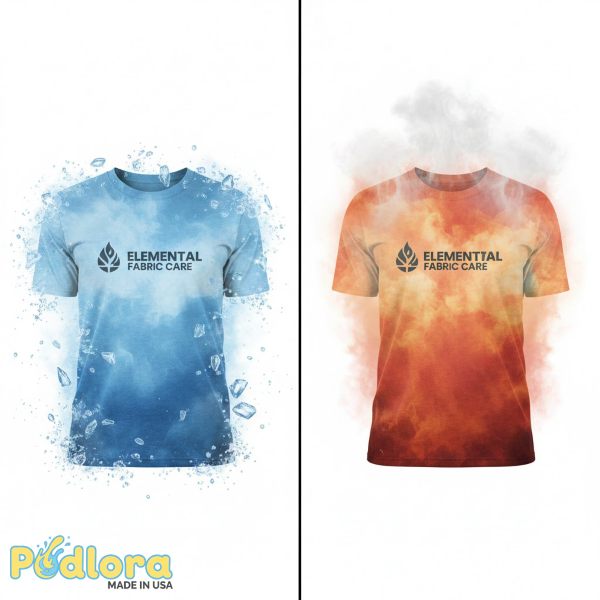
Water temperature plays a crucial role in how effectively your laundry gets cleaned and how well your garments maintain their quality over time. The temperature you select affects everything from how detergent dissolves to how fabric fibers respond during the wash cycle.
The Science Behind Water Temperature
When water heats up, it increases molecular activity, which helps break down oils, grease, and certain types of stains more effectively. Hot water is particularly effective at dissolving detergents and activating their cleaning agents, making it a powerful tool for deep cleaning heavily soiled items.
However, this same heat that makes hot water effective for cleaning can also be damaging to fabrics and prints. The elevated temperature causes fabric fibers to expand and contract, which over time leads to wear and deterioration. For custom apparel with printed or embroidered designs, this thermal stress can be particularly problematic.
Cold water, on the other hand, provides a gentler cleaning environment. Modern detergent formulations have evolved significantly, with enzymes designed to work effectively in temperatures as low as 60°F. This means you can achieve satisfactory cleaning results without exposing your garments to potentially damaging heat.
Cold Water Washing: Benefits for Custom Apparel
Cold water washing has become increasingly popular, and for good reason. The benefits extend beyond just protecting your clothing—they also include environmental and economic advantages.
Preserving Print Quality and Color Vibrancy
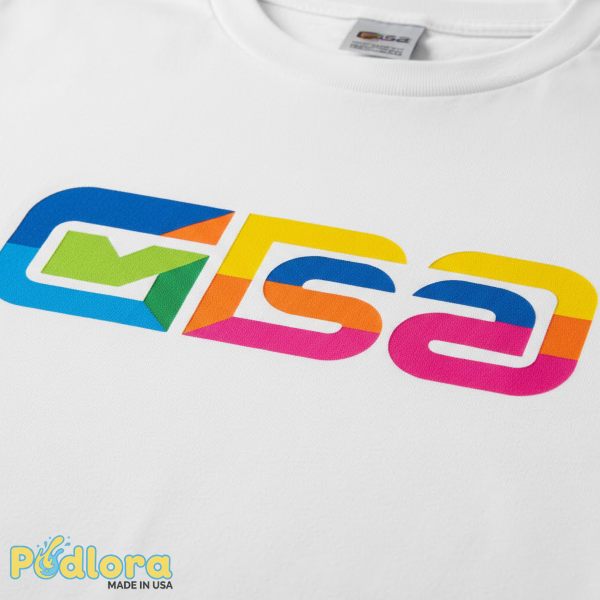
One of the most significant advantages of cold water for custom apparel is its ability to preserve print quality. When you wash printed t-shirts at 30°C or lower, it prevents prints from fading or deteriorating over time. The cooler temperature prevents ink from softening or degrading, which helps maintain the crispness and clarity of your custom designs.
Color preservation is another major benefit. According to research on cold water washing and clothing longevity, cold water helps preserve the quality and longevity of clothes by preventing them from fading or shrinking. For custom apparel featuring vibrant colors or dark hues, this protection is essential for maintaining the original appearance.
Preventing Shrinkage and Fabric Damage
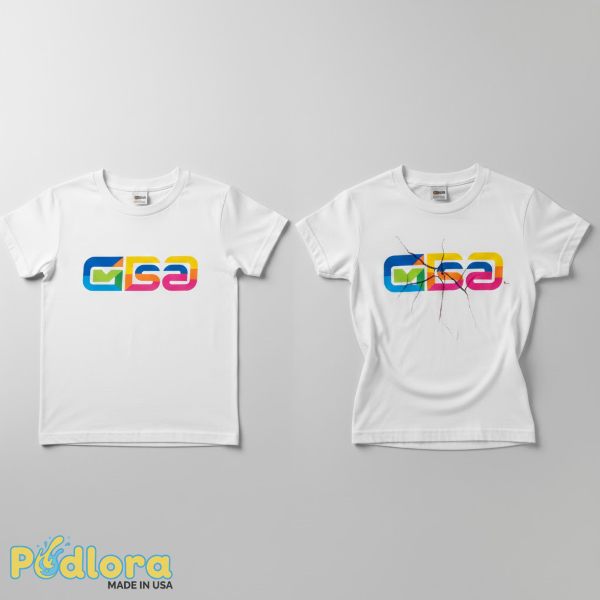
If you’ve ever pulled a favorite shirt from the dryer only to find it has shrunk, you understand the frustration of heat-induced fabric damage. Cold water significantly reduces this risk. GE Appliances research confirms that cold water can reduce wrinkles and is less likely to cause fabrics to shrink or fade, helping clothes last longer.
This is particularly important for custom apparel, where even slight shrinkage can distort printed designs or embroidered patterns. A logo that was perfectly centered on a shirt can become off-kilter if the garment shrinks unevenly, compromising the professional appearance you paid for.
Energy Efficiency and Cost Savings
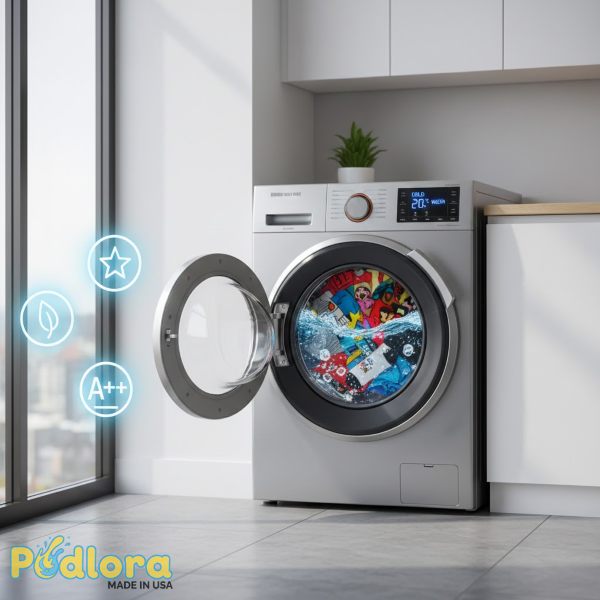
The environmental and economic benefits of cold water washing are substantial. According to Consumer Reports, heating water accounts for about 90 percent of the energy needed to run a washer, according to Energy Star, so the less hot water used, the more energy saved.
For businesses that regularly wash uniforms or promotional apparel, these savings can add up significantly over time. Additionally, the reduced energy consumption contributes to a smaller carbon footprint, aligning with sustainability goals that many consumers and companies prioritize.
Reducing Microfiber Pollution
An often-overlooked benefit of cold water washing is its positive environmental impact regarding microfiber pollution. Research shows that hot water causes more damage to clothing fibers, leading to increased shedding of microfiber particles. These microscopic plastic particles end up in waterways and oceans, contributing to environmental pollution.
By using cold water, you minimize fiber breakdown and reduce the release of these harmful particles, making your laundry routine more environmentally responsible.
Hot Water Washing: When It Makes Sense
While cold water offers numerous advantages for custom apparel, hot water still has its place in certain laundry situations. Understanding when to use hot water ensures you’re making the best choice for different cleaning scenarios.
Deep Cleaning and Sanitization
Hot water excels at removing stubborn stains and sanitizing heavily soiled items. When sanitization is the goal—say you or someone in your family is sick—washing clothing and bedding in hot water can help stop the spread of germs. This makes it ideal for items like towels, bedding, and undergarments that benefit from thorough sanitization.
For custom apparel worn during athletic activities or outdoor work, the deep-cleaning power of hot water might seem appealing. However, it’s important to weigh this against the potential damage to prints and embroidery.
Breaking Down Oil-Based Stains
Certain stains respond better to hot water treatment. Grease, motor oil, and oily food stains can be more effectively removed with warmer water, which helps melt and dissolve the oils. However, this benefit must be carefully considered against the risks to custom designs.
If you have an oil-based stain on custom apparel, consider spot-treating the affected area with a stain remover before washing in cold water, rather than subjecting the entire garment to hot water.
When Hot Water Can Damage Custom Apparel
For most custom apparel, the risks of hot water outweigh the benefits. Screen-printed designs, heat transfers, and embroidered elements can all suffer damage from elevated temperatures. Research on screen printed shirt care shows that hot water can cause the ink to crack, while cold water protects the printed design and helps prevent shrinkage.
Additionally, hot water can cause dye migration in certain fabrics, where the garment’s dye color bleeds into the printed ink, creating discoloration and ruining the appearance of your custom design.
Best Practices for Washing Custom Printed Apparel
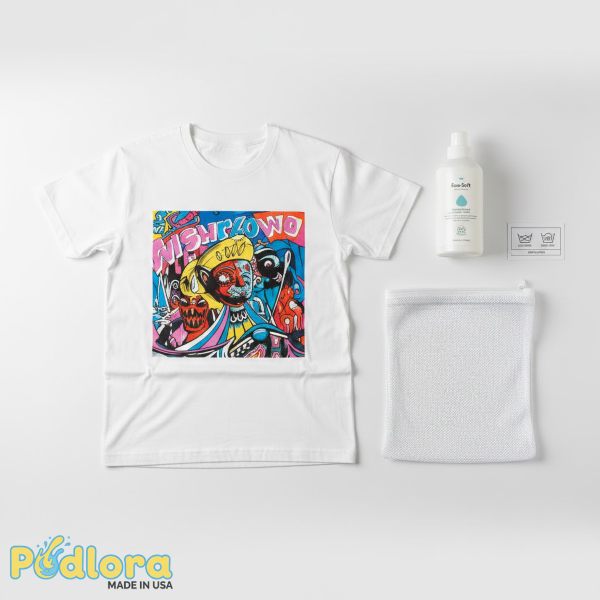
Screen-printed t-shirts, hoodies, and other garments require special care to maintain their appearance and durability. Following proper washing techniques ensures your custom prints remain vibrant and intact for many years.
Pre-Wash Preparation
Before washing any screen-printed item, take a moment to inspect the garment. Custom printed tees require at least 24 hours to fully cure after printing, so newly purchased items should wait a day or two before the first wash. This allows the ink to properly set and bond with the fabric.
Turn your garments inside out before washing. This simple step protects the printed design from friction with other clothes and the washing machine drum, significantly extending the life of your custom apparel.
Washing Machine Settings
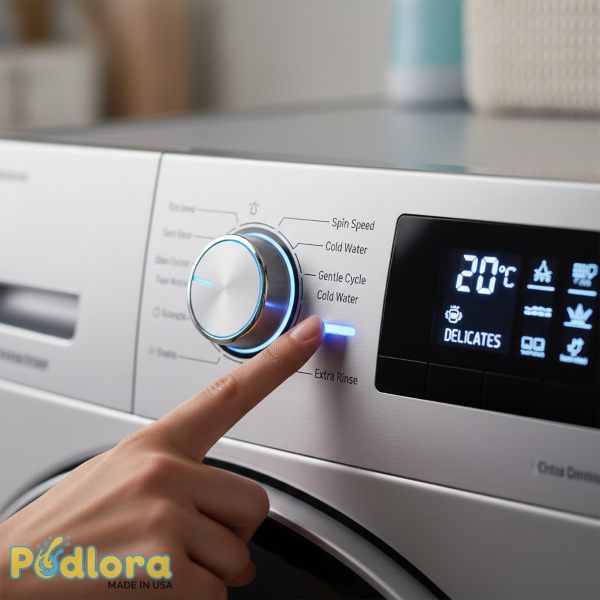
When machine washing screen-printed items, select a gentle cycle with cold water. Washing at lower temperatures is essential for preventing prints from fading or deteriorating over time. This temperature is cool enough to protect the print while still allowing detergent to work effectively.
Use a mild detergent without bleach or fabric softeners. These harsh chemicals can break down the ink and cause premature fading or cracking. If you’re washing a brand-new screen-printed item, sort it carefully with similar colors to prevent any dye transfer issues.
Drying Recommendations

The drying process is just as important as washing for maintaining print quality. Air drying is always the safest option. High heat from tumble drying can cause the print to fade or crack and may shrink the garment.
If you must use a dryer, choose the lowest heat setting available and remove the garment before it’s completely dry. Let it finish air drying to minimize heat exposure. This hybrid approach balances convenience with garment care.
Addressing Stains on Printed Apparel
When dealing with stains on screen-printed clothing, act quickly but gently. Pre-treat stains with a gentle stain remover, being careful not to apply it directly to the printed area. Let the treatment sit for a few minutes before washing, which allows the product to work without requiring hot water or aggressive scrubbing.
Caring for Custom Embroidered Clothing
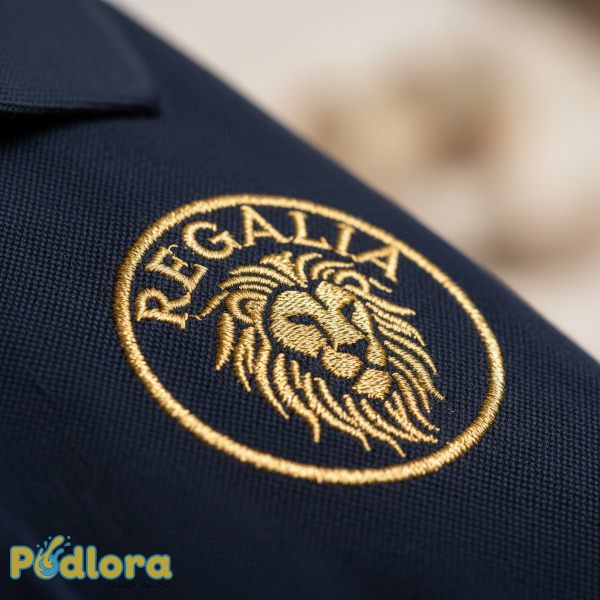
Embroidered apparel requires different care considerations than screen-printed items. The raised stitching and thread types used in embroidery create unique challenges that demand specific washing approaches.
Understanding Embroidery Construction
Embroidery involves stitching thread through fabric to create designs, logos, or patterns. The type of thread used—whether polyester, rayon, or cotton—affects how the garment should be washed. Polyester embroidery is durable and stands up well to washing, while rayon and silk embroidery require special hand-washing care.
The backing material used in embroidery can also be heat-sensitive. Many stabilizers are synthetic and can melt or ripple if exposed to high temperatures, which is another reason to avoid hot water.
Hand Washing Embroidered Items
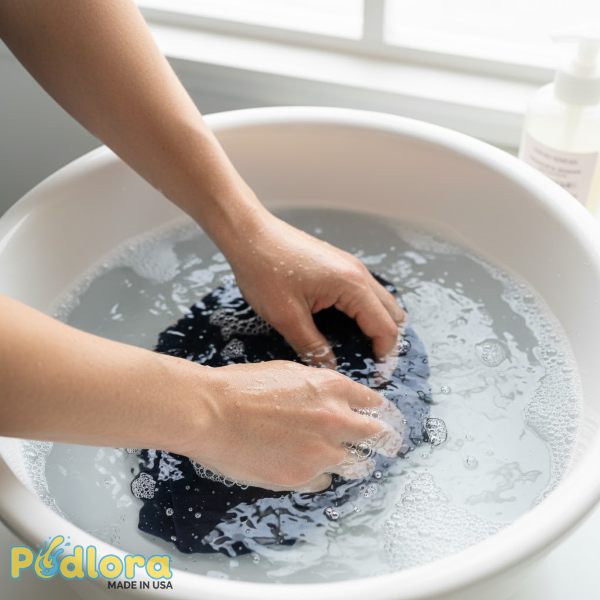
For delicate or heavily embroidered pieces, hand washing provides the gentlest cleaning method. According to embroidery care experts, the most gentle option is to hand wash using cool water and allow the item to air dry, although machine washing with precautions is possible for durable pieces.
Fill a basin with cold water and add a small amount of gentle detergent. Turn the garment inside out, submerge it, and gently agitate the water. Avoid scrubbing the embroidered areas directly, as this can damage the stitching or cause threads to loosen.
Machine Washing Embroidered Apparel
If machine washing is necessary, take extra precautions. Turn the item inside out to protect the embroidery and avoid washing with other clothing that might cause damage, such as items with zippers or buttons. Consider placing the garment in a mesh laundry bag for additional protection.
Use cold water and a gentle cycle with mild detergent. Skip harsh additives like bleach, which can damage certain thread types and cause color changes or weakening of the fibers.
Drying and Ironing Embroidered Garments
Never put embroidered clothing in the dryer. Machine drying can make embroidery thread fuzzy and frayed, and the stitches may even fall out. Always air dry embroidered items by hanging them or laying them flat.
When ironing is necessary, avoid direct contact with the embroidery. Iron the garment inside out, or place a pressing cloth over the embroidered area to protect it from heat damage.
PODLORA: Quality Custom Apparel Deserves Quality Care
At PODLORA, we understand the value of custom apparel that represents your brand, team, or personal style. Our commitment to high-quality printing and embroidery means you receive garments designed to last—but that longevity depends significantly on how you care for them.
Whether you’ve ordered screen-printed promotional items, embroidered corporate uniforms, or custom t-shirts for your event, following proper washing guidelines ensures your investment maintains its appearance and impact for years to come.
Special Considerations for Different Custom Apparel Types
Different types of custom apparel require tailored care approaches. Understanding these nuances helps you provide the best care for each item in your wardrobe.
Custom Hoodies and Sweatshirts
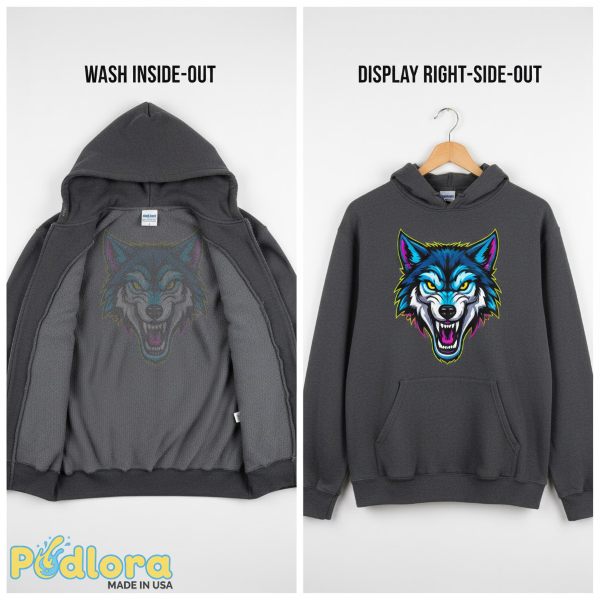
Hoodies and sweatshirts often feature larger printed designs or embroidered logos. The thicker fabric can hold moisture longer, making proper drying especially important. Always wash hoodies inside out in cold water, and reshape them while damp if air drying to prevent distortion.
The hood itself requires attention—ensure it’s fully dry before storing to prevent mildew or odors. If your hoodie has drawstrings, remove them before washing if possible to prevent tangling.
Custom Athletic Wear
Performance fabrics used in athletic custom apparel often contain synthetic materials like polyester or spandex blends. These materials generally handle washing well, but they’re particularly susceptible to heat damage. Cold water washing is essential for maintaining the stretch and moisture-wicking properties of these fabrics.
Avoid fabric softeners on athletic wear, as they can leave residue that impairs the fabric’s technical performance characteristics.
Custom Jackets and Outerwear
Embroidered jackets and custom outerwear may have multiple fabric types and construction elements. Check care labels carefully, as some jackets may require professional cleaning. If home washing is appropriate, use cold water and the gentle cycle, and pay special attention to zippers and buttons that might snag embroidery or prints during washing.
Vintage or Delicate Custom Pieces
Older screen-printed shirts or vintage custom apparel may have ink that’s more fragile due to age. These items benefit from hand washing in cold water with extra-gentle handling. Consider these pieces candidates for reduced wash frequency—spot clean when possible and only fully wash when necessary.
The Role of Detergent in Custom Apparel Care
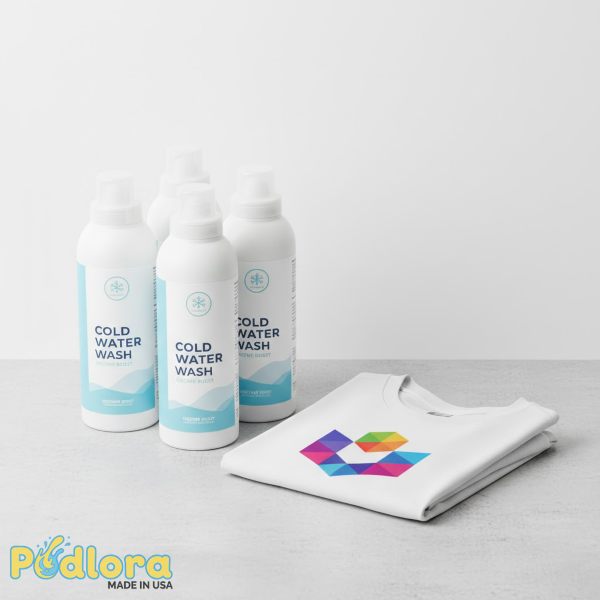
Choosing the right detergent and using it properly can significantly impact your custom apparel’s longevity and appearance.
Modern Detergent Formulations
Today’s detergents are specifically engineered to work effectively in cold water. New detergent technology introduces enzymes that actually work better in cold water, and some stains like grass, makeup and blood should only be washed in cold water as hot water could make the stains permanent.
These enzyme-based formulations break down proteins and organic matter at lower temperatures, making them ideal for custom apparel care. Look for detergents specifically marketed for cold water washing to maximize cleaning performance while protecting your garments.
Detergent Amount and Application
More detergent doesn’t mean cleaner clothes. In fact, using too much detergent can leave residue on fabrics and printed designs, creating a dull appearance and potentially causing buildup that attracts dirt. Follow package directions for proper dosing based on load size and soil level.
For heavily soiled custom work uniforms, resist the urge to use extra detergent. Instead, pre-treat stains and consider an extra rinse cycle to ensure thorough cleaning without residue.
Avoiding Harmful Additives
Bleach, fabric softeners, and brightening agents can all damage custom prints and embroidery. Bleach is particularly harmful to screen-printed designs and can cause discoloration or weakening of fabric and thread. Harsh detergents should be avoided as they can damage the integrity of printed designs.
Fabric softeners can leave a coating on fabrics that interferes with moisture-wicking properties and can cause printed designs to appear dull. For custom apparel, skip these additives entirely.
Water Quality Considerations
The quality of your water supply can affect how well your custom apparel cleans and how long it lasts.
Hard Water Challenges
Hard water contains elevated levels of minerals like calcium and magnesium. Hard water can quickly deteriorate the appearance of screen-printed shirts. These minerals can interfere with detergent effectiveness and leave deposits on fabric and prints.
If you have hard water, consider pre-soaking custom garments in water with a cup of white vinegar before washing. This helps counteract the mineral content and improves cleaning results. Alternatively, water softening systems or detergents formulated for hard water can address this issue.
Water Temperature Consistency
The actual temperature of “cold” water can vary significantly depending on your location and season. In cold-weather regions, tap water can reach 40°F or lower in winter, which may reduce detergent effectiveness. If you notice cleaning issues during colder months, you might need to adjust to warm water, though this should still be significantly cooler than hot water settings.
Stain Removal Strategies for Custom Apparel
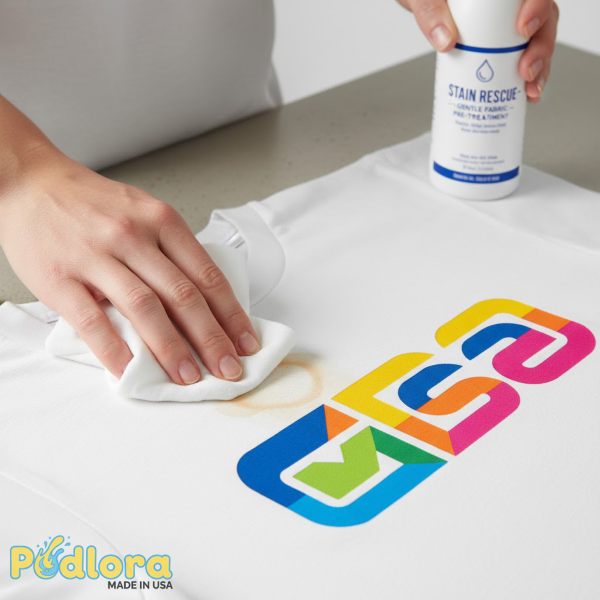
Dealing with stains on custom apparel requires a careful approach that balances effective cleaning with protection of printed or embroidered designs.
Treating Stains Promptly
The faster you address a stain, the easier it is to remove. For custom apparel, this is especially important because aggressive stain removal methods you might use on regular clothing could damage prints or embroidery.
Blot liquid stains immediately with a clean cloth—don’t rub, as this can spread the stain and damage designs. For dry stains, gently brush away any loose particles before treating.
Stain-Specific Approaches
Different stains require different treatments:
Protein-based stains (blood, sweat, food): These respond best to cold water. Hot water can actually set protein stains, making them permanent. Soak the garment in cold water, then wash as usual.
Oil-based stains (grease, cooking oil): While hot water is traditionally recommended for oils, for custom apparel it’s better to pre-treat with a degreasing dish soap or specialized stain remover, then wash in cold water.
Tannin stains (coffee, tea, wine): These can be treated with cold water and a mild detergent. Work the solution into the stain gently, avoiding printed or embroidered areas.
Grass stains: These actually clean better in cold water with enzyme-based detergents, making them ideal candidates for standard cold-water washing of custom apparel.
Pre-Treatment Methods
Create a gentle pre-treatment solution by mixing a small amount of mild detergent with cold water. Apply this to the stained area using a soft cloth or gentle brush, being careful to avoid direct contact with printed or embroidered designs nearby.
Commercial stain removers can be effective, but test them on an inconspicuous area first to ensure they don’t damage or discolor your custom apparel. Always follow pre-treatment with a cold water wash rather than relying on hot water to finish the job.
Storage and Maintenance Between Washes
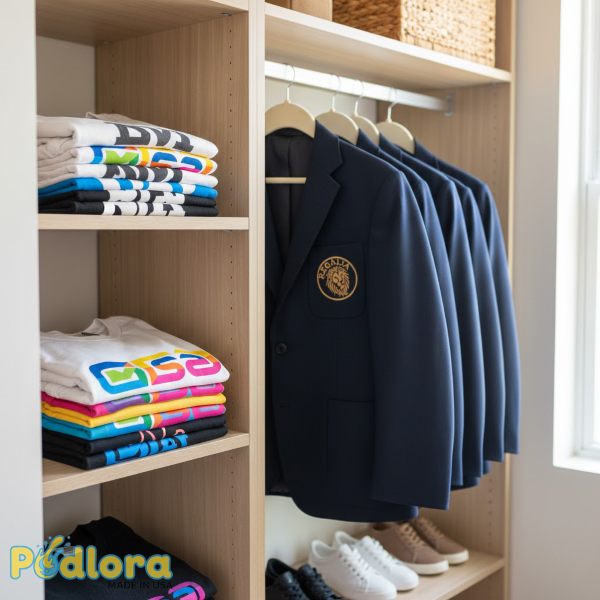
Proper care extends beyond washing. How you store and maintain custom apparel between wears affects its longevity and appearance.
Reducing Wash Frequency
Not every wearing requires a full wash. Custom apparel, especially screen-printed or embroidered items, benefits from reduced washing frequency. Spot clean minor marks, air out garments after wearing, and only wash when actually soiled.
This approach reduces wear on fabrics and prints while also saving water and energy. For items like embroidered jackets or custom hoodies that aren’t worn directly against skin, this can significantly extend time between washes.
Proper Storage Methods
Store custom apparel in a cool, dry place away from direct sunlight, which can fade prints and weaken fabrics over time. Fold screen-printed shirts carefully, avoiding creases across the design when possible. For embroidered items, hanging may be preferable to prevent creasing the raised stitching.
Ensure garments are completely dry before storing to prevent mildew and odors. Even slight dampness can create problems during storage, especially in humid environments.
Dealing with Odors Without Washing
If custom apparel develops odors but isn’t visibly soiled, try refreshing it without a full wash. Hang the garment outside in fresh air, use a fabric refresher spray (avoiding direct application to prints), or place it in the freezer for a few hours to kill odor-causing bacteria.
These methods extend the time between washes while keeping your custom apparel fresh and wearable.
Common Mistakes to Avoid
Even with the best intentions, certain mistakes can damage custom apparel. Being aware of these pitfalls helps you avoid costly errors.
Over-Washing
Washing custom apparel too frequently accelerates wear on both fabric and designs. Each wash cycle creates friction and stress that gradually degrades prints and embroidery. Assess whether items truly need washing or if spot cleaning and airing out would suffice.
Using Incorrect Water Temperature
Ignoring care labels and washing in hot water when cold is recommended can quickly ruin custom apparel. The damage might not be immediately apparent, but over time, hot water exposure causes irreversible fading, cracking, and degradation.
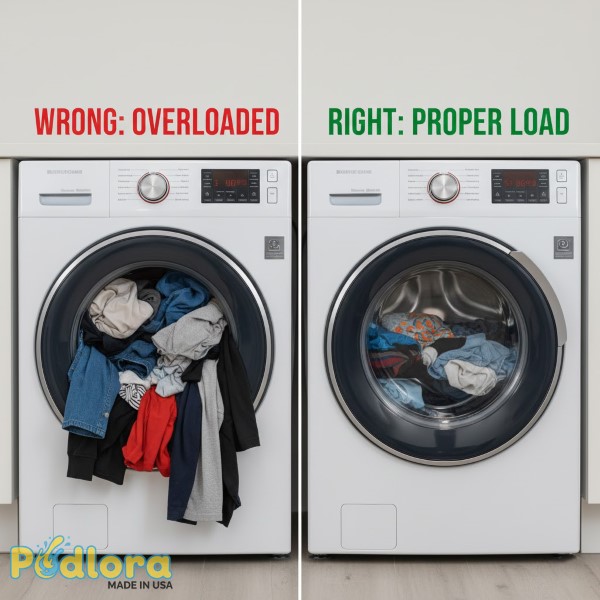
Overloading the Washing Machine
Cramming too many items into the washer prevents proper cleaning and increases friction between garments. This is particularly problematic for custom apparel, where excessive rubbing against other clothes can damage prints and embroidery. Wash custom items with adequate space for water and detergent to circulate.
Ignoring Fabric Care Labels
Care labels provide specific guidance for each garment. While general principles apply to custom apparel care, individual items may have unique requirements based on fabric type, construction, and design elements. Always check and follow these instructions.
Improper Drying Methods
Using high heat in the dryer, even after properly washing in cold water, can undo all your careful efforts. Heat is cumulative in its damage—every exposure contributes to fabric breakdown, shrinkage, and print degradation.
Environmental Impact of Your Washing Choices
The water temperature you choose for laundry has environmental implications that extend beyond your custom apparel’s longevity.
Energy Consumption
Heating water for laundry is energy-intensive. An estimated 75 to 90 percent of all the energy your washer uses goes to warming up the water. By switching to cold water for most loads, especially custom apparel, you significantly reduce your household’s energy consumption and associated carbon emissions.
For businesses washing large quantities of branded uniforms or promotional apparel, this energy savings can be substantial and contribute meaningfully to corporate sustainability goals.
Water Conservation
Cold water cycles often complete faster than hot water cycles, as there’s no need to wait for water heating. This can result in overall water savings, especially in modern efficient washing machines designed for cold water operation.
Microfiber Pollution Reduction
As previously mentioned, cold water washing reduces the breakdown of synthetic fabric fibers, decreasing the release of microplastic particles into waterways. For custom apparel made from polyester or blended fabrics, this environmental benefit is significant.
Chemical Reduction
Cold water washing often requires fewer harsh chemicals to achieve good results, especially with modern enzyme-based detergents. This means less chemical pollution entering water systems through wastewater.
Advanced Care Techniques for Custom Apparel Professionals
For businesses, screen printers, and embroidery shops that want to provide the best care advice to customers, these advanced techniques ensure superior results.
Testing Colorfastness
Before washing any custom apparel for the first time, test colorfastness by dampening an inconspicuous area with cold water and blotting with a white cloth. If color transfers, the item requires extra care—wash separately and consider adding vinegar to the wash water to help set colors.
Professional-Grade Stain Treatment
For valuable custom pieces or business uniforms, invest in professional stain treatment products designed for commercial use. These products offer superior performance while being formulated to protect fabrics and prints.
Quality Control After Washing
After washing custom apparel, inspect items for any signs of damage, loose threads on embroidery, or cracking in printed designs. Catching issues early allows for repair or replacement before problems worsen.
Implementing Washing Protocols
Businesses should develop and document standard washing protocols for different types of custom apparel. This ensures consistency in care and helps extend the useful life of uniforms and branded clothing.
The Future of Fabric Care Technology
Understanding emerging trends in laundry technology helps you make informed decisions about caring for custom apparel.
Cold Water Washing Innovations
Washing machine manufacturers continue developing technologies specifically for cold water washing. Features like extended soak cycles, specialized agitation patterns, and cold water optimization settings make cold water washing increasingly effective.
Eco-Friendly Detergent Development
Detergent manufacturers are creating increasingly sophisticated formulations that work effectively at lower temperatures while being environmentally responsible. Look for products with plant-based enzymes and biodegradable ingredients.
Smart Washing Technology
Modern washing machines with smart technology can automatically adjust cycle parameters based on load type and soil level, optimizing cleaning performance while protecting delicate items. Some machines can detect printed or embroidered items and adjust agitation accordingly.
Making the Switch to Cold Water Washing
If you’re currently washing custom apparel in hot or warm water, transitioning to cold water requires some adjustment.
Gradual Implementation
Start by switching some loads to cold water while maintaining your usual approach for others. This allows you to observe results and build confidence in cold water washing before making a complete transition.
Adjusting Expectations
Cold water washing may require acceptance that some heavily soiled items might not achieve the same level of deep cleaning as hot water provides. For custom apparel, this trade-off is worthwhile given the protection it offers to prints and embroidery.
Complementary Changes
Pair cold water washing with other best practices: proper pre-treatment of stains, correct detergent selection, appropriate load sizing, and gentle drying methods. These complementary approaches maximize the benefits of cold water washing.
Summary Table: Cold Water vs Hot Water for Custom Apparel
| Aspect | Cold Water | Hot Water | Winner for Custom Apparel |
|---|---|---|---|
| Print preservation | Protects ink from softening and degrading | Can cause ink to crack, fade, or peel | Cold Water |
| Color retention | Prevents fading and maintains vibrancy | Accelerates color loss and bleeding | Cold Water |
| Embroidery care | Gentle on threads and stabilizers | Can damage threads and melt stabilizers | Cold Water |
| Shrinkage prevention | Minimizes fabric shrinkage | Causes significant shrinkage risk | Cold Water |
| Energy efficiency | Uses 75-90% less energy | High energy consumption | Cold Water |
| Fabric longevity | Reduces fiber breakdown | Accelerates wear and deterioration | Cold Water |
| Deep cleaning power | Good with modern detergents | Superior for heavy soils and oils | Hot Water |
| Sanitization | Limited antibacterial effect | Kills bacteria and viruses | Hot Water |
| Stain removal (general) | Effective for most stains with enzymes | Better for grease and oil-based stains | Context-dependent |
| Environmental impact | Lower carbon footprint, less microfiber pollution | Higher emissions and pollution | Cold Water |
| Cost efficiency | Significantly lower utility bills | Higher costs from energy use | Cold Water |
| Protein stain removal | Excellent (blood, sweat, food) | Can set protein stains permanently | Cold Water |
| Garment lifespan | Extends wearable life significantly | Shortens lifespan through heat stress | Cold Water |
Frequently Asked Questions
Is it better to use cold or hot water for clothes?
For most clothing, especially custom apparel with prints or embroidery, cold water is the better choice. Cold water protects fabric integrity, preserves colors, prevents shrinkage, and uses significantly less energy than hot water. Modern detergent formulations with enzymes work effectively in cold water, providing adequate cleaning for everyday wear. Hot water should be reserved for specific situations requiring sanitization or deep cleaning of heavily soiled items without custom designs.
Does hot or cold water make clothes bigger?
Neither hot nor cold water will make clothes bigger—in fact, hot water has the opposite effect. Hot water causes fabric fibers to contract, leading to shrinkage rather than expansion. This is particularly problematic for custom apparel, where shrinkage can distort printed designs or embroidered logos. Cold water helps maintain the original size and shape of garments by minimizing thermal stress on fabric fibers. If you want your clothes to maintain their size, always wash in cold water and avoid high-heat drying.
Does hot or cold water make your clothes smell better?
The perception that hot water makes clothes smell better is largely a misconception. While hot water does provide better sanitization by killing odor-causing bacteria, cold water with proper detergent can achieve fresh-smelling results for most situations. The key to fresh laundry is using adequate detergent, not overloading the machine, and ensuring clothes dry completely. For custom apparel, the slight sanitization benefit of hot water doesn’t justify the damage risk to prints and embroidery. If odor is a persistent issue, address it through proper pre-treatment, using enzyme-based detergents, and ensuring complete drying rather than switching to hot water.
Do clothes last longer if washed in cold water?
Yes, clothes definitively last longer when washed in cold water. Heat accelerates the breakdown of fabric fibers, causes colors to fade faster, and creates stress on garment construction. For custom apparel specifically, cold water protects printed designs from cracking and peeling while preserving embroidery threads and preventing distortion. Studies show that the cumulative effect of hot water washing significantly reduces garment lifespan, while cold water washing extends wearable life by minimizing this thermal stress. This is especially important for custom pieces where you’ve invested in personalization.
Can I wash all types of stains in cold water?
Most common stains can be effectively removed in cold water with proper pre-treatment and the right detergent. Protein-based stains like blood, sweat, and food actually respond better to cold water, as hot water can set these stains permanently. Grass, makeup, and many beverage stains also clean well in cold water. However, oil-based and grease stains traditionally respond better to warm water. For custom apparel with these stain types, pre-treat with a degreasing agent before washing in cold water rather than risking damage from hot water.
How do I wash custom printed shirts for the first time?
For the first wash of custom printed shirts, wait at least 24 hours after receiving them to allow the ink to fully cure. Turn the shirt inside out to protect the design, and wash it separately or with similar colors in cold water using a gentle cycle. Use mild detergent without bleach or fabric softeners. Air dry completely or use the lowest heat setting on your dryer, removing the shirt before it’s fully dry to finish air drying. This careful first wash sets the foundation for the garment’s longevity.
Will cold water remove tough stains from custom clothing?
Cold water can remove tough stains from custom clothing when combined with proper techniques. Pre-treat stains promptly with appropriate stain removers, allow the treatment time to work, and use enzyme-based detergents formulated for cold water washing. For particularly stubborn stains, consider soaking the garment in cold water with detergent before washing. While some oil-based stains might traditionally require warmer water, the trade-off of protecting your custom design makes cold water pre-treatment and washing the better choice.
Can embroidered clothing go in the washing machine?
Yes, most embroidered clothing can be machine washed if you take proper precautions. Turn the garment inside out, place it in a mesh laundry bag for extra protection, and use cold water on a gentle cycle with mild detergent. Avoid washing embroidered items with clothing that has zippers, buttons, or rough textures that might snag the stitching. Hand washing is always the safest option for delicate or heavily embroidered pieces, but machine washing with care is acceptable for durable embroidery on everyday items.
How often should I wash custom apparel?
Wash custom apparel only when necessary to extend its lifespan. Unlike regular clothing, custom pieces benefit from reduced wash frequency because each wash cycle creates wear on prints and embroidery. Spot clean minor stains, air out garments after wearing, and only do a full wash when items are visibly soiled or have absorbed odors. For items like custom jackets or hoodies worn over other clothes, you may only need to wash them every 5-10 wears, while t-shirts worn directly against skin might require washing after 2-3 wears depending on activity level.
What’s the best way to dry screen-printed shirts?
The best way to dry screen-printed shirts is by air drying. Hang them on a plastic or padded hanger away from direct sunlight, or lay them flat on a clean, dry surface. If you must use a dryer, turn the shirt inside out, select the lowest heat setting, and remove the garment while it’s still slightly damp to finish air drying. This minimizes heat exposure that can crack or fade the print. Never use high heat, as this is one of the fastest ways to damage screen-printed designs.
Should I wash custom hoodies differently than t-shirts?
Custom hoodies require similar care to t-shirts but with a few additional considerations. Due to their thicker fabric and larger size, hoodies hold more water and take longer to dry. Always turn them inside out before washing, use cold water, and reshape them while damp if air drying to prevent distortion. Pay special attention to the hood area—ensure it’s completely dry before storing to prevent mildew. Remove or secure drawstrings to prevent tangling. The extra bulk of hoodies means they benefit even more from air drying rather than machine drying.
Conclusion
The debate between cold water and hot water for washing clothes has a clear winner when it comes to custom apparel: cold water provides superior protection for prints, embroidery, fabric integrity, and color vibrancy while offering significant energy savings and environmental benefits. While hot water has specific applications for sanitization and dealing with certain types of heavy soiling, these situations rarely justify the risk to your custom clothing investments.
By implementing cold water washing practices, using appropriate detergents, following proper drying methods, and handling stains with care, you can ensure your custom apparel maintains its quality and appearance for years to come. Whether you’re caring for branded company uniforms, personalized promotional items, or cherished custom pieces, the techniques outlined in this guide will help you maximize your investment while minimizing environmental impact.
Remember that custom apparel represents more than just clothing—it’s a reflection of identity, brand, or special memories. Treating these pieces with the care they deserve through proper washing techniques ensures they continue to make the statement you intended, wear after wear.

Hi, I’m Emma Sullivan — a Texas-based writer who specializes in product design, e-commerce, and customer experience. With over five years of writing experience, I love turning complex information into clear, helpful content that makes online shopping easier for everyone. Having spent years working in the U.S. print-on-demand and merchandising space, I focus on creating articles that are honest, engaging, and genuinely useful.