Cotton Twill Fabric Diagonal Weave Structure & Strength
When you run your fingers across a pair of quality denim jeans or examine the structured fabric of a well-made jacket, you’re experiencing the distinctive character of cotton twill fabric. This remarkable textile has earned its place as one of the most trusted materials in the fashion and textile industry, valued for its exceptional durability and elegant diagonal pattern that sets it apart from ordinary fabrics.
Understanding Cotton Twill Fabric
What Is Twill Fabric?
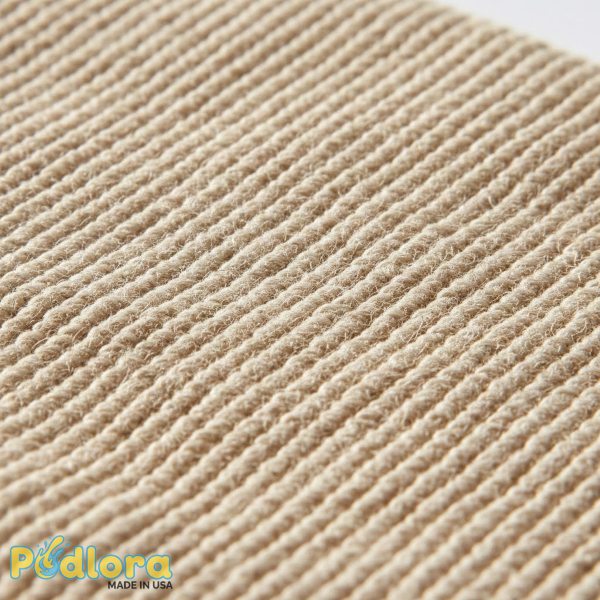
Cotton twill fabric represents one of the three fundamental weave structures in textile manufacturing, alongside plain weave and satin weave. The definition of twill centers on its unique construction method: the weft thread passes over one or more warp threads, then under two or more warp threads, with a distinctive “step” or offset between each row. This creates the signature diagonal weave pattern that defines what is twill fabric at its core.
According to Wikipedia’s comprehensive textile documentation, this ancient weaving technique dates back thousands of years, with archaeological evidence suggesting its use across Europe and Asia. The term itself derives from the Old English “twili,” meaning “two-threaded,” referencing the fundamental structure that creates its recognizable pattern.
What Material Is Twill?
Here’s where things get interesting: many people ask, “what is cotton twill?” The answer reveals something crucial—twill isn’t a material itself, but rather a weaving method. You can create twill weave fabric from various fibers including cotton, wool, silk, polyester, or blends. However, cotton twill material remains the most popular choice due to cotton’s natural breathability, softness, and excellent dye absorption properties.
The twill weave cotton construction combines the inherent qualities of cotton fiber with the structural advantages of the diagonal weave, resulting in a fabric that’s both comfortable and remarkably durable. This combination explains why cotton twill fabric has become the foundation for countless garments and textile applications worldwide.
The Diagonal Weave Structure Explained
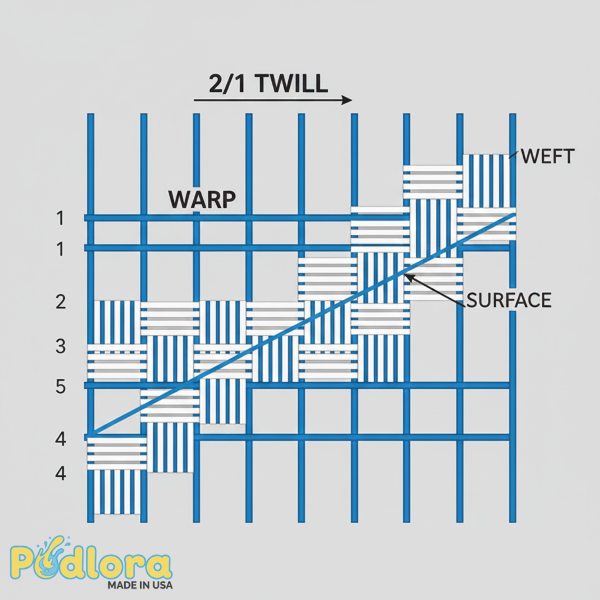
How the Twill Weave Creates Its Distinctive Pattern
The magic of cotton twill fabric lies in its construction. The twill weave definition describes a pattern where weft yarns float over multiple warp yarns in a progressive, offset manner. This interlacing creates what textile professionals call a “wale”—those distinctive diagonal lines or ribs visible on the fabric surface.
Think of it like climbing stairs: each row steps up (or down) one thread, creating that continuous diagonal line. The weave can be notated as a fraction, such as 2/1 or 3/1, where the numerator indicates threads crossed over and the denominator indicates threads passed under. A 2/1 twill means the weft goes over two warp threads and under one.
From our experience working with customers at Podlora, the most common question we hear is: “Why does the direction of the diagonal matter?” The answer lies in both aesthetics and functionality. The diagonal can run from lower-left to upper-right (called a Z-twill or right-hand twill) or from lower-right to upper-left (called an S-twill or left-hand twill). Denim, for instance, typically uses a right-hand twill structure.
Technical Face and Technical Back
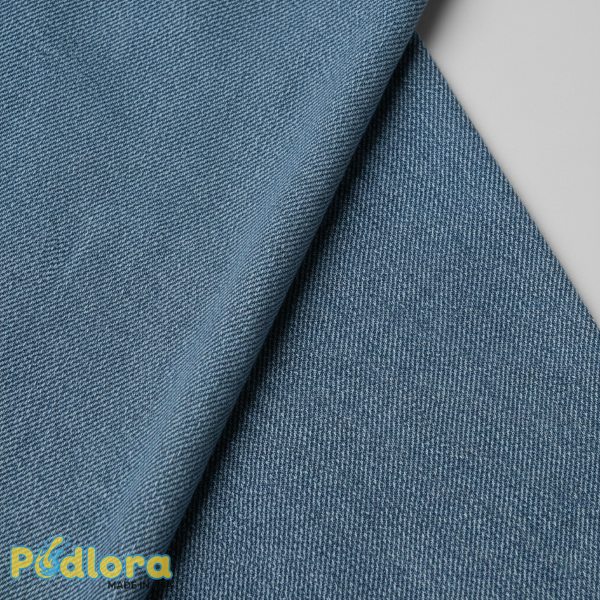
Unlike plain weave fabrics where both sides appear identical, cotton twill fabric features distinct front and back surfaces. The “technical face” displays the most pronounced wale pattern and typically shows more durability and visual appeal—this is the side you’ll see on the outside of your garments. The “technical back” shows the reverse pattern; if the technical face has warp floats, the back will show filling floats.
This characteristic becomes particularly noticeable in denim, where indigo-dyed warp threads create the familiar blue exterior while undyed weft threads produce the white interior. As explained in Canvas ETC’s comprehensive guide on twill weaves, this two-sided nature contributes to the fabric’s versatility in garment construction.
The Float System and Its Benefits
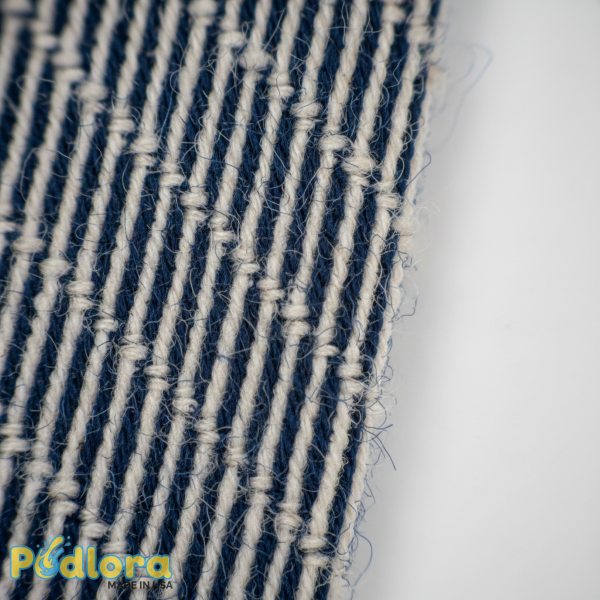
The “float” in textile terms refers to the portion of yarn that crosses over two or more perpendicular yarns without interlacing. In cotton twill fabric, these strategic floats create several important advantages:
Increased Flexibility: Fewer interlacing points allow yarns to move more freely, making the fabric softer and more pliable than plain weave textiles of similar weight.
Better Drape: The reduced interlacing gives cotton twill material excellent draping qualities, allowing it to hang naturally and conform to body contours—essential for clothing applications.
Higher Thread Counts: When yarns aren’t constantly interlacing, they can be packed more closely together. This higher density contributes significantly to the fabric’s strength and durability.
Natural Wrinkle Resistance: The structure allows the fabric to recover from creasing better than plain-weave textiles, maintaining a polished appearance with minimal care.
Strength and Durability: Why Cotton Twill Stands Strong
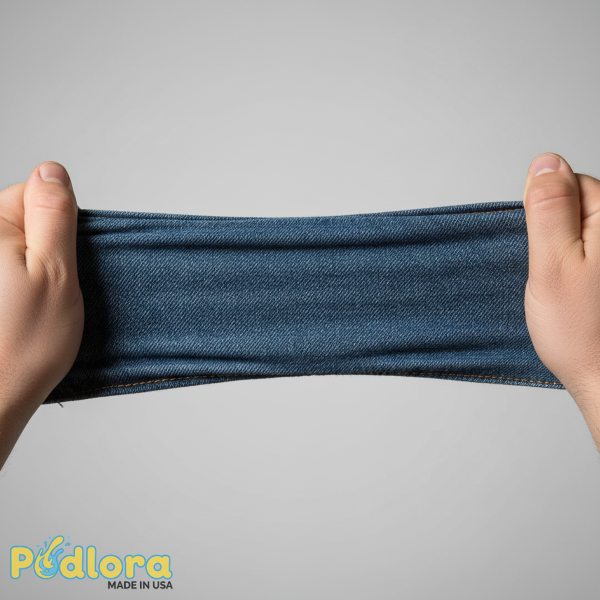
Structural Integrity Through Design
What does twill mean in practical terms for fabric strength? The diagonal pattern distributes stress across a wider area rather than concentrating it along straight lines. When you pull or tug on twill cloth, that force spreads across the crisscross pattern of diagonal lines, preventing any single thread from bearing the entire load.
Research cited by North Shore Crafts indicates that cotton twill fabric can withstand up to 50% more tension before breaking compared to plain weave cotton. This impressive strength differential makes cotton twill the preferred choice for workwear, outdoor clothing, and any application requiring exceptional durability.
Real-World Performance
In reality, most people overlook how weave structure affects longevity until they compare worn garments side by side. A plain weave cotton shirt might show wear along seams and stress points after a year of regular use, while a twill weave fabric garment maintains its integrity for several years under similar conditions.
The tight weaving process in cotton twill fabric creates a fabric highly resistant to:
- Tearing and Abrasion: The interlocked structure prevents small tears from propagating
- Deformation: The fabric maintains its shape even after repeated wear and washing
- Pilling: Quality twilled fabric resists the formation of those annoying fabric balls
- Color Fading: The dense weave protects embedded dye molecules from washing out
At Podlora, we’ve observed that customers who invest in quality cotton twill material for their projects consistently report satisfaction with the fabric’s performance over time. The initial higher cost per yard pays dividends in longevity and reduced replacement frequency.
Thread Count and Quality Factors
The thread count—the number of threads per square inch—significantly impacts cotton twill fabric strength. Higher thread counts create denser, more durable textiles. However, thread count alone doesn’t tell the complete story. The quality of cotton fibers used matters tremendously.
Extra-long staple (ELS) cotton, also known as Pima or Supima cotton, features longer, stronger fibers that produce finer threads with higher sheen and smoother texture. According to Weavers Fruit’s technical analysis, fabrics made from ELS cotton deliver luxurious feel, superior durability, and excellent resistance to pilling—qualities that distinguish premium cotton twill fabric from standard grades.
Types and Variations of Cotton Twill Fabric
Denim: The Iconic Twill
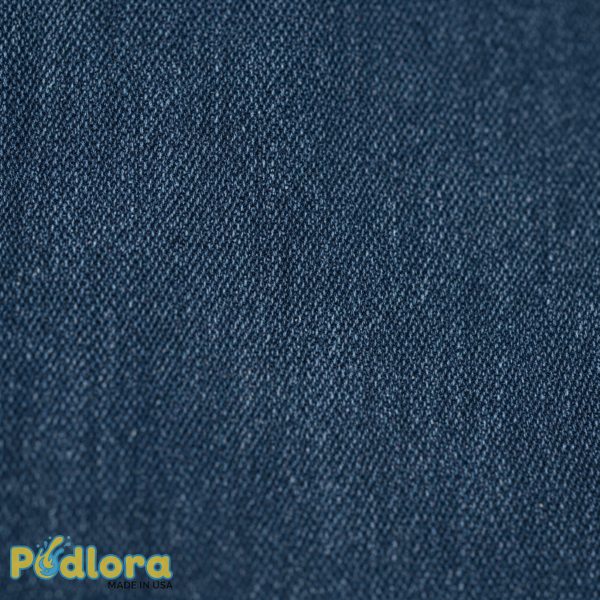
When discussing what is cotton twill, denim inevitably enters the conversation. This warp-faced cotton twill fabric uses indigo-dyed warp threads and undyed weft threads, creating that classic blue-on-outside, white-on-inside appearance synonymous with jeans. The typical 3/1 right-hand twill structure gives denim its characteristic diagonal pattern and exceptional durability.
Denim production represents one of the largest applications of twill weave cotton globally. Statistics show approximately 450 million pairs of jeans are manufactured annually in the United States alone, demonstrating the massive scale of cotton twill fabric usage in the apparel industry.
Chino: Lightweight Versatility
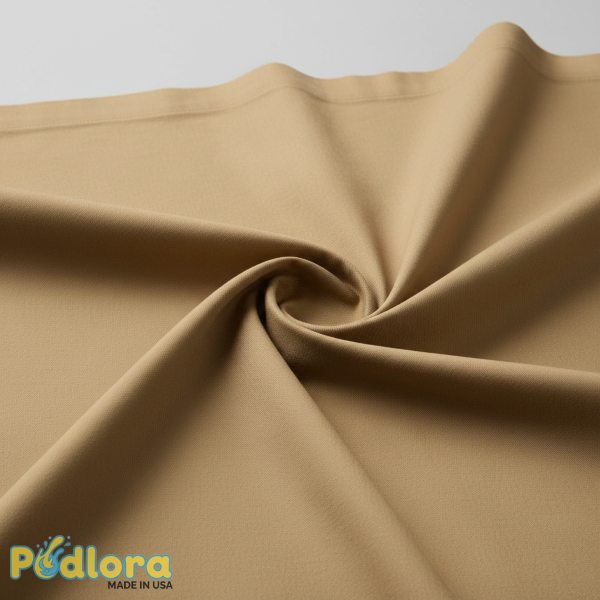
Chino represents a lighter-weight cotton twill material, typically piece-dyed to produce solid colors throughout the fabric—both face and back. This twill fabric definition encompasses softer, more refined textiles suitable for dress trousers and casual wear. The weight typically ranges from 7-9 ounces per square yard, compared to denim’s standard 10-14 ounces.
The smooth finish and elegant drape of chino make it ideal for trousers that bridge the gap between formal and casual wear. The fabric maintains the characteristic durability of cotton twill while offering a more refined aesthetic suitable for business-casual environments.
Herringbone: The Broken Twill
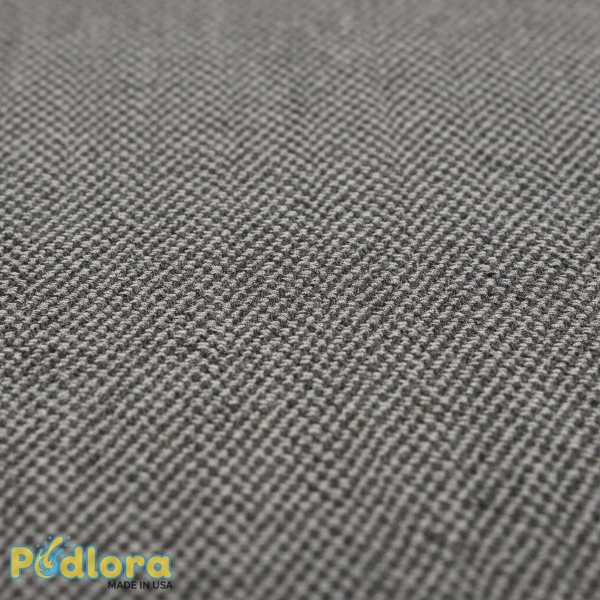
Herringbone represents a fascinating variation where the diagonal direction reverses at regular intervals, creating a distinctive V-shaped or broken-zigzag pattern resembling a fish skeleton. This twilled fabric variation adds visual interest while maintaining the structural benefits of the twill weave.
This pattern has found particular favor in high-end menswear, upholstery applications, and interior design where the sophisticated aesthetic complements the practical durability. The alternating diagonal creates a subtle texture that catches light differently than standard twill cloth, adding depth and dimension to the fabric surface.
Gabardine: Water-Resistant Sophistication
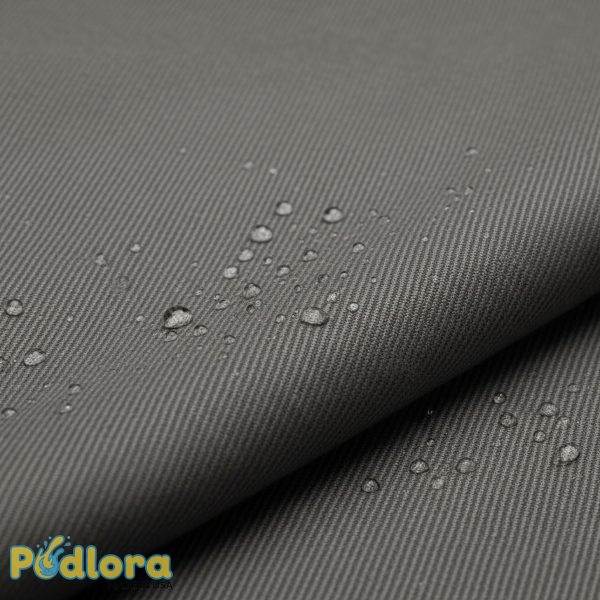
Thomas Burberry invented gabardine in 1879, creating a tightly woven, warp-faced twill with a prominent diagonal rib on the face and smooth back. Traditionally produced from wool with thread counts exceeding 200 per square inch, cotton gabardine offers similar benefits: exceptional durability, natural water resistance, and a refined appearance.
The tight weave structure of gabardine-style cotton twill fabric makes it particularly suitable for outerwear, raincoats, and garments requiring weather protection without sacrificing breathability or comfort.
Applications and Uses of Cotton Twill Fabric
Fashion and Apparel
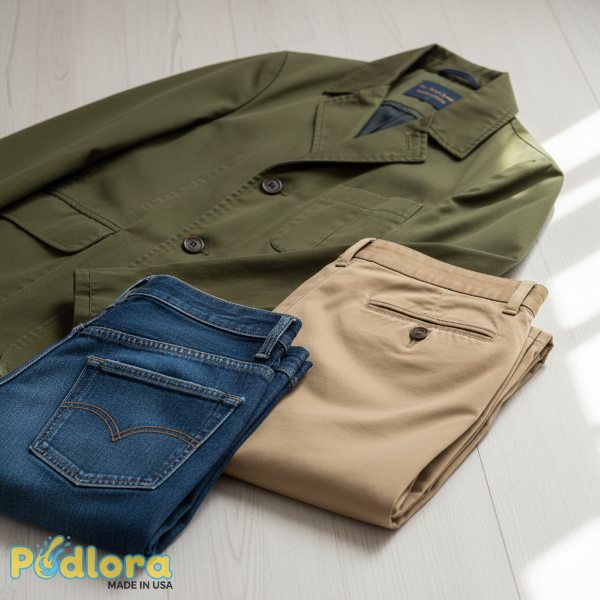
The versatility of what is twill cloth becomes evident when examining its applications across the fashion spectrum:
Pants and Trousers: From rugged workwear to sophisticated chinos, cotton twill fabric provides the structure and durability essential for bottom-weight garments. The fabric’s ability to hold its shape while moving comfortably makes it the gold standard for pants construction.
Jackets and Outerwear: The weight and wind resistance of cotton twill material make it excellent for lightweight to medium-weight jackets. The fabric’s natural breathability prevents the clammy feeling associated with synthetic shells, while its tight weave offers protection from light precipitation.
Shirts and Dresses: Lighter-weight twill weave fabric (6-8 oz) creates structured yet comfortable shirts and dresses. The subtle texture adds visual interest, while the wrinkle resistance maintains a polished appearance throughout the day.
Uniforms and Workwear: The exceptional durability and resistance to showing stains make cotton twill the preferred choice for work clothing across countless industries. From military uniforms to kitchen attire, the fabric withstands rigorous use and frequent laundering.
Home Textiles and Interior Applications
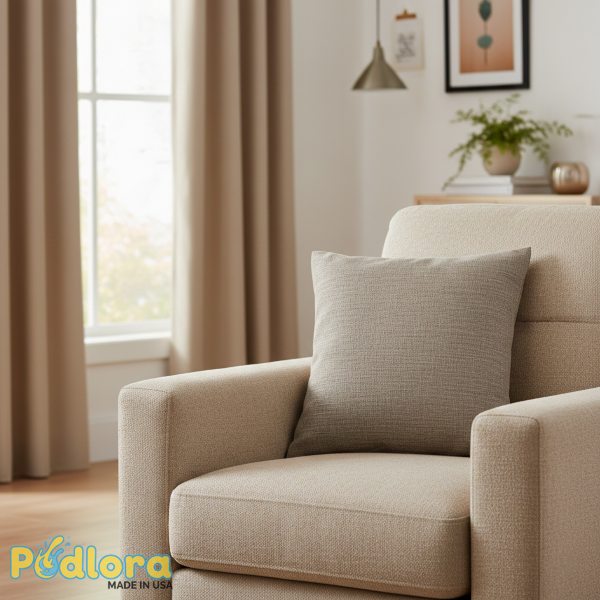
Beyond apparel, cotton twill fabric serves numerous residential and commercial applications:
Upholstery: The tight weave and durability make twill cloth excellent for furniture upholstery, particularly in high-traffic areas. According to industry data, approximately 15-20% of upholstery fabrics in furniture manufacturing utilize twill weaves, demonstrating the fabric’s reliability in demanding applications.
Curtains and Drapes: The fabric’s weight provides excellent coverage and light control, while its wrinkle resistance maintains a crisp appearance. The diagonal weave adds subtle texture that enhances interior aesthetics.
Cushions and Pillows: Cotton twill material’s soft texture combined with its durability makes it ideal for decorative and functional pillows that withstand daily use while maintaining their appearance.
Table Linens: The stain-hiding properties and easy-care nature of twill weave cotton make it practical for tablecloths and napkins in both home and commercial settings.
Industrial and Specialty Uses
The global market for industrial protective clothing, including cotton twill items, is projected to reach $22.5 billion by 2026, highlighting the fabric’s importance beyond consumer goods:
Protective Gear: Cotton twill fabric’s durability and breathability make it suitable for various protective clothing applications where comfort and strength both matter.
Bags and Accessories: The fabric’s ability to withstand heavy loads while maintaining shape makes it perfect for tote bags, backpacks, and luggage. The material holds its structure even when packed full, preventing that shapeless, saggy appearance common with lesser fabrics.
Book Binding and Art Applications: The fabric’s strength and ability to hold dye well make cotton twill an excellent choice for durable, attractive book covers. Artists favor it as a canvas material due to its tight weave and smooth surface.
Outdoor Equipment: Weather-resistant properties combined with durability make twill cloth suitable for tents, tarps, and other outdoor gear requiring both protection and longevity.
Comparing Cotton Twill to Other Fabrics
Cotton Twill vs. Plain Weave
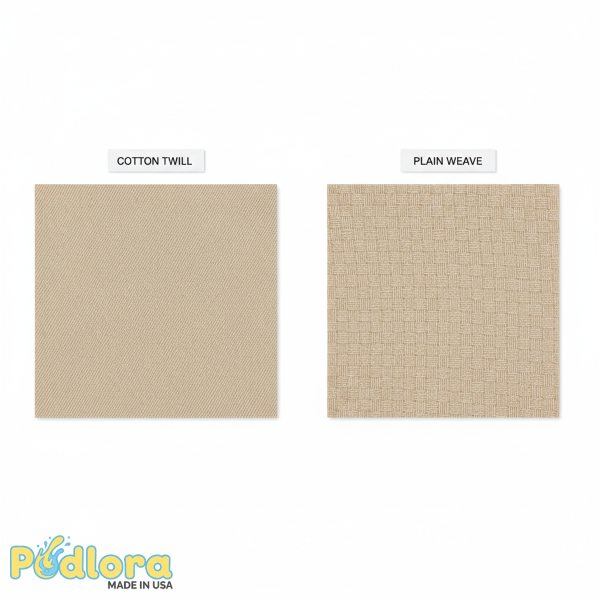
The fundamental difference lies in construction and resulting properties. Plain weave follows a simple over-one, under-one pattern, creating a balanced but relatively stiff fabric. Cotton twill fabric’s diagonal construction produces a softer, more pliable textile with better drape despite comparable weight.
While plain weave excels in applications requiring maximum breathability and simplicity, cotton twill material delivers superior durability, wrinkle resistance, and stain concealment. The choice depends on specific project requirements, but for garments and items subject to regular wear, cotton twill typically outperforms plain weave.
Cotton Twill vs. Canvas
Canvas represents heavy-duty plain weave fabric valued for rugged strength and stiffness. Cotton twill fabric offers comparable durability with significantly better drape and flexibility. As explained in Canvas ETC’s comparison guide, canvas maintains structure through brute strength, while twill combines strength with pliability.
For structured items like bags or tarps where stiffness provides benefit, canvas may be preferable. For apparel or applications requiring fabric that moves and drapes naturally, cotton twill material delivers better performance.
Cotton Twill vs. Satin Weave
Satin weave produces smooth, lustrous fabrics with excellent drape but lower durability. The long floats that create satin’s signature sheen also make it prone to snagging and wear. Cotton twill fabric balances durability with drape, offering a middle ground between satin’s elegance and plain weave’s sturdiness.
For formal wear or linings where appearance trumps durability, satin may be appropriate. For everyday garments and items requiring longevity, twill weave fabric provides superior practical performance.
Care and Maintenance of Cotton Twill Fabric
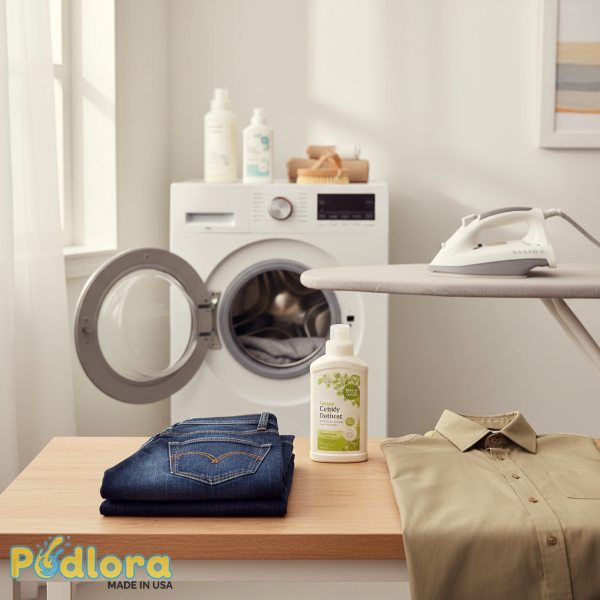
Washing Guidelines
Proper care extends the life of cotton twill material significantly. Most cotton twill fabrics tolerate machine washing, but specific practices optimize results:
Temperature Selection: Use cool to warm water (not hot) to prevent shrinkage and color fading. Hot water can cause cotton fibers to contract and dyes to bleed, particularly in dark-colored twills like denim.
Turning Garments Inside Out: Particularly important for denim and other dark twill cloth, turning garments inside out before washing protects the technical face from abrasion and helps preserve color intensity.
Gentle Detergents: Harsh chemicals can damage cotton fibers over time. Mild detergents clean effectively while preserving fabric integrity and color vibrancy.
Separate by Color: Wash similar colors together to prevent dye transfer, especially important during the first several washes of new cotton twill fabric items.
Drying and Ironing
Air Drying Preferred: When possible, air drying preserves fabric structure and prevents the slight shrinkage common with machine drying. Hang garments promptly to prevent wrinkles from setting.
Low to Medium Heat: If using a dryer, select low to medium heat settings and remove items promptly to minimize wrinkling and shrinkage.
Ironing Technique: Iron on the reverse side of cotton twill material to prevent flattening the wale or creating unwanted shine on the technical face. Use appropriate temperature settings based on cotton’s requirements—typically medium to high heat with steam.
Wrinkle Removal: Despite twill’s natural wrinkle resistance, stored garments may develop creases. Steam ironing or hanging in a steamy bathroom effectively removes most wrinkles without direct pressing.
Long-Term Storage
Proper storage prevents damage and maintains cotton twill fabric quality:
- Clean items before storage to prevent stains from setting
- Store in cool, dry locations away from direct sunlight to prevent fading
- Use breathable garment bags rather than plastic to prevent moisture buildup
- Fold or hang depending on weight—heavier twill cloth items may stretch if hung long-term
Environmental Considerations
Natural Fiber Benefits
Cotton twill fabric made from natural fibers offers environmental advantages over synthetic alternatives. The material is biodegradable, breaking down naturally at the end of its useful life rather than persisting as microplastic pollution. Cotton comes from a renewable resource, with new crops planted annually.
However, conventional cotton cultivation presents environmental challenges:
- High water consumption during growth
- Pesticide and fertilizer use affecting surrounding ecosystems
- Land use considerations
Sustainable Alternatives
Organic cotton addresses many conventional farming concerns through:
- Prohibition of synthetic pesticides and fertilizers
- Water management practices reducing consumption
- Soil health improvement through natural methods
- GOTS (Global Organic Textile Standard) certification ensuring environmental and social responsibility
Podlora prioritizes sourcing cotton twill material from certified sustainable sources, recognizing that fabric choice impacts not just project quality but broader environmental health. When customers ask about eco-friendly options, we guide them toward organic cotton twill fabric that meets their performance needs while minimizing environmental impact.
Synthetic Blend Considerations
Polyester-cotton twill blends offer certain practical advantages—reduced wrinkling, lower cost, easier care—but come with environmental trade-offs. Polyester derives from petroleum, a non-renewable resource. The material doesn’t biodegrade and can release microplastics during laundering.
For projects where performance absolutely requires synthetic content, choose blends with higher cotton percentages to balance practical needs with environmental responsibility.
Advantages and Disadvantages of Cotton Twill Fabric
Key Benefits
Exceptional Durability: The diagonal weave structure and tight thread count create fabric that resists tearing, abrasion, and deformation far better than many alternatives.
Superior Wrinkle Resistance: The fabric naturally resists creasing and recovers from wrinkles more readily than plain weave cotton.
Stain and Soil Concealment: The textured surface created by the diagonal pattern makes small spots and dirt less noticeable compared to smooth-surfaced fabrics.
Excellent Drape: The reduced interlacing points allow the fabric to hang naturally and conform to body contours, essential for flattering garments.
Versatile Weight Range: Available from lightweight shirting (6 oz) to heavyweight upholstery (14+ oz), cotton twill fabric serves diverse applications.
Comfortable Feel: Despite its strength, the material remains soft against skin and breathable for all-day comfort.
Dye Retention: The tight weave and cotton fiber structure hold colors well, maintaining vibrancy through repeated washing.
Potential Drawbacks
Heavier Weight: Compared to some plain weave fabrics of similar thread count, cotton twill material typically weighs more, which may be less suitable for very lightweight summer garments.
Higher Cost: The more complex weaving process and higher thread counts often result in premium pricing compared to basic plain weave fabrics.
Limited Stretch: Pure cotton twill fabric without elastane offers minimal stretch, which may restrict movement in form-fitting applications.
Potential Shrinkage: Like most cotton fabrics, improper washing can cause shrinkage, particularly in the first few washes.
Care Requirements: While generally easy to maintain, certain types like raw denim require specific care to preserve appearance and prevent excessive fading.
Selecting Quality Cotton Twill Fabric
Evaluating Fabric Quality
When sourcing cotton twill material for projects, several factors indicate quality:
Thread Count: Higher numbers generally indicate denser, more durable fabric, but counts above 200 per square inch should raise questions about accuracy claims.
Fiber Quality: Look for specifications mentioning extra-long staple cotton, Pima, or Supima for superior performance characteristics.
Weave Uniformity: Examine the fabric for consistent diagonal lines without irregularities, skipped threads, or tension variations.
Hand Feel: Quality twill cloth feels substantial yet soft, with no rough patches or harsh texture.
Color Consistency: Dye should appear even across the fabric surface without streaking or blotching.
Purchasing Cotton Twill Fabric
When buying twill fabric by the yard, understanding fabric measurements and pricing helps ensure you purchase the correct quantity for your project. Most fabric retailers sell cotton twill fabric by the yard with standard widths ranging from 44-45 inches for apparel-weight materials to 60 inches for heavier upholstery-grade fabrics.
Calculate your yardage needs carefully, accounting for:
- Pattern layout and fabric width
- Pattern repeat if using printed twill
- Directional nap from the diagonal weave
- Shrinkage allowance (typically 3-5% for cotton)
- Extra fabric for mistakes or future repairs
When purchasing twill fabric by the yard online, request swatches when possible to verify weight, color, and hand feel before committing to larger quantities. At Podlora, we’ve found that customers who examine samples before purchasing report significantly higher satisfaction with their final projects.
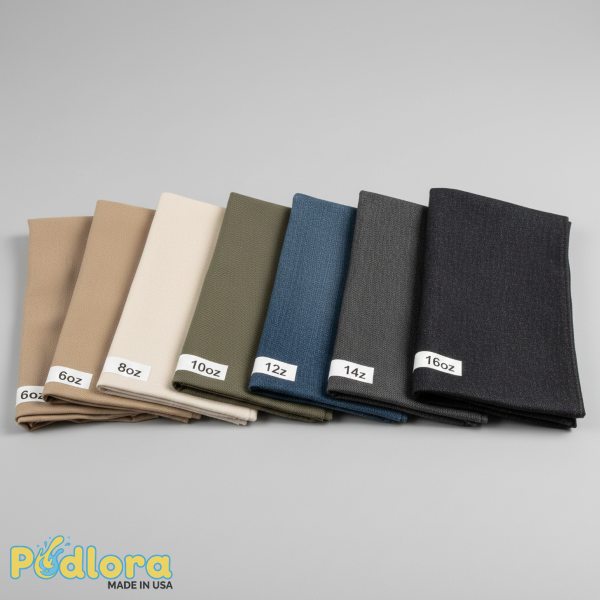
Weight Considerations
Cotton twill fabric weight, measured in ounces per square yard, determines appropriate applications:
- 4-6 oz: Lightweight shirting and dresses
- 7-9 oz: Chinos, light jackets, structured garments
- 10-12 oz: Standard denim, workwear, bags
- 13-16 oz: Heavy-duty workwear, upholstery, rugged bags
- 16+ oz: Industrial applications, heavy upholstery
Matching weight to intended use ensures optimal performance. From our experience working with diverse customer projects at Podlora, selecting appropriate weight makes the difference between a successful project and a disappointing outcome.
Working With Cotton Twill Fabric
Cutting and Preparation
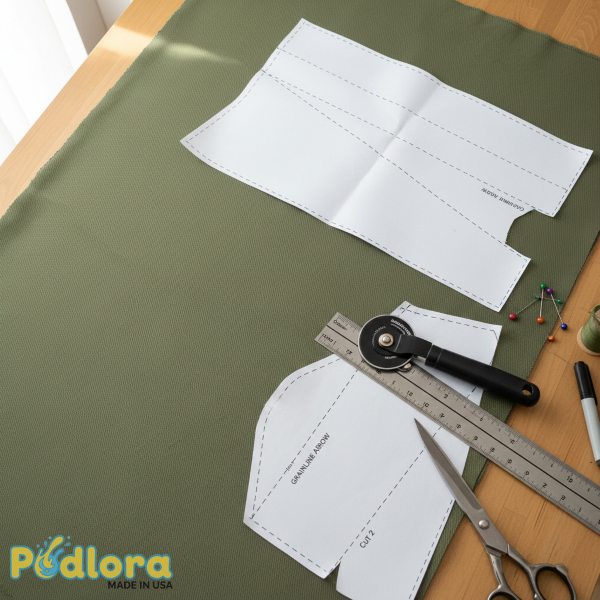
Cotton twill material generally cuts cleanly without excessive fraying, but proper technique ensures best results:
Prewash: Always prewash fabric before cutting to account for shrinkage and remove any finishing chemicals or sizing.
Grain Alignment: Lay fabric flat and align the grain carefully before cutting. The diagonal weave makes grain distortion more noticeable in finished projects.
Sharp Tools: Use sharp scissors or rotary cutters designed for woven fabrics. Dull blades can cause fraying and inaccurate cuts.
Pattern Layout: Consider the diagonal pattern direction when laying out pattern pieces, particularly for projects where visual consistency matters.
Sewing Techniques
Cotton twill fabric generally sews easily, but specific practices optimize results:
Needle Selection: Use universal or denim needles depending on fabric weight. Heavier twill cloth (10+ oz) requires size 100/16 or 110/18 needles to prevent breakage.
Thread Choice: Polyester or cotton-wrapped polyester thread provides strength appropriate for the durable fabric while preventing breakage during sewing.
Stitch Length: Increase stitch length to 3.0mm for heavy cotton twill fabric to prevent puckering and needle stress. Standard 2.5mm works well for lighter weights.
Seam Finishing: The fabric’s minimal fraying allows for various seam finishes. Flat-felled seams work particularly well for denim and workwear, while serged seams suffice for lighter-weight applications.
Pressing: Press seams as you sew for professional-looking results. The fabric’s wrinkle resistance means properly pressed seams stay crisp through the project.
Frequently Asked Questions
What are the disadvantages of cotton twill?
The primary disadvantages of cotton twill fabric include its heavier weight compared to some plain weave alternatives, higher cost due to more complex weaving processes, and limited stretch without elastane content. The fabric may also require specific care instructions, particularly for items like raw denim that need special handling to preserve appearance. Additionally, improper washing can lead to shrinkage, especially in the first few launderings. For very lightweight summer garments, the weight and density that make twill durable may feel less comfortable than looser plain weaves.
Is twill weave strong?
Yes, twill weave is exceptionally strong—significantly stronger than plain weave fabrics of comparable weight. The diagonal weave structure distributes stress across a wider area rather than concentrating it along straight lines, preventing any single thread from bearing the entire load. Research indicates that cotton twill fabric can withstand up to 50% more tension before breaking compared to plain weave cotton. The interlocking diagonal pattern creates a fabric highly resistant to tearing, abrasion, and deformation. This structural integrity, combined with the ability to achieve higher thread counts, makes twill weave one of the most durable fabric constructions available for apparel and industrial applications.
What is the structure of twill weave fabric?
The structure of twill weave fabric consists of a diagonal pattern created when the weft thread passes over one or more warp threads, then under two or more warp threads, with a consistent offset or “step” between each row. This interlacing method produces the characteristic diagonal ribs called “wales” visible on the fabric surface. The weave is often notated as a fraction such as 2/1 or 3/1, where the numerator indicates how many threads the weft crosses over and the denominator indicates how many it passes under. This construction requires a minimum of three harnesses on a loom and creates longer “floats” (portions of yarn passing over multiple perpendicular yarns) than plain weave, resulting in fabric that’s softer, more pliable, and better draping while maintaining exceptional strength.
Which weave forms a diagonal line and a strong durable fabric?
Twill weave forms the distinctive diagonal line pattern and creates strong, durable fabric. This fundamental weaving technique produces fabrics characterized by parallel diagonal ribs running across the textile surface at approximately 45-degree angles, though the angle can range from 15 to 75 degrees depending on the specific weave ratio. The diagonal pattern results from the offset interlacing of warp and weft threads, where each successive row steps up or down by one thread position. This structure makes twill one of the three basic weave types alongside plain and satin weaves, distinguished specifically by its diagonal pattern and superior durability compared to plain weave fabrics of similar weight and thread count.
What does twill mean in fabric terms?
In fabric terms, twill refers to a fundamental weaving technique that creates a distinctive diagonal pattern on the textile surface. The term derives from the Old English “twili,” meaning “two-threaded,” referencing the basic construction method. Twill describes the weave structure itself rather than a specific fiber type—any fiber can be woven in twill pattern. The defining characteristic is how threads interlace: the weft passes over one or more warp threads, then under two or more, with a consistent offset between rows creating those recognizable diagonal ribs called wales. This weaving method produces fabrics with enhanced durability, better drape, and superior wrinkle resistance compared to simpler plain weave constructions.
Can cotton twill fabric be used for upholstery?
Absolutely. Cotton twill fabric makes excellent upholstery material, particularly for residential furniture and moderate-traffic commercial applications. The tight weave and high thread count provide the durability necessary to withstand regular use, while the diagonal pattern helps conceal minor wear and soil. Industry statistics show that 15-20% of furniture upholstery utilizes twill weaves, demonstrating widespread professional adoption. For upholstery purposes, choose heavier weights (12-16 oz per square yard) to ensure adequate body and longevity. The fabric’s natural breathability prevents the clammy feeling associated with synthetic upholstery, while its structure maintains shape and appearance over time. At Podlora, we’ve seen customers successfully use cotton twill material for chairs, ottomans, cushions, and even light sofa applications with excellent long-term results.
Is cotton twill suitable for summer clothing?
Cotton twill fabric can be suitable for summer clothing, but weight selection is crucial. Lighter-weight twills (6-8 oz per square yard) provide adequate breathability for warm weather while offering more structure than comparable plain weave fabrics. The natural cotton fiber wicks moisture and allows air circulation, preventing that stuffy feeling associated with synthetic materials. However, heavier twill cloth (10+ oz) may feel too warm for peak summer conditions in hot climates. The fabric’s breathability depends largely on weight and density—lighter, looser twills work well for summer shirts and lightweight pants, while denser constructions better suit transitional or cooler weather. Consider the specific climate and intended use when selecting cotton twill material for summer garments.
How is cotton twill fabric different from denim?
Cotton twill fabric is the broader category, while denim is a specific type of cotton twill. All denim is twill, but not all twill is denim. The key difference lies in the dyeing process: denim uses indigo-dyed warp threads combined with undyed white weft threads, creating the characteristic blue exterior and white interior. Standard cotton twill material can be piece-dyed (dyed after weaving) in any color, resulting in uniform color throughout. Denim typically employs a 3/1 right-hand twill weave and ranges from 10-16 oz weight, while cotton twill fabric encompasses a wider range of weights, patterns (including herringbone and other variations), and finishing treatments. Essentially, denim represents a specialized subset within the larger cotton twill family.
Summary Table: Key Points About Cotton Twill Fabric
| Aspect | Key Information |
|---|---|
| Definition | A fundamental weave structure creating diagonal parallel ribs through offset interlacing of warp and weft threads |
| Structure | Weft passes over 1+ warp threads, under 2+ warp threads, with consistent offset creating diagonal pattern |
| Strength | Up to 50% stronger than plain weave cotton; exceptional tear and abrasion resistance |
| Durability | High thread counts and diagonal stress distribution create long-lasting fabric |
| Drape | Excellent drape due to fewer interlacing points allowing yarn movement |
| Wrinkle Resistance | Natural resistance to creasing with good recovery properties |
| Typical Weights | 4-6 oz (shirting) to 16+ oz (industrial), with 10-12 oz most common for apparel |
| Common Types | Denim, chino, herringbone, gabardine, drill |
| Primary Applications | Jeans, trousers, jackets, workwear, upholstery, bags, uniforms |
| Care Requirements | Machine washable (cool/warm water); iron on reverse; may shrink if washed improperly |
| Advantages | Durability, wrinkle resistance, stain concealment, versatility, comfortable feel |
| Disadvantages | Heavier weight, higher cost, limited stretch without elastane |
| Environmental Impact | Biodegradable natural fiber; organic options available; water-intensive conventional cultivation |
| Fiber Options | 100% cotton, cotton-polyester blends, cotton-elastane for stretch |
Conclusion
Cotton twill fabric stands as a testament to how fundamental weaving techniques create exceptional textile performance. The diagonal weave structure that defines what is twill fabric delivers a remarkable combination of strength, durability, comfort, and aesthetic appeal that few other fabrics can match. From the earliest examples discovered in archaeological sites to today’s advanced manufacturing processes, this versatile material has proven its value across countless applications.
Understanding cotton twill material—from its structural mechanics to its practical applications—empowers makers, designers, and consumers to make informed decisions about fabric selection. Whether you’re sourcing twill weave fabric for a fashion collection, selecting upholstery material for furniture, or simply appreciating the quality of a well-made garment, the knowledge of what makes twill cloth exceptional deepens that appreciation.
At Podlora, we’ve built our reputation on providing quality cotton twill fabric that meets the exacting standards of professionals and enthusiasts alike. The diagonal weave pattern that characterizes this remarkable textile represents more than just an aesthetic choice—it’s a functional design that has stood the test of time precisely because it delivers superior performance where it matters most.
The next time you slip into your favorite pair of jeans or admire the structured elegance of a twill jacket, you’ll recognize the sophisticated engineering behind that simple diagonal pattern—a design that transforms ordinary cotton fibers into extraordinary fabric through the timeless art of twill weaving.

Hi, I’m Emma Sullivan — a Texas-based writer who specializes in product design, e-commerce, and customer experience. With over five years of writing experience, I love turning complex information into clear, helpful content that makes online shopping easier for everyone. Having spent years working in the U.S. print-on-demand and merchandising space, I focus on creating articles that are honest, engaging, and genuinely useful.