Cotton vs Polyester Which Fabric is Best for T-Shirts
When shopping for the perfect t-shirt, the fabric choice makes all the difference between comfort and disappointment. The debate between cotton vs polyester continues to dominate discussions among clothing enthusiasts, manufacturers, and conscious consumers alike. Understanding the characteristics, benefits, and drawbacks of each material empowers you to make informed decisions that align with your lifestyle, values, and comfort needs.
At PODLORA, we’ve spent years working with various textile materials, and we understand that choosing between cotton and polyester isn’t always straightforward. Each fabric brings unique properties to the table, and the “best” choice depends entirely on your specific requirements, activities, and preferences.
Understanding the Fundamentals: What Makes Cotton and Polyester Different
Before diving into comparisons, it’s essential to understand what distinguishes these two popular t-shirt fabrics at their core.
The Natural Appeal of Cotton
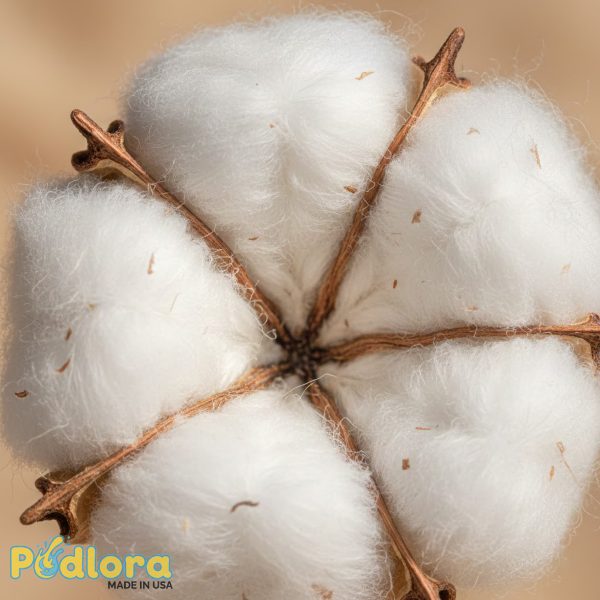
Cotton is a natural fiber harvested from the fluffy seedpod of the cotton plant. This vegetable fiber has been used in textile production for thousands of years, dating back to prehistoric times. The fiber is spun into yarn or thread to create the soft, breathable fabric that has become synonymous with comfort.
What makes cotton special is its natural structure. The fibers contain microscopic gaps that allow exceptional air circulation, and cotton can absorb up to 27 times its weight in water. This impressive moisture absorption keeps sweat away from the skin, contributing to the superior breathability that makes cotton ideal for warm weather.
The quality of cotton varies significantly based on the staple length (fiber length). Extra-long-staple cotton produces the softest, most durable fabrics, while short-staple varieties found in fast fashion tend to lose shape and break down more quickly.
The Synthetic Strength of Polyester
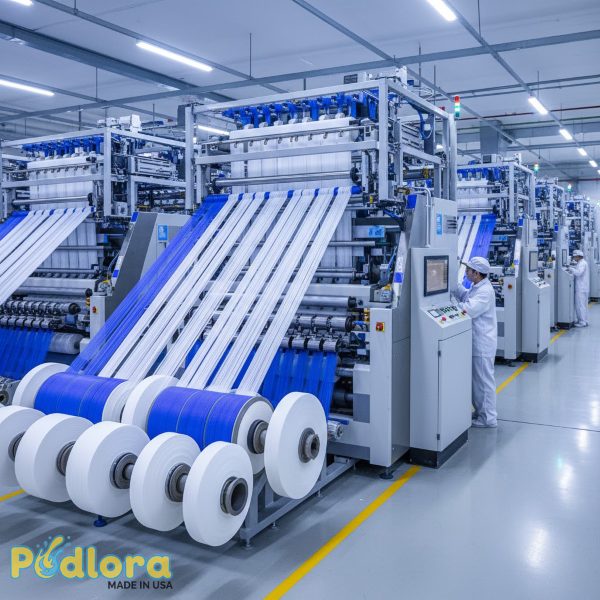
Polyester represents a completely different approach to fabric creation. This synthetic fiber is manufactured from petroleum-based chemicals through a process called polymerization, where ethylene glycol and terephthalic acid combine to create polyethylene terephthalate (PET) polymer.
Invented in 1941 by British chemists John Rex Whinfield and James Tennant Dickson, polyester didn’t gain widespread popularity until the 1970s when it emerged as a cost-effective alternative for clothing. Today, polyester constitutes approximately 52% of global fiber production, accounting for roughly half of the overall fiber market.
The synthetic nature of polyester gives it unique properties. The fibers are hydrophobic, meaning they repel water rather than absorbing it. This characteristic enables excellent moisture-wicking capabilities, pulling sweat away from the body where it can evaporate quickly. The material maintains its shape exceptionally well, resisting shrinkage and stretching even through countless wash cycles.
Comparing Cotton vs Polyester: The Key Performance Factors
Breathability and Temperature Regulation
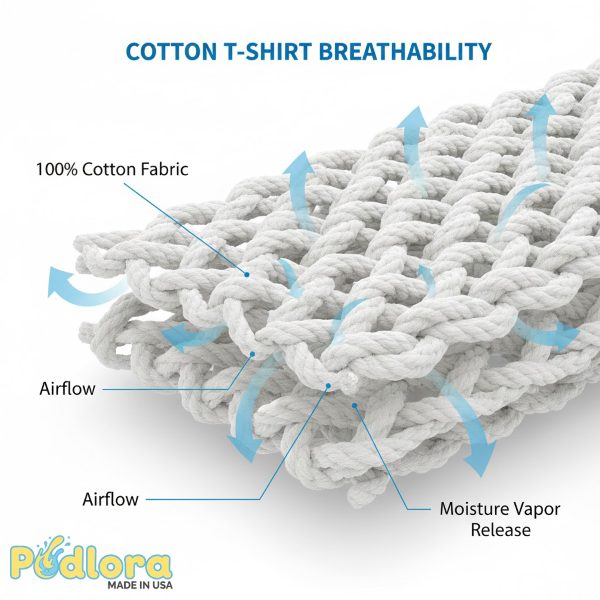
When evaluating the best fabric for t-shirts, breathability often tops the priority list. This is where cotton vs polyester shows the most dramatic difference.
Cotton excels in breathability due to its natural fiber structure. Research on fabric breathability demonstrates that cotton’s porosity and air permeability allow moisture vapor to flow easily through the fabric. The natural fibers facilitate air circulation, keeping you cool even on scorching days. Cotton doesn’t trap heat against your body, making it the superior choice for hot weather and everyday wear.
Polyester, being a synthetic material, tends to trap heat and moisture against the skin. While it wicks moisture away effectively during intense activity, it doesn’t allow the same level of air circulation as cotton. This can lead to that clingy, uncomfortable feeling when you’re wearing polyester t-shirts in warm conditions or during extended periods of wear.
Moisture Management and Comfort
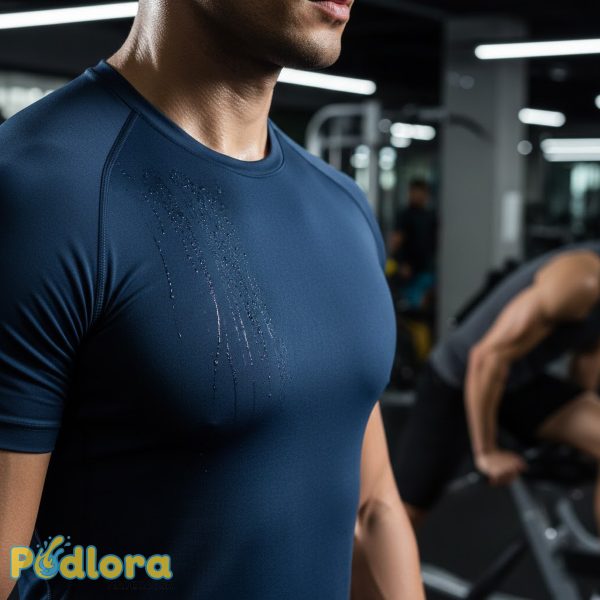
The way fabrics handle moisture significantly impacts comfort, particularly during physical activity or in humid conditions.
Cotton t-shirts absorb moisture readily, pulling sweat away from your skin into the fabric where it can evaporate. This natural moisture absorption helps regulate body temperature and prevents that clammy feeling. However, during intense exercise, cotton can become saturated and feel heavy and damp against the skin.
Polyester takes a different approach to moisture management. As a hydrophobic material, it doesn’t absorb water but instead wicks it away from the body to the fabric’s surface where it evaporates quickly. This makes polyester t-shirts popular for athletic wear and situations involving heavy sweating. The quick-drying properties mean less time feeling damp after workouts.
Softness and Skin-Friendliness
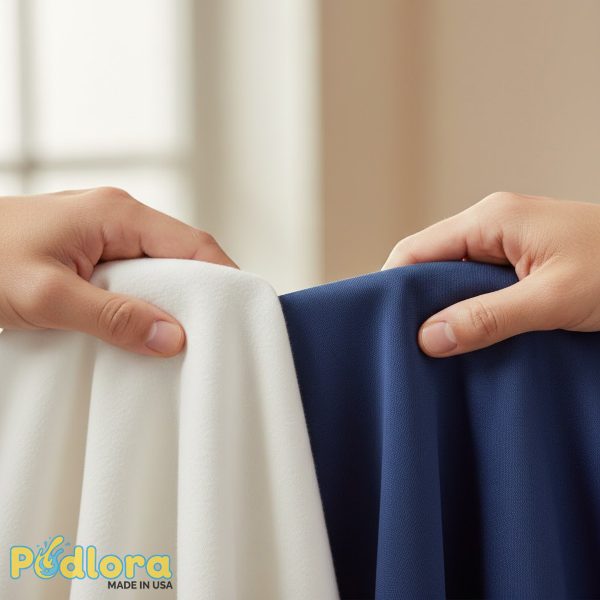
When considering cotton vs polyester for everyday comfort, fabric texture plays a crucial role.
Cotton offers unmatched softness, especially high-quality varieties like combed and ringspun cotton. The natural fibers feel gentle against the skin, making cotton t-shirts ideal for sensitive skin and all-day wear. Cotton is naturally hypoallergenic and doesn’t contain the synthetic chemicals found in polyester, reducing the risk of skin irritation, rashes, or allergic reactions.
Polyester has a slightly rougher, more plastic-like texture compared to cotton. While modern manufacturing techniques have improved polyester’s feel, it still may not be suitable for people with sensitive skin. The synthetic nature of the material can cause irritation for some individuals, and the lack of breathability may contribute to skin issues like acne or clogged pores.
Durability and Longevity
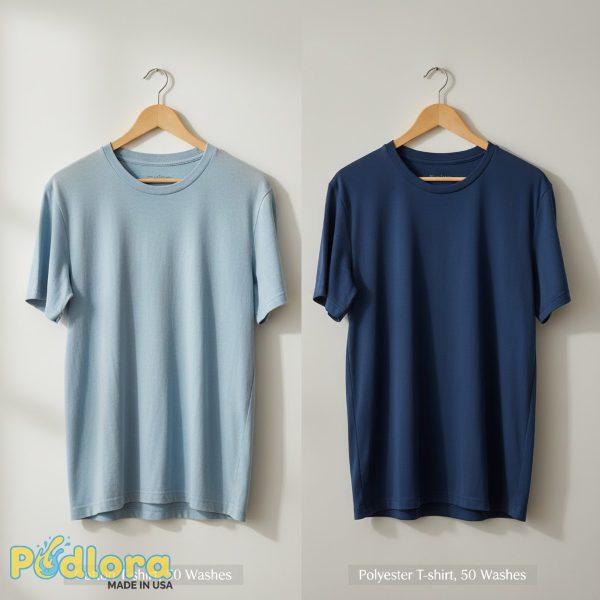
The best fabric for t-shirts must also stand the test of time and repeated washing.
Polyester wins in raw durability. The synthetic fibers are incredibly strong and resist tears and abrasions better than natural fibers. According to textile experts, 100% polyester always keeps its shape with almost zero shrinking or stretching, regardless of wash and dry cycles. Polyester t-shirts maintain their appearance and structure through years of wear.
Cotton, while durable, shows more wear over time compared to polyester. Natural cotton fibers can thin and weaken with repeated washing, and cotton t-shirts are more prone to shrinking, especially when exposed to heat. However, high-quality extra-long-staple cotton can remain soft and durable enough to retain its shape over an extended period. Cotton typically requires more care to maintain its original appearance.
Wrinkle Resistance and Care Requirements
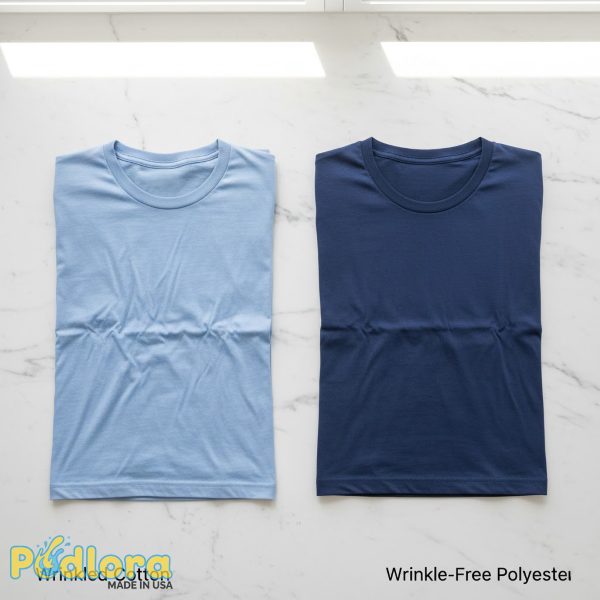
The practical aspects of garment care influence many purchasing decisions when comparing cotton vs polyester.
Polyester t-shirts are exceptionally low-maintenance. The fabric naturally resists wrinkles, can be washed at low temperatures, and dries quickly. You can pull a polyester shirt from the dryer and wear it immediately without ironing. This easy-care quality makes polyester ideal for travel and busy lifestyles.
Cotton has a notorious reputation for wrinkling. Cotton t-shirts often need ironing to maintain a crisp, polished appearance, especially dress-style tees. While many modern cotton garments are treated with non-iron finishes, traditional cotton requires more attention to washing instructions and care. Cotton also takes longer to dry than polyester, requiring more energy during the laundry process.
Environmental Considerations: Sustainability in Fabric Choices
For environmentally conscious consumers, the eco-footprint of cotton vs polyester presents complex considerations.
The Cotton Environmental Profile

Cotton is a natural, renewable resource, which seems inherently more sustainable than petroleum-based synthetics. However, the reality is more nuanced. Cotton producers use more pesticides than producers of any other commodity, contributing significantly to environmental pollution. Conventional cotton farming is water-intensive and can strain local water resources.
Organic cotton offers a more eco-friendly alternative, grown without synthetic pesticides or fertilizers while maintaining cotton’s natural breathability and comfort. The natural biodegradability of cotton means it breaks down relatively quickly at end-of-life, unlike synthetic materials that persist for centuries.
The Polyester Environmental Challenge
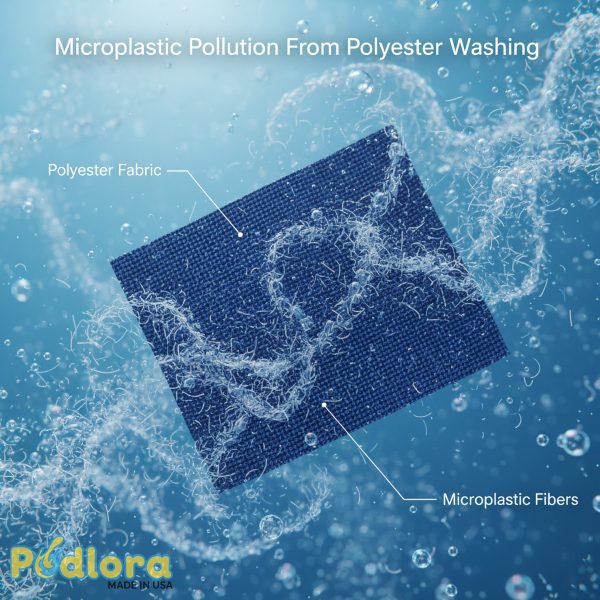
Polyester’s environmental impact is substantial and multifaceted. According to environmental research, polyester production in 2022 required 70 million barrels of oil. The manufacturing process is energy-intensive, typically requiring temperatures of 280°C to 300°C, with energy often sourced from burning fossil fuels.
One of the most concerning aspects of polyester is microplastic pollution. Every time polyester clothing is washed, it sheds tiny plastic fibers called microfibers. Research shows that washing one polyester shirt every two weeks releases approximately 52,000 microplastic fibers annually, with a single laundry load potentially discharging up to 700,000 microplastic fibers. These microplastics eventually make their way into oceans, where they’re consumed by marine life and enter the food chain.
Polyester is not biodegradable and can persist in landfills for over 200 years. While recycled polyester offers some improvement (reducing CO2 emissions by 75% compared to virgin polyester), most recycled polyester currently comes from PET bottles rather than old garments, and less than 1% of collected textile waste is recycled into new clothing.
Real-World Applications: When to Choose Cotton vs Polyester
Understanding when each fabric excels helps you make the right choice for specific situations.
Best Uses for Cotton T-Shirts

Cotton t-shirts shine in everyday wear scenarios. They’re perfect for:
- Casual daily wear and lounging
- Warm weather and summer clothing
- Sleeping and sleepwear
- Individuals with sensitive or allergy-prone skin
- Situations requiring maximum comfort and breathability
- When you prioritize natural, sustainable materials
- Custom printing and graphic tees (ink adheres better to cotton)
At PODLORA, we’ve found that customers consistently prefer cotton t-shirts for general wardrobe staples and comfortable basics that will be worn regularly in non-athletic contexts.
Best Uses for Polyester T-Shirts

Polyester t-shirts excel in performance and specific practical applications:
- Athletic wear and sports activities
- Workouts and gym sessions
- Outdoor activities involving intense sweating
- Work uniforms requiring frequent washing
- Travel clothing needing quick-dry properties
- Situations where wrinkle-free appearance is crucial
- When extreme durability is the priority
The Blended Solution: Getting the Best of Both Worlds
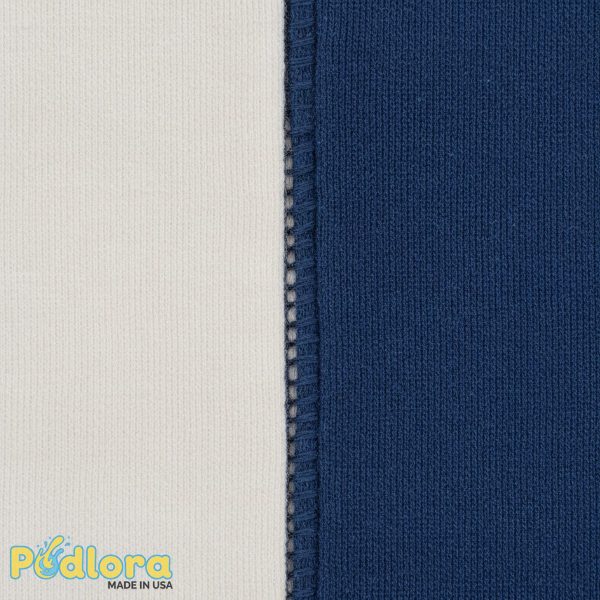
For many applications, cotton-polyester blends offer an optimal middle ground. These blends combine cotton’s softness and breathability with polyester’s durability and easy-care properties.
Common blend ratios include:
- 50/50 Cotton-Poly Blend: Equal parts cotton and polyester, balancing comfort and performance
- CVC (Chief Value Cotton): Typically 60% cotton and 40% polyester, emphasizing cotton’s comfort while adding polyester’s strength
- Tri-Blend: Usually 50% polyester, 25% cotton, and 25% rayon, offering silk-like softness with durability
According to textile manufacturers, blended t-shirts tend to shrink less, wrinkle less, and are more durable and stain-resistant than pure cotton while maintaining more breathability than 100% polyester.
Making Your Decision: How to Choose Between Cotton and Polyester T-Shirts
Selecting the best fabric for t-shirts requires honest assessment of your priorities and intended use.
Consider Your Primary Use Case
Ask yourself: What will I mainly use this t-shirt for? If you need everyday comfort for casual wear, cotton wins. If you’re buying athletic gear for regular workouts, polyester makes more sense. For work uniforms worn and washed multiple times weekly, polyester’s durability and easy care properties justify the trade-off in breathability.
Evaluate Your Climate and Activity Level
Your environment matters significantly when choosing between cotton vs polyester. In hot, humid climates, cotton’s breathability becomes invaluable for all-day comfort. In temperate climates or air-conditioned environments, polyester’s characteristics may be perfectly acceptable. For high-intensity activities, polyester’s moisture-wicking properties prevent the heavy, saturated feeling that cotton develops during intense sweating.
Assess Your Skin Sensitivity
If you have sensitive skin or allergies, cotton t-shirts are generally the safer choice. The natural, hypoallergenic properties of cotton reduce the risk of irritation. Those without skin sensitivities may find polyester perfectly comfortable for their needs.
Factor in Your Values
For eco-conscious consumers, choosing between cotton vs polyester involves weighing different environmental concerns. Organic cotton offers natural biodegradability and renewable sourcing but requires significant water resources. Recycled polyester reduces oil dependency but still contributes to microplastic pollution. Consider which environmental issues matter most to your values.
Budget Considerations
While pricing varies by brand and quality, polyester generally offers more consistent pricing due to its synthetic nature, while cotton prices can fluctuate based on crop yields and market conditions. High-quality cotton may cost more upfront but can be a better long-term investment due to superior comfort for daily wear.
Common Questions About T-Shirt Fabrics
Which is better, cotton or polyester?
Neither fabric is universally “better”—the right choice depends on your specific needs. Cotton is better for everyday comfort, breathability, and skin-friendliness, making it ideal for casual wear and warm weather. Polyester is better for athletic performance, durability, and low-maintenance care, making it suitable for activewear and work uniforms. For all-around versatility, cotton-polyester blends offer balanced performance.
What are the negatives of polyester?
Polyester has several significant drawbacks. It’s less breathable than cotton, tends to trap heat and stick to wet skin, and may irritate sensitive skin due to its rougher texture. From an environmental perspective, polyester is made from non-renewable petroleum, requires substantial energy to produce, and contributes to microplastic pollution through fiber shedding during washing. Polyester is not biodegradable and persists in landfills for over 200 years. Additionally, polyester can retain odors more readily than natural fibers.
Is 100% polyester cooler than cotton?
No, 100% polyester is not cooler than cotton. Scientific research on fabric breathability confirms that cotton is more breathable than polyester because it allows moisture vapor to flow more easily through the fabric. Cotton’s natural fiber structure facilitates superior air circulation, helping regulate body temperature and keeping you cooler in warm weather. While polyester wicks moisture away quickly, it doesn’t provide the same cooling air circulation, often leaving wearers feeling warmer and less comfortable in hot conditions.
Is cotton or polyester healthier?
Cotton is generally healthier for most people, particularly those with sensitive skin. Cotton is a natural, hypoallergenic material that doesn’t contain synthetic chemicals, reducing the risk of skin irritation, allergic reactions, or rashes. Cotton’s breathability allows skin to breathe properly, preventing issues like clogged pores and reducing acne risk. Polyester’s synthetic nature and reduced breathability can contribute to skin problems for some individuals. Additionally, polyester’s production involves chemicals like antimony trioxide, which is suspected of causing cancer if inhaled, though this primarily affects factory workers rather than end consumers.
Do cotton and polyester t-shirts shrink the same way?
No, they shrink very differently. Cotton t-shirts are prone to shrinkage, especially when exposed to heat during washing and drying. This natural tendency means cotton garments often require careful attention to washing instructions to maintain their size. Polyester has minimal to no shrinkage regardless of washing conditions, maintaining its original dimensions even through extreme wash and dry cycles. This predictability makes polyester easier to care for but means any sizing issues will persist throughout the garment’s life.
Can you workout in cotton t-shirts?
While you can technically work out in cotton t-shirts, they’re not ideal for intense exercise. Cotton absorbs sweat rather than wicking it away, which causes the fabric to become heavy, damp, and clingy during prolonged workouts. This can lead to discomfort and potential chafing. For light activities or casual exercise, cotton remains comfortable due to its softness and breathability. For serious workouts, high-intensity training, or extended cardio sessions, moisture-wicking fabrics like polyester or performance blends keep you drier and more comfortable.
How do I care for cotton vs polyester t-shirts?
Cotton t-shirts require more careful handling. Wash them in cold or warm water to minimize shrinkage, tumble dry on low heat or air dry, and iron if needed to remove wrinkles. Check care labels for specific instructions, as some cotton garments may be pre-shrunk or specially treated. Polyester t-shirts are much lower maintenance: machine wash in any temperature, tumble dry without worry about shrinkage, and typically wear them straight from the dryer without ironing. However, avoid high heat when ironing polyester as it can melt or scorch.
Are cotton-polyester blends better than pure fabrics?
Cotton-polyester blends offer advantages for many people by combining the strengths of both materials. Blends provide cotton’s softness and breathability along with polyester’s durability and wrinkle resistance. They shrink less than pure cotton and feel more comfortable than pure polyester. However, “better” depends on priorities—purists seeking maximum breathability and natural materials prefer 100% cotton, while those prioritizing performance and quick-drying prefer 100% polyester. Blends represent a practical compromise suitable for versatile, all-purpose t-shirts.
The PODLORA Perspective: Quality Matters More Than Material Alone
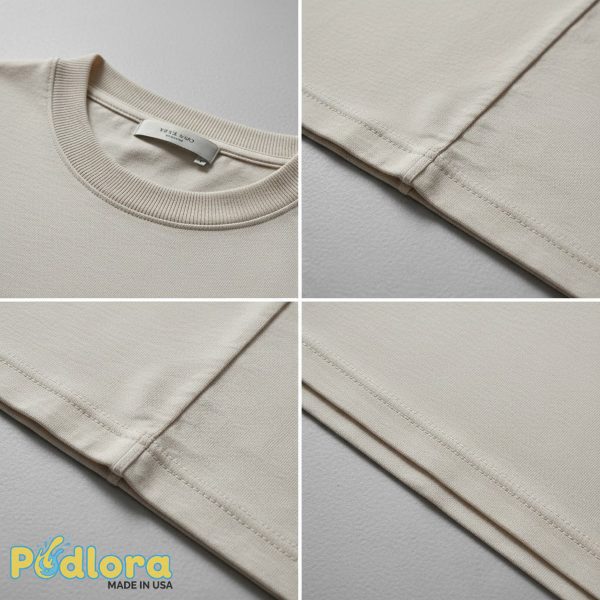
Through years of experience in the apparel industry, we’ve learned that the quality of the fabric matters just as much as the type of fabric. A high-quality polyester t-shirt often outperforms a low-quality cotton shirt, and vice versa.
Premium cotton uses longer staples (fibers), resulting in softer, more durable fabrics that maintain their appearance over time. Low-quality cotton, like Asian short staple often used in fast fashion, loses shape quickly and breaks down easily. Similarly, advanced polyester manufacturing has produced fabrics that feel remarkably soft while maintaining performance properties.
When evaluating cotton vs polyester for t-shirts, consider the overall construction quality, including:
- Fiber quality and processing methods
- Weave or knit tightness and technique
- Finishing treatments applied to the fabric
- Stitching and construction quality
- Brand reputation and quality control standards
Summary: Key Takeaways for Choosing Your T-Shirt Fabric
| Factor | Cotton | Polyester | Best Choice |
|---|---|---|---|
| Breathability | Excellent – allows superior air circulation | Poor – traps heat and moisture | Cotton for hot weather and all-day wear |
| Moisture Handling | Absorbs moisture into fabric | Wicks moisture to surface | Polyester for athletic activities; cotton for casual wear |
| Softness | Superior, especially quality cotton | Rougher, more plastic-like feel | Cotton for comfort and sensitive skin |
| Durability | Moderate – shows wear over time | Excellent – resists tears and maintains shape | Polyester for work uniforms and frequent wear |
| Shrinkage | Prone to shrinking with heat | Minimal to no shrinkage | Polyester for predictable sizing |
| Wrinkle Resistance | Wrinkles easily, needs ironing | Naturally wrinkle-resistant | Polyester for low-maintenance care |
| Skin Sensitivity | Hypoallergenic, gentle | May irritate sensitive skin | Cotton for sensitive or allergy-prone skin |
| Environmental Impact | Renewable but pesticide/water intensive | Petroleum-based, microplastic pollution | Organic cotton or recycled polyester for sustainability |
| Cost | Variable, quality affects price | More consistent pricing | Depends on quality level and intended use |
| Best For | Everyday wear, casual comfort, warm weather | Athletic wear, workouts, work uniforms | Context-dependent based on primary use |
Your Perfect T-Shirt Awaits
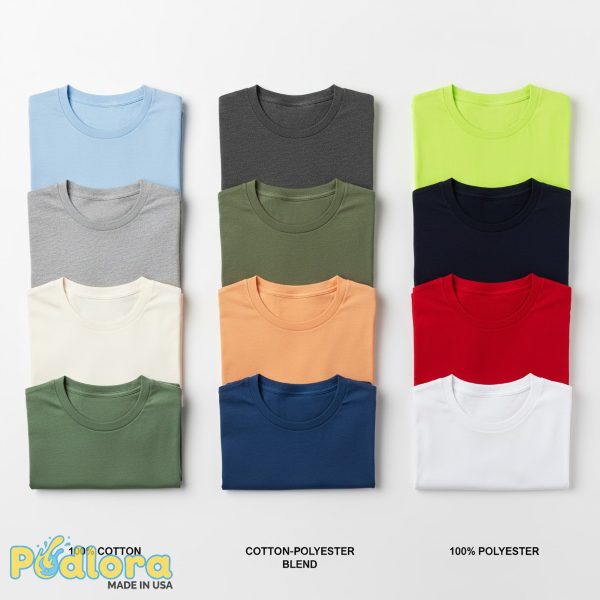
The cotton vs polyester debate doesn’t have a single right answer because the best fabric for t-shirts depends entirely on your individual needs, lifestyle, and values. Cotton excels in breathability, comfort, and skin-friendliness, making it the go-to choice for everyday casual wear. Polyester dominates in durability, performance, and easy care, establishing itself as the standard for athletic and work applications.
At PODLORA, we believe in empowering customers with knowledge to make informed choices. Whether you choose the natural comfort of cotton, the performance of polyester, or the balanced benefits of blended fabrics, understanding these materials helps you select t-shirts that truly serve your needs.
Consider your primary use case, evaluate your priorities regarding comfort versus performance, factor in your environmental values, and choose accordingly. And remember—quality matters. A well-made shirt in either material will outperform a poorly constructed alternative every time.
The perfect t-shirt is the one that makes you feel great while matching your lifestyle demands. Now armed with comprehensive knowledge about cotton vs polyester, you’re ready to build a wardrobe that delivers exactly what you need.

Hi, I’m Emma Sullivan — a Texas-based writer who specializes in product design, e-commerce, and customer experience. With over five years of writing experience, I love turning complex information into clear, helpful content that makes online shopping easier for everyone. Having spent years working in the U.S. print-on-demand and merchandising space, I focus on creating articles that are honest, engaging, and genuinely useful.