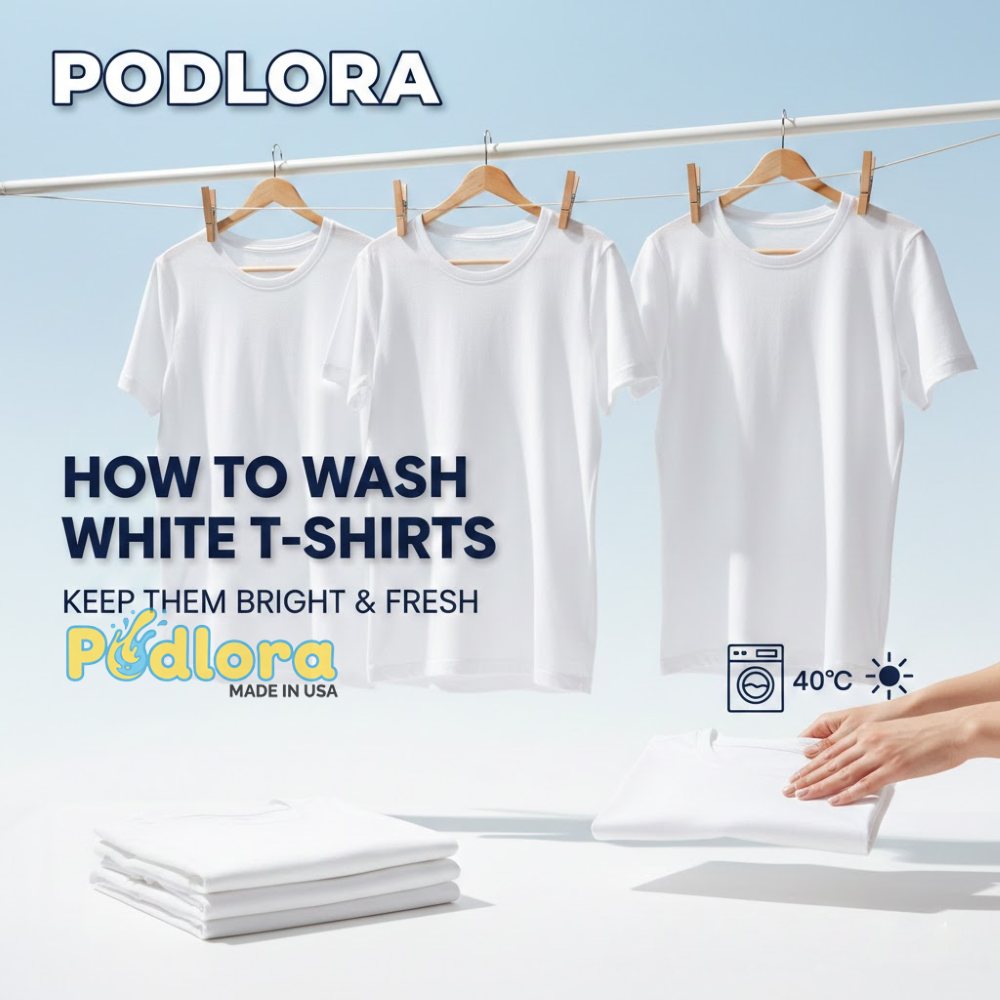
How to Remove Oil Stains from T Shirt The Complete Guide
Oil stains on your favorite t-shirt can feel like a fashion disaster, but they don’t have to mean the end of your beloved garment. Whether you’ve splashed cooking oil while preparing dinner, dealt with motor oil while working on your car, or encountered mysterious grease spots on your clothing, learning how to remove oil stains from t shirt fabric is an essential skill every person should master.
At PODLORA, we understand that life happens, and stains are inevitable. That’s why we’ve compiled this comprehensive guide to help you tackle even the toughest oil stains and restore your t-shirts to their original condition.
Understanding Oil Stains on Fabric
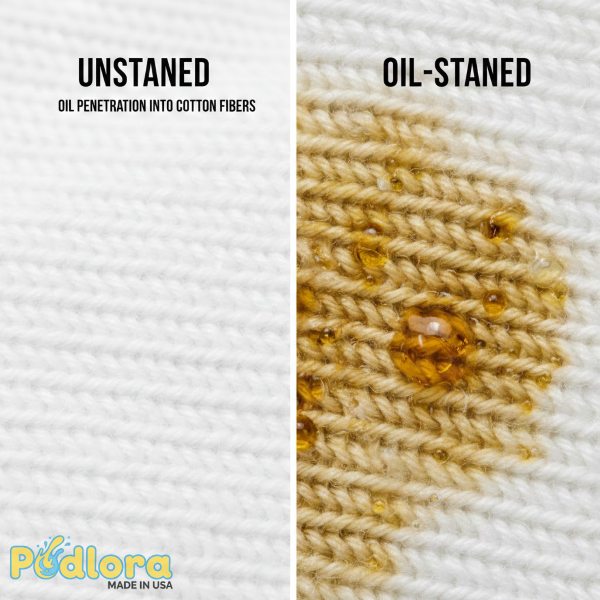
Before diving into oil stain removal methods, it’s important to understand why these stains are particularly challenging. Unlike water-based stains, oil doesn’t dissolve in water, which means your regular washing routine won’t cut it. Oil molecules bind quickly to fabric fibers, creating a greasy patch that’s slightly darker than the surrounding material. The longer an oil stain sits, the darker it becomes and the more difficult it is to remove.
Different types of oil can create varying levels of difficulty when learning how to remove oil stains from t shirt materials. Cooking oil stains, motor oil stains, and grease spots each have unique properties, but fortunately, similar removal techniques work across all types.
Acting Fast: Your First Line of Defense
The key to successful oil stain removal lies in speed. Fresh stains are significantly easier to remove than set-in oil stains. When you notice an oil stain, resist the urge to rinse it with water immediately—oil and water don’t mix, and water can actually create a coating around the oil, making removal more difficult.
Instead, begin with these critical first steps for removing grease stains from clothes:
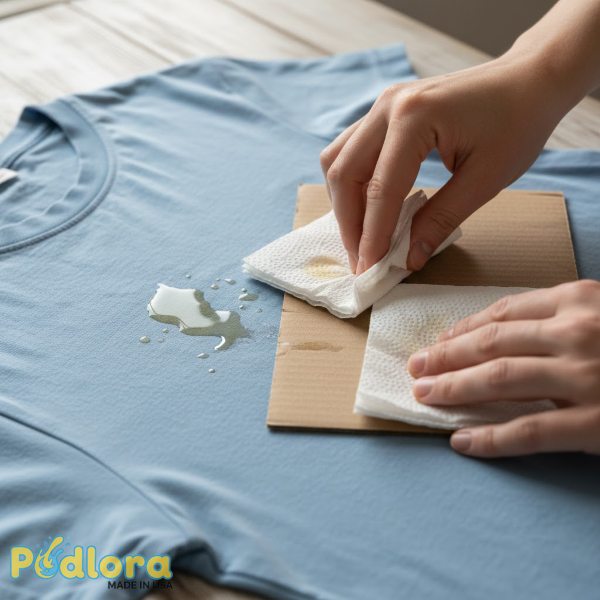
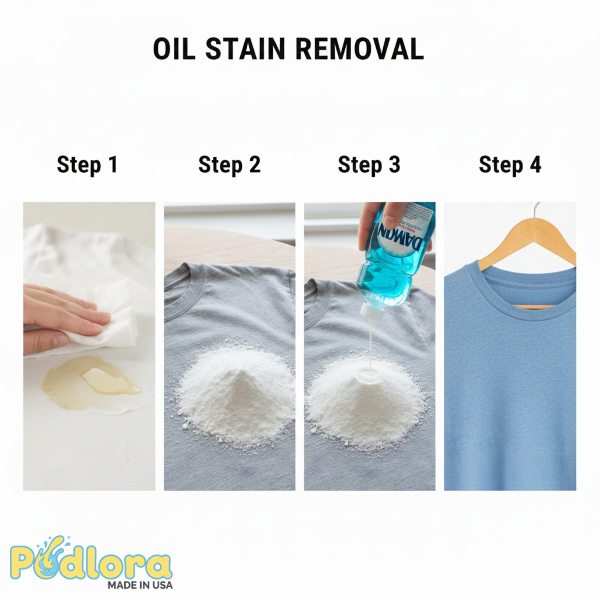
Blot, Don’t Rub: Use a clean paper towel or absorbent cloth to gently blot the stain. This removes excess oil without pushing it deeper into the fabric. Never rub the stain, as this spreads the oil and damages fabric fibers.
Use a Barrier: Place a piece of cardboard between the front and back of your t-shirt to prevent the oil from bleeding through to the other side during treatment.
Check the Care Label: Before applying any cleaning method, always consult your garment’s care label to ensure you’re using appropriate temperatures and methods for the fabric type.
Method 1: Dish Soap for Stains – The Most Effective Solution
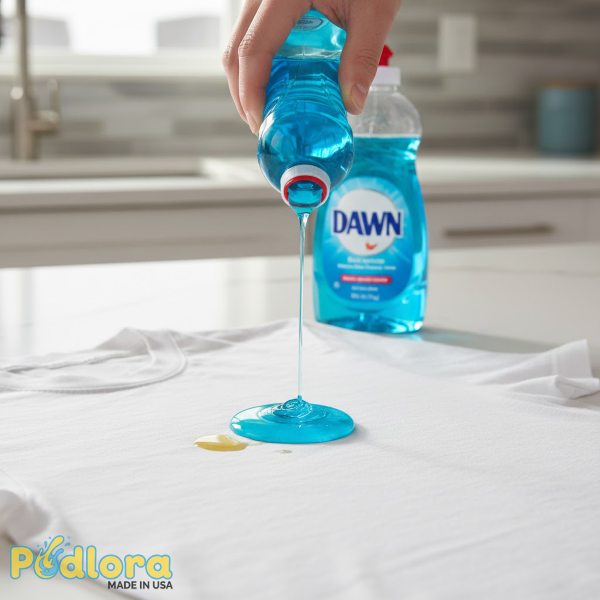
When it comes to removing oil stains from cotton t shirts, dish soap has proven to be remarkably effective. Specifically, Dawn dish soap (the original blue variety) contains surfactant chemistry that breaks down oil molecules, making it one of the best household solutions for oil stain remover for clothes.
Step-by-Step Process Using Dish Soap:
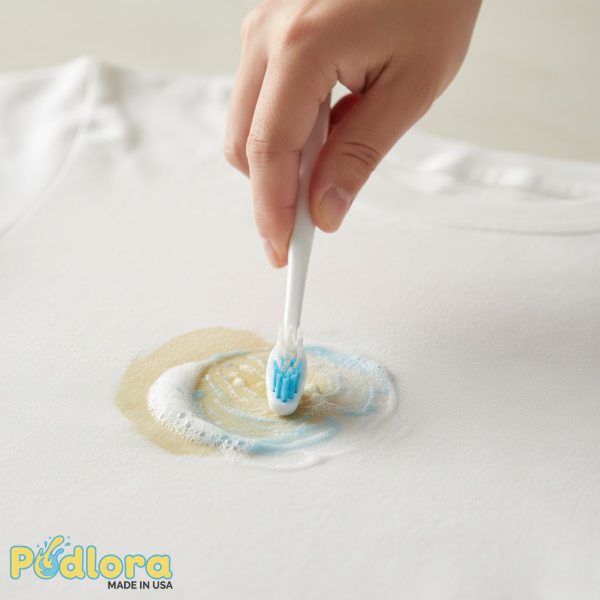
- Apply Dish Soap Directly: Squeeze a small amount of liquid dish detergent directly onto the oil stain. Cover the entire stained area generously.
- Work It In: Using your fingers or a soft-bristled toothbrush, gently rub the dish soap into the fabric. You’ll notice the soap beginning to break down the grease immediately.
- Let It Soak: Allow the dish soap to sit on the stain for at least 10 minutes. For stubborn stains, you can let it soak for up to an hour or even overnight.
- Rinse Carefully: Rinse the area with warm water (if the fabric allows) to help break down oil molecules further.
- Wash Normally: Machine wash the t-shirt using the warmest water safe for the fabric according to the care label.
- Air Dry: Never put the garment in the dryer until you’re certain the stain is completely gone. Heat sets oil stains permanently into fabric.
This method for removing grease stains from clothes works because dish soap is specifically formulated to cut through grease on dishes—the same principle applies to fabric care.
Method 2: Baking Soda Cleaning – The Absorbent Powerhouse
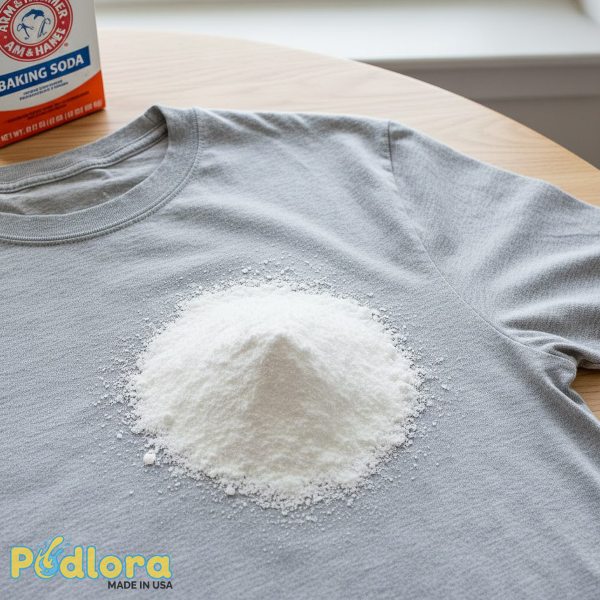
Baking soda serves as an excellent absorbent powder for removing oil stains from t shirts, especially when combined with other cleaning agents. This method is particularly effective for how to remove oil stains from cotton t shirts and works well as a pre-treatment method.
Using Baking Soda for Oil Stain Removal:
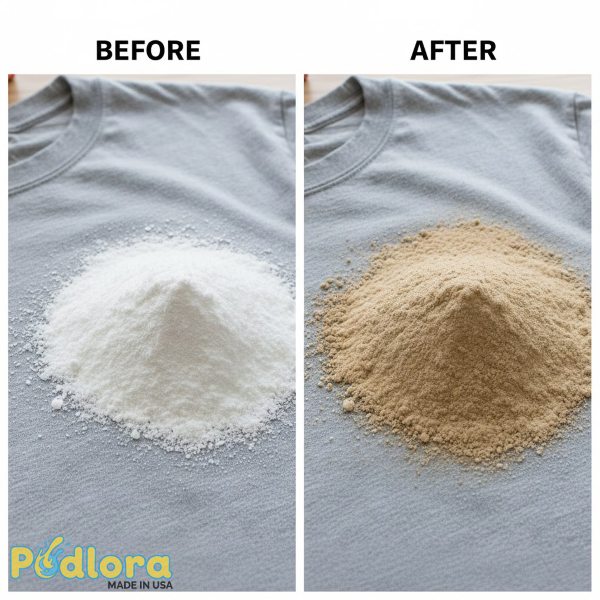
- Initial Application: Sprinkle a generous layer of baking soda directly onto the oil stain, ensuring complete coverage.
- Let It Absorb: Allow the baking soda to sit on the stain for 30 minutes to an hour. For set-in stains, leaving it overnight yields better results.
- Scrub Gently: Using an old toothbrush, gently scrub the baking soda into the fabric using circular motions. You’ll notice the baking soda turning brown as it absorbs the oil—this is a good sign.
- Repeat If Necessary: Continue adding fresh baking soda and scrubbing until the powder no longer changes color.
- Add Dish Soap: With remaining baking soda still on the stain, add a small amount of dish soap and mix with your finger.
- Wash: Launder the garment in the warmest water safe for the fabric.
According to laundry care experts, baking soda works by drawing oil out of fabric and into itself, making it an essential tool in your fabric stain removal arsenal.
Method 3: Combination Approach – Baking Soda and Vinegar
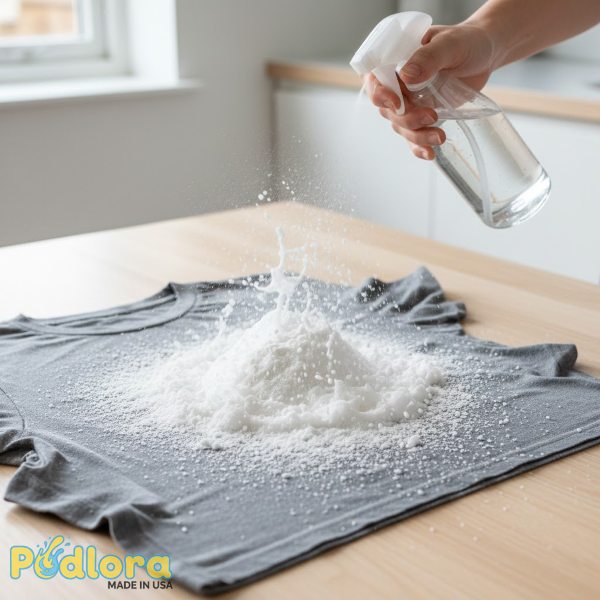
For particularly stubborn oil stains, combining baking soda with white vinegar creates a powerful laundry stain treatment. This method provides extra cleaning power for tough grease spots.
Step-by-Step Guide:
- Apply Baking Soda: Sprinkle baking soda onto the stain and let it sit for 30 minutes or overnight.
- Prepare Vinegar Solution: Mix equal parts white vinegar and water in a spray bottle.
- Apply Vinegar Mixture: Spray the vinegar solution directly onto the baking soda-covered stain. The mixture will foam as the vinegar reacts with the baking soda.
- Scrub: Using a soft brush or old toothbrush, gently scrub the area with the foaming mixture.
- Rinse and Wash: Rinse with warm water and proceed with normal washing.
When using vinegar for stain treatment, always dilute it with water to prevent potential fading or bleaching of colored fabrics. Test on an inconspicuous area first to ensure the fabric won’t be damaged.
Method 4: Enzyme Detergent for Set-In Stains
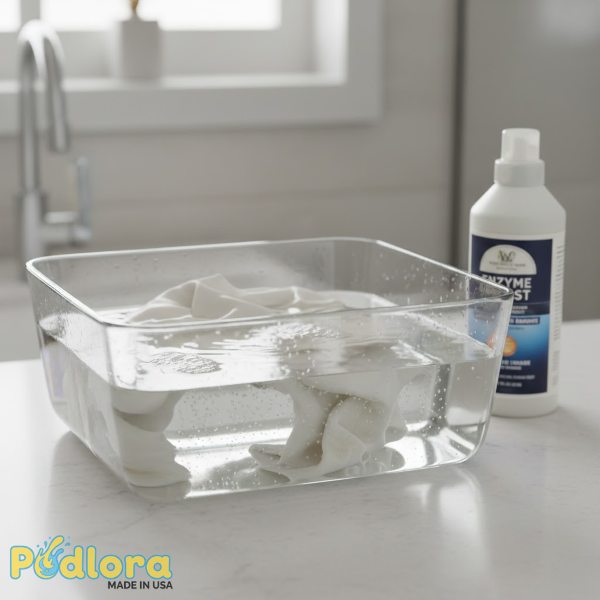
When dealing with old oil stains or set-in oil stains, an enzyme-based liquid detergent can be your best friend. This approach is particularly effective for learning how to get motor oil out of t shirt without ruining it.
Using Enzyme Detergent:
- Pre-Soak: Fill a basin with warm water and add enzyme-based liquid detergent.
- Submerge: Place the stained t-shirt in the solution and let it soak for 1-6 hours (or even overnight for particularly stubborn stains).
- Apply Additional Treatment: After soaking, apply dish soap directly to the stain and rub gently.
- Machine Wash: Wash with the hottest water safe for the fabric.
- Inspect Before Drying: Always check that the stain is completely removed before placing the garment in the dryer.
Method 5: Alternative Household Solutions
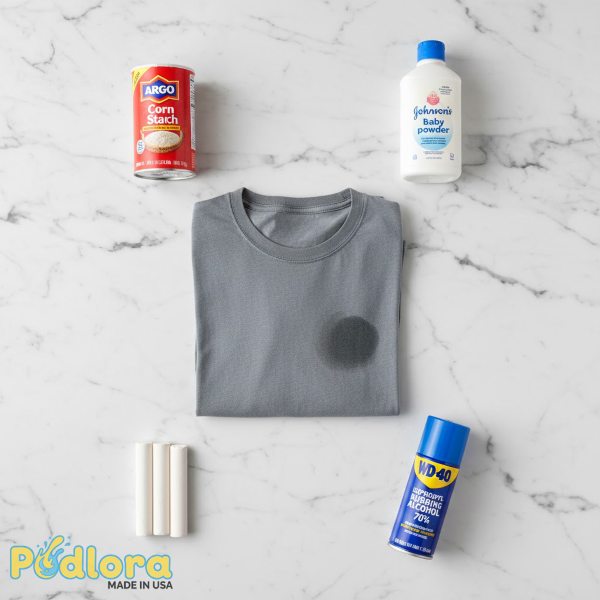
Several other household items can help you get oil out of shirt fabric when traditional methods aren’t available:
Cornstarch or Baby Powder: Similar to baking soda, these absorbent powders can soak up fresh oil stains. Apply generously, let sit for 15-30 minutes, then brush off and wash.
White Chalk: For light oil stains, rubbing white chalk over the affected area can absorb oil before washing.
Rubbing Alcohol: For cotton t shirts, applying rubbing alcohol to the back of the stain can help push oils out of the fabric rather than deeper into it. Always test on a hidden area first.
WD-40: For extremely stubborn, set-in oil stains, some people have success with WD-40. Spray it on the stain, let it sit, then treat with baking soda and dish soap before washing.
Fabric-Specific Considerations

Different t-shirt materials require slightly different approaches when learning how to remove oil stains from t shirt fabrics:
Cotton T-Shirts
Cotton is durable and can withstand most aggressive oil removal methods. You can use hot water, vigorous scrubbing, and multiple treatment attempts without damaging the fabric. This makes cotton ideal for trying various stain lifting techniques.
Polyester and Synthetic Blends
Synthetic fibers often attract and hold oil stains more stubbornly than natural fibers. Use thorough dish soap pre-treatment and avoid extremely high heat, which can melt some synthetic materials. Focus on pre-treatment methods rather than relying solely on washing machine settings.
Delicate Fabrics
For t-shirts made from delicate materials, use gentler approaches. Apply cleaning solutions with a cotton swab rather than scrubbing, use cold water, and consider professional dry cleaning for valuable garments.
The Role of Water Temperature
Understanding washing machine settings and water temperature is crucial for successful oil stain removal. Hot water helps liquefy oil, making it easier to wash away. However, you must balance effectiveness with fabric safety.
Always check your t-shirt’s care label before using hot water. Some fabrics, especially cotton, can shrink in hot water. If your garment can’t tolerate hot water, focus on thorough pre-treatment with dish soap and baking soda to compensate for using cooler washing temperatures.
Common Mistakes to Avoid
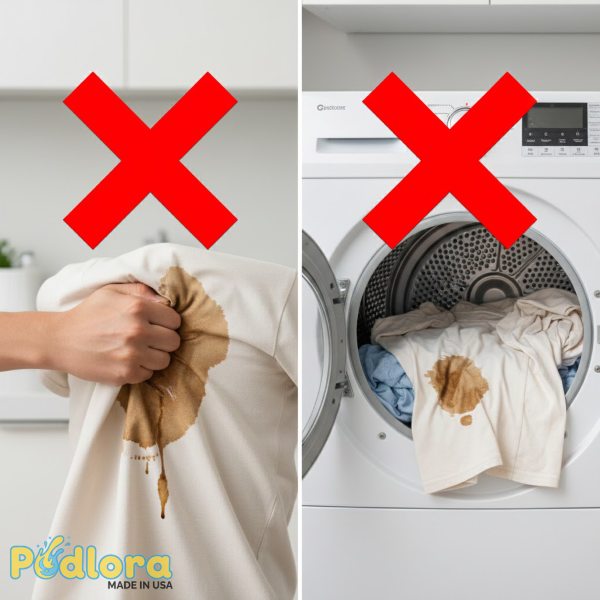
Learning the best way to get cooking oil out of shirt fabric means understanding what not to do:
Don’t Use the Dryer Too Soon: This is the most critical mistake. Heat from the dryer permanently sets oil stains into fabric. Always air dry until you’re absolutely certain the stain is gone.
Don’t Rub Fresh Stains: Rubbing spreads oil and pushes it deeper into fabric fibers. Always blot gently instead.
Don’t Wait: The longer you wait, the harder it becomes to remove oil stains from clothes. Act immediately when possible.
Don’t Use Water First: Water doesn’t mix with oil and can make removal more difficult. Start with blotting and absorbent powders.
Don’t Skip Pre-Treatment: Simply tossing an oil-stained shirt in the wash without pre-treatment rarely works. Oil needs special attention to break down before standard washing.
Advanced Techniques for Stubborn Stains
Sometimes, despite your best efforts, oil stains persist. Here are advanced strategies for does dish soap remove oil stains from clothes when initial attempts fail:
The Repeat Method
Don’t give up after one attempt. Many successful oil stain removals require 2-3 treatment cycles. After each wash, if the stain remains, reapply your chosen treatment method and wash again.
The Soaking Strategy
For can you remove set in oil stains from clothing, extended soaking can make a significant difference. Create a solution with oxygen-based bleach (color-safe) and warm water, then soak the garment for several hours before washing.
The Combination Approach
Try combining multiple methods: start with baking soda to absorb excess oil, follow with dish soap for grease breakdown, and finish with an enzyme detergent wash for deep cleaning.
Professional Help: When to Call in the Experts
While most oil stains can be removed at home, certain situations warrant professional intervention:
- Expensive or delicate t-shirts with sentimental value
- Dry-clean-only fabrics
- Stains that have been through the dryer multiple times
- Large or extensive oil damage
- When home methods have failed after 3-4 attempts
Professional dry cleaners have specialized solvents and equipment that can tackle even the most stubborn set-in stains.
Prevention Tips from PODLORA
While knowing how to get oil stains out of clothing is valuable, prevention is always better than cure:
Wear an Apron: When cooking or working with oils, protect your clothing with an apron.
Keep Stain Removers Handy: Maintain a travel-sized bottle of dish soap for emergency treatments when away from home.
Act Immediately: The moment you notice an oil stain, begin treatment—even if it’s just blotting with a napkin.
Check Before Drying: Make it a habit to inspect all clothing before placing items in the dryer.
Store Oil Properly: Keep cooking oils and automotive products stored safely to prevent accidental spills.
Environmental Considerations
At PODLORA, we care about both your clothes and the environment. When removing grease stains from clothes, consider these eco-friendly practices:
- Use biodegradable dish soaps
- Choose plant-based enzyme detergents
- Minimize water usage by spot-treating rather than re-washing entire loads
- Air dry whenever possible to save energy
- Opt for natural absorbent powders like baking soda over chemical alternatives
Frequently Asked Questions
What takes oil stains out of t-shirts?
The most effective solutions for removing oil stains from t-shirts are dish soap (particularly Dawn), baking soda, and enzyme-based detergents. Dish soap breaks down grease molecules, while baking soda absorbs excess oil. For best results, combine methods: apply baking soda first to absorb oil, then treat with dish soap to break down remaining grease, and finally wash with an enzyme detergent.
Will Dawn get oil out of clothes?
Yes, Dawn dish soap is highly effective at removing oil from clothes. The surfactant chemistry in Dawn is specifically designed to break down oil and grease, which is why it works so well on fabric stains. Apply Dawn directly to the stain, let it sit for 10-30 minutes, then wash as normal. Many people report that Dawn removes oil stains completely, even set-in ones. The original blue Dawn formula is most commonly recommended by laundry experts.
Will baking soda and vinegar remove oil stains from clothes?
Yes, the combination of baking soda and vinegar can effectively remove oil stains from clothes. First, sprinkle baking soda on the stain and let it absorb the oil for 30 minutes or overnight. Then, spray a mixture of equal parts white vinegar and water onto the baking soda. The foaming reaction helps lift the oil from fabric fibers. Scrub gently with a brush, then wash normally. This natural method works well for both fresh and set-in stains, though stubborn stains may require multiple treatments.
Does rubbing alcohol remove oil from clothes?
Rubbing alcohol can help remove oil from clothes, particularly from cotton fabrics. It works as a solvent that breaks down greasy components. Apply a small amount of rubbing alcohol to the back of the stain (not the front) and blot from behind to push oils out of the fabric. However, rubbing alcohol can cause fading or damage to some materials, so always test on an inconspicuous area first. For delicate fabrics, dish soap or baking soda may be safer alternatives.
How long should I let dish soap sit on an oil stain?
For fresh oil stains, let dish soap sit for at least 10-15 minutes before washing. For set-in or stubborn stains, you can safely leave dish soap on the stain for up to an hour or even overnight. The longer the dish soap has to work, the more effectively it breaks down the oil. However, be cautious with delicate fabrics or colored garments—extended exposure to dish soap may potentially lighten the fabric, so check periodically.
Can you remove oil stains that have been through the dryer?
While significantly more challenging, it is possible to remove oil stains that have been through the dryer. The heat sets the stain, making it much harder to remove, but not impossible. Start by treating the stain with WD-40 to “reactivate” it, then apply baking soda to absorb the oil. Follow with dish soap treatment and wash in the hottest water safe for the fabric. You may need to repeat this process several times. Prevention is key—always check for stains before drying.
What’s the best way to remove motor oil from a t-shirt?
Motor oil contains more contaminants than cooking oil, making it tougher to remove. Start by blotting excess oil, then apply a generous amount of dish soap or automotive hand cleaner like Goop. Let it soak for 30 minutes, then sprinkle baking soda on top and scrub gently. Wash with enzyme detergent in hot water. Motor oil may require 2-3 treatment cycles. For particularly stubborn motor oil stains, consider using a pre-wash stain remover specifically designed for grease.
Are oil stains permanent?
Oil stains don’t have to be permanent if treated quickly and correctly. Fresh oil stains are relatively easy to remove with proper techniques. However, stains that have dried, been washed without pre-treatment, or gone through the dryer multiple times become increasingly difficult to remove and may become permanent. The fibers of the fabric also matter—synthetic materials like polyester hold oil more stubbornly than natural fibers like cotton. With persistent effort and the right methods, most oil stains can be removed.
Summary Table: Quick Reference Guide
| Method | Best For | Treatment Time | Effectiveness | Fabric Safety |
|---|---|---|---|---|
| Dish Soap | Fresh oil stains, cooking oil stains | 10-30 minutes | Very High | Safe for most fabrics |
| Baking Soda | Absorbing excess oil, fresh stains | 30 minutes – overnight | High | Very safe, gentle on all fabrics |
| Baking Soda + Vinegar | Stubborn stains, natural cleaning | 30-60 minutes | High | Safe but test colored fabrics first |
| Enzyme Detergent | Set-in stains, old oil stains | 1-6 hours soaking | Very High | Safe for most washable fabrics |
| Rubbing Alcohol | Cotton fabrics, degreasing | 5-10 minutes | Medium-High | Test first, may fade colors |
| Cornstarch/Baby Powder | Fresh stains, immediate treatment | 15-30 minutes | Medium | Very safe |
| WD-40 (for set-in stains) | Dried, set-in stains | 10-15 minutes | Medium | Use cautiously, wash thoroughly |
Key Takeaways
Successfully learning how to remove oil stains from t shirt materials comes down to understanding a few core principles:
- Speed matters: Fresh stains are exponentially easier to remove than set-in ones
- Pre-treatment is essential: Never rely solely on machine washing for oil stains
- Avoid heat until stains are gone: Heat permanently sets oil into fabric
- Layer your approach: Combining methods (baking soda + dish soap + enzyme detergent) yields better results
- Be patient: Stubborn stains may require multiple treatment cycles
- Know your fabrics: Different materials require different approaches
Final Thoughts
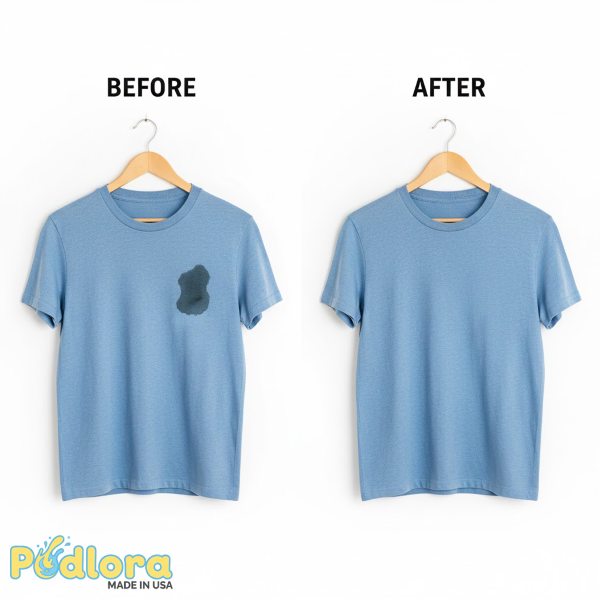
Removing oil stains from t shirts doesn’t have to be intimidating. With the right knowledge and household items—dish soap, baking soda, and enzyme detergent—you can tackle most oil stains successfully. The step by step guide to removing grease stains from shirts provided here gives you multiple proven methods to try.
At PODLORA, we believe that every garment deserves a second chance. Don’t let an oil stain relegate your favorite t-shirt to the rag pile. With the techniques outlined in this comprehensive guide, you have the tools to restore your clothing to its original condition.
Remember: blot, don’t rub; pre-treat before washing; and never use the dryer until you’re certain the stain is completely gone. Master these principles, and you’ll be equipped to handle any oil-related clothing emergency that comes your way.
Your t-shirts will thank you for the care and attention, and you’ll save money by extending the life of your wardrobe. Now that you know what household items remove oil stains from fabric and how to use them effectively, you can confidently face any grease or oil challenge that life throws at your favorite clothes.

Hi, I’m Emma Sullivan — a Texas-based writer who specializes in product design, e-commerce, and customer experience. With over five years of writing experience, I love turning complex information into clear, helpful content that makes online shopping easier for everyone. Having spent years working in the U.S. print-on-demand and merchandising space, I focus on creating articles that are honest, engaging, and genuinely useful.