How to Remove Sweat Stains from White Shirts Permanently
White shirts are wardrobe staples that project professionalism and confidence. However, those stubborn yellow armpit stains can undermine even the sharpest appearance. At PODLORA, we understand that maintaining pristine white clothing requires more than regular laundering—it demands targeted stain removal strategies and preventative care. This comprehensive guide will walk you through proven methods to remove sweat stains from white shirts and keep them looking fresh.
Understanding What Causes Yellow Armpit Stains
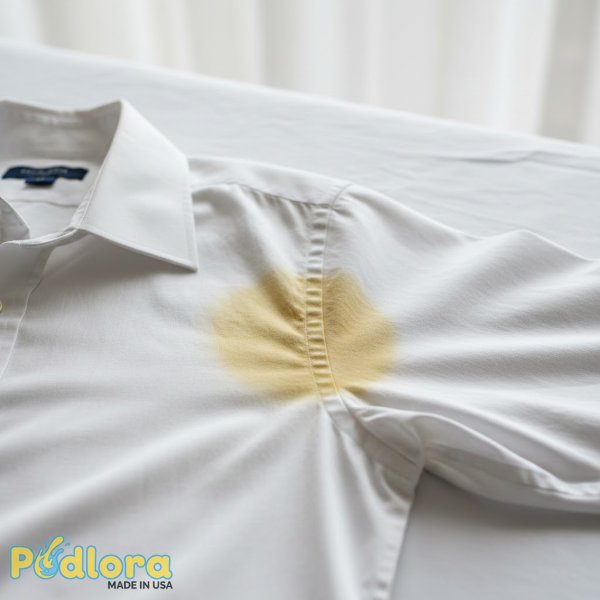
Before tackling how to remove sweat stains from white shirts, it’s essential to understand why these discolorations occur. Contrary to popular belief, perspiration alone isn’t the culprit behind those unsightly yellow marks.
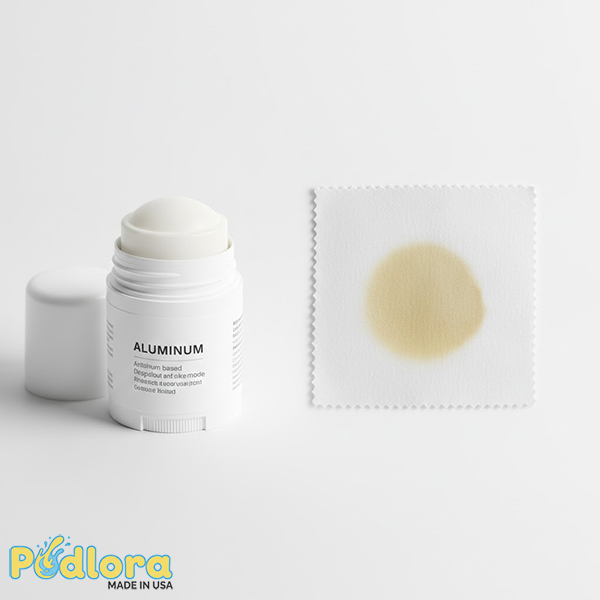
According to Thompson Tee’s research on armpit stains, the yellow discoloration occurs when proteins in your sweat react with aluminum and other chemicals in your antiperspirant. The main contributors include sweat containing proteins, minerals, and other compounds that combine with aluminum-based antiperspirant ingredients and body oils.
Understanding deodorant stains versus perspiration stains helps clarify the removal approach. According to HowStuffWorks’ explanation of antiperspirant stains, antiperspirants use aluminum-based compounds like aluminum chloride to block sweat ducts, and when these acidic ingredients bond with sweat, they create stains on clothing. Aluminum and zirconium in antiperspirants, combined with sweat proteins, bind to fabric and cause the characteristic yellowing on white clothing. This knowledge empowers you to address both the visible stain and its underlying causes.
Are Sweat Stains Permanent on White Shirts?
The good news: sweat stains don’t have to be permanent. While stains become increasingly difficult to remove when left untreated or exposed to heated dryer cycles, proper treatment can restore even heavily stained garments. The key lies in acting quickly and following the right fabric stain removal process.
PODLORA recommends treating armpit discoloration as soon as you notice it. Fresh stains respond more readily to treatment than set-in ones. However, even old sweat stains from white shirts permanently stored in closets can be salvaged with persistent effort and the correct shirt cleaning methods.
The Science Behind Effective Sweat Stain Removal
Successful laundry stain treatment for perspiration marks relies on chemistry. According to Popular Science’s guide on sweat stain removal, acids effectively break down sweat stain components because stronger acids like vinegar can neutralize and dissolve the residue left by perspiration. Sweat stains are often composed of proteins and your body’s natural oils, which are slightly acidic. The introduction of a stronger acid helps break down these proteins and oils, making the stains easier to remove during washing.
Additionally, alkaline substances like baking soda work by absorbing oils and lifting stains from fabric fibers. When combined strategically, acidic and alkaline treatments create a powerful one-two punch against even stubborn yellow stains.
Step-by-Step Guide: How to Remove Sweat Stains from White Shirts
This proven method combines the best practices from professional shirt maintenance experts. PODLORA has tested various approaches, and this process consistently delivers the best results for permanent sweat stain removal.
What You’ll Need
Supplies:
- 2 cups water
- 1 cup distilled white vinegar
- ½ cup baking soda
- 1 tablespoon salt
- 1 tablespoon hydrogen peroxide (3% solution)
Tools:
- Clean container or basin
- Old toothbrush or soft-bristled brush
- Mixing bowl
- Spoon
The Five-Step Removal Process
Step 1: Create the Vinegar Soaking Solution
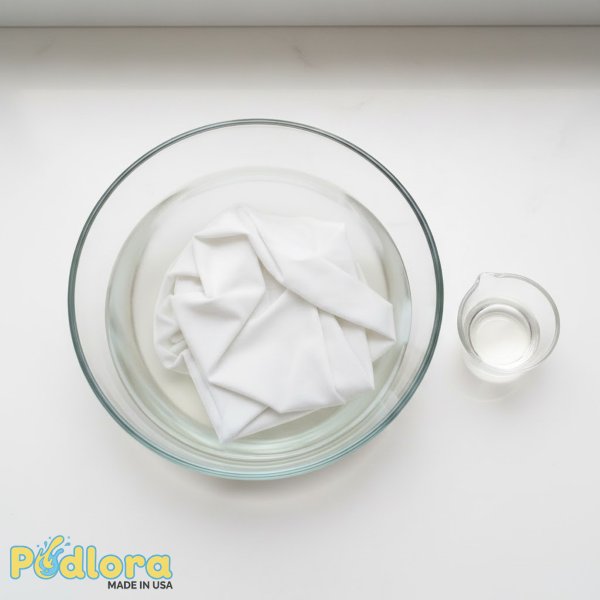
Mix 2 cups of water with 1 cup of white vinegar in a container, then submerge the stained shirt and allow it to soak for 30 minutes. The Maytag laundry experts explain that this soaking period allows the vinegar’s acidity to penetrate deep into fabric fibers, beginning the breakdown of sweat and deodorant residue.
Ensure the stained areas are fully submerged. For best results when learning how to remove sweat stains from white shirts, use distilled white vinegar rather than apple cider vinegar, which could potentially add tint to fabrics.
Step 2: Remove Excess Liquid
After the 30-minute soak, gently squeeze—don’t wring—excess water from the garment. Lay the shirt flat on a clean surface, avoiding twisting or wringing that could damage fabric fibers. The shirt should remain damp for the next treatment step.
Step 3: Prepare the Stain Removal Paste
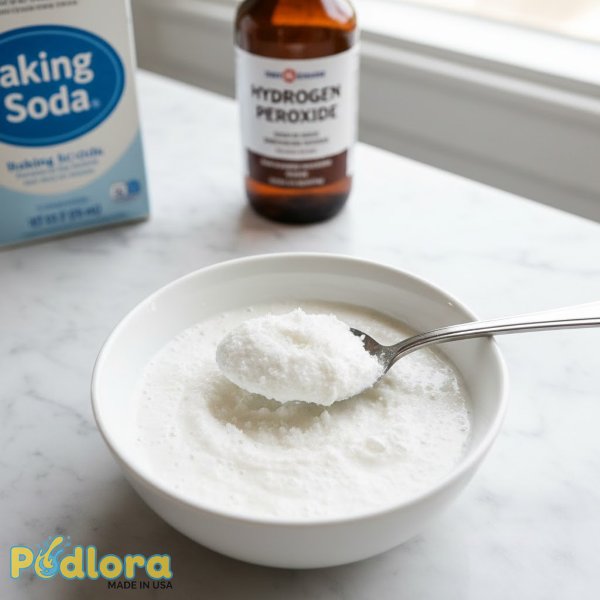
This is where the magic happens in removing old sweat stains from white shirts permanently. Combine ½ cup baking soda, 1 tablespoon salt, and 1 tablespoon hydrogen peroxide in a bowl, stirring thoroughly until a paste forms.
The paste should have a consistency similar to toothpaste—thick enough to adhere to fabric but spreadable. This combination leverages baking soda’s absorptive properties, salt’s mild abrasiveness, and hydrogen peroxide’s bleaching action specifically formulated for protein-based stains.
Step 4: Apply and Work the Paste
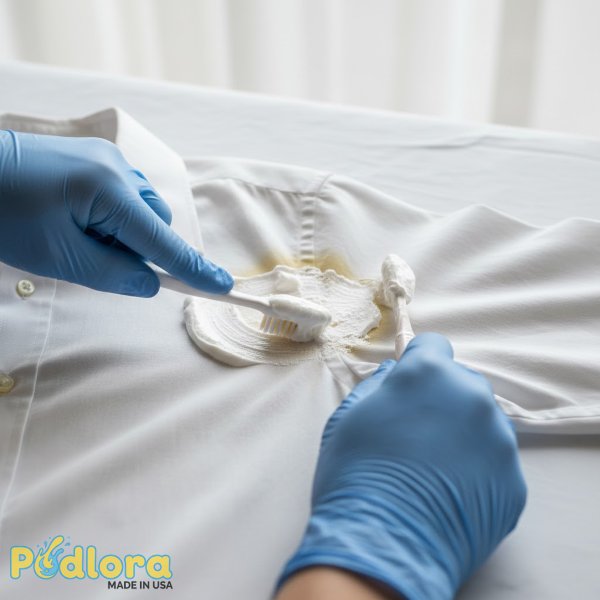
Using an old toothbrush or your fingers, apply the paste generously to all stained areas, paying special attention to the armpit regions where yellowing typically concentrates. Allow the mixture to sit for 20 minutes to penetrate and break down the stain, then gently scrub with a toothbrush to work the paste into fabric fibers.
This mechanical action helps dislodge embedded stain molecules. For set-in sweat stains from white dress shirts, you may extend the sitting time up to an hour for particularly stubborn discoloration.
Step 5: Machine Wash and Air Dry

Wash the shirt on the hottest water setting recommended on its care label. Hot water helps rinse away loosened stain particles and sanitizes the fabric.
Critical tip: Air dry the garment until you confirm the stain is completely removed, as dryer heat can set any remaining stain residue. If traces of yellowing remain after air drying, repeat the entire process. PODLORA emphasizes that persistence pays off—some deeply embedded stains require multiple treatments.
Alternative Methods for How to Get Yellow Sweat Stains Out of White Clothes
While the vinegar and baking soda method proves most effective for comprehensive stain removal, several alternative approaches can supplement your white clothing care routine.
Lemon Juice and Sunlight Treatment
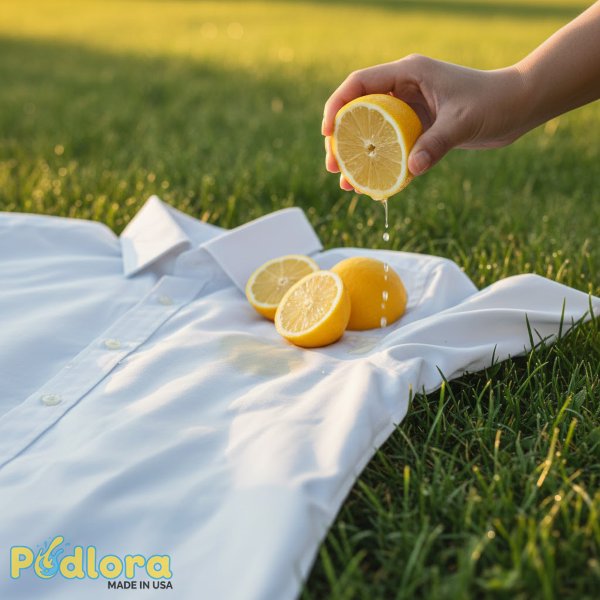
Lemon juice acts as a natural bleaching agent, and when combined with direct sunlight exposure, UV rays enhance this whitening effect. Apply fresh lemon juice directly to stains, then place the garment in direct sunlight for several hours. This natural remedy for removing sweat stains from white fabric works best for light to moderate staining.
Important: Reserve this method exclusively for white fabrics, as lemon juice can fade colors on non-white garments.
Hydrogen Peroxide and Dish Soap Solution
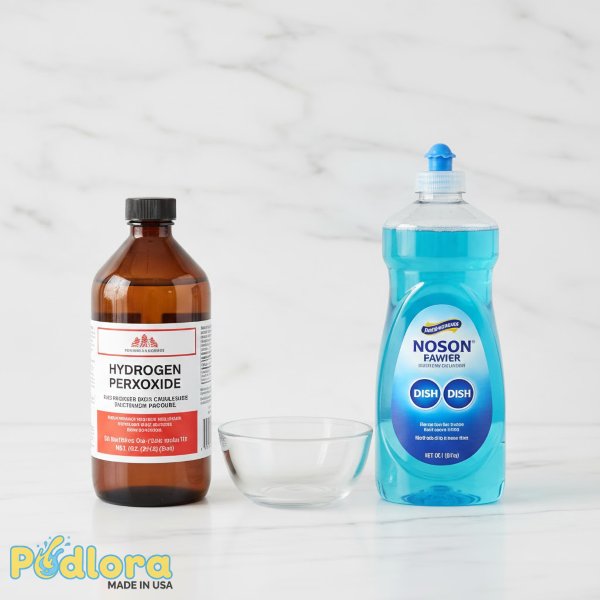
For a quick treatment approach, mix one-third dish soap with two-thirds hydrogen peroxide. This combination cuts through the greasy residue that contributes to armpit discoloration. Apply to stains, let sit for one hour, then machine wash. PODLORA finds this method particularly effective for fresh perspiration stains caught immediately after wearing.
Oxygen Bleach Soaking Method
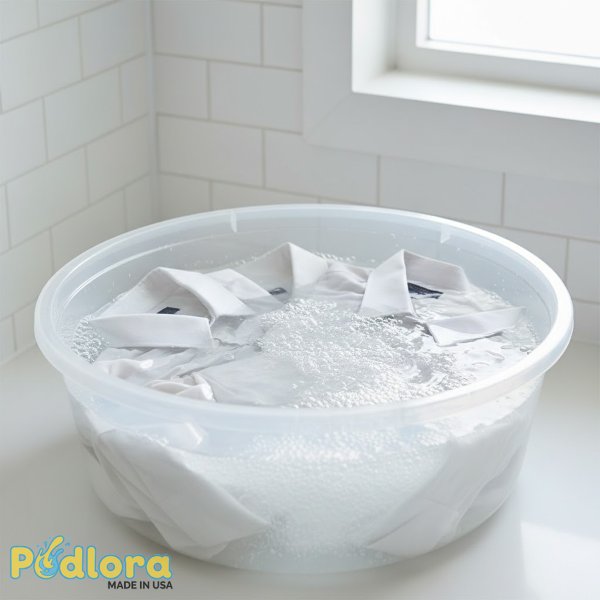
Unlike chlorine bleach—which can actually worsen yellow stains—oxygen bleach provides a gentler alternative. Dissolve oxygen bleach powder according to package directions in warm water, then soak the stained garment for one to three hours. This method excels at removing set-in sweat stains from white dress shirts without the harsh chemical impact.
The Aspirin Paste Treatment
Aspirin contains acetylsalicylic acid, which breaks down into salicylic acid when moistened—a compound that effectively dissolves sweat stains. Crush two to three aspirin tablets, mix with minimal water to form a paste, and apply to stains. This lesser-known method provides an excellent option when standard supplies aren’t available.
Critical Mistakes to Avoid When Removing Sweat Stains
Never Use Chlorine Bleach on Sweat Stains
The Whirlpool laundry care team warns that chlorine bleach can make sweat stains worse by actually darkening their appearance rather than removing them. This counterintuitive outcome frustrates many people attempting DIY stain removal. If you must use bleach, opt for oxygen-based formulations specifically designed for yellowing prevention.
Avoid Immediate Heat Drying
One of the most common mistakes in shirt maintenance involves placing stained garments directly in the dryer. Heat permanently sets stains into fabric fibers, making future removal nearly impossible. Always air dry until you confirm complete stain elimination.
Don’t Skip the Soaking Step
Rushing directly to scrubbing without proper soaking limits treatment effectiveness. The pre-soak allows cleaning agents to penetrate deep into fabric before mechanical action begins. This preparation significantly improves outcomes when learning how to remove sweat stains from white shirts.
Overwashing Without Treatment
Simply running a stained shirt through multiple wash cycles without targeted treatment wastes water, energy, and time while failing to address the underlying stain. PODLORA emphasizes that proper pre-treatment makes the difference between success and frustration.
How to Prevent Sweat Stains on White Shirts from Coming Back
Permanent sweat stain removal means more than treating existing discoloration—it requires preventative strategies to stop future staining.
Switch to Aluminum-Free Deodorant
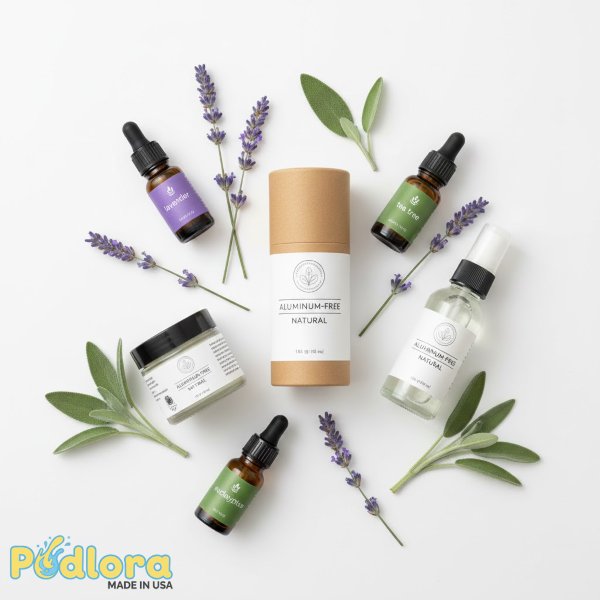
The aluminum in antiperspirants, when mixed with sweat and skin proteins, creates the staining reaction. Switching to aluminum-free alternatives significantly reduces yellowing potential. Look for natural deodorants featuring ingredients like baking soda, arrowroot powder, or magnesium.
Allow Deodorant to Fully Dry
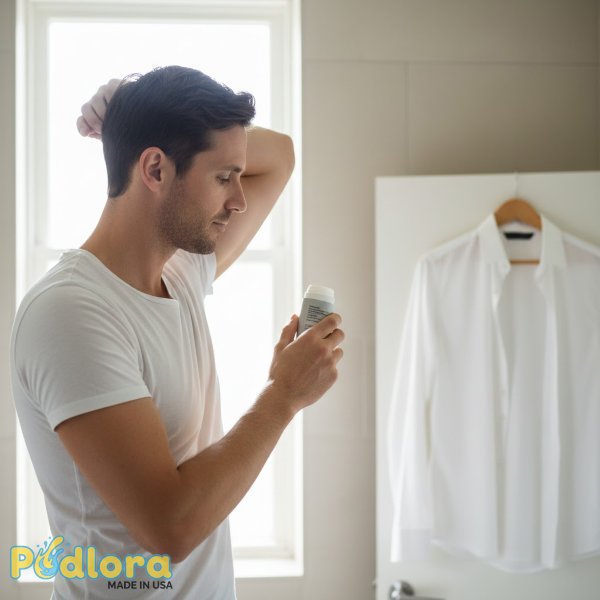
Before dressing, ensure your antiperspirant or deodorant has completely dried on skin. Wet product transfers directly to fabric, accelerating stain formation. Wait two to three minutes after application before putting on your shirt.
Wear Moisture-Wicking Undershirts
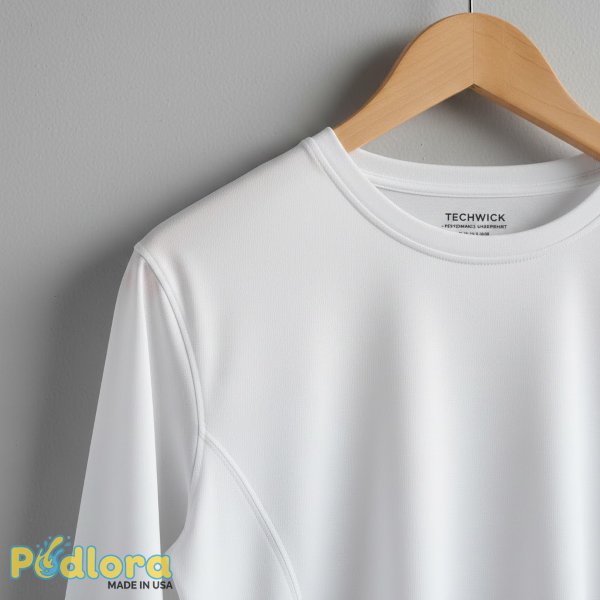
Strategic layering creates a protective barrier between perspiration and your dress shirts. Invest in quality undershirts designed with sweat-proof technology or moisture-wicking fabrics. This simple addition to your wardrobe dramatically extends the life of white dress shirts.
Choose Breathable, Natural Fabrics
Natural fabrics like cotton, wool, and silk regulate body temperature better than synthetic materials, reducing overall sweating compared to polyester and elastane. When shopping for new shirts, prioritize breathable weaves and natural fibers for improved comfort and reduced perspiration buildup.
Wash Shirts Promptly After Wearing
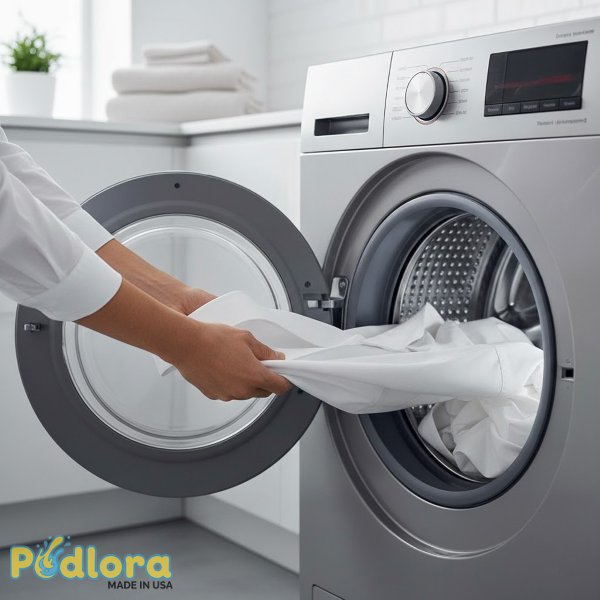
Don’t toss sweaty shirts into a laundry hamper where stains can set. Washing clothes after each wear prevents sweat stains from building up and becoming embedded in fabric. If immediate washing isn’t possible, hang the shirt to air out rather than leaving it crumpled in a pile.
Maintain Proper Grooming
Since hair retains moisture, keeping underarm hair trimmed helps minimize the environment where sweat, bacteria, and deodorant combine. This grooming practice reduces the intensity of perspiration stains when they do occur.
Select Appropriate Clothing Fit
Loose-fitting, breathable shirts keep fabric further from your body and deodorant, reducing sweat stain formation. While fitted shirts project a polished silhouette, slightly roomier cuts in the underarm area provide practical benefits for white clothing care.
Understanding Chromhidrosis and Colored Sweat Conditions
While most yellow armpit stains result from the aluminum-sweat reaction, some individuals experience sweat staining due to a rare medical condition. According to the International Hyperhidrosis Society’s information on chromhidrosis, this disorder causes sweat glands to produce colored sweat—including yellow, green, blue, brown, or black. The colors result from a pigment called lipofuscin produced in sweat glands.
If you notice unusually colored sweat despite using aluminum-free products, or if standard stain removal methods prove ineffective, consult a dermatologist. As Dermatology Times reports, chromhidrosis can be treated with topical capsaicin cream or botulinum toxin injections, though the condition is rare and requires professional diagnosis.
Treating Different Types of White Fabric
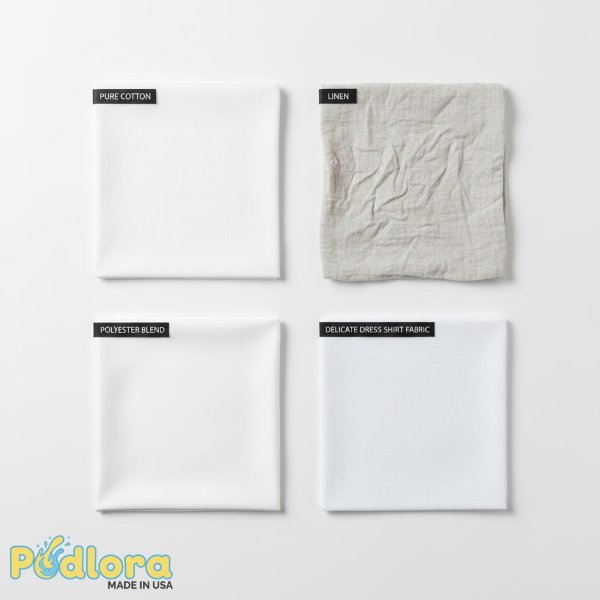
Not all white shirts respond identically to stain removal techniques. PODLORA recommends adjusting your approach based on fabric composition.
Cotton and Cotton Blends
Pure cotton tolerates aggressive treatments well. The standard vinegar-baking soda method works excellently. Cotton can handle hot water and repeated treatments without significant wear.
Linen
Linen’s natural texture makes it prone to wrinkling but relatively stain-resistant. Use cooler water temperatures and gentler scrubbing to preserve linen’s distinctive feel. The same removal formulas work effectively, but mechanical action should be minimized.
Synthetic Performance Fabrics
Polyester and performance blends require modified treatment. Use lukewarm rather than hot water, as excessive heat can damage synthetic fibers. Enzyme-based stain removers work particularly well on athletic shirts designed for moisture management.
Delicate Dress Shirt Fabrics
High-quality dress shirts often feature delicate weaves requiring gentler handling. Test any treatment solution on an inconspicuous area first. Consider hand-washing rather than machine-washing for luxury fabrics, and always follow manufacturer care instructions.
When to Use Natural Remedies for Removing Sweat Stains from White Fabric
PODLORA advocates for natural solutions as first-line treatments before escalating to commercial products. Natural remedies offer several advantages:
- Affordability: Vinegar, baking soda, and lemon juice cost significantly less than specialized commercial stain removers
- Safety: Natural ingredients pose minimal health risks and produce fewer harsh fumes
- Environmental Impact: Biodegradable natural solutions reduce chemical runoff into water systems
- Availability: Most households already stock these pantry staples
However, extremely stubborn or old stains may require commercial enzymatic cleaners specifically formulated for protein-based staining. Don’t hesitate to escalate treatment intensity when natural methods prove insufficient after multiple attempts.
Professional Care for Valuable White Shirts
Some situations warrant professional intervention. Shirts labeled “dry clean only” should never undergo home treatment without explicit garment care expertise. Additionally, vintage or heirloom white garments merit professional restoration services that specialize in delicate fabric handling.
When taking shirts to professional cleaners, point out sweat-stained areas specifically. Generic cleaning cycles may not address set-in perspiration stains without targeted attention. PODLORA recommends building relationships with quality dry cleaners who understand advanced stain removal techniques.
The Complete White Shirt Care Routine
Incorporating sweat stain prevention and removal into your regular routine ensures your white shirts maintain their pristine appearance. PODLORA suggests this comprehensive care schedule:
Daily:
- Allow deodorant to dry completely before dressing
- Hang worn shirts to air out if not washing immediately
- Inspect underarm areas for early signs of discoloration
Weekly:
- Wash white shirts separately from colored garments
- Use appropriate water temperature for fabric type
- Air dry until confirming no stains remain
Monthly:
- Deep-clean white shirt collection using vinegar soak method
- Inventory shirts for developing stains requiring treatment
- Rotate shirts to distribute wear evenly
Seasonally:
- Evaluate deodorant effectiveness and consider switching products
- Replace undershirts showing excessive wear
- Professionally clean valuable dress shirts
Addressing Collar Stains and Ring Around the Collar
While this guide focuses primarily on underarm staining, collar discoloration presents another common challenge for white shirts. Body oils, sweat, and styling products create that telltale “ring around the collar.”
Apply the same baking soda paste used for armpit stains directly to collar stains. Use a soft toothbrush to work the paste along the collar band, paying attention to both the inside and outside surfaces. The mechanical brushing action combined with the paste’s cleaning properties effectively removes collar grime.
For prevention, wipe your neck with a damp cloth before dressing, removing excess oils that transfer to shirt collars throughout the day.
Understanding Why Some Stains Resist Treatment
Occasionally, despite following proper techniques, some yellow armpit stains persist. Several factors explain resistant staining:
- Multiple Wash Cycles Before Treatment: Heat-set stains from previous dryer cycles prove particularly stubborn
- Fabric Damage: Over-bleaching or harsh treatments can permanently alter fabric structure
- Chemical Reactions: Some antiperspirant formulations create especially strong bonds with certain fabric types
- Water Hardness: Mineral content in water can interfere with cleaning agent effectiveness
For resistant stains, PODLORA recommends patience and repetition. Treat the garment, air dry, then immediately repeat the process. Sometimes five or six cycles are necessary for complete removal of old sweat stains from white shirts permanently embedded through years of wear.
FAQs About Removing Sweat Stains from White Shirts
How do you get armpit stains out of white shirts?
To get armpit stains out of white shirts, soak the garment in a solution of two parts water to one part white vinegar for 30 minutes. Then apply a paste made from baking soda, salt, and hydrogen peroxide directly to the stains. Scrub gently with a toothbrush, let sit for 20 minutes, and machine wash in hot water. Air dry to ensure complete stain removal before using a heated dryer.
How do you get sweat stains out of shirts that have been washed and dried?
Sweat stains that have been washed and dried require more intensive treatment because heat has set the stain into fabric fibers. Use the vinegar soaking method followed by the baking soda paste treatment, but extend soaking and paste application times up to an hour each. You may need to repeat the entire process multiple times. For particularly stubborn set-in stains, try adding lemon juice to the paste or using an oxygen bleach soak before the standard treatment.
How do you get rid of yellow armpit stains?
Yellow armpit stains result from the reaction between sweat proteins and aluminum-based antiperspirants. To eliminate them, create a powerful paste using baking soda, hydrogen peroxide, and salt. Apply this to the yellowed areas after soaking the shirt in diluted white vinegar. The combination of acid (vinegar) and alkaline (baking soda) treatments breaks down the chemical bonds causing the discoloration. Avoid chlorine bleach, which can actually darken yellow stains rather than remove them.
How long to leave white vinegar on sweat stains?
Leave white vinegar solution on sweat stains for a minimum of 30 minutes for standard stain removal. For more ingrained stains, you can extend vinegar treatment up to several hours or even overnight. The longer contact time allows the acid to more thoroughly penetrate and break down embedded sweat and deodorant residue. However, avoid leaving vinegar on colored fabrics for extended periods, as it may cause dye reactions—this concern applies less to white shirts.
Can you permanently remove sweat stains from white shirts?
Yes, you can permanently remove sweat stains from white shirts using the proper treatment techniques. The key is addressing stains before they set through heated dryer cycles and using a combination of acidic treatments (vinegar) and alkaline treatments (baking soda) to break down all stain components. For old, set-in stains, multiple treatment cycles may be necessary, but persistence typically succeeds in restoring shirts to their original white appearance.
Why do my white shirts get yellow armpit stains even with aluminum-free deodorant?
Even aluminum-free deodorants can cause yellowing because sweat itself contains proteins, oils, and other compounds that discolor fabric over time. Additionally, many natural deodorants contain ingredients like baking soda or coconut oil that can react with sweat to create residue. The yellow discoloration may also result from bacteria breaking down sweat on fabric rather than from the deodorant itself. Regular washing immediately after wear helps minimize this buildup.
Does baking soda remove old sweat stains?
Baking soda effectively removes old sweat stains when used correctly. Its alkaline nature helps break down acidic sweat components, while its mild abrasiveness mechanically lifts stain particles from fabric fibers. For best results with old stains, use baking soda as part of a paste with hydrogen peroxide and salt rather than alone. This combination provides multiple stain-fighting mechanisms that work synergistically to tackle even deeply embedded discoloration.
What removes sweat stains from collars?
Collar stains respond to the same treatment as armpit stains. Apply baking soda paste along the entire collar band, paying attention to both visible and hidden surfaces. Use a soft toothbrush to gently work the paste into the fabric, following the collar’s curve. Body oils mixed with perspiration create collar stains, so the combination of mechanical scrubbing and alkaline paste effectively removes this residue. For prevention, wipe your neck clean before dressing to minimize oil transfer.
Summary: Key Points for Removing Sweat Stains from White Shirts
| Aspect | Key Information |
|---|---|
| Primary Cause | Chemical reaction between sweat components (proteins, oils, salts) and aluminum-based antiperspirant ingredients |
| Best Removal Method | Vinegar soak (30 minutes) followed by baking soda-salt-hydrogen peroxide paste treatment (20 minutes), then hot water wash |
| Critical Mistake to Avoid | Using heated dryer before confirming complete stain removal—heat permanently sets remaining stains |
| Best Prevention Strategy | Switch to aluminum-free deodorant, wear moisture-wicking undershirts, and wash shirts promptly after wear |
| Natural Remedies | White vinegar, baking soda, hydrogen peroxide, lemon juice, salt, and sunlight exposure all effectively treat perspiration stains |
| Treatment Timing | Fresh stains respond best, but even old set-in stains can be removed with persistent repeated treatments |
| What Not to Use | Chlorine bleach—it actually darkens protein-based sweat stains rather than removing them |
| Fabric Considerations | Cotton tolerates aggressive treatment; synthetics require cooler water; delicate fabrics need gentler handling |
| Success Rate | Multiple treatment cycles (3-6 repetitions) successfully remove even severely yellowed stains in most cases |
| Professional Help | Seek professional cleaning for “dry clean only” garments, valuable vintage shirts, or after unsuccessful home attempts |
Conclusion
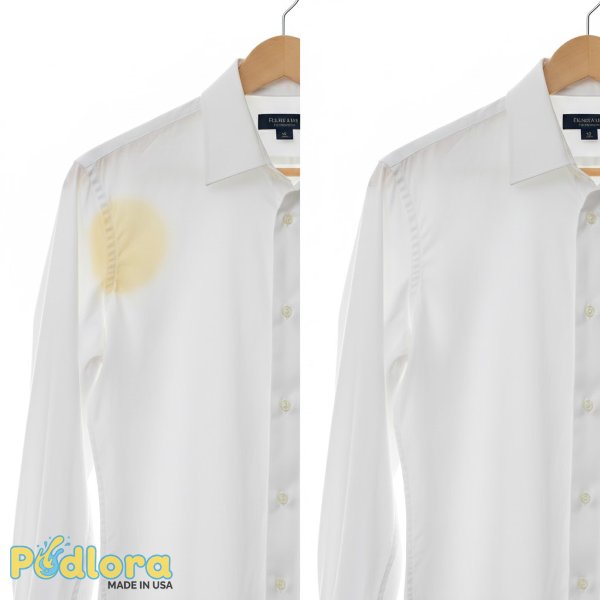
Learning how to remove sweat stains from white shirts permanently empowers you to maintain a professional wardrobe without constantly replacing yellowed garments. The proven combination of vinegar soaking and baking soda paste treatment provides an effective, affordable solution using common household ingredients.
At PODLORA, we believe that proper garment care extends beyond aesthetics—it represents environmental stewardship and financial wisdom. By mastering these stain removal techniques and implementing preventative strategies, you’ll significantly extend the life of your white shirts while maintaining their crisp, clean appearance.
Remember that success often requires patience and repetition, especially with old stains. Don’t become discouraged if the first treatment doesn’t completely eliminate discoloration. With persistent application of these proven methods, you’ll restore even heavily stained shirts to their original pristine condition.
Implement the prevention strategies outlined here—aluminum-free deodorant, protective undershirts, prompt washing, and proper fabric care—to minimize future staining. This comprehensive approach to white clothing care ensures your shirts remain stain-free and professionally presentable for years to come.

Hi, I’m Emma Sullivan — a Texas-based writer who specializes in product design, e-commerce, and customer experience. With over five years of writing experience, I love turning complex information into clear, helpful content that makes online shopping easier for everyone. Having spent years working in the U.S. print-on-demand and merchandising space, I focus on creating articles that are honest, engaging, and genuinely useful.