
How to Wash Button Down and Button Up Shirts Properly
Button-down and button-up shirts are wardrobe essentials that require proper care to maintain their crisp appearance and longevity. Whether you’re dealing with dress shirts for the office or casual button-ups for weekend wear, understanding how to wash button down shirts correctly can make the difference between shirts that last for years and ones that quickly lose their shape and color.
At Podlora, we’ve worked with countless customers who’ve shared their frustrations about prematurely worn shirts, yellowed collars, and faded fabrics. The truth is, most shirt damage happens during the washing process—but it’s entirely preventable with the right knowledge of how to wash button up shirts.
Understanding Your Shirt Fabric Before Washing
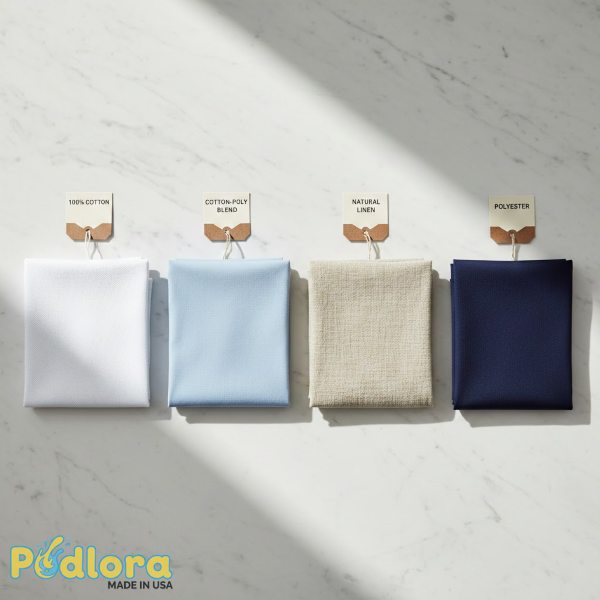
Before you learn how to wash button down shirts effectively, you need to understand what they’re made of. The fabric composition directly impacts your washing approach and determines the best methods for how to wash shirts of different types.
Common Shirt Fabrics and Their Care Needs
Cotton shirts dominate most wardrobes, and knowing how to wash cotton shirts properly is essential. Learning how to wash 100 cotton garments requires special attention because pure cotton is durable but prone to shrinkage if exposed to high heat. According to Consumer Reports’ fabric care guide, cotton can shrink up to 5% during the first wash if not handled correctly.
Cotton-blend shirts combine cotton with synthetic fibers like polyester or elastane, making them more wrinkle-resistant and easier to care for. When you wash button up shirts made from blends, they typically handle machine washing better than pure cotton.
Linen button-ups require gentle handling due to the fabric’s natural tendency to wrinkle. While linen is remarkably durable, aggressive washing can damage its fibers when you wash button down shirts made from this material.
Synthetic fabrics like polyester are low-maintenance but can trap odors if washed at incorrect temperatures. Understanding how to wash shirts made from synthetic materials ensures they stay fresh longer.
Here’s the part most people don’t realize: the care label isn’t just a suggestion—it’s based on extensive fabric testing. Ignoring it is the fastest way to ruin a quality shirt when learning how to wash button down shirts.
Pre-Washing Preparation: The Steps Everyone Skips
From our experience working with customers at Podlora, we’ve noticed that proper pre-washing preparation is where most people cut corners when they wash dress shirts. Yet this stage determines whether your shirt comes out looking pristine or permanently stained.
Sorting and Inspection
When preparing for laundry shirts, sort them by:
- Color: Whites separate from colors, and darks from lights
- Fabric weight: Lightweight dress shirts shouldn’t be washed with heavy denim or towels
- Soil level: Heavily soiled shirts need pre-treatment
Check for stains before you wash button up shirts. Heat from the dryer can set stains permanently, making them nearly impossible to remove later. The American Cleaning Institute recommends treating stains immediately for best results when you wash dress shirts.
Should You Button Shirts Before Washing?
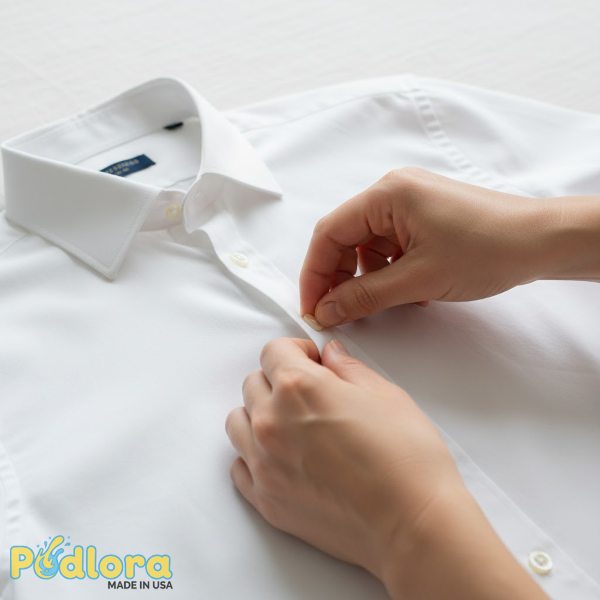
Are you supposed to wash button-up shirts buttoned? This is one of the most frequently asked questions about how to wash button down shirts, and the answer matters more than you’d think.
The general rule: Button up all buttons except the collar button when you wash button up shirts. This approach:
- Prevents buttonholes from stretching during the wash cycle
- Keeps the shirt’s shape more consistent
- Reduces tangling with other garments
- Protects buttons from snagging or breaking
However, leave the top collar button undone to prevent stress on the collar band, which is particularly vulnerable when you wash dress shirts.
Pre-Treating Collar and Cuff Stains
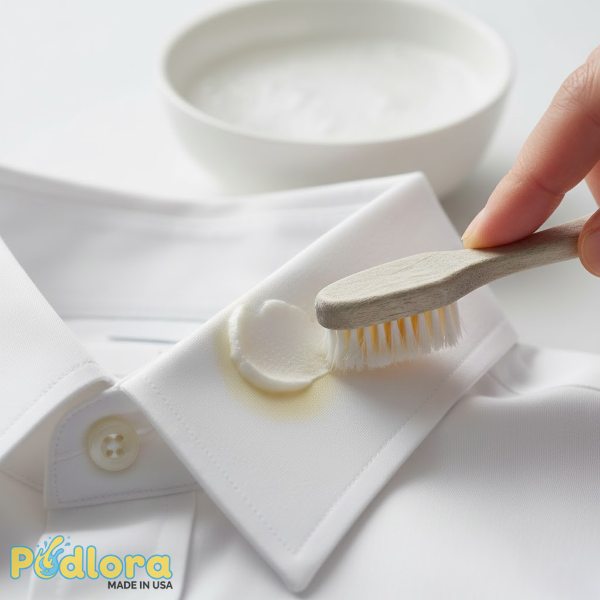
Collar and cuff stains are inevitable, especially when you wash white dress shirts regularly. Body oils, sweat, and skin cells accumulate in these areas, creating that telltale yellowing.
Pre-treatment technique for stubborn stains:
- Apply a small amount of liquid laundry detergent directly to the stained area
- Gently work it in with an old toothbrush using circular motions
- Let it sit for 15-30 minutes before you wash button down shirts
- For tough stains, create a paste with baking soda and water
When learning how to wash white dress shirts, remember that prevention is easier than cure. Applying talcum powder to collar areas before wearing can reduce oil absorption.
Machine Washing: How to Wash Button Up Shirts in a Washing Machine
Machine washing is the most convenient method for most people, and when done correctly, it’s perfectly safe for how to wash button down shirts effectively.
Temperature Settings for Different Fabrics
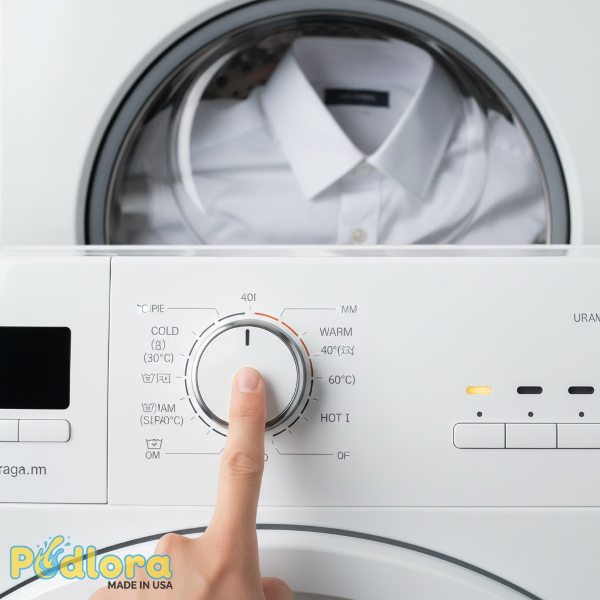
The debate between washing clothes at 40 or 60 degrees has a nuanced answer. Is it better to wash clothes at 40 or 60 degrees? For most situations when you wash button up shirts, 40°C (104°F) is the optimal temperature.
Here’s why temperature matters when you learn how to wash dress shirts:
Cold water (30°C/86°F or below):
- Best for dark colors to prevent fading when you wash button down shirts
- Reduces energy consumption by up to 90% according to Energy Star guidelines
- Minimizes shrinkage risk for how to wash cotton shirts
- May not remove heavy staining effectively
Warm water (40°C/104°F):
- Ideal balance for cleaning and fabric care when you wash button up shirts
- Effectively removes most stains and oils
- Safe for cotton, blends, and most dress shirts
- Recommended approach for how to wash cotton clothes properly
Hot water (60°C/140°F and above):
- Only necessary for heavily soiled work shirts or sanitization needs
- Risks shrinkage and color fading when you wash dress shirts
- Shortens fabric lifespan
- Should be avoided for washing 100 cotton dress shirts unless specifically indicated
This is where things get tricky: white shirts can often handle warmer temperatures when you wash button down shirts, but if they contain any synthetic fibers or special finishes, hot water can cause irreversible damage.
Selecting the Right Wash Cycle
When figuring out how to machine wash dress shirts, the cycle selection is as important as temperature for how to wash button up shirts successfully.
Delicate or Gentle cycle:
- Use for high-quality dress shirts, silk blends, or shirts with special details
- Lower agitation speeds protect fabric integrity when you wash button down shirts
- Shorter spin cycles reduce wrinkling
Normal cycle:
- Suitable for everyday cotton button-ups
- Appropriate for most casual shirts
- Standard option for how to wash shirts in regular laundry loads
Heavy-duty cycle:
- Generally avoid when you wash dress shirts
- Only for extremely soiled work shirts made of durable fabrics
Detergent Selection and Quantity
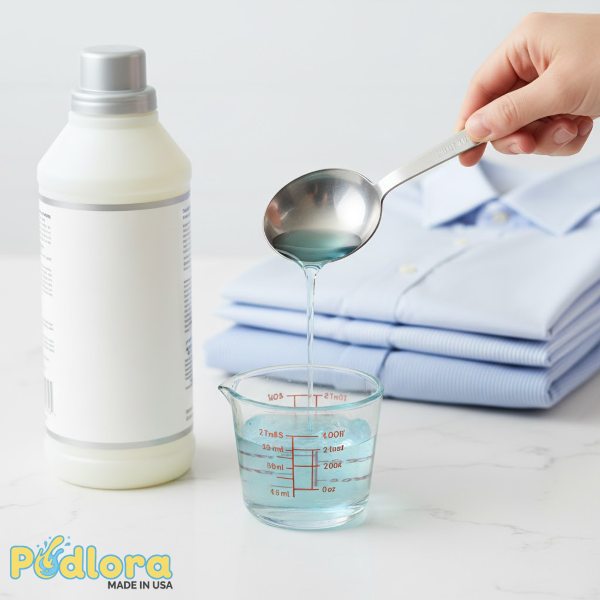
The right detergent makes a significant difference in how to clean dress shirts effectively and how to launder dress shirts for longevity.
Choose a high-quality liquid detergent over powder when you wash button up shirts. Liquid detergents:
- Dissolve more completely in cooler water
- Leave less residue on fabrics
- Are less likely to cause white streaking
Use the correct amount: According to Good Housekeeping’s laundry experts, most people use too much detergent. For a standard load when you wash button down shirts:
- 2 tablespoons of liquid detergent for regular machines
- 1 tablespoon for high-efficiency (HE) washers
Excess detergent doesn’t mean cleaner clothes—it actually attracts more dirt and can leave residue that dulls fabric colors when you wash dress shirts.
Special Considerations for White Button-Down Shirts
Learning how to wash white button down shirts requires additional attention to maintain their brightness and prevent yellowing over time.
Oxygen-based bleach is safer than chlorine bleach for regular use when you wash button up shirts. It brightens whites without the harsh chemical damage. Add it to your wash cycle when you wash white dress shirts to combat yellowing.
Avoid mixing whites with colors, even light colors, when you wash button down shirts. Dye transfer is subtle but cumulative, and your crisp white shirts can develop a grayish tint over time.
Bluing agents are old-school but effective. These optical brighteners make white shirts appear whiter by counteracting yellowing. Many modern detergents include bluing agents, but you can also add liquid bluing separately when you wash dress shirts.
Hand Washing: How to Hand Wash Dress Shirts
Some shirts—particularly those made from delicate fabrics or with special details—require hand washing. Knowing how to hand wash a shirt properly and how to hand wash dress shirts ensures these special pieces last longer.
When Hand Washing Is Necessary
How do i wash delicate button-up shirts? Hand wash your shirts when:
- The care label specifically requires it
- The shirt contains delicate fabrics like silk or fine linen
- It features special embellishments, embroidery, or delicate buttons
- You’re dealing with vintage or heirloom pieces
- The shirt has experienced significant staining that needs targeted treatment
Step-by-Step Hand Washing Process
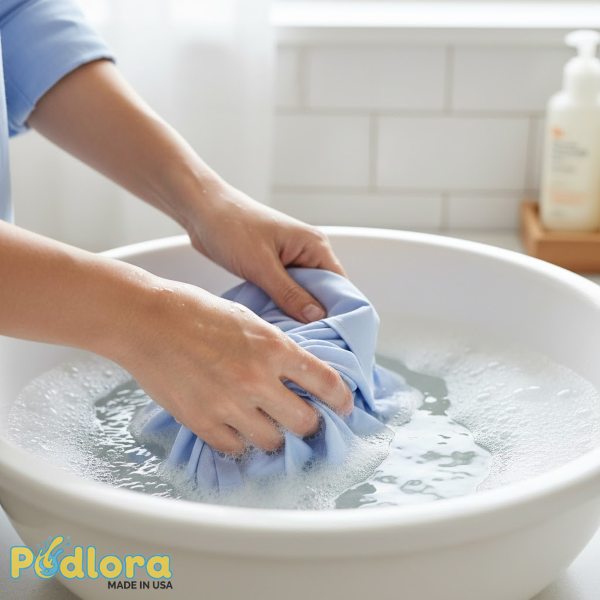
Step 1: Prepare the washing basin Fill a clean sink or basin with cool to lukewarm water (never hot) when you hand wash button up shirts. Add a small amount of gentle liquid detergent—about one teaspoon is sufficient.
Step 2: Submerge and soak Turn the shirt inside out to protect the outer surface. Submerge it completely and let it soak for 10-15 minutes. This loosens dirt and oils without aggressive agitation when you wash button down shirts by hand.
Step 3: Gentle agitation Gently swish the shirt through the water, paying special attention to the collar, cuffs, and underarm areas. Never twist, wring, or scrub aggressively—these actions distort the fabric and can cause permanent damage when you wash dress shirts.
Step 4: Targeted spot treatment For stubborn stains, gently rub the fabric against itself or use a soft brush with minimal pressure when you wash button up shirts by hand.
Step 5: Rinse thoroughly Drain the soapy water and refill with clean, cool water. Rinse the shirt by gently moving it through the water. Repeat until no soap residue remains—this typically takes 2-3 rinses. The Textile Industry Affairs guide to fabric care emphasizes that soap residue can stiffen fabrics and attract dirt when you wash cotton shirts.
Step 6: Remove excess water Never wring out a dress shirt. Instead, lay it flat on a clean, dry towel. Roll the towel and shirt together, pressing gently to absorb water. Unroll and proceed to drying—this is the proper wash & dry method for delicate shirts.
In reality, most people underestimate how effective hand washing can be when they wash button down shirts. For lightly worn dress shirts, hand washing with proper technique often provides superior results to machine washing while being gentler on the fabric.
Drying Button-Down Shirts: Preserving Shape and Quality
How you dry your shirts is just as important as how you wash button up shirts. Improper drying causes more damage than almost any other part of the shirt laundry process.
Air Drying vs. Machine Drying
Air drying is the gold standard for dress shirt laundry when you wash button down shirts. It:
- Eliminates shrinkage risk
- Prevents heat damage to fibers
- Extends garment lifespan significantly
- Reduces wrinkles when done correctly
- Costs nothing and uses no energy
Machine drying offers convenience but comes with risks when you wash dress shirts:
- High heat can shrink cotton shirts by 3-5%
- Weakens fabric fibers over time
- Can set stains permanently
- May damage buttons and cause them to crack
At Podlora, we always recommend air drying for quality shirts when you wash button up shirts. The few extra minutes of hanging time translates to months of additional wear life.
Proper Air Drying Technique

For button-down dress shirts:
- Shake the shirt vigorously after you wash button down shirts to release wrinkles
- Button the top 2-3 buttons to help maintain collar shape
- Hang on a quality wooden or padded hanger—avoid wire hangers that create shoulder dimples
- Position in a well-ventilated area away from direct sunlight (which can fade colors)
- Ensure the collar is properly positioned and smooth
This wash & dry approach is the most effective method for preserving shirt quality.
Speed up drying time when you wash button up shirts by:
- Using a fan to improve air circulation
- Hanging shirts in a warm (not hot), dry room
- Spacing multiple laundry shirts apart so air flows between them
How to Quickly Dry a Shirt When Time Is Short
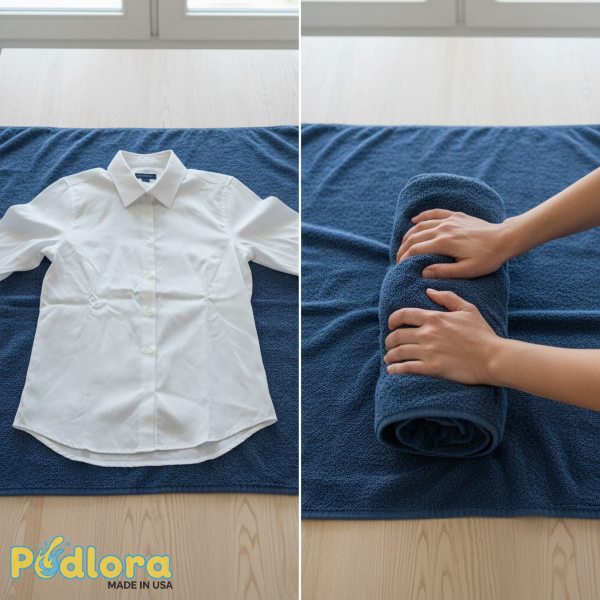
Need to know how to quickly dry a shirt for an unexpected event? Here are effective emergency methods after you wash button down shirts:
The towel roll method (works for most fabrics):
- Lay the shirt flat on a large, dry towel
- Roll them together tightly
- Press firmly along the entire roll to transfer moisture
- Unroll and hang immediately
- This removes 50-70% of moisture instantly—an efficient wash & dry technique
The hair dryer method (use cautiously):
- Hang the shirt and use a hair dryer on medium heat
- Keep the dryer moving constantly to avoid heat damage
- Focus on collar, cuffs, and thick seam areas first
- Never use the highest heat setting when you wash dress shirts
The iron dry method:
- Place a clean towel on your ironing board
- Lay the damp shirt on the towel
- Iron on appropriate heat setting (check care label)
- The iron’s heat evaporates moisture while simultaneously removing wrinkles
When Machine Drying Is Acceptable
If you must use a dryer after you wash button up shirts, follow these guidelines:
- Use the lowest heat setting or “air dry” option
- Remove shirts while still slightly damp
- Hang immediately to finish air drying and prevent wrinkles
- Never overdry—this causes excessive shrinkage and fabric damage
- Add dryer balls to improve air circulation and reduce drying time
Common Mistakes That Ruin Button-Down Shirts
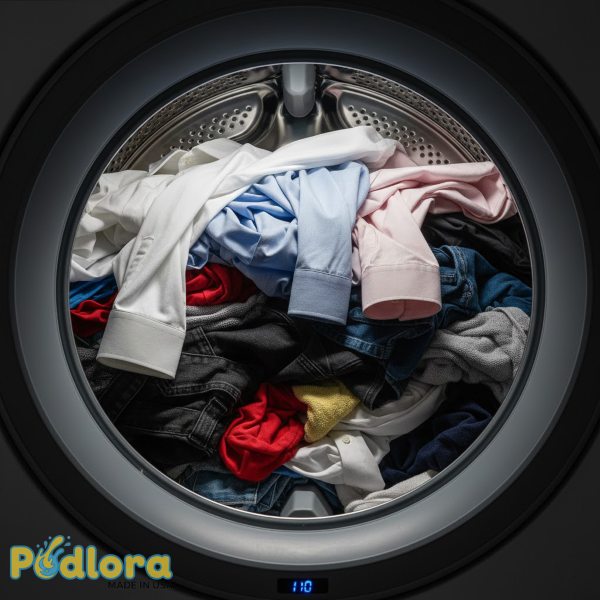
From our experience at Podlora, we’ve identified several recurring mistakes that dramatically shorten shirt lifespans when people wash button down shirts.
Overloading the Washing Machine
When you wash dress shirts in washing machine, overcrowding prevents proper cleaning and increases wrinkling. Shirts need space to move freely through the water. A properly loaded washer should be about 75% full—you should be able to fit your hand between the garments and the top of the drum when you wash button up shirts.
Using Too Much Detergent
How do i wash shirts without leaving residue? More soap doesn’t equal cleaner clothes when you wash button down shirts. Excess detergent:
- Leaves residue that attracts dirt
- Can dull colors and make whites appear dingy
- Requires additional rinse cycles
- Builds up in washing machines, reducing their efficiency
Ignoring Stains Until They Set
The time between staining and treatment determines success when you wash dress shirts. Stains that sit for days or weeks become chemically bonded to fabric fibers, making removal nearly impossible. Address stains within 24 hours when learning how to launder dress shirts properly.
Mixing Incompatible Items
Washing delicate dress shirts with heavy jeans, towels, or items with zippers creates friction that damages fabric when you wash button up shirts. The rough surfaces of these items abrade shirt fibers, causing premature wear and pilling.
Skipping the Rinse Cycle Check
Modern high-efficiency washers use less water, which can sometimes leave soap residue when you wash button down shirts. Always ensure your machine completes its full rinse cycle. If shirts feel stiff or look slightly cloudy when dry, they need additional rinsing.
Special Care Tips for Different Shirt Types
Washing Shirts With Specific Brand Requirements
Some shirt manufacturers, like Charles Tyrwhitt, provide specific care recommendations. When learning how to wash Charles Tyrwhitt shirts or other premium brands, always check for brand-specific instructions on the care label or website. Premium shirts often feature special finishes or treatments that require adjusted care when you wash button up shirts.
Caring for Formal vs. Casual Button-Ups
Formal dress shirts typically need more careful attention when you wash button down shirts:
- More frequent washing (after each wear)
- More careful stain treatment
- Professional dry cleaning for heavily starched shirts
- Immediate hanging after washing to prevent creases
Casual button-ups can be maintained more simply when you wash shirts:
- Worn 2-3 times between washes (unless soiled or sweaty)
- Machine washed on normal cycles more safely
- Tumble dried on low heat if made from durable fabrics
Maintaining Shirt Color Vibrancy
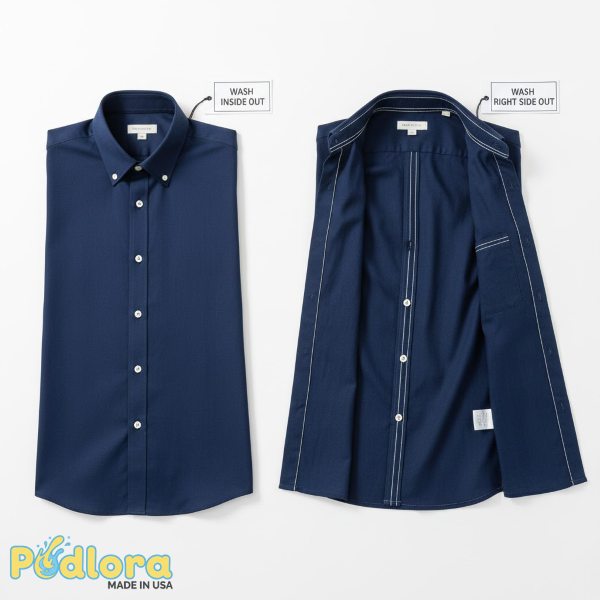
For colored button-downs when you wash button up shirts:
- Wash inside out to reduce color fading
- Use cold or warm water instead of hot
- Choose detergents formulated for color protection
- Add 1/2 cup of white vinegar to the rinse cycle occasionally to set colors (the Smithsonian Museum Conservation Institute recommends this method)
- Avoid direct sunlight when drying
For dark shirts when you wash button down shirts:
- Minimize washing frequency
- Use detergents specifically formulated for darks
- Turn inside out before washing
- Skip bleach or brightening agents entirely
Storage and Between-Wash Care
Proper care extends beyond just how to wash cotton shirts—storage and between-wash maintenance are equally important for laundry shirts.
Allowing Shirts to Air Out
Don’t immediately wash lightly worn button-down shirts. Instead:
- Hang them in a well-ventilated area for 24 hours
- Let body moisture and odors dissipate naturally
- Check for stains that need spot treatment
- Decide if washing is truly necessary
This practice, recommended by fabric care experts, can double the time between washes for casual button-ups, significantly extending their lifespan before you need to wash dress shirts again.
Using Shirt Shields and Undershirts
Prevention is always easier than treatment. Sweat and body oils are the primary culprits behind collar and underarm staining when you wash button up shirts. Consider:
- Wearing quality undershirts that absorb moisture
- Using disposable underarm shields for dress shirts
- Applying antiperspirant at night so it fully absorbs before dressing
Proper Hanging Techniques

Investment in quality hangers pays dividends when you wash button down shirts regularly. Use:
- Wooden or padded hangers for dress shirts
- Hangers with curved shoulders that match natural shoulder lines
- Hangers with notches for holding shirt loops if present
- Adequate spacing in closets for air circulation
Ironing and Final Presentation
Even when you perfectly wash button up shirts, they need proper finishing.
When to Iron vs. Steam
Ironing works best for:
- Cotton and linen shirts after you wash button down shirts
- Creating crisp, sharp creases
- Removing stubborn wrinkles
Steaming is preferable for:
- Delicate fabrics
- Hanging garments
- Quick touch-ups
- Shirts with embellishments
Ironing Technique for Button-Downs
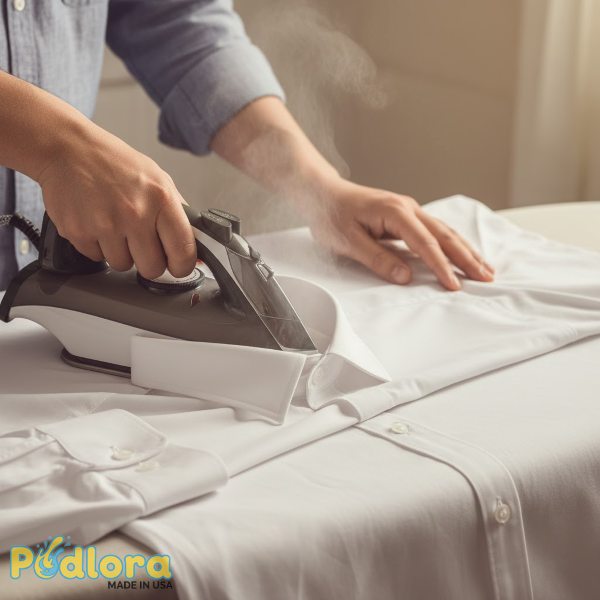
After you wash dress shirts, iron them using this sequence:
- Start with the collar (from points inward)
- Move to the yoke (shoulder area)
- Iron the sleeves flat, starting at the cuff
- Press the front panels, working around buttons
- Finish with the back panel
Use a pressing cloth for delicate fabrics and never iron over buttons directly—this can crack them when you wash button up shirts and iron them afterward.
Troubleshooting Common Washing Problems
Yellow Collar Stains Won’t Come Out
Solution: Create a paste of hydrogen peroxide, baking soda, and dish soap. Apply to stains, let sit for one hour, then wash normally. For persistent yellowing when you wash button down shirts, the American Association of Textile Chemists and Colorists suggests enzymatic stain removers containing protease enzymes.
Shirts Come Out Wrinkled
Solution after you wash dress shirts:
- Remove shirts from the washer immediately
- Don’t overload the machine
- Use the permanent press cycle
- Add vinegar to the rinse cycle as a natural fabric softener
Fabric Feels Stiff After Washing
Solution when you wash button up shirts:
- Reduce detergent quantity
- Run an extra rinse cycle
- Add 1/2 cup white vinegar to the rinse cycle
- Avoid fabric softener, which can build up on dress shirts
Colors Bled Onto White Shirts
Solution after you mistakenly wash button down shirts together:
- Immediately rewash with oxygen bleach and hot water (if fabric allows)
- Try a color remover product designed for this purpose
- Prevention: always separate whites from colors during wash and dry
Shirts Shrunk in the Wash
Solution after you wash dress shirts at too high temperature:
- Gently stretch the shirt while damp
- Soak in lukewarm water with hair conditioner for 15 minutes, then carefully stretch
- Prevention is key: always follow temperature guidelines and air dry
Professional Dry Cleaning: When It’s Worth It
While this guide focuses on how to wash dress shirts at home and how to wash button up shirts yourself, some situations call for professional intervention.
When to Choose Dry Cleaning
Consider professional dry cleaning instead of learning how to wash button down shirts at home for:
- Formal shirts with special finishes (heavy starch, special coatings)
- Shirts made from silk or other delicate natural fibers
- Garments with “Dry Clean Only” labels
- Stubborn stains that home methods can’t remove
- Vintage or heirloom shirts with sentimental value
What Dry Cleaners Do Differently
Professional cleaners use solvents instead of water when they wash shirts, which:
- Don’t cause shrinkage
- Are effective on oil-based stains
- Maintain fabric structure better for certain materials
- Can apply professional pressing for an ultra-crisp finish
However, frequent dry cleaning can be harsh on fabrics. For most situations, knowing how to wash button up shirts at home is perfectly adequate and often preferable.
Environmental and Cost Considerations
Learning how to wash button down shirts efficiently benefits both your wallet and the environment when you launder shirts regularly.
Water and Energy Efficiency
When you wash dress shirts efficiently:
- Cold water washing saves approximately $60 annually in energy costs according to Energy.gov
- Air drying eliminates dryer energy consumption entirely
- Full loads maximize water efficiency while respecting capacity limits
Extending Garment Lifespan Reduces Waste
At Podlora, we believe sustainable fashion starts with garment care. When you properly wash button up shirts, a well-maintained button-down can last 5-10 years, while poorly cared-for shirts may need replacement within 1-2 years. This difference represents:
- Significant cost savings
- Reduced textile waste in landfills
- Lower environmental impact from manufacturing
Eco-Friendly Detergent Options
Consider plant-based or concentrated detergents when you wash button down shirts that:
- Use biodegradable ingredients
- Require less packaging
- Work effectively in cold water
- Reduce chemical runoff into water systems
Summary Table: Button-Down Shirt Washing Guide
| Care Aspect | Best Practice | Why It Matters |
|---|---|---|
| Sorting | Separate by color and fabric weight | Prevents color bleeding and fabric damage |
| Buttoning | Button all except collar before washing | Maintains shape, prevents stretching |
| Temperature | 40°C (104°F) for most shirts | Balances cleaning power with fabric protection |
| Detergent Amount | 2 tbsp for regular, 1 tbsp for HE washers | Prevents residue buildup and ensures proper cleaning |
| Wash Cycle | Delicate for dress shirts, Normal for casual | Protects fabric integrity and special finishes |
| Pre-treatment | Address stains before washing | Prevents permanent setting during drying |
| Drying Method | Air dry on hangers when possible | Eliminates shrinkage risk, extends garment life |
| Machine Drying | Lowest heat, remove while damp | Minimizes heat damage if machine drying necessary |
| Frequency | Dress shirts after each wear, casual after 2-3 | Balances cleanliness with fabric longevity |
| Storage | Quality hangers in ventilated space | Prevents wrinkles, allows moisture to dissipate |
Frequently Asked Questions
How to properly wash button down shirt?
To properly wash a button-down shirt, first check the care label for specific instructions. Button all buttons except the collar, turn the shirt inside out for colored fabrics, and pre-treat any stains on the collar or cuffs. When you wash button down shirts, use warm water (40°C/104°F) with a gentle or normal cycle and appropriate detergent quantity. Remove immediately after the wash cycle ends and air dry on a quality hanger to maintain shape and prevent shrinkage.
Are you supposed to wash button-up shirts buttoned?
Yes, you should button up all buttons except the top collar button before you wash button up shirts. This practice prevents buttonholes from stretching during the wash cycle, helps maintain the shirt’s shape, and reduces tangling with other garments. However, leaving the collar button undone prevents unnecessary stress on the collar band, which is a particularly vulnerable area when you wash dress shirts.
Is it better to wash clothes at 40 or 60 degrees?
For most situations when you wash button down shirts and dress shirts, 40°C (104°F) is better than 60°C. This temperature effectively removes dirt, oils, and most stains while protecting fabric integrity and color vibrancy. Washing at 60°C increases risks of shrinkage, color fading, and fiber weakening. Reserve higher temperatures only for heavily soiled items or when sanitization is specifically needed, and always check the care label first.
How to wash a shirt without ruining it?
To wash a shirt without ruining it, follow these essential steps: read and respect the care label, separate colors from whites, use appropriate water temperature (typically warm, not hot), button the shirt before you wash button up shirts, use the correct amount of high-quality detergent, avoid overloading the washing machine, remove the shirt immediately after the cycle ends, and air dry on a proper hanger rather than using high heat in the dryer. These practices prevent common damage like shrinkage, color fading, stretching, and premature wear.
Can I put dress shirts in the dryer?
While you can put some dress shirts in the dryer after you wash dress shirts, it’s generally not recommended for quality garments. If you must use a dryer, select the lowest heat setting, remove shirts while still slightly damp, and hang immediately to finish air drying. High heat causes shrinkage, weakens fibers, and can damage buttons. Air drying is always the safest option for preserving dress shirt quality and longevity.
How often should I wash button-down shirts?
Dress shirts worn directly against the skin should be washed after each wearing due to sweat and body oil accumulation. Casual button-up shirts can typically be worn 2-3 times between washes if they’re not visibly soiled or odorous. Allow shirts to air out between wears to extend time before you need to wash button down shirts again. However, always wash immediately if stains occur or if the shirt has been worn during physical activity.
Should I use fabric softener on dress shirts?
Avoid using fabric softener when you wash dress shirts, especially those made from cotton or performance fabrics. Fabric softener leaves a coating on fibers that can reduce the shirt’s ability to breathe, diminish moisture-wicking properties, and cause buildup over time that makes shirts feel stiff. Instead, add 1/2 cup of white vinegar to the rinse cycle as a natural softening alternative that doesn’t leave residue when you wash button up shirts.
What’s the best way to remove stubborn collar stains?
For stubborn collar stains when you wash button down shirts, create a pre-treatment paste using equal parts hydrogen peroxide, baking soda, and a small amount of dish soap. Apply this mixture directly to the stained area, gently work it in with an old toothbrush using circular motions, and let it sit for 30-60 minutes before you wash dress shirts normally. For prevention, apply talcum powder to collar areas before wearing or use a clean cloth to remove oils from your neck before putting on the shirt.
Final Thoughts
Mastering how to wash button up shirts and how to wash button down shirts properly isn’t complicated—it simply requires attention to detail and consistent application of correct techniques. The difference between shirts that last two years versus ten years often comes down to these fundamental care practices when you wash shirts regularly.
At Podlora, we’ve seen firsthand how proper garment care transforms not just the longevity of clothing but also people’s relationships with their wardrobes. When you invest time in learning how to clean dress shirts correctly and how to launder dress shirts properly, you’re not just maintaining fabric—you’re preserving your investment, reducing environmental impact, and ensuring you always look your best.
The techniques outlined in this guide apply whether you’re washing a single luxury dress shirt or an entire week’s worth of casual button-downs. Start implementing these practices today when you wash button down shirts, and you’ll notice immediate improvements in how your shirts look, feel, and wear over time.
Remember: every shirt deserves proper care, and with this knowledge of how to wash button up shirts correctly, you’re now equipped to provide it.

Hi, I’m Emma Sullivan — a Texas-based writer who specializes in product design, e-commerce, and customer experience. With over five years of writing experience, I love turning complex information into clear, helpful content that makes online shopping easier for everyone. Having spent years working in the U.S. print-on-demand and merchandising space, I focus on creating articles that are honest, engaging, and genuinely useful.