How to Wash Custom Printed T-Shirts Without Fading the Design
Custom printed t-shirts have become a staple in wardrobes worldwide, representing personal style, brand loyalty, or cherished memories. Whether you’ve invested in premium screen-printed designs, vibrant DTG graphics, or heat transfer vinyl creations, proper care is essential to maintain their appearance. Understanding how to wash custom printed t-shirts correctly can mean the difference between a design that lasts for years and one that fades after just a few washes.
The care you provide your custom apparel directly impacts its longevity and visual appeal. Many people unknowingly damage their favorite printed shirts through improper washing techniques, high heat exposure, or harsh detergents. This comprehensive guide will walk you through proven methods to preserve your custom prints while keeping your garments clean and fresh.
Understanding Different Types of Custom Prints

Before diving into washing instructions, it’s important to recognize that not all custom printed t-shirts are created equal. The printing method significantly affects how you should care for your garment.
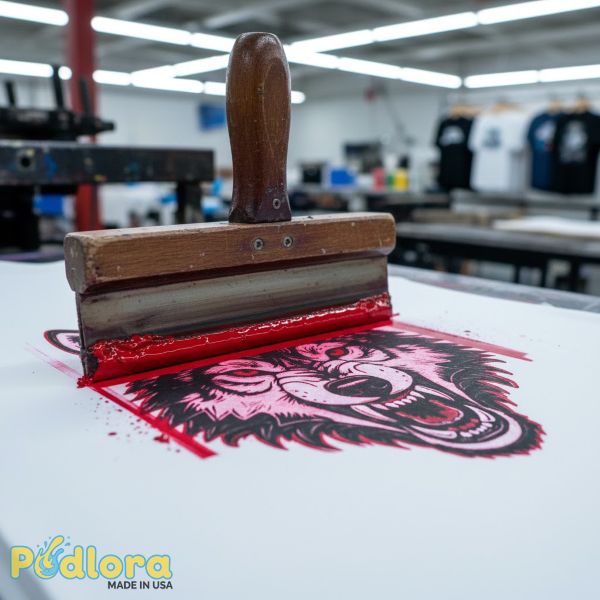
Screen Printing remains one of the most durable printing techniques, where ink is pushed through a mesh screen directly onto the fabric. This method creates vibrant, long-lasting designs that can withstand regular washing when properly cared for. Screen printed shirts typically feature thick, raised designs that you can feel when you run your fingers across them.
Direct-to-Garment (DTG) Printing uses specialized inkjet technology to print designs directly onto fabric fibers. According to Printful, one of the benefits DTG technology offers is long-lasting print designs with high-quality ink that makes custom t-shirts stand out with vivid, detailed designs. However, these prints require gentler care than screen printing. The ink sits within the fabric rather than on top of it, making proper washing techniques crucial for DTG printed t-shirts.

Heat Transfer Vinyl (HTV) involves cutting designs from colored vinyl sheets and heat-pressing them onto fabric. These designs create a smooth, plastisol-like finish. Heat transfer care requires special attention to temperature settings and drying methods to prevent peeling or cracking.
Sublimation Printing bonds dye directly to polyester fibers through heat, creating designs that won’t crack, peel, or fade easily. However, sublimation only works on polyester or polymer-coated materials, limiting its application but offering exceptional durability when used correctly.
Understanding your t-shirt’s printing method helps you tailor your washing approach for optimal results. Check the garment’s care label or contact the manufacturer if you’re unsure which technique was used.
The Science Behind Print Fading
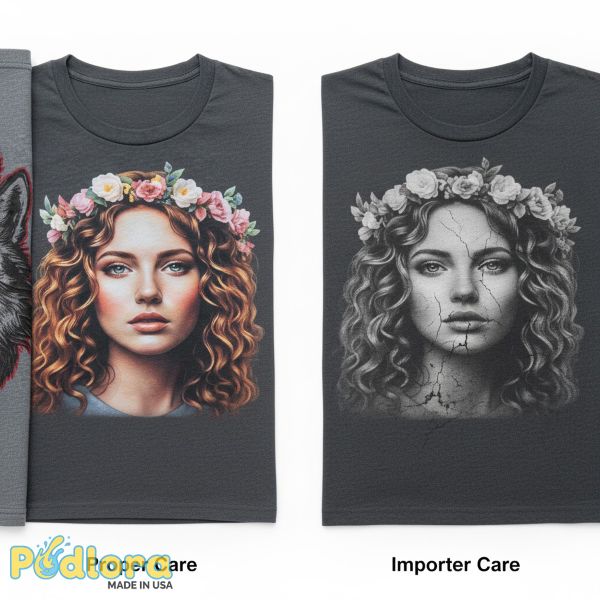
To effectively prevent t-shirt fading, it helps to understand what causes prints to deteriorate. Several factors contribute to design degradation over time.
Friction and Agitation during the wash cycle cause physical stress on printed designs. The constant tumbling motion creates friction between fabric surfaces, gradually wearing away ink particles. This mechanical action is particularly harsh on delicate DTG prints and can cause vinyl designs to lift at the edges.
Heat Exposure accelerates chemical reactions that break down ink pigments and adhesives. High water temperatures during washing and intense dryer heat cause inks to fade and vinyl to crack. The thermal stress weakens the bond between the print and fabric, leading to premature deterioration.
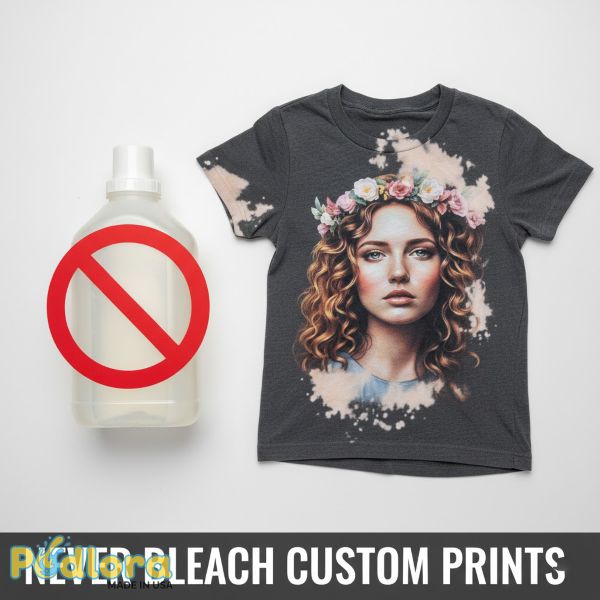
Chemical Damage from harsh detergents, bleach, and fabric softeners attacks the chemical composition of printing inks and adhesives. As noted by custom printing experts, bleach can sap the color, fade the print, and even weaken the construction of your shirts. Bleach is especially destructive, as it chemically alters pigments and can completely remove color from both the design and the fabric itself.
UV Light and Oxidation contribute to fading even when garments aren’t being worn or washed. Extended exposure to sunlight during line drying or storage near windows can cause photodegradation of ink pigments, particularly in vibrant colors like reds and purples.
By minimizing these damaging factors through proper custom t-shirt care, you can significantly extend the life of your printed designs.
Pre-Wash Preparation: Setting Yourself Up for Success
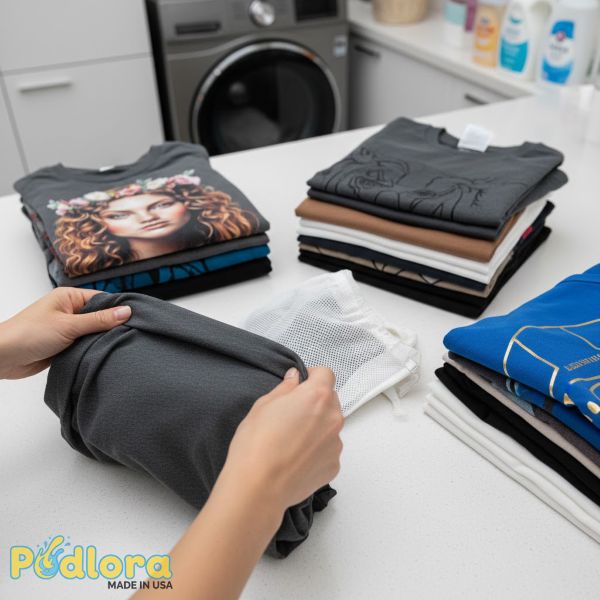
The care for printed shirts begins before the washing machine even starts. Proper preparation protects your designs from unnecessary damage.
Turn Inside Out – This single step is perhaps the most important for t-shirt design preservation. Turning your shirt inside out protects the printed surface from abrasion from other clothes in the washer, and this small yet crucial step helps avoid scratches and friction while keeping the printed area safe. This simple action dramatically reduces wear on the design while still allowing the fabric to get thoroughly clean.
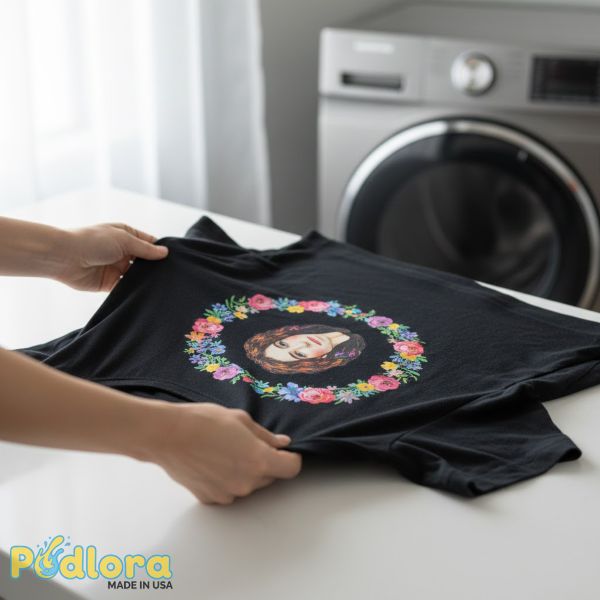
Separate by Color – While this is standard laundry advice, it’s especially critical for custom printed items. Washing dark and light garments separately prevents color bleeding that could stain your designs. Consider washing your most valued custom prints separately from heavily soiled items to minimize abrasion.
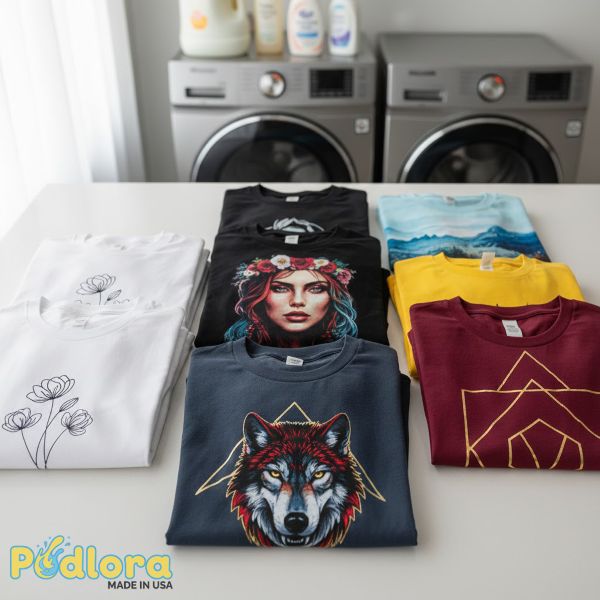
Check for Stains – Pre-treat any stains before washing, but keep treatments away from printed areas. If you must treat a stain on or near a design, use a gentle, color-safe stain remover and blot carefully rather than rubbing, which can damage the print.
Close Zippers and Fasteners – If you’re washing printed t-shirts with items that have zippers, buttons, or hooks, ensure these are fastened. Open fasteners can snag on printed designs, causing tears or peeling, particularly with vinyl prints.
Don’t Overload the Washer – An overcrowded washing machine creates excessive friction and doesn’t allow proper water circulation. Give your custom shirts space to move freely, which reduces stress on the prints while ensuring thorough cleaning.
Water Temperature: Finding the Sweet Spot
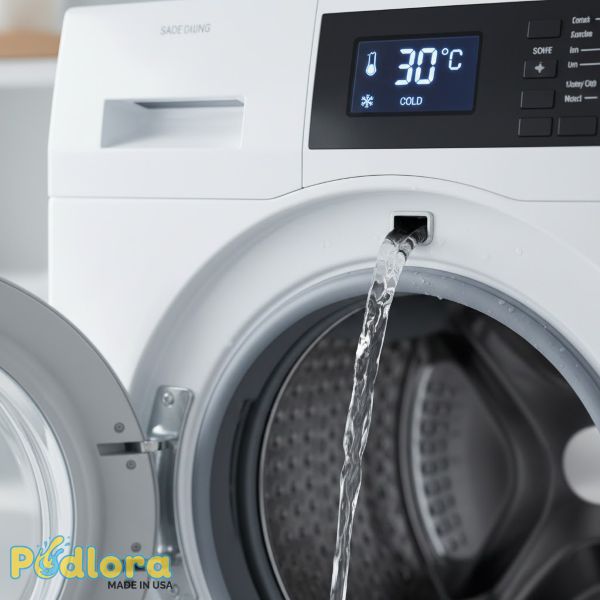
Water temperature plays a crucial role in maintain custom prints. The general rule is simple: cold water washing is your best friend when it comes to preserving printed designs.
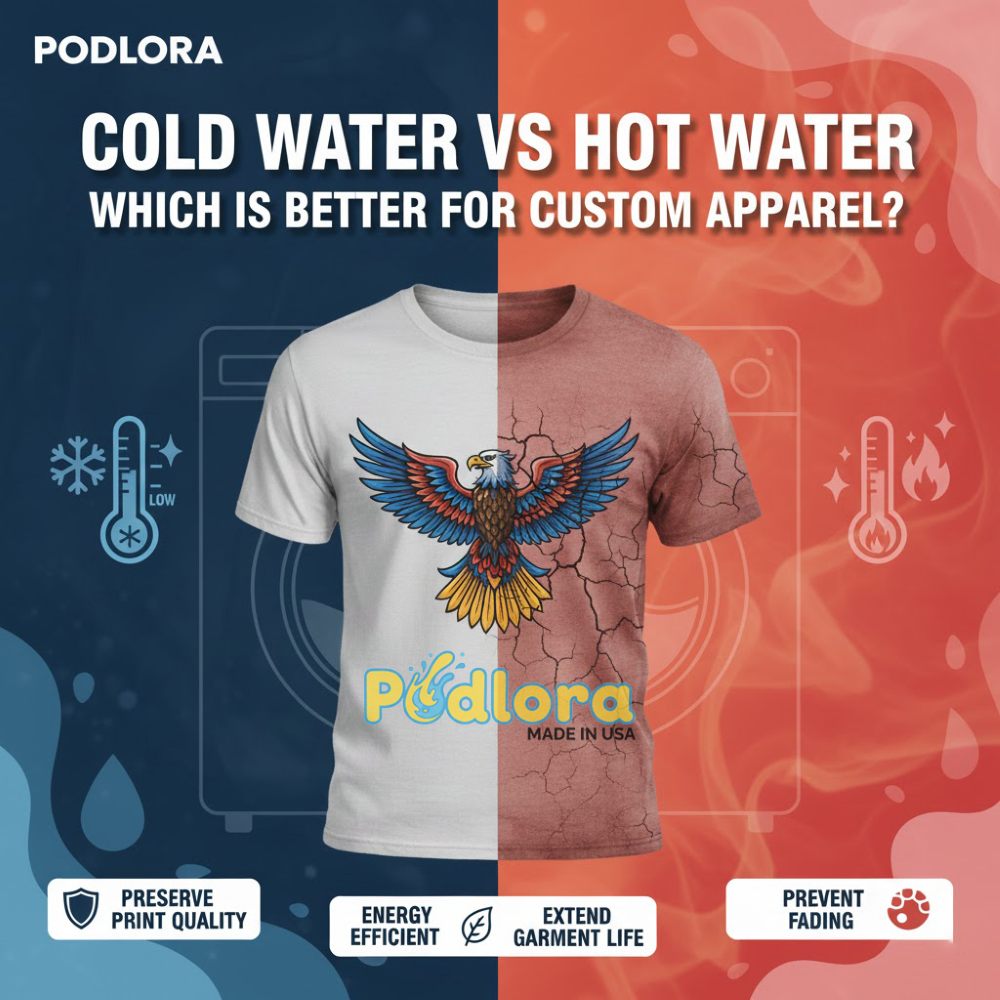
Cold Water (60-80°F/15-27°C) is ideal for washing custom printed t-shirts without fading. DTG printing experts recommend washing at temperatures at or below 30°C (86°F) to be gentle on the print, preventing it from fading or shrinkage. Cold water minimizes color bleeding, prevents ink degradation, and reduces fabric shrinkage. Modern detergents are specifically formulated to work effectively in cold water, making this choice both practical and economical. Cold water washing also saves energy, reducing your environmental impact while protecting your investment in custom apparel.

Warm Water (90-110°F/32-43°C) should be used sparingly and only when necessary for heavily soiled garments. If you must use warm water, ensure your printed t-shirts are high-quality screen prints that can tolerate slightly elevated temperatures. Never use warm water on DTG prints or heat transfer vinyl, as these methods are particularly sensitive to heat.
Hot Water (Above 130°F/54°C) should be completely avoided for all types of custom printed t-shirts. Hot water accelerates ink fading, causes vinyl to become brittle and crack, and can damage fabric fibers themselves. Despite claims that hot water cleans more effectively, the damage to your custom designs far outweighs any sanitation benefits.
According to textile care experts, temperature control is one of the most significant factors in garment longevity. By consistently choosing cold water, you can extend the life of your custom prints by several years compared to regular hot water washing.
Choosing the Right Detergent
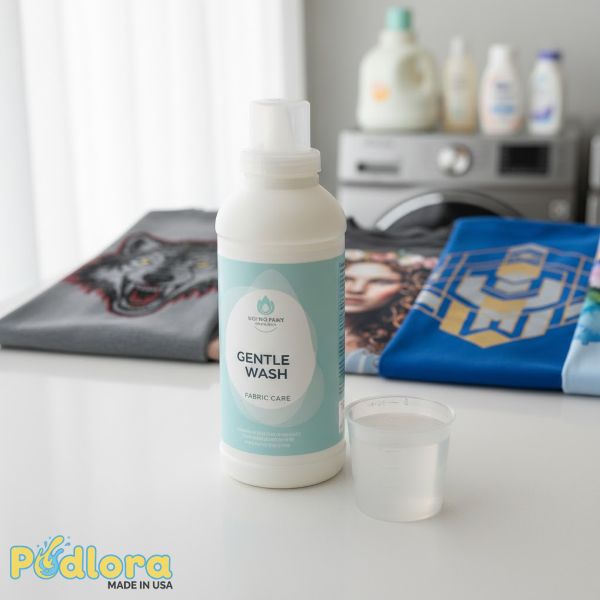
The detergent you select for custom shirt maintenance matters more than you might think. Not all detergents are equally gentle on printed designs.
Mild, Liquid Detergents are the best choice for custom printed t-shirts. Industry experts recommend using liquid detergent instead of powder detergent, as the granules in powder detergent add to the rubbing and straining of the fibers in the textile, while the print is also suffering. Liquid formulations dissolve completely in cold water and contain fewer harsh chemicals than powder alternatives. Look for detergents labeled as “gentle,” “delicate,” or “for colors” as these are specifically formulated to protect dyed and printed fabrics.
Avoid Bleach and Brighteners – Bleach is the enemy of printed designs. Both chlorine bleach and oxygen-based bleaches can strip color from inks and damage the fabric itself. Similarly, optical brighteners found in many detergents can react with certain ink types, causing discoloration or fading over time. Always choose bleach-free, color-safe formulations when washing your custom apparel.
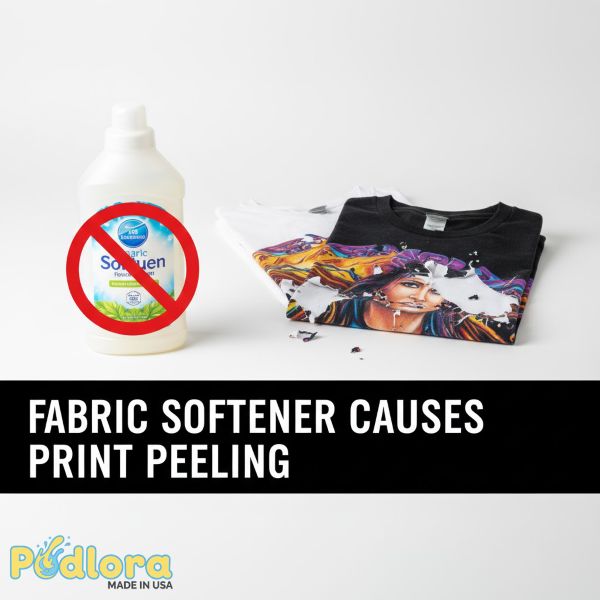
Skip the Fabric Softener – While fabric softener makes clothes feel pleasant, it coats fabric fibers with a waxy residue that can interfere with print adhesion. Fabric softeners can cause peeling of the print and build up in the fibers, making it harder for water and detergent to permeate the fabric. This coating can cause printed designs to peel or crack over time, particularly affecting heat transfer vinyl and screen-printed designs. If you want softer clothes, consider using wool dryer balls instead of liquid softener.
Measure Correctly – Using too much detergent doesn’t make clothes cleaner; it leaves residue that can dull prints and attract dirt. Follow the manufacturer’s instructions and consider using slightly less than recommended for lightly soiled garments.
The best detergent for custom printed shirts is one that’s free from harsh chemicals, formulated for cold water use, and designed to protect colors. Brands that specifically market themselves as gentle on prints or suitable for activewear often work well for custom apparel care.
Washing Machine Settings for Graphic T-Shirt Care
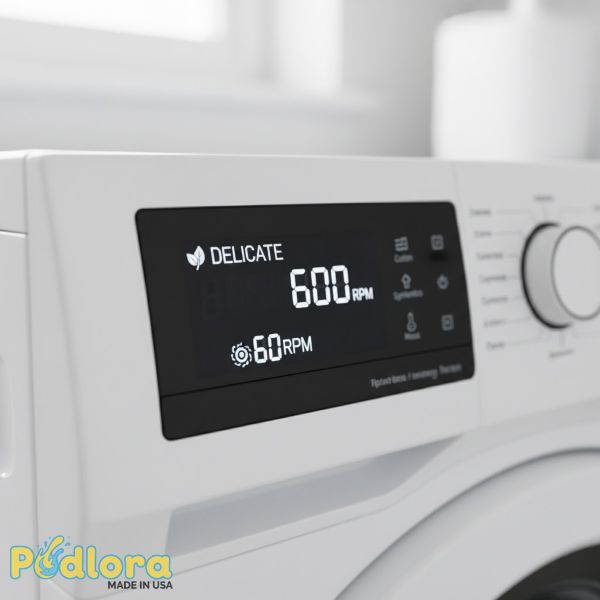
Modern washing machines offer numerous settings, but not all are appropriate for protect printed designs. Selecting the right cycle is essential for proper fabric care.
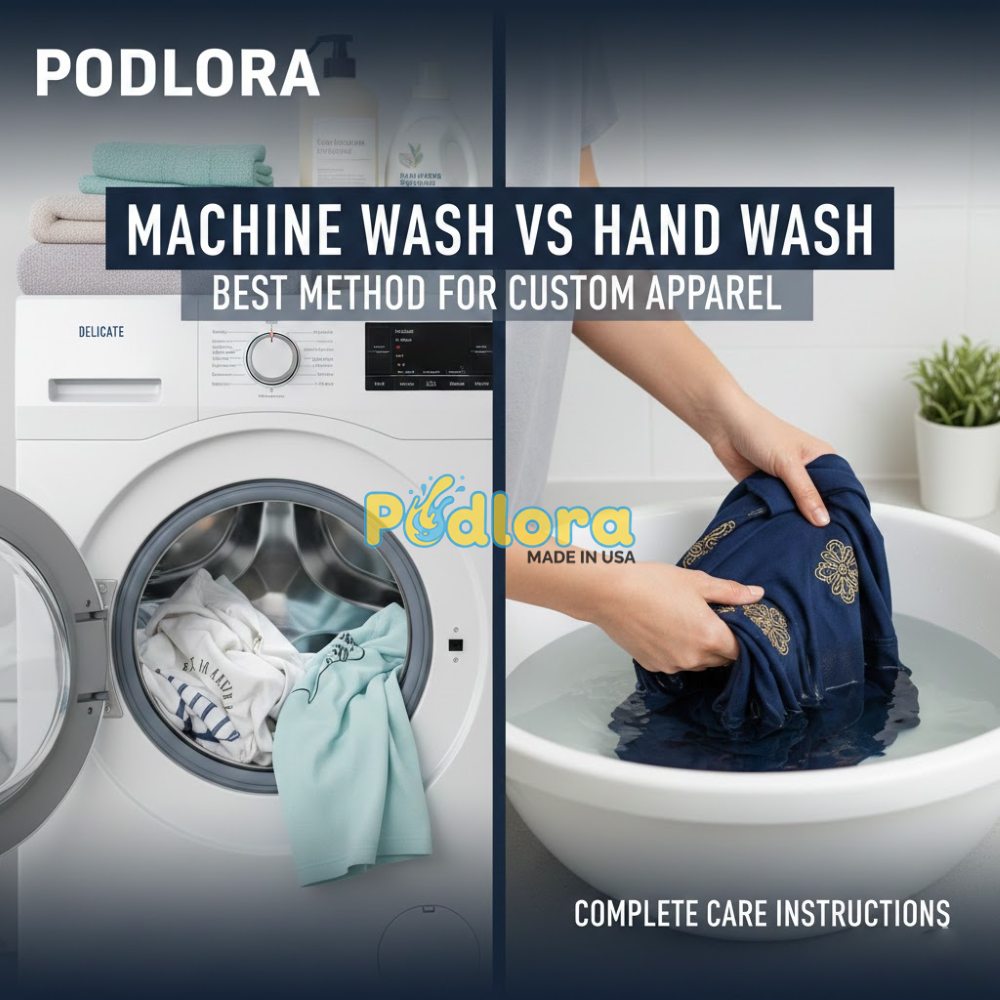
Gentle Cycle or Delicate Setting reduces agitation and spin speed, minimizing mechanical stress on your printed designs. Experts recommend using a gentle cycle at ideally around 600 rpm to minimize friction, and these cycles use slower drum rotation and less forceful water action, which significantly reduces friction between garments. While gentle cycles take longer, the extra time is worthwhile for preserving your custom prints.
Shorter Wash Cycles also benefit graphic t-shirt care. Extended washing doesn’t necessarily mean cleaner clothes; it just means more wear and tear on fabrics and prints. A 15-30 minute cycle is typically sufficient for lightly to moderately soiled custom t-shirts.
Reduced Spin Speed limits the centrifugal force that can stress fabric and prints during the final spin cycle. High-speed spinning can cause vinyl designs to wrinkle or crease, creating weak points that may crack later. If your machine allows manual adjustment, reduce the final spin speed to protect your custom apparel.
Hand Washing Alternative – For extremely delicate or valuable custom printed shirts, hand washing offers the gentlest approach to garment cleaning. Fill a basin with cold water and mild detergent, submerge your inside-out shirt, and gently agitate the water without twisting or wringing the fabric. Let the garment soak for 10-15 minutes before rinsing thoroughly with cold water.
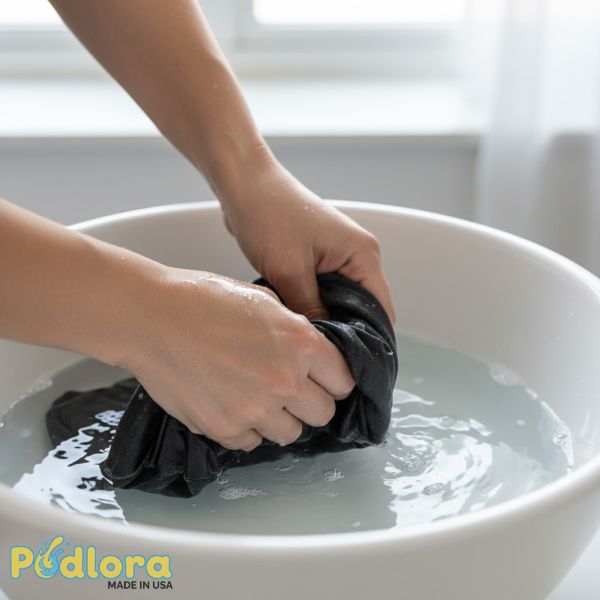
When you wash custom t-shirts properly in a machine, you balance cleaning effectiveness with design protection. The goal is removing dirt and odors while minimizing the physical and chemical stress that causes fading and deterioration.
Drying Methods That Preserve Prints
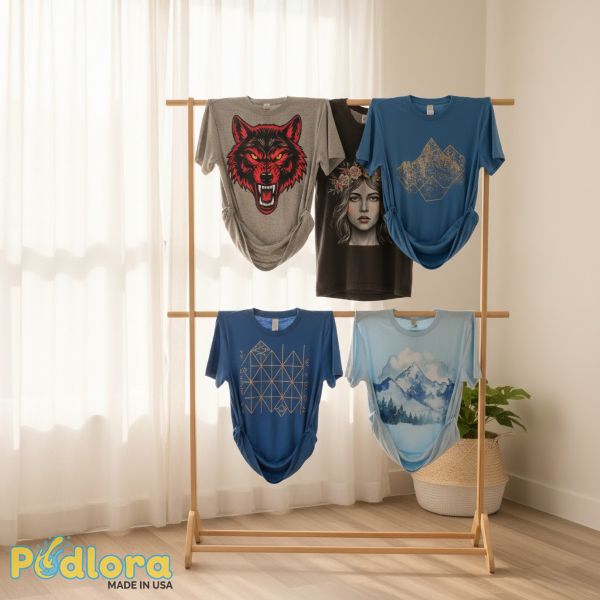
How you dry your custom printed t-shirts is just as important as how you wash them. Heat is one of the primary causes of print damage, making your drying method critical for long-term preservation.
Air Drying is the safest and most effective method to prevent cracking on printed t-shirts. Professional printers emphasize that the best way to dry printed t-shirts is to hang them up to air dry, as high heat from tumble drying can cause the print to fade or crack and may shrink the garment. Hang your shirts on a clothesline or drying rack away from direct sunlight, which can cause UV-related fading. Ensure good air circulation to prevent mildew growth, but avoid placing shirts in direct sunlight for extended periods. The printing community widely recommends air drying as the gold standard for custom t-shirt care, as it eliminates heat damage entirely while allowing garments to dry naturally.

Flat Drying works particularly well for heavy prints or oversized designs. Lay the shirt flat on a clean towel or drying rack to prevent the weight of wet ink from stretching the fabric. This method is especially beneficial for DTG prints and large screen-printed designs that might sag or distort when hung while wet.
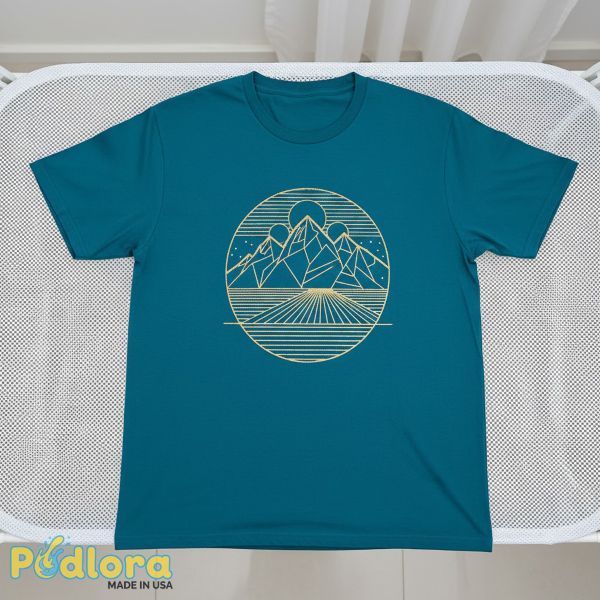
Can You Put Custom T-Shirts in the Dryer? While it’s not recommended, if you must use a dryer, choose the lowest heat setting (tumble dry low or air fluff) and remove the shirt while it’s still slightly damp. The best practice for keeping your screen-printed shirt in quality shape is removing the garment before it’s done drying and either laying it flat or hanging it to dry. High heat causes ink to fade, vinyl to crack, and fabric to shrink. Even on low heat, limit dryer time to minimize exposure. Never use high heat settings, as temperatures above 140°F (60°C) can permanently damage most types of custom prints.
Avoid Over-Drying – Whether air drying or using a machine, remove shirts promptly once dry. Over-drying makes fabrics brittle and can cause prints to become stiff and crack. Slightly damp shirts should be hung or laid flat to finish drying naturally.
The drying method you choose directly impacts how long do custom printed t-shirts last. By prioritizing air drying and avoiding high heat, you can preserve print quality for years rather than months.
Special Considerations for Different Print Types
Different printing methods require slightly varied approaches to care for optimal longevity.
How to Properly Wash Screen Printed T-Shirts
Screen printing is among the most durable printing methods, but it still benefits from proper care. According to Bolt Printing, as long as you follow the washing instructions, your screen printed t-shirt will last for 100 washes when properly cared for. Screen-printed designs typically handle washing better than other methods due to the thick ink layer that bonds directly with fabric fibers.
- Wash in cold water on a gentle cycle
- Turn inside out to protect the raised ink surface
- Air dry when possible, or use low heat briefly
- Iron inside out if needed, avoiding direct contact with the design
Screen-printed shirts can typically withstand slightly more aggressive washing than other print types, but following these guidelines maximizes their lifespan.
How to Care for DTG Printed T-Shirts
Direct-to-garment printing creates detailed, photorealistic designs but requires gentler handling than screen printing.
- Always wash in cold water with mild detergent
- Use the gentlest cycle available
- Never use bleach or harsh chemicals
- Air dry exclusively—avoid machine drying
- Wait 24 hours after receiving a new DTG shirt before the first wash to allow inks to fully cure
DTG printing care demands extra attention because the water-based inks used in this process are more susceptible to fading than plastisol screen-printing inks.
Washing Instructions for Heat Transfer Vinyl Shirts
Vinyl prints require special consideration to prevent peeling and cracking.
- Wash inside out in cold water
- Use gentle cycle with mild detergent
- Never use fabric softener, which degrades adhesive
- Air dry or use lowest dryer setting very briefly
- Avoid ironing directly on vinyl; if needed, place a cloth barrier between iron and design
- Don’t dry clean vinyl-printed garments
Heat transfer vinyl responds particularly poorly to high temperatures and chemicals, making proper care essential for vinyl print washing.
Sublimation Print Care
Sublimation printing is inherently durable because dye becomes part of the fabric rather than sitting on top of it.
- Wash in cold to warm water (sublimation tolerates slightly higher temperatures)
- Normal cycle is generally acceptable
- Avoid bleach, but sublimation is less sensitive to standard detergents
- Machine drying on low heat is usually safe
- Colors remain vibrant with proper care
Sublimation-printed polyester shirts are among the easiest custom prints to maintain, offering excellent durability with standard care practices.
Common Mistakes That Damage Custom Prints
Avoiding these frequent errors significantly extends the life of your custom printed apparel.
Washing Too Frequently – Custom t-shirts don’t need washing after every single wear unless visibly dirty or odorous. Frequent washing accelerates wear regardless of how careful you are. Air out shirts between wears and spot-clean minor issues when possible.
Using Hot Water – This cannot be overstated: hot water is the fastest way to ruin custom prints. The heat breaks down inks, weakens adhesives, and causes colors to bleed. Always choose cold water for best way to wash custom t-shirts without losing print quality.
Overloading the Washing Machine – Cramming too many items into a single load creates excessive friction and prevents proper cleaning. Give your custom shirts space to move freely in the wash.
Ignoring Care Labels – Manufacturers include care labels for a reason. These tags provide specific guidance based on the fabric type and printing method used. When in doubt, follow the label’s instructions.
Washing Shirts Right Side Out – Failing to turn shirts inside out exposes prints to maximum friction and chemical contact. This simple oversight dramatically accelerates fading and deterioration.
Using Harsh Stain Removers Directly on Prints – Strong stain removal products can dissolve or discolor inks. If you must treat a stain on a printed area, test the product on an inconspicuous spot first and use the mildest option available.
Leaving Wet Shirts in the Washer – Allowing washed shirts to sit in the machine promotes mildew growth and can cause colors to bleed into one another. Transfer items to the dryer or drying rack promptly after the cycle completes.
Storage Tips for Print Preservation
Proper storage between wears contributes to long-term custom clothing care.
Fold or Hang Properly – Hanging shirts on padded hangers prevents shoulder bumps and allows prints to breathe. If folding, ensure designs aren’t creased at stress points where repeated folding could cause cracking over time. For shirts with large or heavy prints, folding may be preferable to prevent stretching.
Store in Cool, Dark Places – Heat and light degrade inks even when garments aren’t being worn. Keep your custom shirts in closets or drawers away from direct sunlight and heat sources like radiators or heating vents.
Avoid Plastic Bags – While protecting shirts from dust is good, sealing them in plastic bags traps moisture and prevents airflow, potentially causing mildew or musty odors. If you need to cover stored shirts, use breathable garment bags instead.
Separate Heavily Printed Items – Designs with thick ink layers or vinyl can transfer color or stick to other garments when stored tightly together, especially in warm conditions. Allow space between heavily printed items or place tissue paper between folded shirts.
Climate Control – Extreme temperatures and humidity affect fabric and print quality. Maintain consistent, moderate conditions in storage areas. Basements and attics often experience temperature and humidity fluctuations that can damage custom apparel over time.
How Long Do Custom Printed T-Shirts Last?
With proper care, custom printed t-shirts can maintain their appearance for many years. The lifespan varies based on printing method, fabric quality, wear frequency, and care practices.
Screen-Printed Shirts typically last 50-100 washes when properly cared for, often maintaining good appearance for 3-5 years of regular wear. High-quality screen printing can last even longer, with some prints remaining vibrant for a decade or more.
DTG Printed Shirts generally last 30-50 washes with proper care, maintaining their appearance for 2-3 years. The water-based inks used in DTG printing are more susceptible to fading than traditional screen-printing inks, making careful washing essential.
Heat Transfer Vinyl Shirts can last 50+ washes when properly maintained, with expected lifespans of 3-4 years. However, vinyl is more prone to cracking than ink-based prints, so gentle care is crucial.
Sublimation Prints on polyester can last 100+ washes and remain vibrant for 5+ years because the dye becomes part of the fabric itself rather than sitting on top of it.
These estimates assume proper care following the guidelines in this article. Improper washing, high heat, and harsh chemicals can reduce these lifespans by 50% or more.
Podlora’s Commitment to Quality
At Podlora, we understand that creating custom printed t-shirts is only part of the equation—ensuring they last is equally important. That’s why we use premium printing techniques and high-quality materials designed to withstand proper care and regular wear. When you invest in custom apparel, you deserve designs that stay vibrant wash after wash, and we’re committed to delivering that quality in every piece we create.
When to Replace Your Custom T-Shirt
Even with excellent care, custom printed t-shirts eventually show their age. Knowing when to retire a shirt helps maintain your wardrobe’s appearance.
Visible Fading – When designs lose significant color vibrancy despite proper care, it may be time for replacement. Minor fading adds character, but severely washed-out prints no longer serve their purpose.
Cracking or Peeling – Once prints begin cracking or peeling extensively, the deterioration typically accelerates. Small cracks are normal with age, but widespread damage signals the end of the shirt’s useful life.
Fabric Deterioration – Sometimes the fabric fails before the print does. Thinning material, holes, or stretched-out collars indicate it’s time to retire the shirt, regardless of print condition.
Print Transfer or Staining – If the print begins transferring color to other garments or developing permanent stains that won’t wash out, replacement is advisable.
Loss of Shape – Excessive shrinking, stretching, or distortion affects both appearance and comfort, suggesting the garment has exceeded its practical lifespan.
Remember that proper care significantly delays these signs of aging, giving you years of enjoyment from your custom printed apparel.
Quick Reference Guide: Best Practices Summary
To help you remember the key points for apparel preservation, here’s a quick checklist for washing custom printed t-shirts:
- Turn shirt inside out before washing
- Use cold water exclusively
- Select gentle or delicate cycle
- Choose mild, liquid detergent without bleach
- Skip fabric softener entirely
- Don’t overload the washing machine
- Air dry when possible
- If machine drying, use lowest heat setting only
- Remove from dryer while slightly damp
- Store in cool, dark places away from direct sunlight
Following these simple steps consistently will dramatically extend the life of your custom printed t-shirts.
Environmental Benefits of Proper T-Shirt Care
Beyond preserving your custom designs, proper garment care offers environmental advantages worth considering.
Cold Water Washing Saves Energy – Heating water accounts for approximately 90% of the energy used in washing clothes. By switching to cold water, you significantly reduce your carbon footprint while protecting your prints.
Longer Garment Life Reduces Waste – When you know how to keep designs from fading on custom shirts, you replace them less frequently. This reduces textile waste, which is a growing environmental concern. The fashion industry contributes significantly to global pollution, so extending the life of garments makes a positive impact.
Air Drying Eliminates Dryer Energy – Clothes dryers are among the most energy-intensive appliances in homes. Air drying eliminates this energy use entirely while being gentler on fabrics and prints.
Less Frequent Purchasing – When custom shirts last longer, you purchase fewer replacements, reducing the manufacturing, transportation, and packaging impacts associated with new garment production.
Reduced Chemical Usage – Gentle detergents in appropriate quantities are less harmful to water systems than excessive use of harsh chemicals. Skipping bleach and fabric softeners further reduces chemical pollution.
Proper custom t-shirt care aligns personal benefits with environmental responsibility, making it a win-win approach to textile maintenance.
Troubleshooting Common Print Issues
Even with careful attention, you might occasionally encounter problems with your custom printed shirts.
Addressing Minor Fading
If you notice slight fading beginning, adjust your washing routine immediately. Ensure you’re using cold water, washing inside out, and air drying. Consider washing the affected shirt less frequently, airing it out between wears instead.
Dealing with Small Cracks
Minor cracking in vinyl or screen prints is sometimes inevitable with age. While you can’t reverse cracking, you can prevent it from worsening by avoiding heat exposure and washing very gently. Some people carefully apply a heat press at low temperature to re-adhere lifting vinyl, though this requires appropriate equipment and carries some risk.
Removing Stains Without Damaging Prints
For stains on or near printed areas, create a solution of cold water and mild detergent. Gently dab (don’t rub) the stained area with a soft cloth. Rinse with cold water and air dry. Avoid aggressive scrubbing, which can damage prints.
Fixing Wrinkled Prints
If prints become wrinkled from washing or storage, turn the shirt inside out and iron on the lowest heat setting, never allowing the iron to contact the print directly. Better yet, hang the shirt in a steamy bathroom to let wrinkles relax naturally without heat exposure.
Refreshing Faded Designs
While you can’t restore severely faded prints, some minor dulling comes from detergent residue rather than actual fading. Washing the shirt in plain cold water (no detergent) can sometimes restore a bit of vibrancy by removing buildup.
Professional Cleaning Considerations
Most custom printed t-shirts should never be dry cleaned. The harsh chemicals used in dry cleaning processes can damage or completely remove certain types of prints, particularly water-based DTG inks and some vinyl applications.
If you absolutely must have a custom shirt professionally cleaned, inform the cleaner about the print type and request they avoid harsh chemicals. However, hand washing at home is almost always the safer option for valuable custom printed garments.
Some professional laundry services specialize in delicate garments and may be able to handle custom shirts appropriately. If using such services, clearly communicate that the garments have custom prints requiring cold water, gentle cycles, and air drying only.
Conclusion
Learning how to wash custom printed t-shirts without fading the design is an essential skill for anyone who values their personalized apparel. The investment you make in custom clothing deserves protection through proper care techniques that maintain both the fabric and the design.
By consistently following the principles outlined in this guide—cold water washing, gentle cycles, mild detergents, inside-out washing, and air drying—you can significantly extend the life of your custom prints. Whether you’re caring for screen-printed band shirts, DTG-printed photo tees, or heat transfer vinyl designs, these fundamental practices apply across all printing methods.
Remember that prevent t-shirt fading isn’t complicated; it simply requires developing good laundry habits and understanding what damages printed designs. The few extra minutes spent turning shirts inside out, selecting the right settings, and air drying your garments pay dividends in years of continued enjoyment from your custom apparel.
Your custom printed t-shirts represent more than just clothing—they’re expressions of identity, memories, affiliations, and creativity. By treating them with appropriate care, you preserve not just the physical garment but also the meaning it holds for you.
Summary Table: Key Points for Custom Printed T-Shirt Care
| Category | Best Practice | Why It Matters |
|---|---|---|
| Water Temperature | Always use cold water (60-80°F) | Prevents ink degradation, color bleeding, and fabric shrinkage |
| Washing Cycle | Gentle or delicate cycle | Reduces friction and mechanical stress on prints |
| Detergent | Mild liquid detergent without bleach | Protects colors and prevents chemical damage to inks |
| Fabric Softener | Avoid completely | Prevents residue buildup that causes print peeling |
| Pre-Wash Preparation | Turn inside out before washing | Protects print surface from direct friction and chemical exposure |
| Drying Method | Air dry whenever possible | Eliminates heat damage that causes fading and cracking |
| Machine Drying | Low heat only, remove while damp | Minimizes heat exposure if machine drying is necessary |
| Washing Frequency | Only when visibly dirty or odorous | Reduces wear from repeated washing cycles |
| Storage | Cool, dark place away from sunlight | Prevents UV-related fading and heat damage during storage |
| Print Type Considerations | Match care to printing method | Different techniques require slightly different approaches |
| Average Lifespan (with proper care) | Screen print: 3-5 years, DTG: 2-3 years, Vinyl: 3-4 years, Sublimation: 5+ years | Proper care can double or triple garment lifespan |
| Environmental Impact | Cold water and air drying | Reduces energy consumption by up to 90% |
This comprehensive approach to custom t-shirt care ensures your printed designs remain vibrant and intact for as long as possible, protecting your investment while reducing environmental impact.

Hi, I’m Emma Sullivan — a Texas-based writer who specializes in product design, e-commerce, and customer experience. With over five years of writing experience, I love turning complex information into clear, helpful content that makes online shopping easier for everyone. Having spent years working in the U.S. print-on-demand and merchandising space, I focus on creating articles that are honest, engaging, and genuinely useful.