
How to Wash Hoodies Without Losing Their Shape
Your favorite hoodie doesn’t have to become another laundry casualty. Whether you’ve invested in a premium cotton pullover or a cozy fleece zip-up, proper care ensures your hoodie maintains its perfect fit, vibrant color, and soft texture wash after wash. Understanding how to wash hoodies correctly protects your investment and extends the life of these wardrobe essentials.
At PODLORA, we understand that hoodies represent more than just comfort—they’re personal style statements that deserve expert care. This comprehensive guide reveals professional techniques for washing, drying, and maintaining your hoodies to preserve their original shape and quality for years to come.
Why Proper Hoodie Care Matters
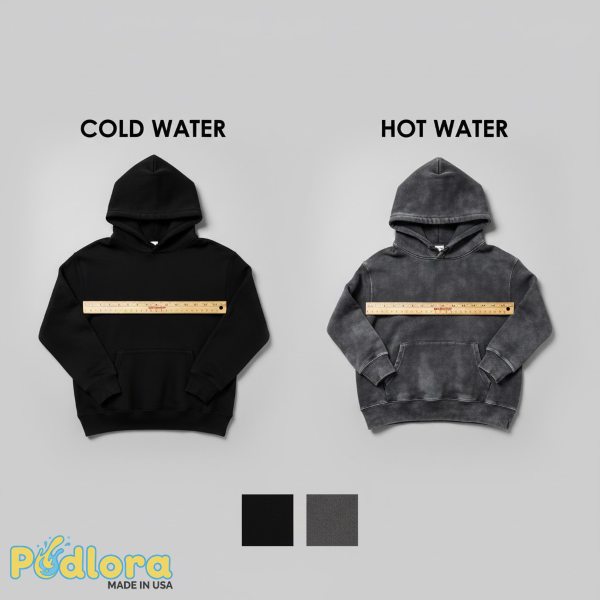
Most people toss their hoodies into the washing machine without consideration, only to discover a shrunken, faded version of what they once loved. Research published in the Textile Research Journal demonstrates that washing cotton in water below 85°F reduced shrinkage by up to 75% compared to hot water washing. The difference between a hoodie that lasts years and one that loses its appeal after three washes often comes down to water temperature, drying method, and washing frequency.
Cotton hoodies are particularly vulnerable to shrinkage because cotton fibers naturally contract when exposed to heat and moisture. According to textile industry standards, shrinkage occurs as a result of stress relaxation when a cotton textile article is washed and dried. Understanding this scientific principle helps you make informed decisions about hoodie maintenance.
Understanding Hoodie Fabrics and Their Care Requirements
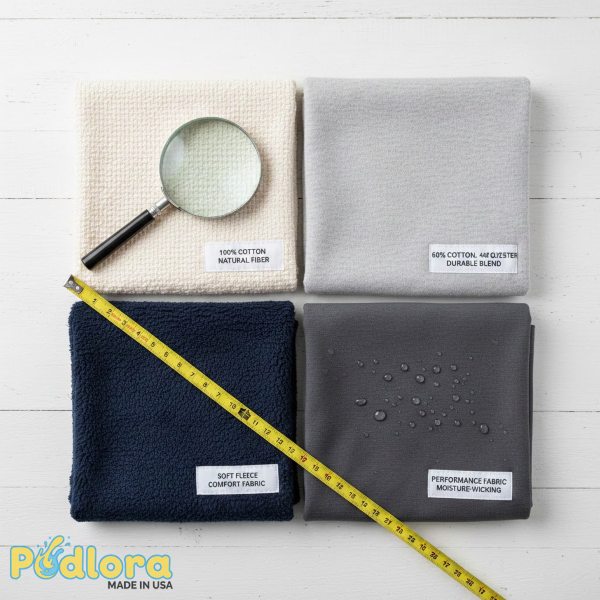
Different hoodie materials demand specific washing approaches. Knowing your fabric type is the first step in effective hoodie care.
Cotton Hoodies
Pure cotton hoodies offer exceptional breathability and comfort but require gentle handling. Cotton fibers absorb significant moisture and swell during washing, making them prone to shrinkage when exposed to heat. Always use cold water for cotton hoodies to maintain their shape and prevent the fibers from contracting.
Polyester and Cotton-Polyester Blends
Blended hoodies combine cotton’s comfort with polyester’s durability and shape retention. These hoodies resist shrinking better than pure cotton but still benefit from cold water washing and gentle cycles. The synthetic fibers help the garment bounce back to its original shape more effectively.
Fleece and Sherpa-Lined Hoodies
Specialty hoodies with thick linings require extra attention during washing. Fleece materials can mat and pill if washed aggressively or with abrasive fabrics. These hoodies need gentle cycles and should be washed separately from heavier items like jeans or towels.
Performance and Moisture-Wicking Hoodies
Athletic hoodies made from technical fabrics contain materials like elastane and polypropylene that transport moisture away from skin. These require specific care—avoid fabric softeners entirely, as they coat the fibers and reduce moisture-wicking effectiveness.
How Often Should You Wash Hoodies?
One of the biggest mistakes in hoodie maintenance is overwashing. Unlike t-shirts that touch your skin directly, hoodies don’t need frequent laundering. Washing your hoodie every five to six wears is sufficient unless it becomes visibly soiled or develops odors.
Excessive washing accelerates fabric breakdown, causes unnecessary fading, and increases shrinkage risk. Between wears, hang your hoodie in a well-ventilated area to air out naturally. This simple practice extends the time between washes while keeping your hoodie fresh.
For lightweight or workout hoodies that absorb more sweat, washing every two to three wears makes sense. However, if you wear your hoodie over another shirt and it stays relatively clean, you can extend the washing interval even longer.
Pre-Washing Preparation: The Foundation of Hoodie Care
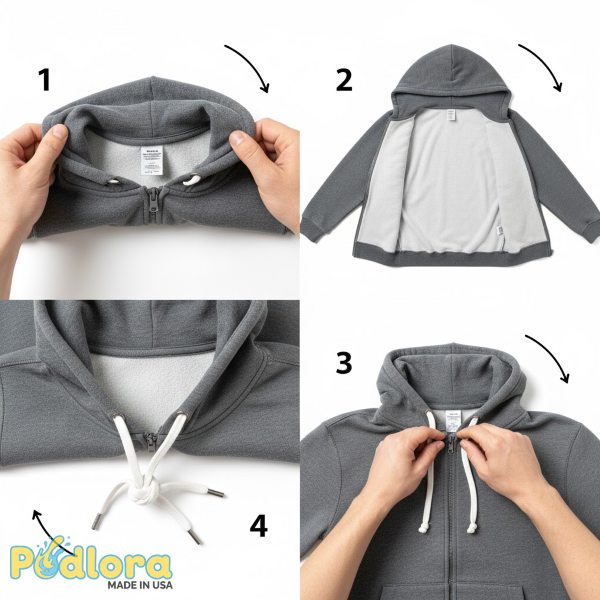
Proper preparation prevents most common washing damage. These five-minute preparation steps make the difference between a hoodie that maintains its quality and one that emerges stretched or damaged.
Check the Care Label
Every hoodie comes with a care label containing specific washing instructions based on its construction, dye, and finish. According to The American Cleaning Institute’s laundry basics, following manufacturer instructions prevents potential damage and ensures optimal results. Look for symbols indicating recommended water temperature, cycle type, and drying methods.
Turn Your Hoodie Inside Out
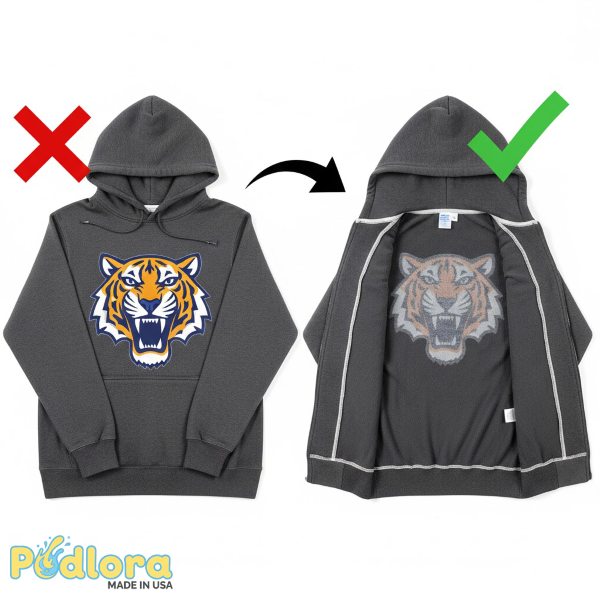
Turning hoodies inside out before washing protects the outer fabric from friction damage. This simple step preserves graphics, prevents embroidery from snagging, maintains color vibrancy, and reduces pilling on the exterior surface. The inside of your hoodie accumulates body oils and sweat, so turning it inside out also ensures these areas receive thorough cleaning.
Zip Up Zippers and Tie Drawstrings
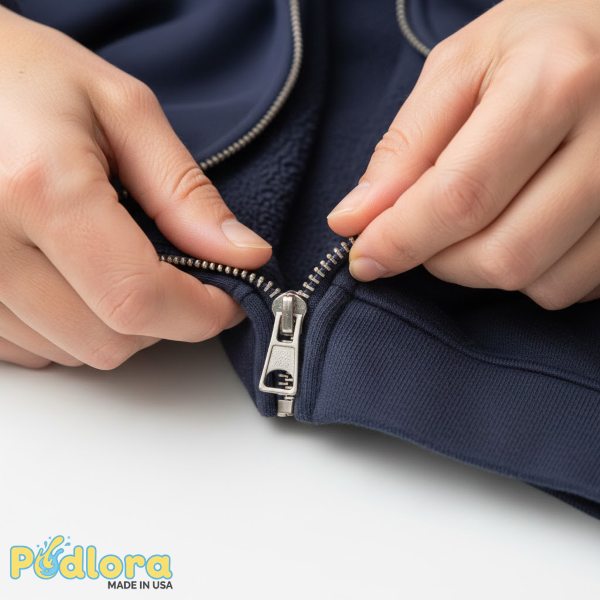
For zip-up hoodies, always close the zipper completely before washing. Open zippers can snag on other garments, damage both your hoodie and other clothes in the load, and cause the zipper teeth to bend or break. Tie drawstrings in a loose knot or tuck them inside the kangaroo pocket to prevent them from tangling around other clothes or pulling out of their casings during the wash cycle.
Pre-Treat Stains
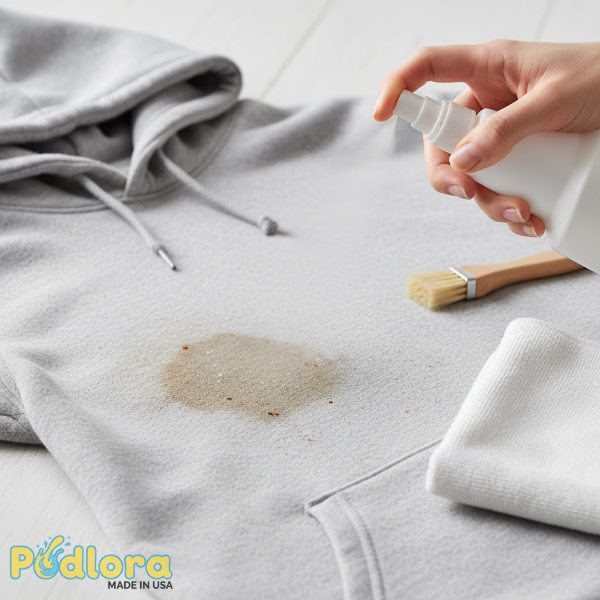
Address stains before washing to avoid setting them permanently. For food or grass stains on colored hoodies, apply a color-safe stain remover directly to the affected area. For white hoodies with sweat stains, mix equal parts white vinegar and water, spray the solution on the stain, and let it sit for 10-15 minutes before washing.
Oil-based stains require special attention. Never apply water to greasy stains—it can set them deeper. Instead, blot excess oil with a dry paper towel, apply a small amount of mild detergent or dish soap directly to the stain, let it sit for several minutes, then proceed with washing. Always check that oil stains are completely removed before drying, as heat permanently sets these stains.
Sort Your Laundry Properly
Separate hoodies by color and fabric type before washing. Dark hoodies should be washed separately from light ones to prevent color bleeding. Avoid washing hoodies with heavy items like jeans, towels, or items with zippers that could snag the fabric. For delicate hoodies with embroidery or special prints, consider using a mesh laundry bag for added protection.
The Best Way to Wash Hoodies Without Shrinking
The washing process determines whether your hoodie maintains its shape or becomes unwearable. Follow these expert techniques to preserve hoodie quality.
Water Temperature: The Critical Factor
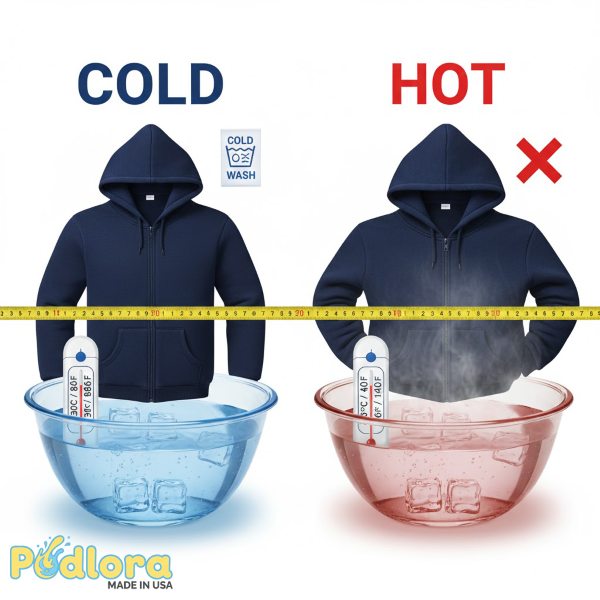
Water temperature is your hoodie’s biggest enemy when it comes to shrinking. Hot water causes cotton fibers to contract immediately and can fade colors in a single wash. Always use cold or lukewarm water with a maximum temperature of 86°F (30°C).
Colorado State University’s sustainable laundry research confirms that washing in cold water reduces your personal carbon footprint by 10% and is just as effective. Modern detergents are formulated to work efficiently in cold water, making this choice both practical and environmentally responsible.
Selecting the Right Detergent
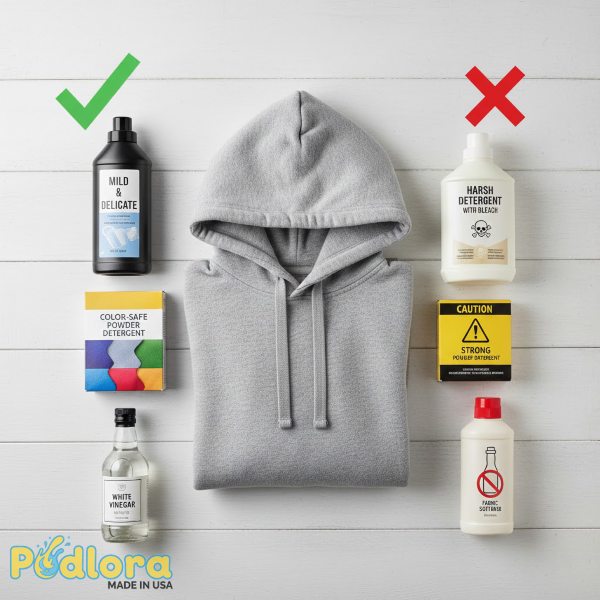
Choose a mild, color-safe detergent designed for delicate fabrics. Harsh detergents containing bleach or strong chemicals break down fibers faster and cause premature fading. Avoid using excessive detergent—more soap doesn’t mean cleaner clothes. In fact, too much detergent leaves residue on fabric, making hoodies feel stiff and scratchy.
Skip fabric softener for hoodies, especially those with moisture-wicking properties or stretch fabrics. Fabric softeners build up a waxy coating on fibers that reduces breathability and absorbency. For softness without chemicals, add half a cup of white vinegar to the rinse cycle—it naturally softens fabric without leaving residue.
Choosing the Gentle Cycle

Select the gentle or delicate cycle on your washing machine. These settings use slower spin speeds, reducing friction between your hoodie and other clothes. This gentler agitation protects fabric integrity and minimizes stretching, fraying, and pilling that aggressive wash cycles cause.
Front-load washing machines are preferable to top-load machines with center agitators, as they create less mechanical stress on fabrics. If you only have access to a top-load machine, ensure you’re using the gentle cycle and avoid overloading.
Machine Washing vs. Hand Washing
For most hoodies, machine washing on a gentle cycle provides adequate care. However, certain hoodies benefit from hand washing:
Hand wash when your hoodie has:
- Delicate embroidery or appliqués
- Vintage or distressed designs
- Wool or cashmere content
- Special embellishments that could detach
To hand wash a hoodie, fill a large basin or bathtub with cold water and add a small amount of mild detergent. Submerge the hoodie completely and gently swish it around for several minutes. Focus on areas that accumulate dirt—cuffs, underarms, and collar. Rinse thoroughly with fresh cold water until all detergent is removed, which may require multiple rinses.
Never wring or twist a wet hoodie, as this distorts the fabric and can damage stitching. Instead, gently press out excess water by laying the hoodie flat on a clean towel, rolling the towel up with the hoodie inside, and pressing down to absorb moisture.
Drying Hoodies: The Make-or-Break Moment for Hoodie Maintenance
The drying method impacts your hoodie’s lifespan more than washing does. High heat from dryers causes the most significant shrinkage, while proper air drying maintains original size and softness.
Air Drying: The Gold Standard
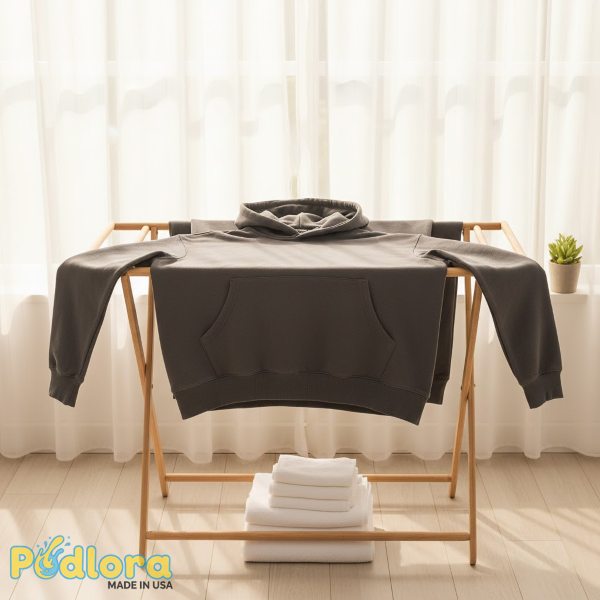
Air drying takes longer but preserves your hoodie’s fit, color, and texture better than any machine setting. For optimal results:
Lay flat to dry: Place your hoodie flat on a clean, dry towel or drying rack. Reshape it to its original form while damp, smoothing out any wrinkles and ensuring the hood maintains its proper shape. This method prevents stretching that can occur when hanging wet hoodies.
Hang upside down: If you prefer hanging, clip the hoodie from the bottom hem rather than using the shoulders. Hanging from the shoulders when wet can stretch the fabric due to water weight. Use sturdy clips or pants hangers to support the weight evenly.
Choose proper location: Dry hoodies in a shaded, well-ventilated area. Direct sunlight causes significant color fading and can make fabric stiff. Indoor drying in a room with good air circulation works perfectly.
Flip halfway through: Turn the hoodie over midway through drying to ensure even air circulation on both sides. This prevents musty odors and ensures thorough drying, especially for thick hoodies and sherpa linings.
Research shows that air-drying your clothes helps reduce climate impact by 67%, making this method both garment-friendly and environmentally conscious.
Using a Dryer Safely
If time constraints require using a dryer, take specific precautions to minimize shrinkage:
Use the lowest heat setting: Select the delicate, low heat, or air fluff setting. Never use high heat, which causes immediate and irreversible shrinkage. Some modern dryers offer a “no heat” option that uses only air circulation—this is ideal for hoodies.
Add dryer balls: Wool dryer balls help separate clothes, improve air circulation, reduce drying time, and minimize static cling without chemicals. They’re reusable and more effective than dryer sheets.
Remove promptly: Take your hoodie out of the dryer while it’s still slightly damp. Over-drying causes unnecessary heat exposure and can lead to shrinkage even on low settings. The remaining dampness will air dry quickly when you lay the hoodie flat.
Avoid extended cycles: Set a timer and check your hoodie periodically. Cotton hoodies typically need 30-40 minutes on low heat, but this varies by machine and hoodie thickness.
Special Care for Different Hoodie Types
Each hoodie style requires slightly adapted washing techniques to maintain its unique features.
Graphic and Printed Hoodies
Always wash graphic hoodies inside out to preserve designs. Use cold water and avoid harsh detergents that can cause prints to crack or peel. Never iron directly over graphics, and always air dry these hoodies to prevent heat damage to the design.
Embroidered Hoodies
Turn embroidered hoodies inside out and place them in a mesh laundry bag for extra protection. Consider hand washing if the embroidery is particularly delicate or features beading. Never wring or twist the fabric, which can distort stitching and cause threads to loosen.
Sherpa and Fleece-Lined Hoodies
Wash these separately or with similar soft fabrics to prevent the lining from matting. Use an extra rinse cycle to remove all detergent residue from the thick lining, as trapped soap can make the interior feel rough. Air drying is strongly recommended, as dryer heat can permanently flatten sherpa texture.
Zip-Up Hoodies
Ensure zippers are completely closed before washing to prevent snagging. If your zip-up hoodie has a delicate zipper or special hardware, consider placing it in a mesh bag. Turn the hoodie inside out to protect both the zipper and outer fabric.
Common Hoodie Washing Mistakes to Avoid
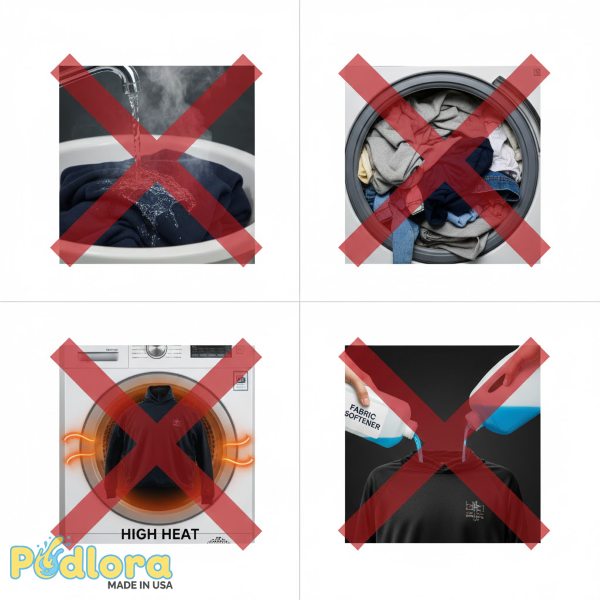
Understanding what not to do is as important as knowing proper techniques. Avoid these common errors that damage hoodies:
Using hot water: This single mistake causes more shrinkage than any other factor. Always stick to cold or lukewarm water regardless of how dirty your hoodie appears.
Overloading the washing machine: Cramming too many items into one load prevents proper cleaning and increases friction damage. Hoodies need space to move freely during the wash cycle.
Overdrying in the machine: Leaving hoodies in the dryer too long or using high heat settings permanently shrinks cotton fibers. When in doubt, err on the side of under-drying.
Ignoring care labels: Manufacturers provide specific instructions for a reason. Disregarding these guidelines voids warranties and often results in preventable damage.
Washing too frequently: Overwashing is unnecessary and accelerates fabric breakdown. Most hoodies only need washing every five to six wears unless they’re visibly soiled.
Using fabric softener on performance fabrics: This ruins the moisture-wicking properties of athletic hoodies and leaves a coating that reduces breathability.
Long-Term Hoodie Maintenance and Storage
Proper care extends beyond washing. These maintenance practices ensure your hoodies remain in excellent condition between wears.
Proper Storage
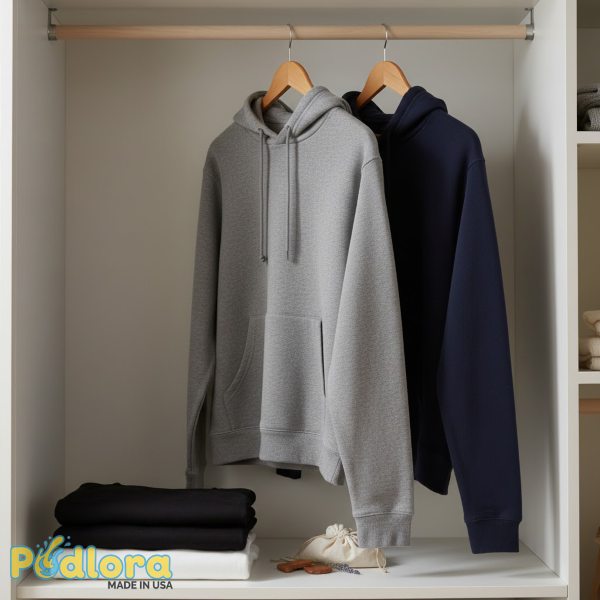
Store clean hoodies folded or hanging in a cool, dry place. Avoid overcrowding in closets, which can cause wrinkles and misshaping. For hoodies with special details like embroidery, folding prevents stretching that hanging might cause.
Never store damp hoodies, as moisture encourages mildew growth and musty odors. Ensure hoodies are completely dry before putting them away.
Spot Cleaning Between Washes
For minor stains or odors, spot cleaning extends the time between full washes. Use a damp cloth with a small amount of mild detergent to gently dab the affected area. Avoid rubbing, which can spread the stain or damage fibers.
Managing Pilling
Over time, friction can cause small fabric pills to form on hoodie surfaces. Remove these gently using a fabric shaver or sweater stone. Prevention is better than cure—washing hoodies inside out and reducing friction during washing minimizes pilling.
Odor Management
Between washes, hang hoodies in fresh air or near an open window to naturally refresh them. For persistent odors without visible dirt, try using a fabric refresher spray designed for clothing, or simply air the hoodie outside for a few hours.
Troubleshooting: What to Do When Things Go Wrong
Even with careful attention, problems occasionally occur. Here’s how to address common hoodie washing issues.
My Hoodie Shrank—Can I Fix It?
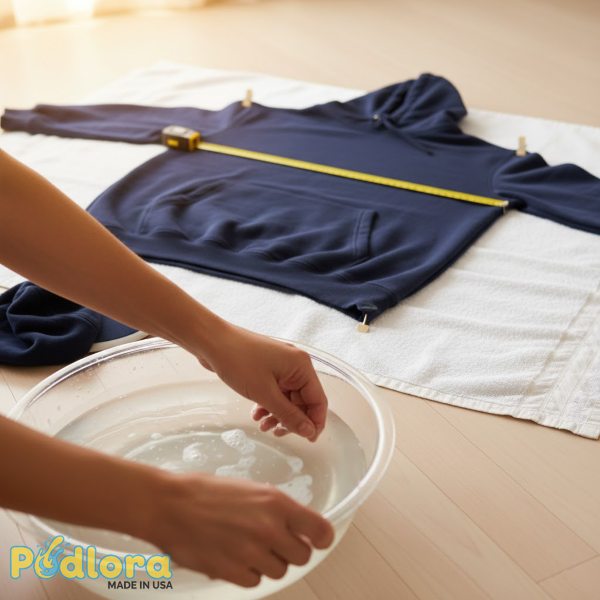
If your hoodie has shrunk, you may be able to restore some size. Fill a basin with lukewarm water and add a tablespoon of hair conditioner or baby shampoo. Submerge the hoodie and let it soak for 30 minutes. The conditioner relaxes cotton fibers, making them more pliable.
Gently remove the hoodie and press out excess water without ringing. Lay it flat on a towel and carefully stretch it back to its original shape, paying attention to the shoulders, sleeves, and torso. Pin the edges in place if needed and let it air dry completely in this stretched position.
This method doesn’t guarantee full restoration, but it often recovers significant lost size. Prevention remains the best approach—always use cold water and air dry.
Color Fading Issues
If colors have faded, unfortunately, this damage is usually permanent. To prevent further fading, always wash colored hoodies inside out in cold water, separate dark colors from lights, and avoid prolonged exposure to direct sunlight during drying.
For future washes, consider using a color-protecting detergent specifically formulated to prevent dye loss.
Drawstring Pulled Out
If the drawstring has come out of its casing, attach a safety pin to one end and carefully work it through the hood channel. This takes patience but successfully re-threads the string without damaging the fabric.
To prevent this issue, always tie drawstrings before washing or tuck them inside the pocket.
Environmental Considerations in Hoodie Care
Adopting sustainable hoodie maintenance practices benefits both your garments and the environment. Cold water washing reduces energy consumption, as heating water accounts for approximately 90% of a washing machine’s energy use according to research from Nike’s sustainability initiatives.
Air drying eliminates the considerable energy dryers consume and significantly reduces your carbon footprint. Line drying or laying flat requires no electricity and actually extends fabric life.
Washing hoodies less frequently not only preserves the garments but also reduces water consumption and detergent use. This approach aligns with sustainable fashion principles while saving money on utilities and cleaning products.
For more insights on caring for your wardrobe sustainably, explore hoodie care & maintenance tips on PODLORA’s comprehensive resource center.
Can You Put Hoodies in the Dryer Without Ruining Them?
This question deserves special attention because it represents a common dilemma. The short answer is: yes, but with significant precautions.
You can safely tumble dry hoodies if you follow these non-negotiable rules:
- Use only the lowest heat setting available on your dryer
- Remove the hoodie while still slightly damp to prevent over-drying
- Never use high heat under any circumstances
- Add wool dryer balls to improve air circulation
- Check frequently to avoid prolonged heat exposure
However, air drying remains the superior method for maintaining hoodie shape, preventing shrinkage, preserving color, and extending garment lifespan. If your hoodie is made from 100% cotton, has special prints or embroidery, or is a vintage or expensive piece, always choose air drying.
What Temperature to Wash Hoodies: The Science Behind the Numbers
The ideal water temperature for washing hoodies is between 60-86°F (15-30°C), firmly in the cold to lukewarm range. This temperature recommendation is based on textile science research showing that higher temperatures cause cotton fibers to shrink dramatically.
Water above 120°F can shrink cotton up to 20%, while cold water produces minimal shrinkage. The temperature threshold where significant damage begins is around 90°F, making it crucial to stay well below this point.
Modern detergents work effectively in cold water, making temperature compromise unnecessary. Cold water washing delivers clean hoodies without the risks associated with hot water.
FAQ: How to Wash Hoodies
Can I wash my hoodie in the washing machine?
Yes, most hoodies can be safely machine washed when you follow proper guidelines. Use cold water, select the gentle cycle, turn the hoodie inside out, zip up any zippers, and avoid overloading the machine. Check the care label first, as some hoodies with special materials like wool may require hand washing.
How to wash hoodies and keep them soft?
To maintain softness, use a mild detergent without harsh chemicals, wash in cold water on a gentle cycle, avoid fabric softeners which leave coating on fibers, add half a cup of white vinegar to the rinse cycle as a natural softener, and air dry rather than machine dry. Overwashing also makes hoodies rough, so limit washing to every five to six wears.
Should I put my hoodie in the dryer?
Air drying is strongly recommended to prevent shrinkage and maintain shape. If you must use a dryer, select the lowest heat setting, remove the hoodie while slightly damp, use wool dryer balls for better air circulation, and never use high heat. For cotton hoodies, graphic hoodies, or expensive pieces, always air dry.
Should you wash hoodies inside out?
Yes, always wash hoodies inside out. This protects the outer fabric from friction and pilling, preserves graphics and prints from cracking or fading, maintains color vibrancy, prevents zippers and drawstrings from snagging other clothes, and ensures the inside surfaces that contact your skin receive thorough cleaning.
How do I prevent my hoodie from stretching in the wash?
Prevent stretching by using the gentle cycle with slow spin speeds, avoiding overloading the washing machine, never wringing out wet hoodies, laying flat to dry rather than hanging wet, and removing promptly from the dryer if machine drying. The weight of water in a wet hoodie can cause stretching when hung, so always lay flat or hang from the bottom hem.
What’s the best detergent for washing hoodies?
The best detergent is a mild, enzyme-based formula without bleach or harsh chemicals. Liquid detergents work well for pre-treating stains, while laundry pods provide convenience and prevent overuse. For sensitive skin, choose fragrance-free and dye-free options. Avoid detergents with fabric softeners built in, as these can damage certain hoodie materials.
Can I wash my white hoodie with colored hoodies?
Never wash white hoodies with colored ones, especially during the first few washes when dye transfer is most likely. Even if colored hoodies have been washed multiple times, keeping whites separate prevents gradual graying. If a white hoodie has colored graphics or trim, wash it with light-colored items rather than pure whites.
How do I remove stubborn stains from my hoodie?
Pre-treat stains before washing by applying detergent or a color-safe stain remover directly to the spot. For protein-based stains like blood, use cold water. For oil-based stains, avoid water and use dish soap. For sweat stains on white hoodies, create a solution of equal parts white vinegar and water. Never put a stained hoodie in the dryer, as heat sets stains permanently.
What if my hoodie says “dry clean only”?
Follow dry clean only instructions, especially for wool, cashmere, or hoodies with complex embellishments. Some people successfully hand wash “dry clean only” items at their own risk, but this voids warranties and may damage the garment. When in doubt, professional dry cleaning ensures your hoodie receives appropriate care.
Summary Table: Essential Hoodie Washing Guidelines
| Aspect | Recommendation | Why It Matters |
|---|---|---|
| Washing Frequency | Every 5-6 wears (unless soiled) | Reduces wear, maintains softness, prevents unnecessary fading |
| Water Temperature | Cold to lukewarm (60-86°F / 15-30°C) | Prevents shrinkage and color bleeding |
| Wash Cycle | Gentle or delicate | Minimizes friction damage and stretching |
| Detergent Type | Mild, enzyme-based without bleach | Cleans effectively without damaging fibers |
| Fabric Softener | Avoid (use white vinegar instead) | Prevents coating buildup and maintains breathability |
| Pre-Wash Preparation | Turn inside out, zip up, tie drawstrings | Protects outer fabric and prevents snagging |
| Drying Method | Air dry flat or hang from bottom | Prevents shrinkage and maintains original shape |
| Dryer Use | Low heat only, remove while damp | Minimizes heat damage and shrinkage risk |
| Storage | Fold or hang in cool, dry place | Prevents mildew and maintains shape |
| Special Care | Read care labels, sort by color/fabric | Prevents damage specific to material type |
Conclusion: Mastering How to Wash Hoodies for Long-Lasting Quality
Knowing how to wash hoodies properly transforms these comfort essentials from temporary wardrobe items into long-term investments. The key principles—cold water washing, gentle cycles, proper drying techniques, and reduced washing frequency—work together to preserve shape, color, and softness through countless wears.
At PODLORA, we believe that proper hoodie maintenance reflects respect for quality craftsmanship and sustainable fashion practices. By implementing these professional care techniques, you protect your investment while reducing environmental impact through less frequent replacements.
The difference between a hoodie that maintains its perfect fit for years and one that loses appeal after a few washes comes down to consistent application of these principles. Start with your next laundry day—turn that hoodie inside out, select cold water, skip the high heat, and watch your favorite hoodies maintain their original quality wash after wash.
Your hoodies deserve expert care. With these techniques in your laundry routine, they’ll continue delivering comfort and style for years to come.

Hi, I’m Emma Sullivan — a Texas-based writer who specializes in product design, e-commerce, and customer experience. With over five years of writing experience, I love turning complex information into clear, helpful content that makes online shopping easier for everyone. Having spent years working in the U.S. print-on-demand and merchandising space, I focus on creating articles that are honest, engaging, and genuinely useful.