
How to Wash Printed Shirts the Right Way Inside Out Method
Your favorite graphic tees tell your story. Whether it’s a band you love, a memory from a special event, or a custom design that represents who you are, printed shirts hold personal meaning. That’s why knowing how to wash printed shirts inside out is essential to keeping them vibrant and wearable for years to come. This simple yet effective method, combined with proper washing techniques, can dramatically extend the life of your printed apparel.
At PODLORA, we understand that your custom printed shirts are more than just clothing—they’re an expression of your personality and style. After investing in quality printed apparel, the last thing you want is for those designs to fade, crack, or peel after just a few washes. This comprehensive guide will walk you through everything you need to know about caring for printed t-shirts, from preparation to storage.
Understanding Your Printed Shirts

Before diving into washing techniques, it’s helpful to understand what you’re working with. Most graphic tees are made from cotton or cotton-polyester blends. According to Heritage Park Laundry Essentials, some printed shirts may also include modal or a cotton-modal blend, with occasional spandex for stretch retention.
The printing method matters just as much as the fabric. Screen printing is the most common technique, where ink layers are applied to the fabric surface. Other methods include direct-to-garment (DTG) printing, heat transfer, and direct-to-film (DTF) transfers. Each method has different durability characteristics, but all require gentle care to maintain their appearance.
Why the Inside-Out Method Works
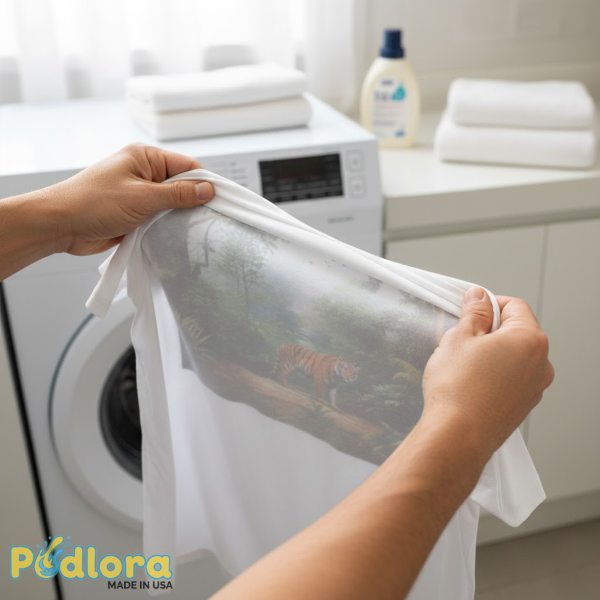
Turning your shirts inside out before washing is the single most important step you can take to preserve print quality. This simple action protects the design from several damaging factors:
Friction Protection: When you wash printed shirts inside out, the design faces inward, minimizing contact with other garments in the wash. This reduces the abrasive rubbing that causes prints to fade and crack over time.
Reduced Pilling: The outside of your shirt naturally experiences more wear from heat, sunlight, and environmental factors. During washing, turning the garment inside out prevents additional stress on the exterior fabric, which helps avoid the dreaded fabric pilling that makes shirts look worn.
Print Preservation: Direct exposure to washing machine agitation can weaken the bond between the ink and fabric. The inside-out method creates a protective barrier that helps maintain the integrity of your graphic design.
Step-by-Step Guide: How to Wash Printed Shirts
Pre-Washing Preparation
Sort Your Laundry Carefully: Separate your printed shirts by color to prevent color bleeding. The American Cleaning Institute recommends washing whites separately, grouping pastels and medium colors together, and keeping brights and darks by themselves. Also consider fabric weight—avoid washing lightweight graphic tees with heavy items like jeans or towels, which can aggravate the fabric through excessive friction.
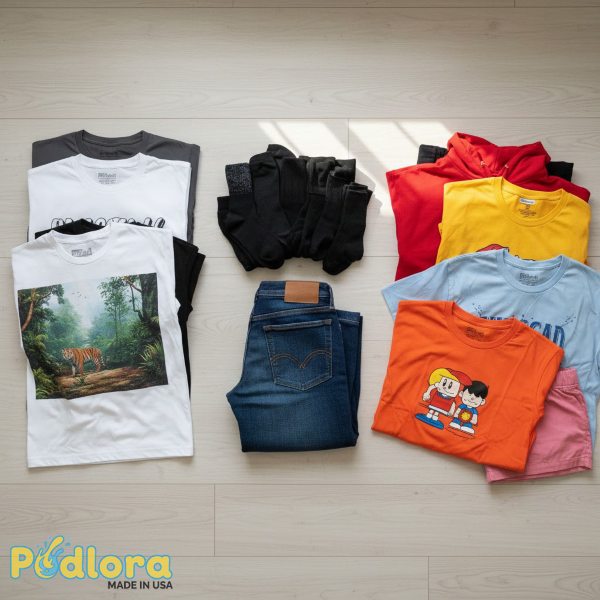
Turn Shirts Inside Out: This is your primary defense against print damage. Take a moment to turn each printed shirt inside out before placing it in the washing machine. This ensures the design faces inward throughout the wash cycle.
Pre-Treat Stains Properly: If you spot stains on your printed shirts, address them before washing. According to Rush Order Tees, you should use a gentle stain remover spray on the affected area rather than adding extra detergent to the wash. Apply the spray to the stained area, then gently buff with a clean washcloth or work the fabric against itself. Avoid using brushes or abrasive tools that could damage the print.
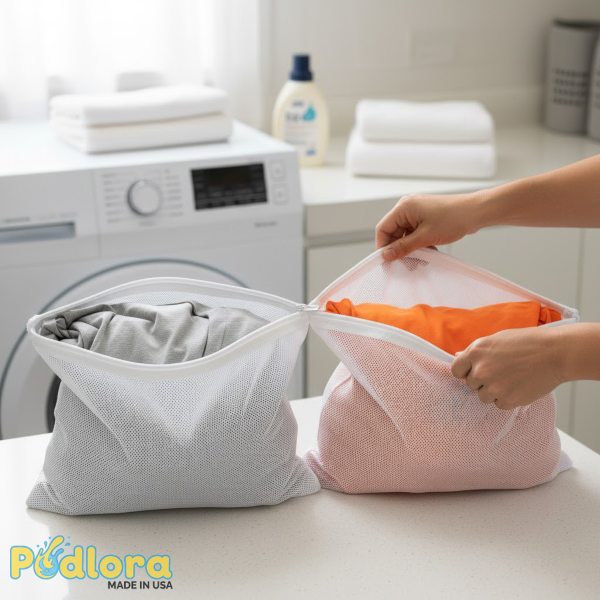
Consider Mesh Laundry Bags: For extra protection, place your inside-out printed shirts in a mesh laundry bag. This provides an additional shield against snagging on metal parts in the machine or getting twisted around the agitator.
Washing Machine Settings

Choose Cold Water: Temperature is critical when learning how to wash printed shirts without fading. Always use cold water—preferably 30°C (86°F) or lower. Hot water causes several problems: it softens the ink or adhesive holding the design to the fabric, accelerates color fading, and can cause fabric shrinkage. As Monster Press explains, cooler washes help prevent prints from fading or deteriorating over time while also protecting the fabric from shrinking and bobbling.
Select Gentle Cycle: Use the gentle or delicate cycle on your washing machine. This setting minimizes agitation and reduces the risk of damage to both the fabric and print. A slow spin helps wash your clothes thoroughly while avoiding the stretching that can cause print peeling or cracking.
Use Mild Detergent: Choose a gentle, liquid detergent free from bleach and harsh chemicals. Liquid detergents are preferable to powder versions because they’re less abrasive on fabric and prints. According to EazyDTF, you should look for detergents marked as “mild” or “for delicate fabrics” to maintain print integrity.
Avoid Fabric Softeners: While fabric softener might seem like a good idea, it can leave residue that affects print quality and even breaks down the inks over time. Skip it entirely for your printed shirts.
Don’t Overload the Machine: Resist the temptation to stuff your washing machine full. Overcrowding prevents proper cleaning and increases friction between garments, which can damage prints. Leave enough space for clothes to move freely during the wash cycle.
Hand Washing Printed Shirts
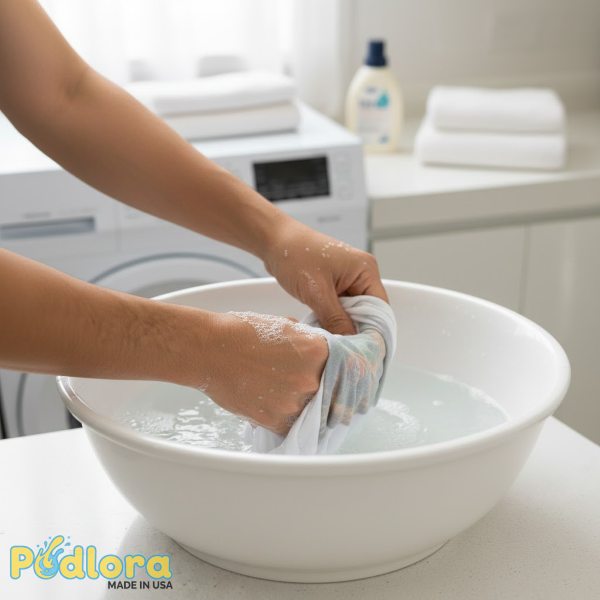
For your most treasured graphic tees, hand washing offers the gentlest cleaning method. Here’s how to wash graphic t-shirts inside out by hand:
- Prepare the Basin: Fill a clean sink or basin with cold water. Add a small amount of mild detergent and swish to dissolve completely.
- Turn Inside Out: Just like with machine washing, turn your shirts inside out before submerging them.
- Soak and Agitate Gently: Submerge the shirts in the soapy water and let them soak for 10-15 minutes. Gently agitate the water with your hands—avoid scrubbing or twisting the fabric.
- Rinse Thoroughly: Drain the soapy water and refill with clean, cold water. Rinse until all detergent is removed and the water runs clear.
- Remove Excess Water: Gently squeeze the shirts to remove excess water. Never wring or twist the fabric, as this can distort the shape and damage the print.
Drying Your Printed Shirts Properly
Drying is just as critical as washing when it comes to caring for printed t-shirts. Heat is the enemy of screen prints and graphic designs.
Air Drying (Recommended Method)
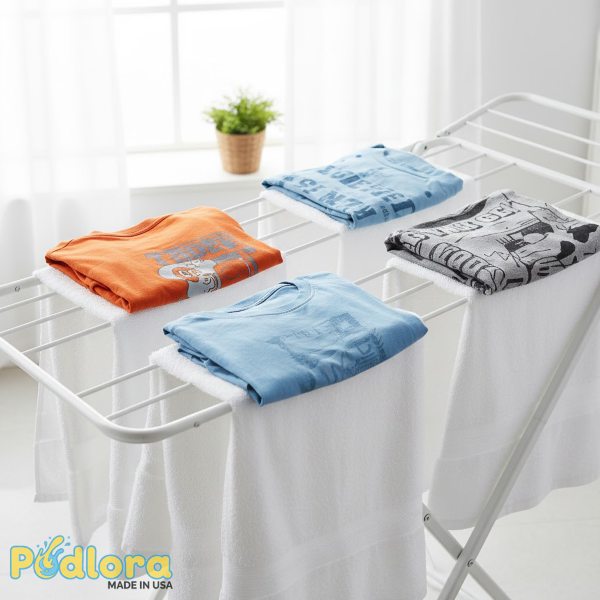
The best way to wash graphic t-shirts inside out is followed by proper air drying. Lay your shirts flat on a clean towel or drying rack, keeping them inside out. Reshape the garment if necessary and allow it to dry naturally in a shaded area. According to Same Day Custom, you should avoid direct sunlight when drying, as UV rays can cause colors to fade and prints to deteriorate.
If you prefer hanging your shirts, use thick plastic or padded hangers rather than wire ones. Wire hangers and clothespins can leave permanent marks in the shoulder areas. Keep the shirts inside out while hanging to continue protecting the print.
Machine Drying (Use Sparingly)

If you must use a dryer, take these precautions:
- Keep shirts turned inside out
- Use the lowest heat setting available or select the “air dry” or “tumble dry low” option
- Remove shirts while they’re still slightly damp to prevent over-drying
- Never use high heat, as it causes prints to crack, peel, and fade while also shrinking the fabric
The less heat exposure your custom printed tee receives, the longer it will maintain its original appearance. Many experts recommend removing printed shirts from the dryer early, before the cycle completes, then laying them flat to finish drying naturally.
Ironing and De-Wrinkling Techniques
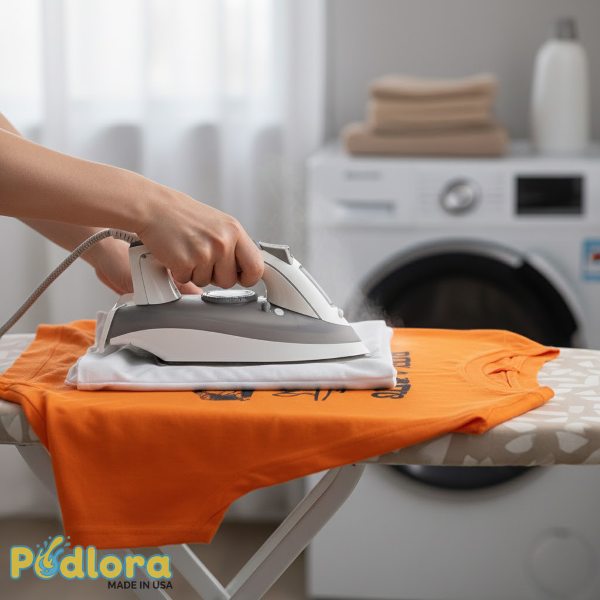
When your printed shirts need wrinkle removal, proceed with caution:
Never Iron Directly Over Prints: Direct heat on graphic designs can cause melting, distortion, or permanent damage. If you must iron, keep the shirt inside out and use the lowest temperature setting suitable for the fabric.
Use a Pressing Cloth: Place a thin towel or cloth between the iron and the garment for an extra layer of protection. This barrier prevents direct heat contact while still smoothing wrinkles.
Consider Steaming Instead: Hang your inside-out shirt and use a handheld steamer on the lowest temperature setting. Work around the printed area rather than directly on it. Steaming is gentler than ironing and effectively removes wrinkles without the risk of heat damage.
Common Mistakes to Avoid
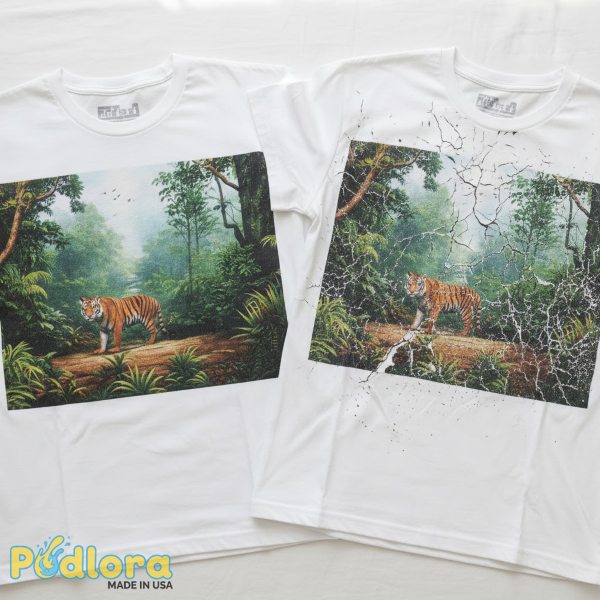
Understanding what not to do is just as important as following best practices for washing instructions for custom printed t-shirts:
Don’t Use Hot Water: Hot water is one of the fastest ways to ruin printed designs. It weakens ink bonds, causes shrinkage, and accelerates fading.
Don’t Use Bleach: Even on white shirts, bleach can damage prints and weaken fabric fibers. If you need to brighten whites, use oxygen-based, color-safe bleach alternatives instead.
Don’t Wash Immediately After Purchase: If you’ve just received a custom printed shirt, wait at least 24 hours before the first wash. The ink needs time to fully cure and set into the fabric. Washing too soon can compromise the print’s durability.
Don’t Ignore Care Labels: Garment manufacturers provide specific care instructions based on the fabric and printing method. Always check the care label first, as some specialty prints may have unique requirements.
Don’t Dry Clean Plastisol Prints: If your shirt has plastisol ink (common in screen printing), avoid dry cleaning. According to ScreenPrinting.com, dry cleaning chemicals make plastisol ink brittle, causing it to come off the shirt. Water-based prints, however, can typically handle dry cleaning if needed.
Special Considerations for Different Fabric Types
Different fabric compositions require slightly different approaches:
100% Cotton: Offers superior breathability and comfort but is prone to shrinkage and fading. Always use cold water and air dry when possible. Cotton holds prints well but requires gentle handling to maintain shape.
Cotton-Polyester Blends (50/50): These versatile blends resist wrinkling and retain shape better than pure cotton. They’re more forgiving in the wash but still require cold water and gentle cycles to preserve prints.
100% Polyester: Performance polyester wicks moisture and maintains dimensional stability. However, it’s particularly heat-sensitive. According to KW Shirts, you should use minimal detergent with polyester to avoid residue buildup and always air dry or use the lowest heat setting to prevent print damage.
Storage Tips for Printed Shirts

Proper storage extends the life of your printed apparel between wears:
Fold, Don’t Hang Long-Term: While hanging is fine for short periods, folding is better for long-term storage. Hanging shirts for extended periods can cause fabric stretching and print distortion. Fold shirts neatly with the design on the outside to avoid creasing the print.
Store in Cool, Dry Places: Keep your printed shirts away from direct sunlight, which causes fading and color deterioration. Choose a cool, dry location with good ventilation to prevent mold or mildew buildup.
Avoid Overcrowding: Don’t pack shirts too tightly in drawers or on shelves. Compression can cause wrinkles and potentially damage prints over time.
How Long Do Printed Shirts Last With Proper Care?
With proper washing and maintenance, high-quality printed shirts can last through countless washes without significant fading, cracking, or peeling. The longevity depends on several factors:
- Print Quality: Professional printing services using quality materials create more durable designs
- Printing Method: Screen printing and sublimation typically offer the best durability, followed by DTF transfers
- Care Consistency: Following essential garment care techniques every time you wash extends print life significantly
- Wash Frequency: Only washing when necessary, rather than after every wear, reduces stress on prints and fabrics
Many well-maintained printed shirts remain vibrant and intact for years, while poorly cared-for shirts may show wear after just a few dozen washes.
Troubleshooting Common Print Problems
Print Cracking: Usually caused by heat exposure or harsh washing. According to Ninja Transfers, cracking occurs when prints are exposed to harsh detergents, warm water, and aggressive washing. Always turn shirts inside out and use cold water to prevent this issue.
Print Peeling: Often results from using hot water, which softens the adhesive holding the design. Direct T-Shirt explains that turning printed shirts inside out before washing reduces friction that contributes to peeling.
Fading Colors: Caused by hot water, direct sunlight during drying, or harsh detergents. Use cold water, mild detergent, and air dry in shaded areas to maintain color vibrancy.
Print Distortion: Results from improper drying or storage. Avoid wringing wet shirts, use proper hangers, and fold carefully to prevent shape changes that affect prints.
FAQ
How to wash printed t-shirts without ruining them?
The key is turning shirts inside out before washing, using cold water, selecting a gentle cycle, and air drying whenever possible. Always use mild detergent and avoid fabric softeners or bleach. These steps protect the print from friction, heat, and harsh chemicals that cause damage.
How to machine wash printed shirts?
First, turn your printed shirts inside out and sort by color. Place them in a mesh laundry bag for extra protection if desired. Set your washing machine to a gentle cycle with cold water (30°C or lower) and add mild liquid detergent. Avoid overloading the machine to reduce friction between garments.
How to properly wash graphic t-shirts?
Proper washing starts with preparation: sort by color, turn inside out, and pre-treat any stains with gentle stain remover. Use cold water on a delicate cycle with mild detergent. For best results, hand wash treasured shirts in a basin of cold water with gentle agitation, then rinse thoroughly and air dry flat or on a padded hanger.
How to wash graphic tees without cracking?
Cracking prevention requires avoiding heat at all stages. Use cold water for washing, never hot. Skip the dryer if possible, or use only the lowest heat setting while keeping shirts inside out. Never iron directly on prints. The combination of cold water washing and air drying is the most effective way to prevent cracking.
Can you put printed shirts in the dryer?
While it’s best to air dry printed shirts, you can use a dryer if necessary. Keep shirts turned inside out, select the lowest heat setting available, and remove them while still slightly damp. High heat causes prints to crack and peel while also shrinking fabric. The less heat exposure, the better for longevity.
What detergent is best for printed clothes?
Choose mild, liquid detergents specifically designed for delicate fabrics. Avoid products containing bleach, harsh chemicals, or optical brighteners. Liquid detergents are preferable to powders because they’re less abrasive. Look for detergents labeled “gentle,” “mild,” or “color-safe” to maintain both fabric and print quality.
How often should you wash printed shirts?
Only wash your graphic tees when they actually need it—not automatically after every wear. If the shirt isn’t visibly dirty or odorous, you can wear it multiple times before washing. This reduces the stress on both the fabric and print, significantly extending the garment’s lifespan while maintaining its appearance.
Does hard water affect printed shirts?
Yes, mineral deposits in hard water can damage prints over time. If you have hard water, consider washing printed tees at a laundromat with treated water, or add a small amount of white vinegar to your wash water to soften it naturally. This protects both the fabric and the printed design from mineral buildup.
Conclusion
Learning how to wash printed shirts using the inside-out method is one of the simplest yet most effective ways to preserve your favorite graphic tees. This basic technique, combined with cold water washing, gentle detergents, and proper drying, can extend the life of your printed apparel for years.
At PODLORA, we’re committed to helping you get the most from your custom printed shirts. By following these garment care guidelines, you ensure that the designs you love remain vibrant, intact, and wearable through countless adventures. Remember: proper care starts the moment you bring your shirts home and continues with every wash.
Your printed shirts represent memories, passions, and personal style. They deserve the extra care that keeps them looking their best. Turn them inside out, wash with cold water, skip the high heat, and enjoy your favorite graphics for years to come.
Quick Reference Guide: Key Points for Washing Printed Shirts
| Category | Best Practice | Why It Matters |
|---|---|---|
| Pre-Wash Preparation | Turn shirts inside out | Protects prints from friction and abrasion during washing |
| Water Temperature | Use cold water (30°C/86°F or lower) | Prevents ink softening, color fading, and fabric shrinkage |
| Wash Cycle | Select gentle/delicate cycle | Minimizes agitation that can damage prints and fabric |
| Detergent Choice | Use mild liquid detergent | Avoids harsh chemicals that break down ink and fibers |
| Products to Avoid | No bleach or fabric softeners | These chemicals damage prints and leave harmful residue |
| Drying Method | Air dry flat or hang in shade | Eliminates heat damage that causes cracking and peeling |
| Machine Drying | Lowest heat, remove early | Reduces heat exposure that compromises print integrity |
| Ironing | Inside out only, low heat | Prevents direct heat damage to graphic designs |
| Stain Treatment | Pre-treat with gentle spray | Targets stains without harsh scrubbing that damages prints |
| Storage | Fold in cool, dry place | Prevents stretching, fading from sunlight, and shape distortion |
| Wash Frequency | Only when necessary | Reduces cumulative wear on fabric and prints |
| Load Size | Avoid overloading machine | Decreases friction between garments that damages designs |

Hi, I’m Emma Sullivan — a Texas-based writer who specializes in product design, e-commerce, and customer experience. With over five years of writing experience, I love turning complex information into clear, helpful content that makes online shopping easier for everyone. Having spent years working in the U.S. print-on-demand and merchandising space, I focus on creating articles that are honest, engaging, and genuinely useful.