
How to Wash Tie-Dye Shirts Without Color Bleeding
Watching those vibrant swirls and spirals fade after just a few washes can break any tie-dye enthusiast’s heart. Whether you’ve spent hours creating your own masterpiece or invested in a premium piece, learning how to wash tie-dye shirts properly is essential for maintaining their beauty. Understanding proper tie dye care makes all the difference between colors that last and designs that disappear. The good news is that with the right tie dye washing guide, you can wash tie-dye shirts without bleeding and keep them looking fresh for years.
Understanding Why Tie-Dye Colors Bleed
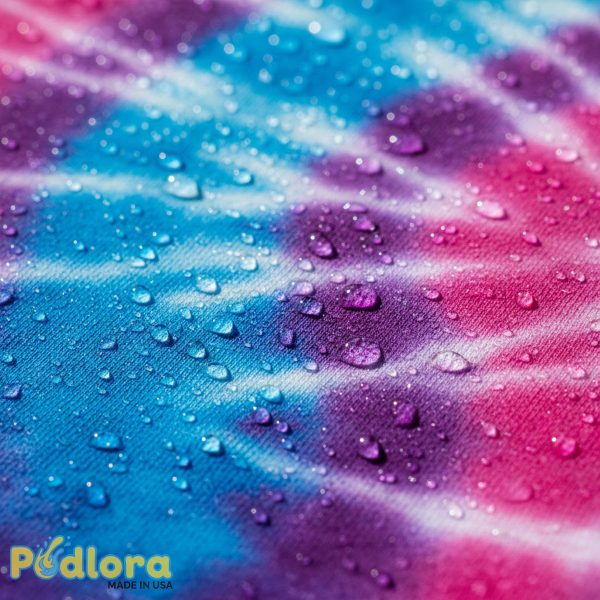
Before diving into tie dye washing instructions, it helps to understand what causes color bleeding in the first place. The dye molecules in your tie-dye shirt need time and proper conditions to bond permanently with the fabric fibers. When this bonding process is incomplete or disrupted, excess dye particles remain loose in the fabric and can wash away during laundering.
Quality matters significantly when it comes to color bleeding prevention. Fiber-reactive dyes form a strong covalent bond with cellulosic fibers, making them the most permanent and washfast of all dyestuffs. These professional-grade dyes, commonly used in tie-dyeing, create a chemical bond with cotton fibers that becomes virtually permanent once properly set. However, even the best dyes require appropriate tie dye aftercare to achieve their full potential.
The first wash is particularly critical for washing new tie dye. During this initial laundering, any unbonded dye particles will release from the fabric. Hot water, excessive agitation, and harsh detergents can all contribute to color bleeding. Understanding these factors allows you to take preventive measures that protect tie dye colors effectively.
The Critical First 24-48 Hours: Color Setting Tie Dye
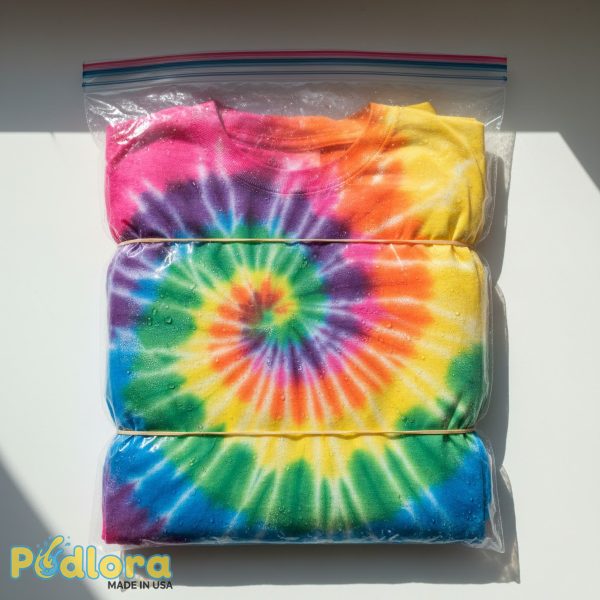
Patience is your greatest ally immediately after dyeing when learning how to set tie dye color permanently. The chemical reaction between fiber-reactive dyes and cotton fibers needs time to complete. Most dye manufacturers recommend waiting at least 24 hours before the first rinse, though 48 hours yields even better results for tie dye color preservation.
During this waiting period, keep your tied shirt in a sealed plastic bag. This maintains moisture and warmth, both of which encourage the dye-fiber bond to strengthen. The temperature matters too—fiber-reactive dyes work optimally between 75-95°F. If your home runs cold, place the bagged shirt in a warm location like near a water heater or in a sunny spot.
This initial setting phase determines how permanent your colors will be. Rushing to rinse too early means washing away dye that could have bonded to your fabric. At PODLORA, we emphasize this crucial step in our tie dye laundry tips because it’s the foundation of long-lasting, vibrant tie-dye that won’t bleed excessively in future washes.
Pre-Wash Rinsing: Essential Tie Dye Maintenance
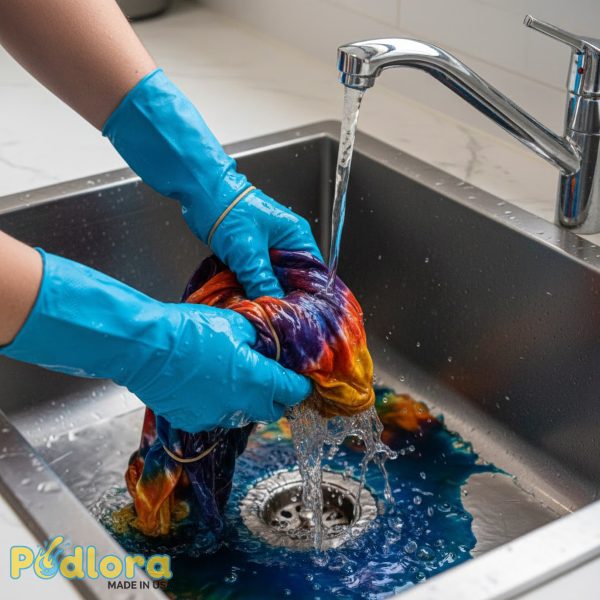
After your tie-dye has set for 24-48 hours, the first rinse tie dye step removes loose dye particles before they have a chance to redeposit elsewhere on the fabric. This is one of the most important tie dye cleaning methods for preventing color bleeding in subsequent washes.
Start with the rubber bands still in place. Rinse under cold running water, holding the shirt away from your body to avoid staining clothes. You’ll notice a significant amount of dye washing out—this is completely normal and expected. Continue rinsing until the water runs mostly clear, which typically takes 5-10 minutes per shirt.
For best results with tie dye fabric care, rinse each color section separately if possible. Start with lighter colors and progress to darker ones. This prevents darker dyes from staining lighter areas. Some crafters prefer rinsing outdoors with a garden hose, which works beautifully and eliminates sink staining concerns.
Once the rinse water runs mostly clear, you can remove the rubber bands to reveal your design. Give the shirt one final rinse without the bands, gently squeezing (never wringing) excess water from the fabric.
How to Wash Tie Dye Shirts for the First Time
The debate about what temperature water to wash tie dye has valid arguments on both sides. Hot water helps remove heavy soil but can be harsh on fabrics, while cold water offers gentler treatment for prevent tie dye bleeding.
For washing tie dye shirts for the very first time after your initial rinse, many dye professionals recommend using warm to hot water with a small amount of mild detergent. This initial hot wash helps flush out any remaining unfixed dye while the chemical bonds are still establishing themselves. The heat won’t cause properly bonded dye to release.
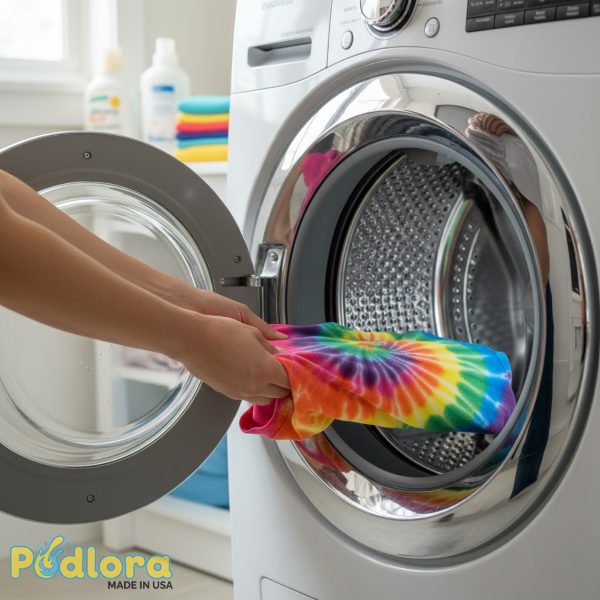
When learning how to wash tie dye shirts in washing machine, wash your shirt alone or only with other tie-dyed items in similar color families during this first wash. Set your machine to the smallest load size appropriate for the number of items. Use a normal cycle rather than heavy-duty, as excessive agitation can damage fibers.
Add just a tablespoon or two of gentle detergent. Avoid anything with bleach, optical brighteners, or fabric softener, as these can interfere with dye permanence or dull colors over time. This is crucial for safe washing tie dye.
Cold Water Washing: Your Long-Term Strategy to Maintain Tie Dye Colors

After the first wash, switching to cold water washing becomes your best strategy for tie dye color preservation. Modern laundry detergents are specifically formulated to work effectively in cold water, making this approach both practical and efficient.
Many people wonder will tie dye bleed in cold water. The answer is that cold water significantly reduces bleeding compared to hot water. Cold water washing offers multiple benefits for tie dye shirt maintenance. It prevents the dye molecules from becoming agitated and potentially releasing from fibers. According to ARM & HAMMER research, washing in cold water helps reduce fading and color bleeding by being less damaging to fabric fibers. And it helps preserve the fabric itself, extending the life of your favorite shirts.
Energy Star data shows that 90% of the energy used to operate a washing machine is spent on heating the water, so this approach also reduces your environmental impact and utility bills. For keeping tie dye bright, cold water minimizes the risk of colors running together or fading prematurely.
When using cold water washing, always select a liquid detergent rather than powder. Liquid formulas dissolve more completely in cooler temperatures and rinse away more thoroughly, leaving no residue that could dull your colors.
Choosing the Right Gentle Detergent for Tie-Dye
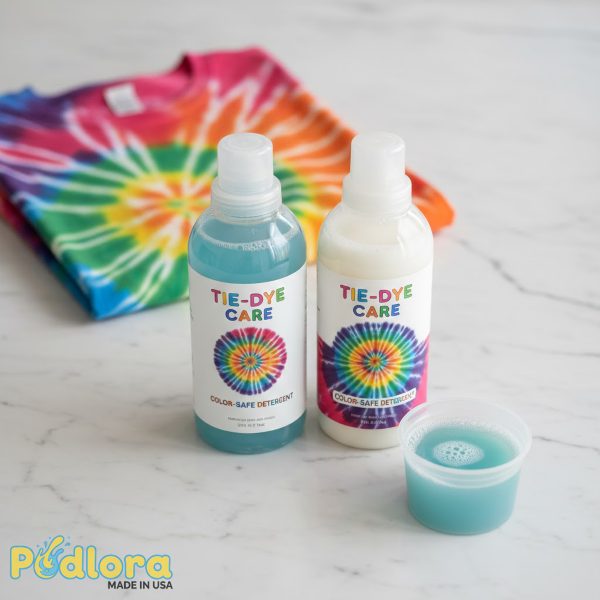
Not all detergents treat tie-dye fabrics equally when it comes to washing techniques tie dye. The harsh chemicals in some formulations can strip color or cause fading over time. For optimal tie dye fabric care, select a gentle detergent without added brighteners or bleaching agents.
Look for products labeled “color safe” or “for darks and colors.” These formulations are designed to protect tie dye colors rather than strip them. Avoid detergents with heavy fragrances, as the chemicals that create scents can sometimes interact negatively with textile dyes.
Use less detergent than you might for regular laundry. Tie-dyed items typically don’t get as heavily soiled as work clothes or athletic wear, so a smaller amount suffices. The Good Housekeeping Institute recommends always using the cap or scoop that comes with your detergent and measuring based on load size to avoid overuse.
Natural or plant-based detergents work wonderfully for tie dye care. Many crafters prefer these gentler formulations, which clean effectively without harsh additives. Whatever product you choose, test it first on an inconspicuous area if you’re concerned about colorfastness.
The Vinegar for Tie Dye Question: Myth vs. Reality
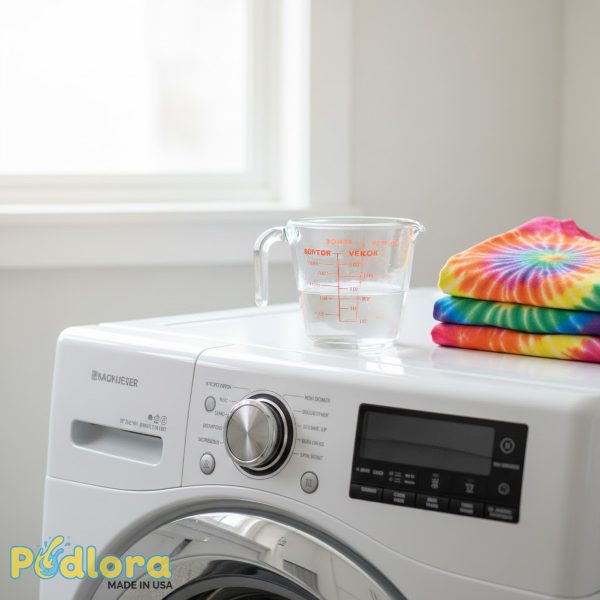
You’ve probably heard that adding vinegar for tie dye helps set colors and prevent tie dye bleeding. This common advice appears across countless websites and crafting forums. However, the scientific reality is more nuanced than the folk wisdom suggests when it comes to using salt for tie dye or vinegar as a dye fixative.
Vinegar does play a legitimate role in certain dyeing processes, particularly with acid dyes used on wool and silk. However, for the fiber-reactive dyes commonly used on cotton in tie-dyeing, vinegar doesn’t actually work as a dye fixative. The chemical bonding process that makes these dyes permanent happens during the initial curing phase with soda ash, not during washing.
Research at the University of Nebraska-Lincoln specifically tested home remedy treatments including vinegar for tie dye and salt for tie dye on cotton fabrics. The results showed these treatments were ineffective at reducing color loss when using fiber-reactive dyes.
That said, adding half a cup of white vinegar to your rinse cycle can help remove detergent buildup and keep fabrics soft. It won’t hurt your tie-dye, but don’t expect it to magically prevent color bleeding if the dyes weren’t properly set initially. The real key lies in using quality dyes and allowing adequate setting time before washing.
Washing Machine Settings That Protect Tie-Dye Colors

Your washing machine offers various settings, and choosing the right washing techniques tie dye helps preserve your designs. The gentler your approach, the longer your colors stay vibrant with proper tie dye maintenance.
Select the delicate or gentle cycle whenever possible. These cycles use less agitation and shorter spin times, both of which reduce stress on fabric fibers and dye molecules. If your machine has a hand-wash cycle, that’s even better for particularly precious pieces when you want to keep tie dye bright.
Turn your tie-dye shirts inside out before washing. This simple step protects the outer surface from direct friction with other items and the washing machine drum. The inside takes the brunt of any abrasion, while the colorful exterior stays protected—an essential tip in any tie dye washing guide.
Avoid overloading your washing machine. Clothes need room to move freely for proper cleaning, but excessive friction between garments can cause fading. Fill the drum about two-thirds full for optimal results in tie dye laundry.
If your machine has a temperature control separate from the cycle selection, verify that it’s set to cold. Some machines default to warm water even on gentle cycles, so double-check before starting the wash.
Drying Tie-Dye Without Fading: Best Way to Wash Tie Dye Shirts
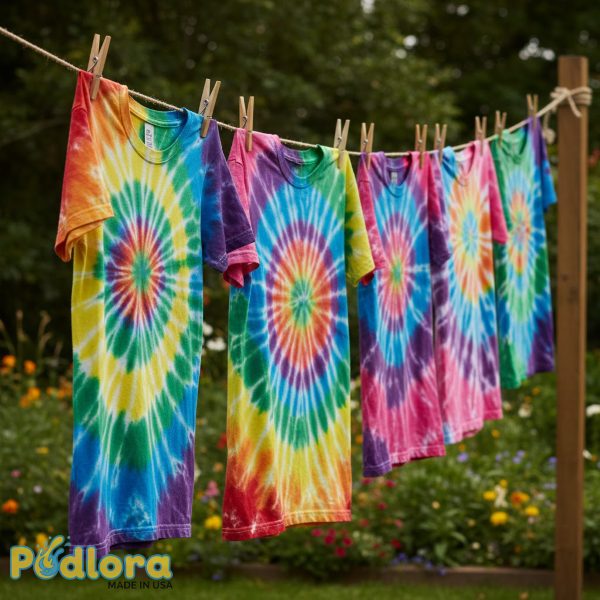
The drying process presents another opportunity for color bleeding prevention. While throwing everything in the dryer is convenient, air drying offers superior color protection for tie-dye garments and is part of the best way to wash tie dye shirts without fading.
If you do use a dryer, select low heat or the air fluff setting. High heat can damage fabric fibers and potentially cause color fading over time. Remove items promptly when the cycle ends to prevent any heat damage from extended tumbling.
Air drying is the gentler option that PODLORA recommends for valued tie-dye pieces. Hang your shirts on a clothesline or drying rack away from direct sunlight. While sunshine works beautifully for whites, UV rays can fade colored fabrics over time. Choose a shaded indoor location or a covered outdoor area for proper tie dye aftercare.
Lay flat drying works well for particularly vibrant or new tie-dye items. This method eliminates any stress on the fabric from hanging weight and ensures completely even drying. Use a clean towel beneath the shirt to absorb moisture.
Never leave damp tie-dye items sitting in a pile. This creates the perfect conditions for colors to bleed into one another. Handle wet tie-dye promptly after washing, and ensure adequate air circulation during drying.
Can You Wash Tie Dye Shirts with Other Clothes?
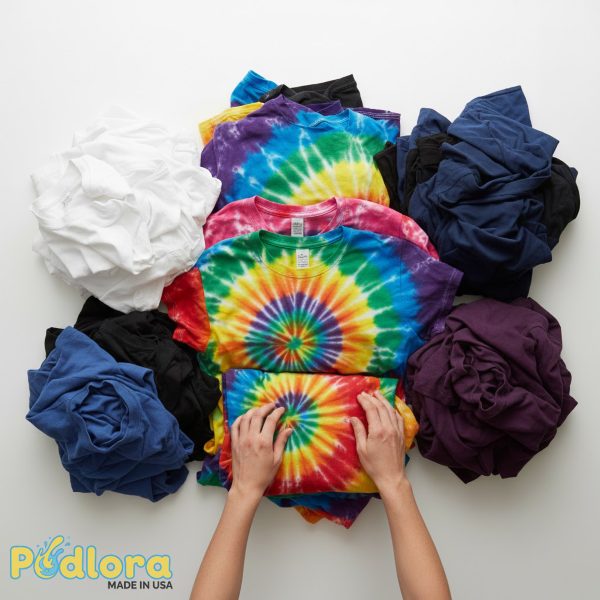
One of the most common questions about tie dye washing instructions is: can you wash tie dye shirts with other clothes? Patience pays off when it comes to integrating tie-dye into your regular laundry routine. While you can eventually wash tie-dye with other items, timing matters significantly.
For the first two to three washes, should you wash tie dye shirts separately? Absolutely. Keep tie-dye items separate from your regular laundry for proper tie dye shirt maintenance. Even well-set dyes may release small amounts of color during these initial washings. Test for colorfastness by dampening a white paper towel and pressing it firmly against different colored sections of your design. If no color transfers, the shirt is ready to join other items.
When you do start washing tie-dye with other clothes, use separate colors laundry techniques and group items carefully. The American Cleaning Institute recommends washing bright and dark colors separately, and paying special attention to synthetics which can pick up dark dyes from other fabrics during washing.
Continue using cold water washing and gentle cycles even when washing tie-dye with other items. Avoid pairing tie-dye with heavy items like jeans or towels, as the friction from heavier fabrics can cause excessive wear on lighter materials.
For PODLORA customers who value their custom pieces, we always recommend erring on the side of caution. If a particular shirt holds special meaning, continuing to wash it separately indefinitely ensures it stays pristine for years to come.
Hand Wash Tie Dye: When and How
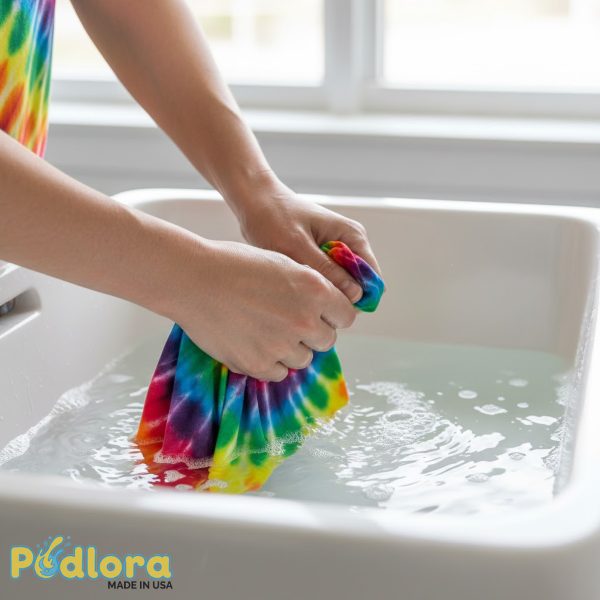
Sometimes the safest approach for particularly precious pieces or vintage tie-dye is to hand wash tie dye garments. This gentler tie dye cleaning method gives you complete control over the washing process and is ideal for delicate fabrics.
To hand wash tie dye properly, fill a clean sink or basin with cool water. Add a small amount of gentle detergent—about a teaspoon is usually sufficient. Submerge the garment and gently agitate the water with your hands, allowing the detergent solution to work through the fabric.
Let the shirt soak for 5-10 minutes, then gently squeeze the soapy water through the fabric. Avoid twisting or wringing, as this can damage fibers and affect color distribution. Drain the soapy water and refill with clean, cool water for rinsing.
Rinse thoroughly until no soap bubbles remain. You may need to rinse 2-3 times. Once rinsed, gently squeeze out excess water without wringing. Roll the garment in a clean towel to absorb more moisture, then lay flat to dry.
Special Considerations for Different Tie Dye Fabric Care
Different fabrics and dye types may require adjusted washing techniques tie dye. Understanding these variations helps you tailor your strategy to each specific piece for optimal tie dye color preservation.
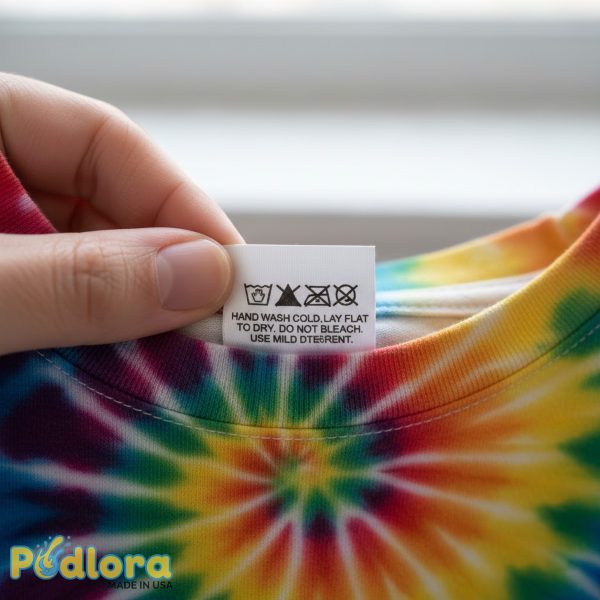
Commercially purchased tie-dye often uses different dyes than DIY projects. Store-bought shirts may have been treated with additional fixatives or finished with protective coatings. Check care labels on purchased items and follow any specific washing instructions provided. For more guidance, consult our comprehensive resource on specialty fabric washing tips.
Rayon tie-dye requires extra gentleness, as rayon fibers are more delicate than cotton. Always use cold water washing and hand wash tie dye or the delicate cycle for rayon pieces. Never wring rayon—gently squeeze excess water and lay flat to dry.
Polyester and synthetic blends behave differently than natural fibers. Some dyes don’t bond as permanently with synthetic materials, making color bleeding prevention more challenging. These items may need to be washed separately indefinitely.
Vintage tie-dye deserves special care, as older dyes may not have the same washfastness as modern formulations. Consider hand washing treasured vintage pieces or taking them to a professional cleaner who specializes in delicate garments.
How Long to Wait Before Washing Tie Dye Shirts
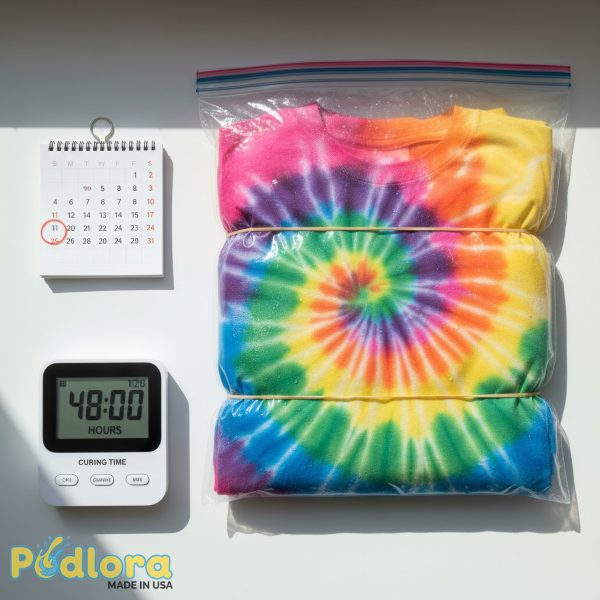
A critical question for anyone creating or receiving new tie-dye is: how long to wait before washing tie dye shirts? The answer significantly impacts the longevity of your colors and is essential for proper tie dye care.
As mentioned earlier, wait a minimum of 24 hours after dyeing before the first rinse. However, 48 hours is ideal for ensuring the dye has fully bonded with the fabric fibers. During this crucial color setting tie dye period, keep the damp shirt in a sealed plastic bag in a warm location.
Some dye experts recommend waiting even longer—up to 72 hours—for particularly vibrant colors or when working in cooler environments. The longer the dye has to cure, the more permanent the colors become, reducing future bleeding issues.
If you purchase tie-dye from a retailer, it has likely already undergone this curing process. However, it’s still wise to wash new tie dye separately for the first few washes to remove any residual dye that wasn’t rinsed during manufacturing.
Professional Tie Dye Laundry Tips From PODLORA Experts
Our experience with thousands of custom tie-dye pieces has taught us what really works for long-term tie dye shirt maintenance. These professional tie dye laundry tips help you maintain your pieces like an expert.
Wash tie-dye garments less frequently when possible. Unlike heavily worn items that need frequent washing, tie-dye shirts often need only spot cleaning between wears. Hanging items to air out between uses extends the time between full washes and helps keep tie dye bright.
Use color catcher sheets when you’re uncertain about color bleeding prevention. These products absorb loose dyes in the wash water, preventing them from redepositing on other fabrics. While not a substitute for proper initial dye setting, they provide extra insurance during mixed loads.
Keep a separate laundry basket for tie-dye items. This prevents them from sitting in contact with damp towels or other laundry that might cause color transfer even before washing begins—a simple but effective tie dye cleaning method.
Consider the finished quality of the dye job before washing. Professional tie-dye typically uses higher quality dyes and more thorough setting processes than quick DIY projects. Commercially produced pieces often tolerate more aggressive washing than home-dyed items.
Document your washing routine for each special piece. Note which items can be washed together, which ones still show slight bleeding, and any special care requirements. This record keeping prevents mix-ups and ensures consistent tie dye aftercare.
How to Prevent Tie Dye from Bleeding in the Wash: Complete Checklist
To ensure you’re taking all the right steps to prevent tie dye from bleeding in the wash, follow this comprehensive checklist of safe washing tie dye practices:
Before First Wash:
- Wait 24-48 hours for dye to set completely
- Keep damp shirt in sealed bag in warm location
- Perform initial rinse with rubber bands on
- Rinse until water runs mostly clear
First Machine Wash:
- Wash alone or with similar tie-dye items only
- Use warm to hot water for this wash only
- Choose gentle detergent without additives
- Select normal cycle, not heavy-duty
Ongoing Care:
- Switch to cold water washing after first wash
- Turn shirts inside out before washing
- Use delicate or gentle cycle
- Wash separately for first 2-3 washes
- Test for colorfastness before mixing with other clothes
- Choose liquid detergent over powder
- Avoid fabric softener and bleach
Drying:
- Air dry away from direct sunlight when possible
- Use low heat if machine drying
- Remove promptly when dry
- Never leave damp items in a pile
This comprehensive approach to protect tie dye colors ensures your garments stay vibrant wash after wash.
Troubleshooting Common Tie-Dye Washing Problems
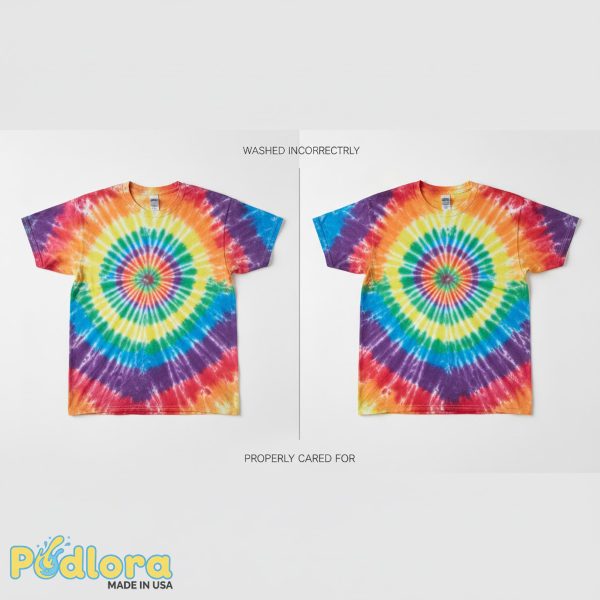
Even with careful attention to tie dye washing instructions, problems occasionally arise. Knowing how to address common issues helps you rescue projects and maintain tie dye colors effectively.
If colors bleed during washing, act quickly. Remove the item immediately and rinse the affected areas with cold water. Sometimes you can minimize damage by treating stained sections with a color remover product specifically designed for fabric dyes.
Faded colors often result from washing in water that’s too hot or using harsh detergents. While you can’t fully restore faded tie-dye, switching to cold water washing and gentler products will prevent further fading. Some crafters refresh faded shirts by overdyeing with similar colors.
Stiff fabric indicates detergent buildup or hard water issues. Add a cup of white vinegar to a rinse cycle to strip away residue. Consider using less detergent in future washes or adding a water softener if you have hard water.
Color crocking—when dye rubs off on skin or other surfaces—suggests the dye wasn’t properly set initially. Wash the item several additional times in warm water with gentle detergent to remove unfixed dye. If crocking persists, the item may need professional treatment or simply isn’t suitable for regular wear.
The Environmental Impact of Tie-Dye Care
Sustainable laundry practices benefit both your clothes and the planet. The way you care for tie-dye items can minimize environmental impact while achieving excellent tie dye color preservation.
Cold water washing significantly reduces energy consumption. Making this switch for your tie dye care contributes to lower carbon emissions and smaller utility bills. The energy savings add up quickly when applied across all your laundry.
Using less gentle detergent reduces chemical discharge into water systems. Most people use far more detergent than necessary for effective cleaning. Starting with half the recommended amount and adjusting based on results often provides adequate cleaning with less environmental impact.
Air drying eliminates dryer energy use entirely. While not always practical, even air drying half your tie-dye items makes a measurable difference. As a bonus, your clothes last longer without heat exposure—a win for both tie dye fabric care and sustainability.
Washing items less frequently reduces water consumption and decreases microfiber pollution from synthetic fabrics. Spot cleaning and airing out garments between washes extends their life while minimizing resource use.
PODLORA encourages sustainable practices throughout the tie-dye lifecycle, from production to care. Your washing choices contribute to this larger environmental commitment.
FAQ: Common Tie-Dye Washing Questions Answered
How to keep tie dye from bleeding in the wash?
The most effective approach to prevent tie dye bleeding combines proper initial dye setting with careful tie dye washing instructions. Let your tie-dye set for at least 24-48 hours before the first rinse tie dye. When washing, use cold water washing and wash items separately for the first few washes. Turn garments inside out, use gentle cycles, and choose gentle detergent without bleach or brighteners. Testing for colorfastness before mixing with other laundry prevents unpleasant surprises.
How to wash tie dye shirts after dying them?
After the 24-48 hour setting period for color setting tie dye, begin by rinsing under cold water with rubber bands still in place until water runs mostly clear. Then remove bands and rinse again. For the first machine wash of washing new tie dye, wash the item alone using warm water and gentle detergent on a normal cycle. After this initial wash, switch to cold water washing for all subsequent washings to maintain tie dye colors. Always use gentle cycles and avoid fabric softener or bleach.
Why wash tie dye in hot water?
Hot water for the first wash tie dye helps remove excess unfixed dye particles more effectively than cold water. This initial hot wash can actually help complete the dye-setting process and prevent future bleeding—an important part of safe washing tie dye. However, hot water should only be used for the first wash or two. After that, cold water washing protects the permanently bonded dyes from fading and provides better long-term tie dye color preservation.
Do you wash a tie dye shirt with the rubber bands on?
Keep rubber bands on during the initial cold water rinse tie dye to prevent different colored sections from bleeding into each other while loose dye washes away. However, remove the rubber bands before machine washing. The bands can create uneven wear patterns and prevent proper cleaning if left in place during machine agitation. After removing bands and completing a final rinse, the shirt is ready for machine washing—this is a key step in tie dye washing instructions.
Can I use fabric softener on tie-dye shirts?
Avoid fabric softener on tie-dye garments, especially during the first several washes. Fabric softener can coat fibers and potentially interfere with the dye fixative bonding or create uneven coloring. If you want softer fabric as part of your tie dye aftercare, add half a cup of white vinegar for tie dye to the rinse cycle instead. Vinegar naturally softens fabric without the coating effect of commercial softeners.
How many times should I wash tie-dye separately before mixing with other clothes?
For proper tie dye shirt maintenance, plan to wash tie-dye items separately for at least the first 2-3 wash cycles. After that, test for colorfastness by pressing a damp white cloth against different colored sections. If no color transfers, the shirt can be carefully integrated into regular separate colors laundry with similar colors. When in doubt about can you wash tie dye shirts with other clothes, continue separate washing—especially for particularly vibrant or meaningful pieces.
Will my tie-dye ever stop bleeding completely?
High-quality tie-dye made with proper fiber-reactive dyes and adequate setting time should stop bleeding after the first few washes once all unbonded dye particles are removed. The question of will tie dye bleed in cold water becomes less of a concern once the dye is properly set. If bleeding continues beyond 3-4 washes, the dyes may not have bonded properly during the initial application. This could indicate poor quality dyes, insufficient setting time, or incorrect dye fixative process.
Can I dry clean tie-dye shirts?
While dry cleaning is possible, it’s generally unnecessary for cotton tie-dye and can be expensive for casual garments. Water washing with proper tie dye cleaning methods is more effective for tie dye care. However, if you have a particularly valuable piece or tie-dye on delicate fabric like silk, professional dry cleaning might be appropriate. Inform the cleaner about the tie-dye to ensure proper tie dye fabric care handling.
Summary: Key Points for Washing Tie-Dye Successfully
| Care Aspect | Best Practice | Why It Matters |
|---|---|---|
| Initial Setting | Wait 24-48 hours before first rinse | Allows dye-fiber chemical bonds to form completely |
| First Rinse | Cold water with rubber bands on until water runs clear | Removes excess unfixed dye particles |
| First Machine Wash | Warm/hot water, alone, mild detergent | Flushes remaining loose dye while bonds strengthen |
| Ongoing Washing | Cold water, gentle cycle, turned inside out | Preserves colors and protects fabric integrity |
| Detergent Choice | Mild, dye-free liquid without brighteners or bleach | Prevents color stripping and harsh chemical damage |
| Drying Method | Air dry away from direct sunlight or low-heat tumble | Prevents heat damage and UV fading |
| Mixing with Other Laundry | Separate for first 2-3 washes, then test for colorfastness | Prevents dye transfer to other garments |
| Washing Frequency | Only when truly needed; spot clean between washes | Extends garment life and color vibrancy |
| Vinegar Use | Optional in rinse cycle for softening, not dye setting | Softens fabric but doesn’t fix modern cotton dyes |
| Long-term Storage | Clean and completely dry before storing | Prevents mildew and premature aging |
Conclusion: Mastering How to Wash Tie-Dye Shirts Without Bleeding
Learning how to wash tie-dye shirts without bleeding isn’t complicated, but it does require attention to detail and proper tie dye washing instructions. The key principles of this tie dye washing guide remain consistent: adequate initial color setting tie dye time, careful rinsing, cold water washing after the first wash, gentle cycles, and appropriate drying methods for optimal tie dye color preservation.
Your tie-dye pieces represent creative expression and personal style. Whether you’ve crafted them yourself or selected them from PODLORA’s collection, proper tie dye care ensures they remain vibrant for years. The washing techniques tie dye outlined in this guide work for both handmade projects and commercially produced tie-dye, protecting your investment through countless wears and washes.
Understanding the best way to wash tie dye shirts without fading comes down to following these proven tie dye laundry tips consistently. From knowing how long to wait before washing tie dye shirts to mastering safe washing tie dye practices, each step contributes to keeping tie dye bright and beautiful.
Remember that every tie-dye piece has a story. By taking the time to properly prevent tie dye bleeding and following proper tie dye shirt maintenance procedures, you preserve not just the fabric and dyes, but the memories and meaning attached to each piece. The small effort required for proper tie dye aftercare pays dividends in longevity and lasting beauty.
Start implementing these tie dye cleaning methods and tie dye fabric care practices today, and watch your tie-dye collection maintain its brilliant colors wash after wash. With the right approach to maintain tie dye colors, your favorite pieces will look as stunning years from now as they did the day you first wore them.

Hi, I’m Emma Sullivan — a Texas-based writer who specializes in product design, e-commerce, and customer experience. With over five years of writing experience, I love turning complex information into clear, helpful content that makes online shopping easier for everyone. Having spent years working in the U.S. print-on-demand and merchandising space, I focus on creating articles that are honest, engaging, and genuinely useful.