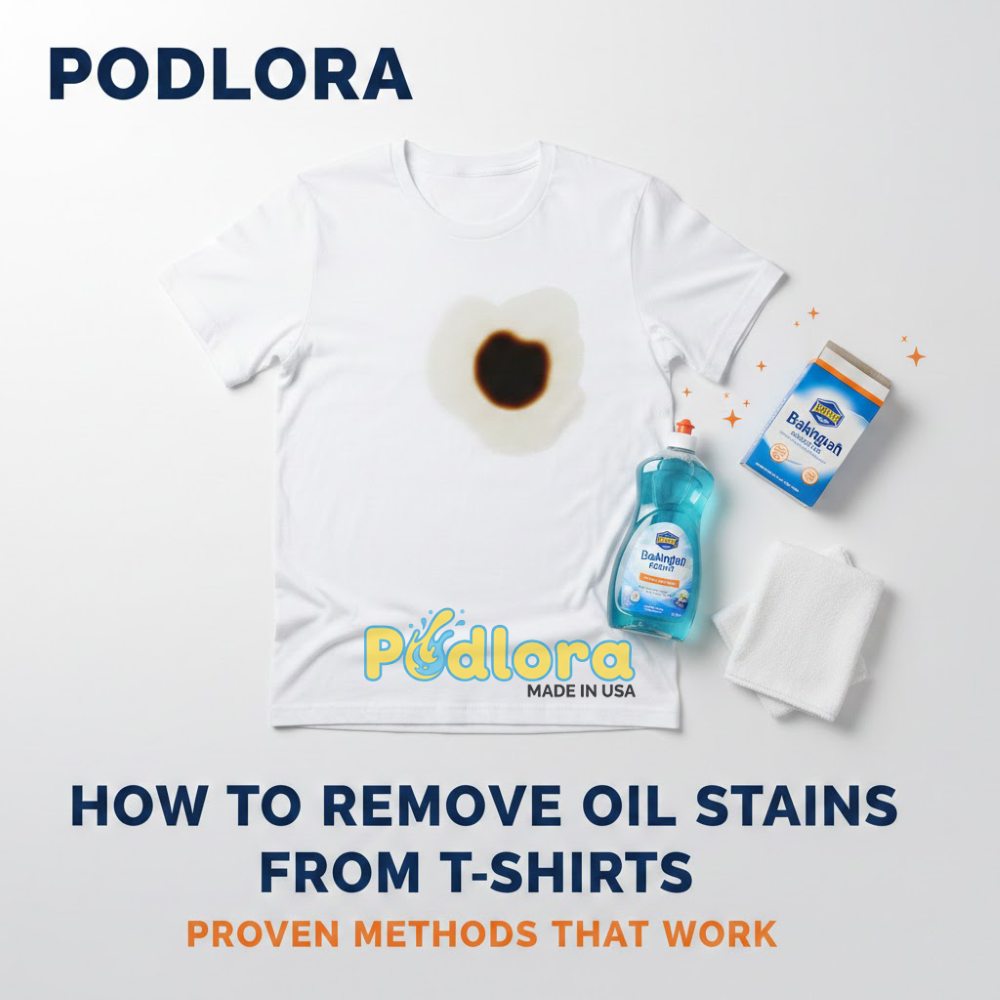
How to Wash White T-Shirts and Keep Them Bright
White t-shirts are wardrobe essentials that never go out of style. Whether you’re pairing them with jeans for a casual look or layering them under a blazer for something more polished, their versatility makes them indispensable. However, maintaining that crisp, bright white appearance can be challenging. Over time, white t-shirts can develop yellow stains, turn gray, or lose their original brilliance. At PODLORA, we understand the importance of proper fabric care, and we’re here to share expert guidance on how to wash white t-shirts effectively while keeping them looking fresh and bright for years to come.
Understanding Why White T-Shirts Lose Their Brightness
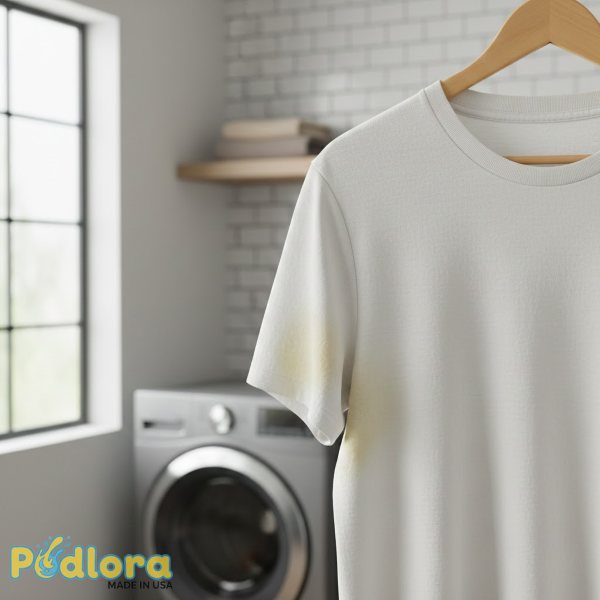
Before diving into washing techniques, it’s essential to understand what causes white t-shirts to lose their pristine appearance. The primary culprits include body oils, sweat, deodorant residue, and improper washing methods. According to laundry experts, body oils and perspiration are particularly problematic as they create yellow stains in high-contact areas like underarms and collars. Additionally, using harsh chemicals like chlorine bleach can actually weaken fabric fibers and contribute to yellowing over time.
Another common issue is dye transfer from colored garments, which can leave your whites looking dingy or gray. Hard water minerals and detergent buildup also play significant roles in discoloration. Understanding these factors helps you take preventive measures and choose the right washing methods for your white t-shirts.
Sorting and Preparing Your White T-Shirts for Washing

The foundation of keeping white shirts bright starts before they even enter the washing machine. Proper sorting and preparation are crucial steps that many people overlook.
Separate Whites from Colors
Always wash your white t-shirts separately from colored clothing. Even seemingly harmless light-colored items can transfer dye during the wash cycle, especially in warm or hot water. Textile care experts emphasize that separating whites from colors is more important than the temperature you wash them at, as this single step prevents most discoloration issues.
Check for Stains Before Washing
Inspect each white t-shirt for visible stains before loading them into the machine. Fresh stains are much easier to remove than set-in ones, so treating them promptly is essential. Look carefully at common problem areas such as collars, underarms, and cuffs where body oils and sweat tend to accumulate.
Turn Shirts Inside Out
Turning your white t-shirts inside out before washing protects the outer surface from friction and abrasion during the wash cycle. This simple technique helps prevent pilling, maintains the fabric’s integrity, and reduces the likelihood of graying caused by mechanical agitation.
Pre-Treating Stains on White T-Shirts
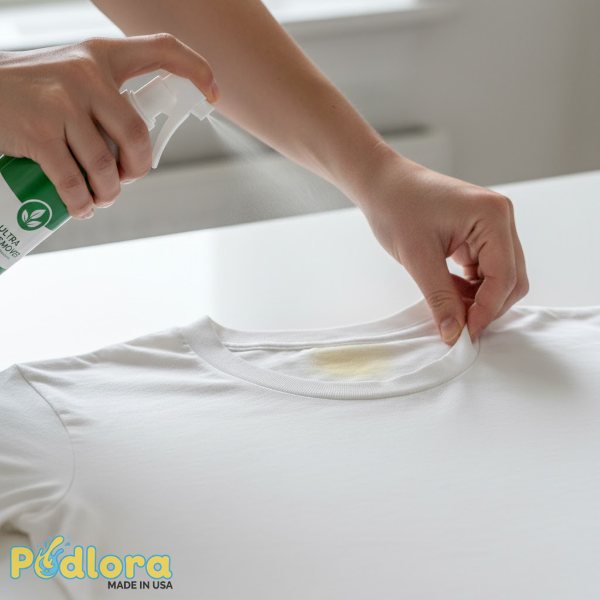
Pre-treating stains is one of the most effective ways to ensure your white t-shirts come out of the wash looking pristine. Different types of stains require different approaches, but acting quickly is always beneficial.
Effective Stain Removal Methods
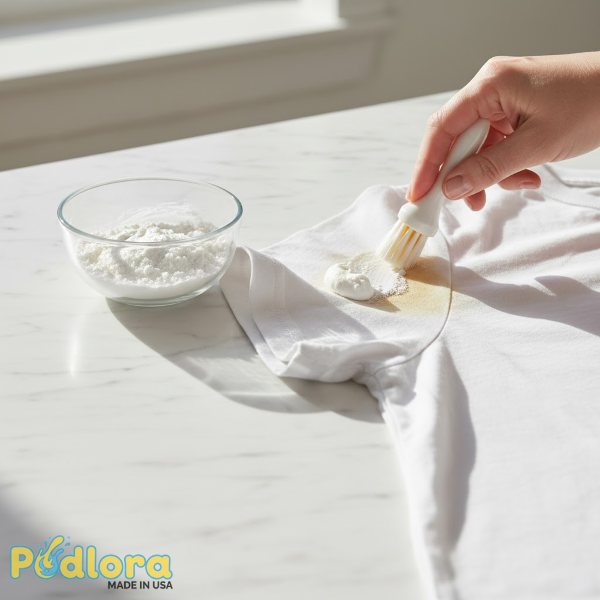
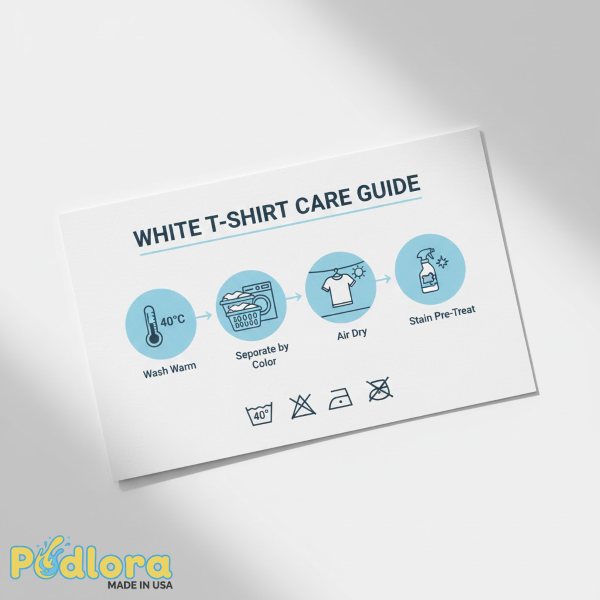
For fresh stains, rinse the affected area with cold water from the inside of the garment to push the stain out rather than deeper into the fabric. Apply a small amount of enzyme-based detergent or a specialized stain remover directly to the stain, gently rubbing it into the fabric with your fingers. Let it sit for at least 10 to 30 minutes before washing.
For tougher, set-in stains, consider creating a paste using baking soda and water. This natural solution is gentle on fabrics while being tough on stains. Apply the paste to the stained area, let it rest for about 30 minutes, then proceed with your regular wash. Research shows that natural methods like this can be highly effective without damaging fabric fibers.
Targeting Yellow Underarm Stains
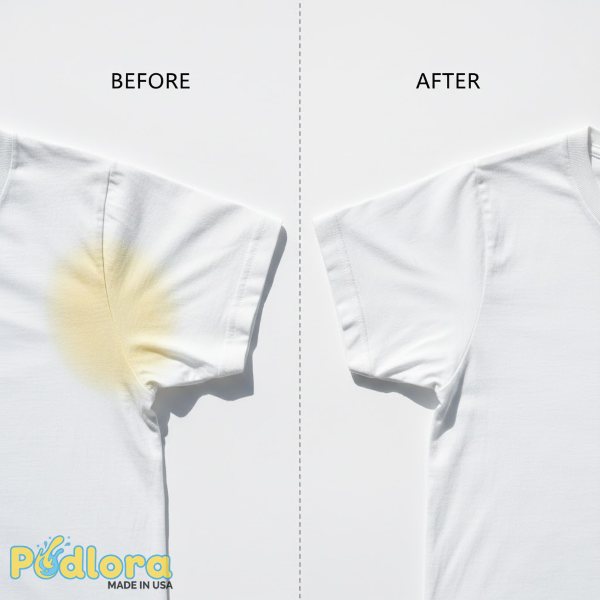
Yellow underarm stains are particularly stubborn and result from a combination of sweat, body oils, and deodorant residue. Before washing, spray these areas with a 1:1 solution of white vinegar and water, which helps break down the stains and prevent them from setting further. Allow this solution to sit for several minutes before washing.
Choosing the Right Detergent and Washing Products

The laundry detergent you choose plays a crucial role in how to keep white t-shirts white and bright. Not all detergents are created equal, and selecting the right products can make a significant difference in maintaining your whites.
Opt for Quality Detergents
Look for high-quality enzyme detergents specifically formulated for white clothing. Enzymes accelerate chemical reactions that break down organic stains like sweat, food, and body oils. At PODLORA, we recommend choosing detergents with plant-based ingredients that are free from harsh chemicals, as these are gentler on fabric fibers while still providing excellent cleaning power.
Avoid products containing chlorine bleach as a primary ingredient. While bleach might seem like the obvious choice for whites, laundry specialists consistently advise against it, noting that chlorine bleach can actually cause yellowing over time through chemical reactions with sweat proteins and other organic compounds.
Consider Bleach Alternatives
Instead of chlorine bleach, opt for oxygen-based bleach or color-safe bleach alternatives. These products are much gentler on fabrics and won’t cause the yellowing associated with traditional bleach. Oxygen bleach works by releasing oxygen molecules that lift stains and brighten whites without damaging fibers. Products like OxiClean White Revive or similar oxygen-based boosters can be added to your regular wash to enhance brightness.
Natural Whitening Agents
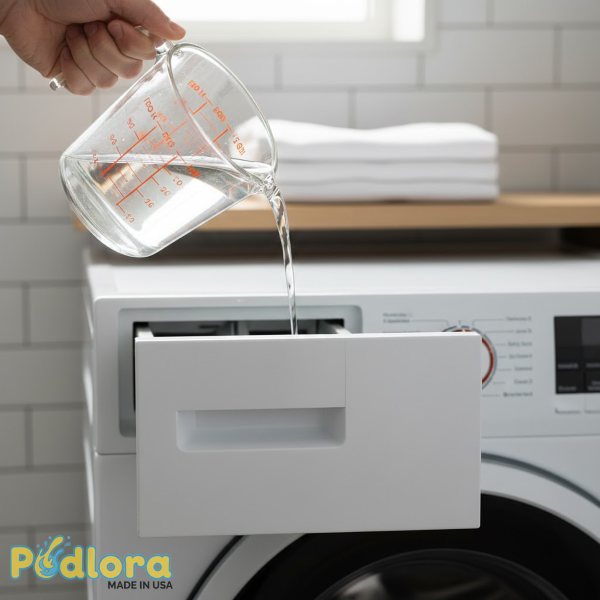
For those preferring natural solutions, white vinegar and baking soda are excellent additions to your laundry routine. Adding 4 to 8 tablespoons of white vinegar to the rinse cycle helps remove detergent residue, soften fabrics naturally, and pull out gray and yellow tones from white clothing. Baking soda can be added to the wash water to boost cleaning power and naturally whiten fabrics.
What Temperature to Wash White T-Shirts

The water temperature you use when washing white clothes significantly impacts both their cleanliness and longevity. This is one of the most frequently debated topics in laundry care, and the answer depends on several factors.
The Case for Warm Water (40°C)
For most white t-shirts, washing at 40°C (104°F) is optimal. This temperature is warm enough to activate detergent enzymes effectively and break down oils and dirt, yet gentle enough to prevent damage to fabric fibers. A 40°C wash strikes an excellent balance between thorough cleaning and fabric preservation, making it suitable for regular maintenance of white cotton t-shirts.
Modern detergents are formulated to work efficiently at lower temperatures, meaning you don’t need scalding hot water to achieve clean, bright whites. Additionally, washing at 40°C rather than 60°C saves significant energy, which is better for both your utility bills and the environment.
When to Use Hot Water (60°C)
Reserve hot water washes (60°C or 140°F) for heavily soiled white t-shirts, items that need sanitizing, or when dealing with particularly stubborn stains. Hot water is more effective at breaking down grease and killing bacteria, making it ideal for deep cleaning. However, be aware that frequent hot water washing can cause shrinkage and accelerate fabric wear.
Always check the care label on your white t-shirts before washing in hot water, as some fabrics may not tolerate high temperatures. Cotton generally handles 60°C well, but synthetic blends or delicate cotton shirts may require cooler water.
Cold Water Washing
Cold water (30°C or below) can be used for lightly soiled white t-shirts or delicate fabrics. While cold water is the most energy-efficient option and gentlest on fabrics, it may not be as effective at removing heavy stains or oils. If you choose to wash in cold water, ensure you’re using a detergent specifically formulated for cold water washing and consider adding a laundry booster for extra cleaning power.
Machine Washing White T-Shirts: Step-by-Step Guide

Knowing how to wash white t-shirts properly in a washing machine ensures they stay bright wash after wash. Follow these steps for best results:
Loading the Machine
Never overload your washing machine. Overcrowding prevents proper agitation and rinsing, which can lead to ineffective cleaning and detergent residue buildup. Fill the drum only about two-thirds full, leaving enough space for clothes to move freely during the wash cycle.
Adding Detergent
Use the appropriate amount of detergent based on your load size and water hardness. Using too much detergent leaves residue that can make whites appear gray, while too little won’t adequately clean your clothes. Follow the manufacturer’s recommendations on the detergent packaging.
Selecting the Right Cycle
For most white cotton t-shirts, a normal cycle at 40°C is appropriate. If your washing machine has a dedicated “Whites” cycle, use it, as these cycles are optimized for white fabrics. For delicate white t-shirts or those with prints, opt for a gentle cycle to minimize wear and prevent damage to any designs.
The Washing Process
Once you’ve loaded the machine, added detergent, and selected your settings, start the wash cycle. Avoid using fabric softener on white t-shirts, as it can create a coating that traps dirt and dulls whites over time. Instead, add white vinegar to the rinse cycle for natural softening.
Hand Washing White T-Shirts
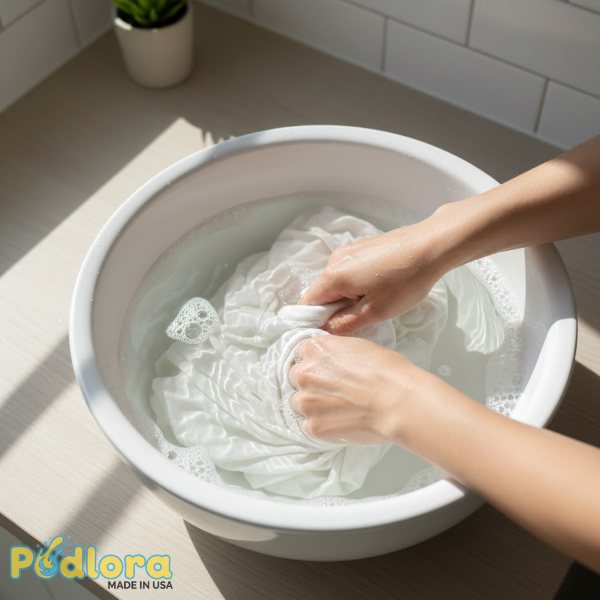
For delicate white t-shirts or those with special embellishments, hand washing may be the better option. This gentler approach helps preserve fabric integrity and can actually extend the life of your garments.
The Hand Washing Method
Fill a basin or sink with lukewarm water and add a small amount of gentle, non-bio detergent formulated for whites. Submerge your white t-shirts and gently agitate the water with your hands. Focus on stained or soiled areas by gently rubbing the fabric together, but avoid harsh scrubbing that could damage fibers.
Allow the shirts to soak for 30 minutes to an hour, which gives the detergent time to work on stains and oils. After soaking, rinse thoroughly under cold running water until all detergent is removed. Press out excess water gently—never wring or twist the fabric, as this can distort the shape and damage fibers.
Drying White T-Shirts to Maintain Brightness

How you dry your white t-shirts is just as important as how you wash them. Proper drying techniques help maintain brightness, prevent yellowing, and extend fabric life.
Air Drying: The Best Option
Air drying is the gentlest and most effective method for maintaining bright white t-shirts. Hang your freshly washed shirts on a clothesline or drying rack in direct sunlight when possible. The sun acts as a natural bleaching agent that enhances whiteness without harsh chemicals. According to textile care experts, sunlight is one of nature’s most powerful whiteners.
Hang shirts by the hem or shoulders to prevent stretching and maintain their shape. Ensure good air circulation around the garments to promote faster, more even drying. Once completely dry, bring shirts inside promptly to prevent prolonged UV exposure that might weaken fibers.
Machine Drying
If you must use a dryer, select a low to medium heat setting. High heat can cause shrinkage, damage fabric fibers, and actually contribute to yellowing. Remove shirts from the dryer while they’re still slightly damp to minimize wrinkles and prevent over-drying, which makes fibers brittle.
Consider adding wool dryer balls to reduce static and improve air circulation in the dryer. These natural alternatives to dryer sheets don’t leave any residue that could dull whites. Always check that stains are completely removed before machine drying, as heat can permanently set stains.
Preventing White T-Shirts From Yellowing

Prevention is always easier than correction when it comes to keeping white t-shirts bright. Here are strategies to prevent yellowing white shirts before it becomes a problem.
Wash Regularly
Don’t let white t-shirts sit in the hamper for extended periods before washing. Body oils and sweat continue to set into fabric over time, making stains increasingly difficult to remove. Experts recommend washing white shirts after every one to two wears to prevent oils and perspiration from setting in.
Address Stains Immediately
Treat spills and stains as soon as they occur. The longer a stain sits, the harder it becomes to remove. Keep a stain remover pen or spray handy for immediate treatment when accidents happen. Even rinsing the stained area with cold water immediately can make a significant difference in how easily the stain comes out later.
Use Proper Storage
Store clean, completely dry white t-shirts in a cool, dark place away from direct sunlight. Prolonged exposure to sunlight during storage can cause yellowing. Fold shirts neatly or hang them on appropriate hangers that won’t stretch the fabric. Avoid storing white shirts in plastic bags, which can trap moisture and lead to yellowing or mildew.
Consider Your Deodorant
Some deodorants and antiperspirants contain aluminum compounds that react with sweat to create stubborn yellow stains. If you consistently struggle with underarm yellowing, consider switching to an aluminum-free deodorant or applying deodorant and allowing it to dry completely before dressing.
Restoring Brightness to Dingy White T-Shirts
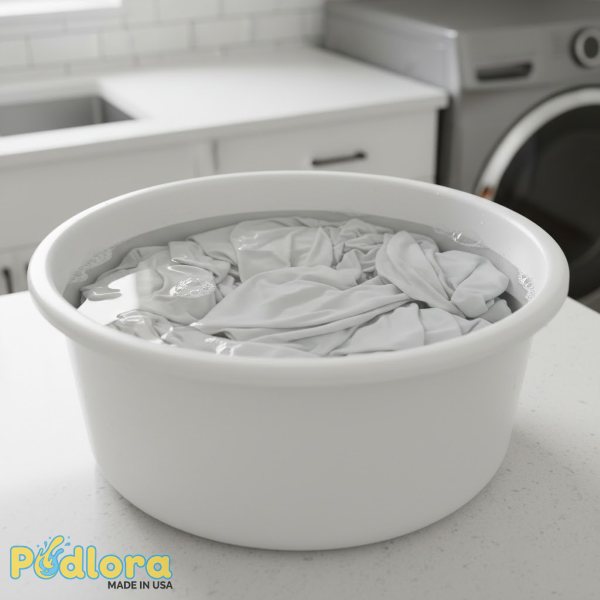
Even with the best care, white t-shirts may eventually develop a gray or yellow tinge. Fortunately, several effective methods can restore dingy white t-shirts to their original brightness.
Oxygen Bleach Soak
Create a soaking solution using oxygen-based bleach and warm water according to product instructions. Submerge your dingy white t-shirts and let them soak for at least two hours, or up to overnight for severely discolored items. After soaking, wash as usual with your regular detergent. This method is particularly effective for removing overall dinginess and restoring brightness.
Baking Soda and Vinegar Treatment
For a natural approach to brighten white t-shirts, create a solution of hot water with one cup of baking soda. Soak your shirts for several hours or overnight. After soaking, wash in the machine with your regular detergent and add white vinegar to the rinse cycle. This combination helps lift stains, neutralize odors, and restore whiteness without harsh chemicals.
Bluing Agent
For white t-shirts that have taken on a yellow tinge, consider using a bluing agent like Mrs. Stewart’s Concentrated Liquid Bluing. This traditional laundry product contains a small amount of blue dye that counteracts yellowing by making whites appear brighter. Use according to package directions, being careful not to add too much, as excessive bluing can tint fabrics.
Sun Bleaching

For stubborn yellowing, try sun bleaching. Wet your white t-shirts and lay them flat in direct sunlight, keeping them damp throughout the day by misting with water occasionally. The combination of moisture and UV rays creates a natural bleaching effect that can significantly brighten yellowed whites. Bring shirts inside before sunset and wash as usual.
Common Mistakes to Avoid When Washing White T-Shirts

Understanding what not to do is just as important as knowing proper washing techniques. Here are common mistakes that can compromise the brightness of your white t-shirts:
Using Too Much Detergent
More detergent doesn’t mean cleaner clothes. Excessive detergent leaves residue that builds up on fabric, creating a gray film and attracting more dirt. Follow dosage recommendations based on your load size and water hardness.
Mixing Whites with Colors
Even a single colored item can transfer dye to your whites, especially in warm or hot water. Always double-check your load before starting the wash to ensure no colored items have snuck in. This is particularly important with new colored items that haven’t been washed before.
Overloading the Washing Machine
Cramming too many shirts into one load prevents proper cleaning and rinsing. Clothes need space to move freely in the water for effective washing. Overloading also increases friction between garments, which can cause graying.
Ignoring Care Labels
Each white t-shirt may have different care requirements based on its fabric composition and construction. Always check care labels for specific washing instructions, recommended temperatures, and drying methods. Following these guidelines helps prevent damage and maintains garment quality.
Leaving Wet Clothes in the Washer
Allowing clean white t-shirts to sit in the washing machine after the cycle completes creates an environment for mildew growth and can cause musty odors. Remove clothes promptly and dry them as soon as possible after washing.
Special Considerations for Different White T-Shirt Fabrics

Not all white t-shirts are made from the same materials, and different fabrics require tailored care approaches.
Cotton White T-Shirts
Pure cotton white t-shirts are the most forgiving and can generally tolerate higher temperatures and more aggressive washing. They respond well to warm or hot water (40-60°C) and can be machine dried, though air drying is still preferable for maintaining brightness and fabric integrity.
Cotton Blend T-Shirts
White t-shirts made from cotton-polyester or other synthetic blends require gentler care. These fabrics can be sensitive to high heat, which may cause shrinkage or damage. Wash in warm water (40°C maximum) and air dry or use low heat in the dryer.
Printed or Embellished White T-Shirts
T-shirts with screen printing, embroidery, or other embellishments should always be turned inside out before washing. Use cold or warm water (never hot) and a gentle cycle to protect the design. Air drying is strongly recommended, as high dryer heat can crack or fade prints.
Delicate White Fabrics
Some white t-shirts are made from delicate materials like silk blends or fine cotton jersey. These require hand washing or a delicate machine cycle with cold water. Never use bleach or harsh whiteners on delicate fabrics, and always air dry flat to maintain shape.
Environmental Considerations in White T-Shirt Care
At PODLORA, we believe in responsible fabric care that’s good for both your clothes and the environment. Here are eco-friendly practices for washing white clothes:
Choose Lower Temperatures
Washing at 40°C instead of 60°C can cut energy consumption by more than half. Modern detergents work effectively at lower temperatures, making this an easy way to reduce your environmental impact without sacrificing cleanliness.
Use Eco-Friendly Detergents
Select plant-based, biodegradable detergents that are free from harsh chemicals, phosphates, and synthetic fragrances. These products are gentler on both fabrics and the environment while still providing excellent cleaning power.
Air Dry When Possible
Dryers consume significant energy. Air drying your white t-shirts not only saves electricity but also extends fabric life and maintains brightness better than machine drying.
Wash Full Loads
Wait until you have a full load of whites before washing. This maximizes efficiency and reduces water and energy waste. However, remember not to overload, which reduces cleaning effectiveness.
Maintaining Your Washing Machine for Better Results

A clean washing machine is essential for keeping white shirts bright. Over time, detergent residue, minerals, and bacteria can build up in your machine, potentially transferring to your clothes.
Regular Maintenance Washes
Run an empty hot water cycle (60°C or higher) with baking soda or a washing machine cleaner once a month. This maintenance wash helps remove buildup and prevent bacteria growth that can cause odors and affect cleaning performance.
Keep the Door Open
After each wash, leave your washing machine door open for several hours to allow moisture to evaporate. This prevents mildew and bacteria growth, which can transfer unpleasant odors to your clothes.
Clean the Detergent Dispenser
Regularly remove and clean your detergent dispenser drawer, as residue can accumulate and harden over time. Rinse thoroughly with warm water and wipe dry before replacing.
FAQ: Everything You Need to Know About Washing White T-Shirts
How to wash white shirts so they stay white?
To wash white shirts and maintain their brightness, separate them from colored items before washing. Pre-treat any visible stains with a stain remover or enzyme detergent, letting it sit for at least 10 minutes. Use a quality detergent formulated for whites, avoiding harsh chlorine bleach which can cause yellowing. Wash at 40°C for regular cleaning or 60°C for heavily soiled items. Add white vinegar to the rinse cycle to help remove detergent residue and restore brightness. Air dry in direct sunlight when possible, as the sun naturally bleaches and brightens white fabrics. Wash white shirts regularly—after every one to two wears—to prevent body oils and sweat from setting and causing discoloration.
How to make white clothes whiter and brighter?
To restore and enhance the whiteness of your clothes, try soaking them in a solution of hot water with oxygen-based bleach for 2-8 hours before washing normally. For a natural alternative, create a mixture using one cup of baking soda in hot water and soak your whites for several hours. Adding 4-8 tablespoons of white vinegar to the rinse cycle helps remove gray and yellow tones while softening fabrics. For stubborn yellowing, consider using a bluing agent that counteracts yellow tones by adding a slight blue tint. Sun bleaching is also highly effective—wet the garments and lay them in direct sunlight, keeping them damp throughout the day. Lemon juice works as another natural whitener; boil lemon slices in water, remove from heat, add your white clothes, and soak for an hour before washing. Consistency is key—regular proper washing prevents whites from becoming dingy in the first place.
How to brighten up a white T-shirt?
To brighten a white t-shirt that has lost its luster, start by washing it with your regular detergent plus a laundry booster like oxygen bleach or a whitening additive. Pre-treat any visible stains or yellowed areas with a paste made from baking soda and water, letting it sit for 30 minutes before washing. If the shirt needs more intensive treatment, soak it overnight in a solution of warm water with one cup of baking soda or oxygen bleach. For immediate improvement, add half a cup of white vinegar to your wash cycle, which helps remove buildup and restore brightness. After washing, air dry the shirt in direct sunlight, which acts as a natural whitener. For persistent dullness, try the sun bleaching method: wet the shirt, lay it flat in bright sunlight, and keep it damp by misting with water throughout the day. Always ensure the shirt is completely clean before drying, as heat can set stains permanently.
Do you wash whites on 40 or 60?
The choice between 40°C and 60°C depends on how soiled your white items are and what fabric they’re made from. For most everyday white t-shirts and regular laundry, 40°C (104°F) is ideal. This temperature effectively activates modern detergent enzymes, breaks down oils and dirt, and cleans thoroughly while being gentle on fabric fibers. It also saves significant energy compared to hotter washes. Reserve 60°C (140°F) for heavily soiled whites, items that need sanitizing, bedding, towels, or when dealing with stubborn stains. Hot water at 60°C is more effective at killing bacteria and removing grease, but frequent use can cause shrinkage and accelerate fabric wear. Always check care labels first, as some white fabrics may not tolerate 60°C. If you pre-treat stains properly and wash regularly, 40°C should be sufficient for most white t-shirts. For lightly worn items or delicate fabrics, even 30°C can work well with the right detergent.
Can you wash white t-shirts with colors?
No, you should never wash white t-shirts with colored clothing. Even light-colored items can transfer dye during the wash cycle, especially in warm or hot water, causing your whites to take on a dingy, grayish appearance or develop colored tints. This dye transfer is particularly problematic with new colored items that haven’t been washed before. Additionally, colored items may release lint that adheres to white fabrics, making them look dull. Always sort your laundry carefully before washing, keeping whites completely separate from any colored items. If you accidentally wash a white shirt with colors and it becomes discolored, you may be able to restore it by soaking in oxygen bleach solution and rewashing with whites only. For mixed-white items (those with colored trim or patterns), wash these separately from pure whites to avoid any potential issues.
How often should you wash white t-shirts?
White t-shirts should be washed after every one to two wears, depending on how much you perspire and the activities you engage in while wearing them. Unlike darker clothing that can hide dirt and odors, white shirts show stains readily and are more susceptible to yellowing from accumulated body oils and sweat. If you wear a white t-shirt during exercise, work outdoors, or on a particularly hot day, wash it after a single wear. For casual wear in climate-controlled environments with minimal physical activity, you might stretch to two wears. However, washing more frequently is better for maintaining brightness, as it prevents body oils and sweat from setting into the fabric and causing permanent discoloration. If you notice any visible stains or odors, wash the shirt immediately. Regular washing, combined with proper techniques, is one of the most effective ways to prevent yellowing white shirts and maintain their bright appearance over time.
What is the best detergent for keeping white shirts white?
The best detergent for white shirts combines enzyme power with gentle, fabric-safe ingredients. Look for detergents specifically formulated for whites that contain enzymes to break down organic stains like sweat, food, and body oils. High-quality options include those with oxygen-based bleach alternatives rather than chlorine bleach, which can yellow whites over time. Plant-based, biodegradable detergents are excellent choices as they’re tough on stains while being gentle on fabric fibers, helping your white shirts last longer. Some effective options mentioned by laundry experts include enzyme-rich detergents paired with oxygen bleach boosters like OxiClean White Revive. Avoid detergents with excessive fillers or optical brighteners that can build up on fabric and cause graying. Always use the correct amount—too much detergent leaves residue that dulls whites, while too little doesn’t clean effectively. If you have hard water, you may need to use slightly more detergent or add a water softener to your wash for best results.
How do you remove sweat stains from white t-shirts?
Sweat stains on white t-shirts, particularly the yellow discoloration under arms, require targeted treatment. Start by making a 1:1 solution of white vinegar and water in a spray bottle. Spray the stained areas generously and let sit for 30 minutes to an hour before washing. For stubborn stains, create a paste using baking soda, hydrogen peroxide, and a small amount of dish soap. Apply this paste directly to the yellowed areas, gently scrub with an old toothbrush, and let sit for at least an hour. Another effective method is soaking the entire shirt in a solution of hot water with oxygen bleach for several hours or overnight. After pre-treatment, wash the shirt in the warmest water safe for the fabric (usually 40-60°C) with a quality enzyme detergent. Add white vinegar to the rinse cycle to help remove any remaining residue. For prevention, apply deodorant and allow it to dry completely before dressing, and consider switching to aluminum-free deodorants which are less likely to cause yellowing reactions.
Summary: Key Takeaways for Washing White T-Shirts
| Aspect | Best Practice | Why It Matters |
|---|---|---|
| Sorting | Always separate whites from colors | Prevents dye transfer and maintains brightness |
| Pre-Treatment | Treat stains within 10-30 minutes before washing | Fresh stains are easier to remove than set-in ones |
| Detergent Choice | Use enzyme-based, plant-based detergents for whites | Breaks down organic stains without harsh chemicals |
| Water Temperature | 40°C for regular washing, 60°C for heavy soiling | Balances effective cleaning with fabric preservation |
| Bleach Alternative | Use oxygen bleach instead of chlorine bleach | Prevents yellowing while maintaining whiteness |
| Washing Frequency | Wash after 1-2 wears | Prevents body oils and sweat from setting |
| Drying Method | Air dry in direct sunlight when possible | Natural whitening effect without fabric damage |
| Machine Loading | Fill drum only 2/3 full | Ensures proper agitation and thorough rinsing |
| Vinegar Addition | Add 4-8 tablespoons to rinse cycle | Removes residue, softens fabric, restores brightness |
| Storage | Keep in cool, dark, dry place | Prevents yellowing from prolonged light exposure |
Conclusion
Maintaining bright, pristine white t-shirts doesn’t have to be a challenge. With the right knowledge, products, and techniques, you can keep your white shirts bright and fresh for years. The key is understanding that proper white t-shirt care combines several elements: correct sorting and preparation, appropriate water temperature, quality detergents, effective stain treatment, and proper drying methods.
At PODLORA, we believe that taking care of your clothes is an investment in quality and sustainability. When you properly care for your white t-shirts, they last longer, look better, and maintain their value. Whether you’re washing white clothes for everyday wear or preserving special garments, the principles remain the same: be proactive about stain treatment, use gentle but effective cleaning products, avoid harsh chemicals that damage fabrics, and embrace natural brightening methods whenever possible.
Remember that consistency is crucial. Regular washing with proper techniques prevents the buildup of oils and stains that cause yellowing and graying. By incorporating these practices into your laundry routine, you’ll enjoy crisp, bright white t-shirts that look as good as new, wash after wash.
The best way to wash white t-shirts without yellowing is to combine preventive care with correct washing techniques. Pre-treat stains promptly, use enzyme-based detergents with oxygen bleach alternatives, wash at appropriate temperatures, and air dry in sunlight when possible. With these strategies, your white t-shirts will remain wardrobe staples that you can depend on for any occasion.
Taking the time to wash white shirts properly ensures they stay white, bright, and beautiful. Your white t-shirts deserve this attention—after all, they’re versatile essentials that form the foundation of countless outfits. With the expert guidance provided in this comprehensive guide, you now have all the tools and knowledge needed to master white t-shirt care and keep your whites looking their absolute best.

Hi, I’m Emma Sullivan — a Texas-based writer who specializes in product design, e-commerce, and customer experience. With over five years of writing experience, I love turning complex information into clear, helpful content that makes online shopping easier for everyone. Having spent years working in the U.S. print-on-demand and merchandising space, I focus on creating articles that are honest, engaging, and genuinely useful.