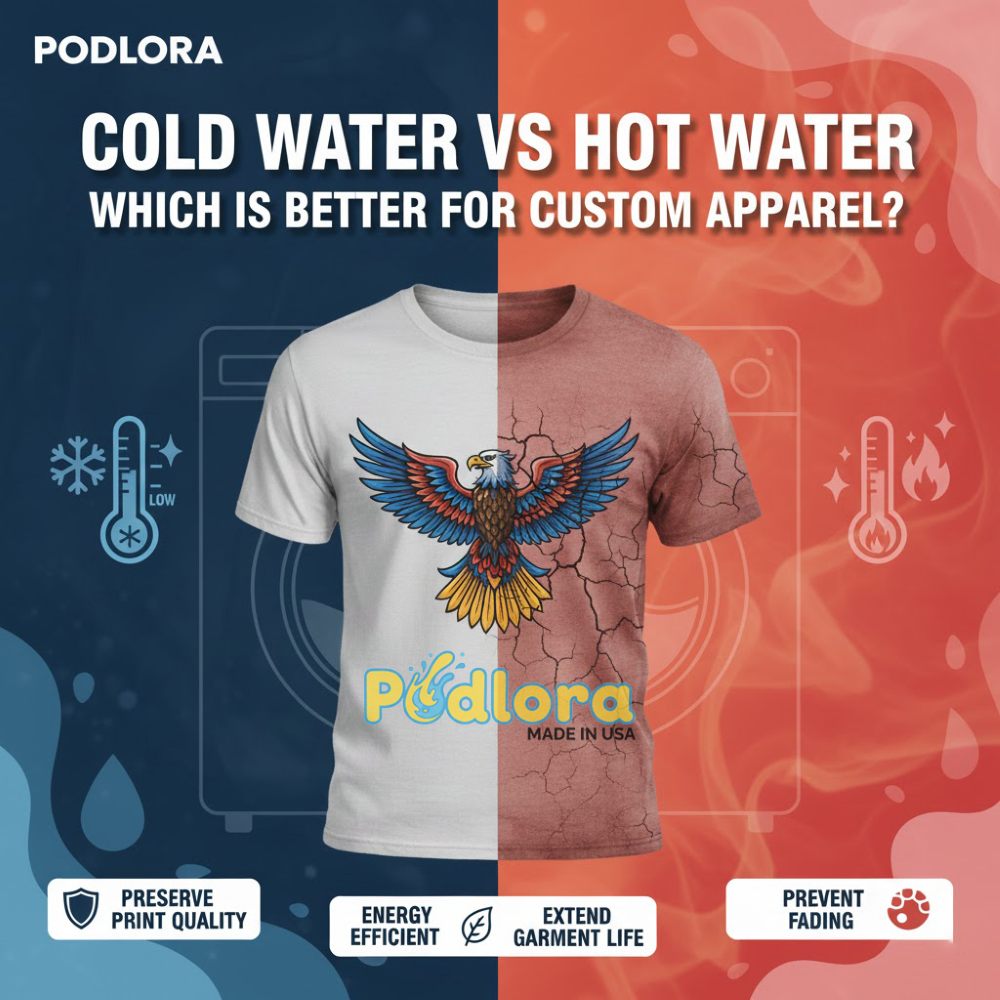
Machine Wash vs Hand Wash Best Method for Custom Apparel
Custom apparel represents a significant investment, whether it’s a personalized t-shirt, embroidered business uniform, or screen-printed promotional wear. Understanding the debate between machine wash vs hand wash for custom apparel care can mean the difference between preserving your designs for years or watching them fade after just a few washes. This comprehensive guide will help you navigate the best washing practices to keep your custom clothing looking fresh and vibrant.
Understanding Custom Apparel and Why Washing Methods Matter
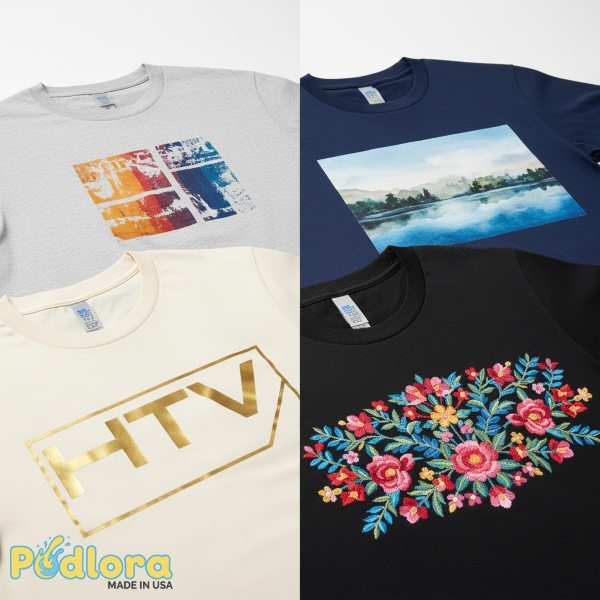
Custom apparel differs from standard clothing because of the specialized printing and embellishment techniques used to create unique designs. Screen printing, heat transfer vinyl, direct-to-garment printing, and embroidery all react differently to washing conditions. The wrong approach to washing custom clothing can cause cracking, peeling, fading, or complete design loss.
When considering machine wash vs hand wash for custom apparel care, you need to understand that each printing technique has specific vulnerabilities. Screen-printed designs can crack under high heat, while embroidered pieces may snag in aggressive wash cycles. Heat transfer vinyl is particularly sensitive to both temperature and agitation, making your garment care methods crucial for long-term preservation.
PODLORA specializes in creating high-quality custom apparel, and we’ve seen firsthand how proper fabric care extends the life of personalized clothing. The key is matching your washing custom clothing approach to the specific customization method used on each garment.
The Science Behind Fabric Care and Washing Instructions
Before diving into specific techniques, it’s essential to understand what happens to fabrics and designs during the cleaning process. According to the American Cleaning Institute, water temperature, mechanical action, and detergent chemistry all work together to remove soil from fabrics while affecting garment longevity.
For custom apparel care, however, these same forces that clean your clothes can also damage decorative elements. High water temperature can loosen adhesives used in heat transfers, while excessive mechanical action can stress screen-printed inks and cause premature cracking. Understanding this balance is fundamental to choosing between machine wash vs hand wash methods.
The fabric composition also plays a critical role in clothing maintenance. Cotton, polyester, blends, and delicate fabrics each respond differently to washing conditions. Cotton can shrink and fade more readily than synthetic fibers, while polyester is more heat-sensitive, particularly important for heat transfer vinyl applications that require specific temperature control.
Proper washing instructions must account for both the base fabric and the customization method. This dual consideration distinguishes effective custom shirt washing from standard laundry methods and forms the foundation of successful printed apparel maintenance strategies.
Machine Wash: Pros, Cons, and Best Practices
Advantages of Machine Washing Custom Apparel
Machine washing offers undeniable convenience for busy lifestyles. Modern washing machines provide precise control over water temperature, wash cycle intensity, and spin speed—all factors that impact garment care methods and outcomes. When done correctly, machine washing can effectively clean while minimizing design damage.
The gentle cycle option available on most machines provides a middle ground between hand washing and regular cycles. This setting reduces agitation while still offering thorough cleaning power, making it an acceptable choice for many types of custom apparel care when you understand how to wash custom printed t-shirts without fading through proper machine settings.
For businesses managing uniforms or individuals with large collections of custom pieces, machine washing becomes practically necessary. The time savings are substantial, and with proper technique following the best washing practices, you can achieve excellent results that rival hand washing for many custom apparel types.
Potential Drawbacks and Risks
The main concern with machine washing custom clothing revolves around the mechanical stress placed on designs. Even on the gentle cycle, the tumbling action can cause flexing and stress on printed or applied designs. Over time, this repeated stress leads to cracking in screen prints and lifting edges on heat transfer vinyl applications.
Temperature control, while theoretically precise, depends on your machine’s calibration. Some older models may have temperature variations that expose your custom apparel to damaging heat levels. Research on textile color fading indicates that consistent exposure to high temperatures accelerates color fading prevention challenges, as extreme heat causes dyes to fade more quickly and can weaken fabric fibers significantly.
Mixing garments in a machine wash also increases the risk of color transfer, snagging, and friction damage. A zipper from another garment can snag embroidery threads or scratch across a delicate print, causing irreversible damage to your custom designs even when you’re following otherwise sound garment preservation principles.
Optimal Machine Wash Settings for Custom Printed Shirts
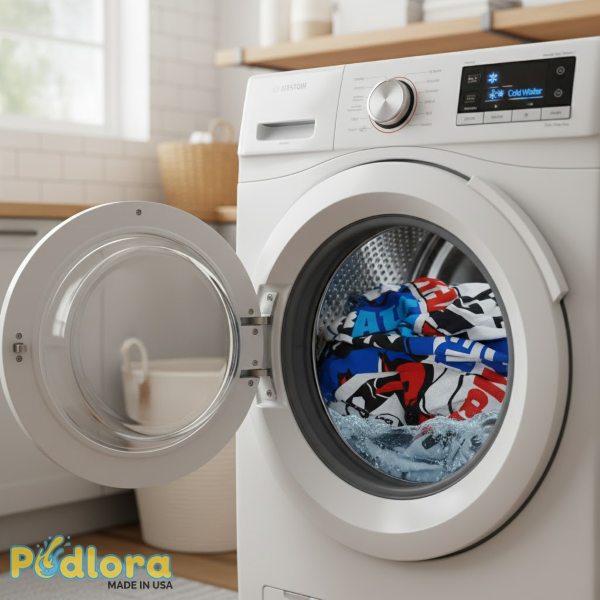
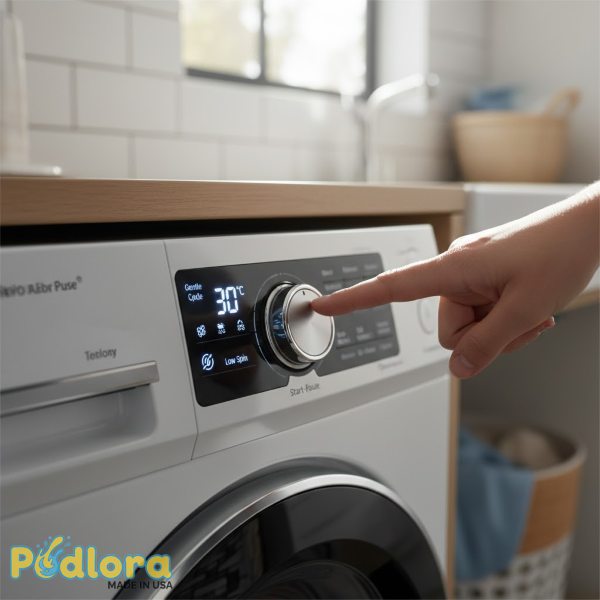
When choosing machine wash for your custom apparel care routine, several settings require careful attention. Always use cold water wash temperatures, ideally below 30°C (86°F). According to ARM & HAMMER’s laundry research, cold water prevents color bleeding, addresses shrinkage prevention concerns effectively by reducing heat-induced fiber damage, and protects heat-sensitive elements like vinyl transfers from heat damage while extending garment lifespan.
Select the gentle cycle or delicate setting on your machine. This reduces the agitation speed and duration, minimizing mechanical stress on your designs while still providing adequate cleaning. The spin cycle should also be set to low or medium—excessive spinning can cause garments to twist and stress printed areas unnecessarily.
Turning clothes inside out before washing is perhaps the most critical step for protecting custom designs during machine washing. This simple action in your washing custom clothing routine places the decorated surface away from direct friction with other garments and the machine drum, significantly improving screen printing care and embroidery care outcomes.
Use a mild, color-safe detergent selection without bleach or harsh chemicals. Avoid fabric softener entirely, as it can leave residues that affect print adhesion and may cause discoloration over time. Load the machine loosely rather than packing it full—overcrowding increases friction and reduces the effectiveness of even the best washing practices.
Hand Wash: When and How to Do It Right
The Case for Hand Washing Custom Apparel
Hand washing offers maximum control over every aspect of the cleaning process, making it the safest option for delicate fabrics and valuable custom pieces. When people ask “should I hand wash or machine wash custom apparel,” hand washing represents the conservative choice that prioritizes garment preservation above all else.
This method allows you to monitor water temperature continuously, adjust agitation intensity in real-time, and focus on specific stained areas without subjecting the entire garment to harsh treatment. For the best way to clean custom embroidered clothing, hand washing eliminates the risk of threads snagging on machine components or other garments entirely.
The gentle nature of hand washing also makes it ideal for garments with multiple design elements, mixed materials, or vintage custom apparel that may be more fragile. When considering machine wash vs hand wash for custom apparel care, hand washing wins for items with special sentimental value or those featuring premium customization techniques like detailed embroidery or specialty inks.
Step-by-Step Hand Washing Process
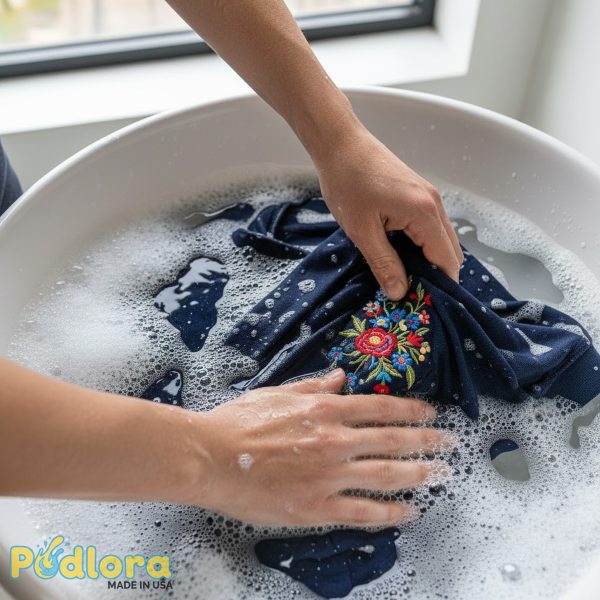
Proper hand washing requires more than just dunking a garment in soapy water. Begin by filling a clean basin or sink with cold water—avoid hot water regardless of the stain type, as heat can permanently set certain stains while damaging prints. This cold water wash approach protects both colors and applied designs.
Add a small amount of mild detergent, mixing it thoroughly into the water before adding your garment. This ensures even detergent distribution and prevents concentrated soap from sitting on printed areas. Turn your custom apparel inside out before submersion using the same turning clothes inside out technique recommended for machine washing.
Gently submerge the garment and use a pressing motion rather than rubbing or wringing. For stain removal on specific areas, carefully work the fabric against itself or use your fingertips with minimal pressure. Avoid stretching or pulling on printed or embroidered areas—these regions are more vulnerable when wet and require extra attention in your laundry methods.
Soak the garment for 10-15 minutes for general cleaning, or up to 30 minutes for heavily soiled items. Then, drain the soapy water and refill with clean, cold water for rinsing. Continue rinsing until no soap residue remains, which typically requires two to three rinse cycles for thorough garment care.
Time Investment and Practical Considerations
The primary drawback of hand washing is the time commitment required. A single garment might take 20-30 minutes to wash and rinse properly, making this method impractical for large wardrobes or frequent washing needs when compared to machine efficiency.
Hand washing also requires physical effort, including bending over a sink or basin, repeatedly lifting water-heavy garments, and maintaining the awkward position needed for effective cleaning. For individuals with mobility limitations or physical restrictions, this clothing maintenance method may not be feasible despite its benefits for garment preservation.
However, for high-value custom apparel or items you want to preserve for years, this investment in fabric care pays dividends. PODLORA customers often tell us that implementing the best way to clean custom embroidered clothing through hand washing has kept their favorite pieces looking new for significantly longer than machine-washed alternatives.
Comparing Methods: Which Approach Wins for Different Custom Apparel Types?
Screen-Printed Custom Apparel
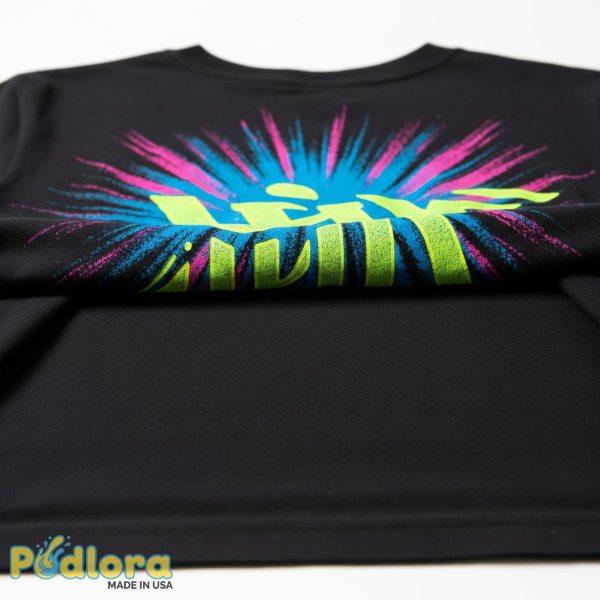
Screen printing remains one of the most popular customization methods, and its durability depends heavily on proper washing practices. For newer screen prints with well-cured inks, machine washing on cold, gentle cycle settings works well when you know how to wash custom printed t-shirts without fading. However, hand washing extends print life even further by eliminating mechanical stress entirely.
The key consideration for screen printing care involves the print’s age and quality. High-quality prints with properly cured plastisol inks can withstand hundreds of machine washes when handled correctly with appropriate garment care methods. Conversely, budget prints or improperly cured designs benefit significantly from the gentler approach of hand washing and careful attention to washing instructions.
When evaluating machine wash vs hand wash for screen-printed custom apparel care, consider the print’s condition. If you notice any cracking, peeling edges, or issues with color fading prevention, switch to hand washing immediately to prevent accelerated deterioration of your custom shirt washing routine.
Heat Transfer Vinyl and DTF Designs
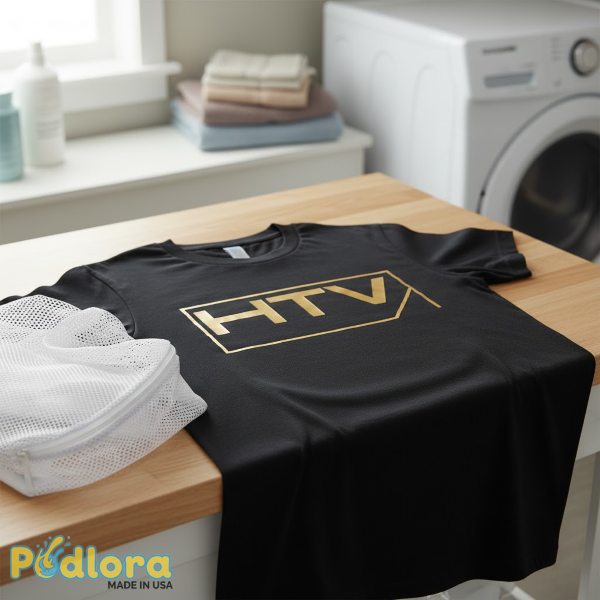
Heat transfer vinyl (HTV) and direct-to-film (DTF) transfers are particularly vulnerable to washing damage. These designs rely on adhesive bonding to the fabric surface, and both heat and mechanical stress can compromise this bond. Cold water wash temperatures are absolutely essential, as heat can reactivate adhesives and cause designs to lift or transfer to other surfaces.
For HTV custom apparel care, machine washing is acceptable but requires extra precautions in your washing custom clothing approach. Always wash inside out using the turning clothes inside out method, use cold water exclusively, and avoid the dryer completely. Hand washing offers better protection but requires extremely gentle handling—never wring or twist garments with vinyl designs.
The washing method comparison for heat transfer vinyl slightly favors hand washing for longevity, though machine washing on proper settings can yield acceptable results. Never use fabric softener with HTV, as it interferes with adhesive integrity and can cause premature failure. Understanding how to preserve custom designs on clothes when washing heat transfer vinyl requires this level of attention to detail.
Embroidered Custom Apparel
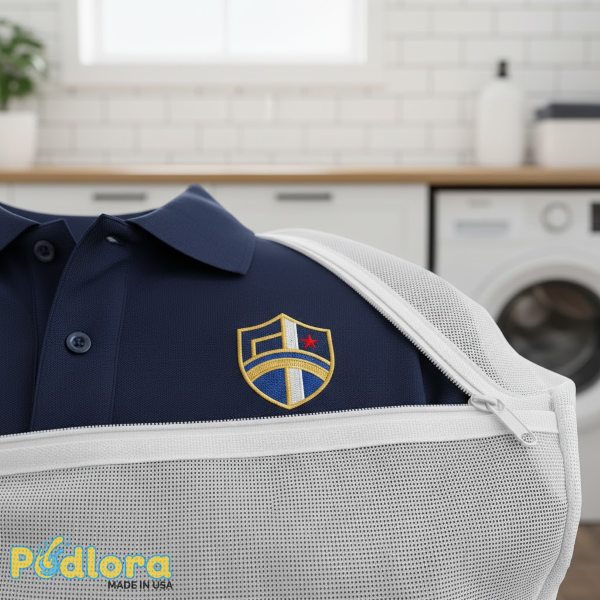
Embroidery creates a raised, textured design using thread stitched directly into the fabric. This construction method is generally more durable than printed designs, but it has its own vulnerabilities. Threads can snag on other garments, zippers, or machine components during wash cycles, potentially unraveling the design and ruining your custom piece.
For embroidery care, both machine wash and hand wash methods work well when properly executed following the best washing practices. Machine washing in a mesh laundry bag provides excellent protection against snagging while maintaining cleaning convenience. The gentle cycle reduces the stress on thread tension and prevents distortion of the embroidered pattern.
The best way to clean custom embroidered clothing often involves hand washing, which eliminates snagging risk entirely and allows you to clean around embroidered areas more carefully. This method is particularly valuable for densely embroidered pieces or those combining embroidery with other custom elements. Proper garment care methods for embroidered custom apparel always involve turning garments inside out regardless of method chosen.
Direct-to-Garment (DTG) Printed Apparel
Direct-to-garment printing creates photorealistic images by applying ink directly into fabric fibers, similar to how an inkjet printer works on paper. These prints are generally more delicate than screen prints and require careful attention to washing instructions to prevent premature fading and deterioration.
Cold water washing is crucial for DTG prints, as heat can cause colors to bleed and fade rapidly, undermining all color fading prevention efforts. The machine wash vs hand wash decision for DTG custom apparel care often comes down to how much you value the specific garment and whether you’re willing to invest extra time in clothing maintenance.
For everyday DTG prints, machine washing on cold, gentle settings with the garment inside out works adequately when you understand how to wash custom printed t-shirts without fading. Hand washing provides superior color fading prevention for DTG prints and should be considered for premium or particularly colorful designs where maintaining vibrancy is a priority in your printed apparel maintenance strategy.
Detergent Selection and Chemical Considerations
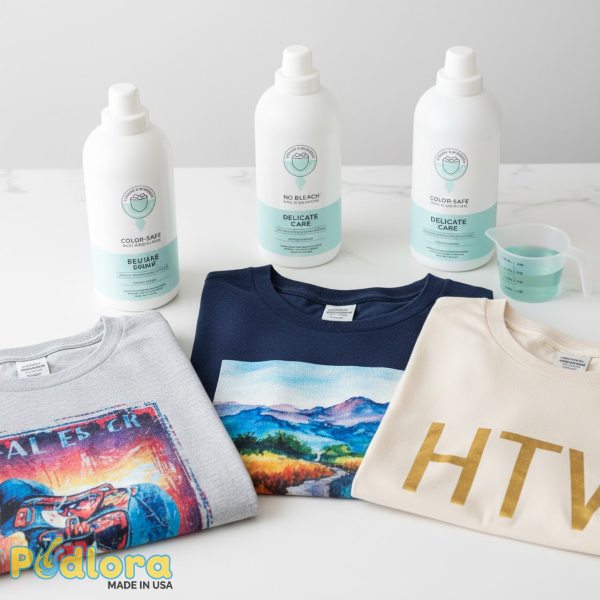
The detergent selection you make significantly impacts your washing custom clothing results. Harsh detergents with optical brighteners, bleach, or strong enzymes can attack inks, dyes, and adhesives used in custom apparel creation. For optimal custom shirt washing, select mild, pH-neutral detergents formulated for delicate or colored fabrics.
Avoid bleach alternatives containing hydrogen peroxide or other oxidizing agents, as these can cause unexpected color changes and weaken custom designs despite seeming gentler than traditional chlorine bleach. Similarly, skip fabric softener entirely when cleaning custom apparel—it leaves residues that can discolor prints and interfere with moisture-wicking properties of performance fabrics.
For those committed to garment preservation, specialized detergents designed for printed apparel maintenance are available. These formulations specifically avoid ingredients known to damage customization while still providing effective cleaning power. Research published in the Journal of Surfactants and Detergents shows that detergent pH and enzyme activity significantly impact fabric longevity and color retention in custom apparel.
The right detergent selection becomes part of your overall garment care methods, working in concert with proper water temperature and wash cycle choices to preserve custom designs. When considering how to preserve custom designs on clothes when washing, detergent choice represents a foundational decision that impacts every subsequent wash.
Drying Methods: The Often-Overlooked Factor
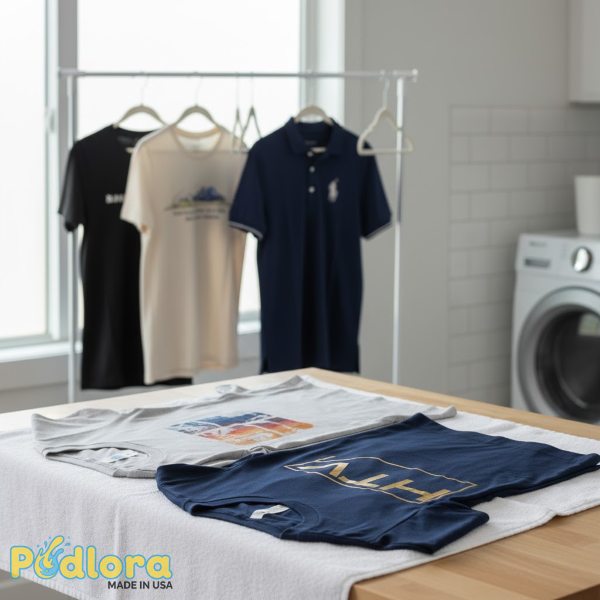
Your drying methods can undo all the careful work of proper washing. Heat is the primary enemy of custom apparel, making machine drying the riskiest option for printed apparel maintenance. High dryer temperatures can cause shrinkage prevention failures, crack screen prints, and completely destroy heat transfer vinyl designs in minutes.
Air drying represents the safest approach for all custom apparel types and should be your default drying method. Lay garments flat on a clean, dry towel or hang them on a drying rack away from direct sunlight. Sunlight can cause unexpected fading, particularly in darker colors and vibrant inks, undermining your color fading prevention efforts during washing.
Indoor air drying in a well-ventilated area offers the best balance of gentle drying and reasonable time frame for clothing maintenance. This drying method protects fabric care investments and ensures that your careful washing instructions adherence doesn’t get negated by improper drying.
If you must use a tumble dry setting, choose the lowest heat available—or better yet, the “air fluff” or no-heat option if your machine offers it. Remove custom garments while still slightly damp to prevent over-drying, which can make designs brittle and prone to cracking. Never dry custom apparel with high heat, regardless of how well you executed the washing process or followed machine wash settings for custom printed shirts.
Creating Your Custom Apparel Care Routine
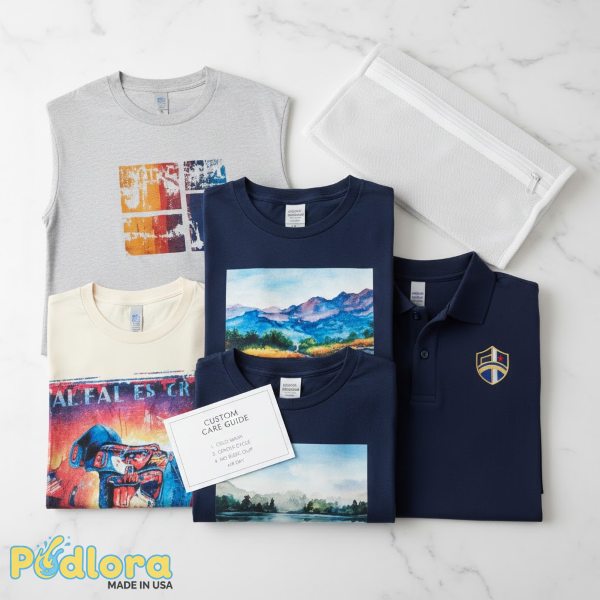
Developing a consistent approach to garment care methods ensures your custom garments receive appropriate treatment every time. Start by categorizing your custom apparel based on customization type and fabric composition. Group similar items together to streamline your laundry methods and make washing custom clothing more efficient.
For daily-wear custom t-shirts with durable screen prints, machine washing on cold, gentle cycle provides a practical balance of convenience and garment care. Reserve hand washing for special occasion pieces, high-value items, or garments showing signs of wear. This tiered approach to custom apparel care acknowledges that not every piece requires the same level of attention.
Create a simple reference guide for your household members detailing which custom garments receive which treatment. Include specific washing instructions for each category—screen printing care, embroidery care, heat transfer vinyl, and DTG prints. This prevents well-meaning family members from accidentally subjecting your favorite custom hoodie to hot water and high-heat drying.
Your routine should address the complete lifecycle: sorting, washing (with appropriate cold water wash temperature), drying (preferably air drying), and storage. When people ask “should I hand wash or machine wash custom apparel,” your routine provides the answer based on garment type rather than requiring a new decision each time.
Common Mistakes in Custom Apparel Care
Even with good intentions, many people unknowingly damage their custom clothing through common washing mistakes. Using hot water remains the most frequent error—many people don’t realize that “warm” water settings often exceed 40°C (104°F), hot enough to damage most custom design elements and negate any color fading prevention measures.
Overcrowding the washing machine reduces cleaning effectiveness while increasing friction damage to designs. Each garment needs space to move freely for proper cleaning without excessive rubbing against other items. This applies to both machine wash and hand wash scenarios in sinks or basins, affecting the overall success of your garment preservation efforts.
Ignoring care labels represents another critical mistake in clothing maintenance. Manufacturers provide specific washing instructions based on testing and fabric composition knowledge. When machine wash vs hand wash recommendations appear on garment tags, following them protects both the fabric and customization from inappropriate treatment methods.
Treating all custom apparel identically ignores the significant differences between customization techniques. A heavily embroidered polo shirt tolerates machine washing far better than a vintage-style DTG print, yet many people use the same approach for both. Understanding these distinctions and applying the best washing practices appropriate to each type improves garment preservation dramatically.
Another frequent error involves using fabric softener on custom apparel. While fabric softener may seem beneficial for comfort, it leaves chemical residues that can discolor prints, interfere with ink adhesion, and reduce the effectiveness of moisture-wicking fabrics. Proper printed apparel maintenance always excludes fabric softener from the washing process.
Professional Cleaning vs. At-Home Care
For premium custom apparel or particularly valuable pieces, professional dry cleaning might seem like a safe option. However, dry cleaning chemicals can damage certain prints and should only be used when garment care labels specifically recommend it. Many dry cleaners lack expertise in custom apparel care and may not take necessary precautions to protect designs.
When professional cleaning becomes necessary, communicate clearly about the customization present on your garment. Show the cleaner the design location and ask about their experience with similar items following the best way to clean custom embroidered clothing or printed designs. Request that they avoid pressing directly on printed or embroidered areas, as high-temperature pressing can cause permanent damage.
For most custom apparel, at-home washing—whether machine or hand—provides better results than professional cleaning when you understand proper garment care methods. You control every variable and can adjust your approach based on how the garment responds. This hands-on involvement in custom shirt washing and printed apparel maintenance gives you immediate feedback and allows for technique refinement.
The decision between professional and at-home care also depends on your understanding of washing instructions specific to your garment. PODLORA provides detailed care information with every order, empowering customers to handle their own fabric care effectively rather than relying on professionals who may not understand custom apparel nuances.
Environmental and Economic Considerations
The machine wash vs hand wash debate extends beyond custom apparel care to include environmental and cost factors. Machine washing generally uses more water per garment, particularly older models without water-saving features. However, washing full loads rather than individual garments by hand can actually reduce overall water consumption when practiced as part of comprehensive laundry methods.
From an energy perspective, hand washing eliminates electricity use during the wash cycle but may increase hot water heater use if you’re not careful about temperature. For true energy efficiency with either method, cold water wash practices are essential—reducing energy consumption by up to 90% according to Energy Star standards, while simultaneously protecting your custom designs.
The economic equation favors machine washing for time value but hand washing for garment longevity. If proper machine wash vs hand wash techniques for custom apparel care double the lifespan of a $30 custom t-shirt, even an extra 15 minutes per wash represents a worthwhile investment in clothing maintenance. Customers who adopt the best washing practices often report their custom apparel lasting three to five years longer than before.
Consider also the replacement costs when garments wear out prematurely due to improper care. Investing time in learning how to preserve custom designs on clothes when washing pays dividends by extending garment life, reducing waste, and maintaining the appearance of your custom pieces longer. This holistic view of garment preservation encompasses both immediate convenience and long-term value.
Stain Treatment Without Damaging Custom Designs
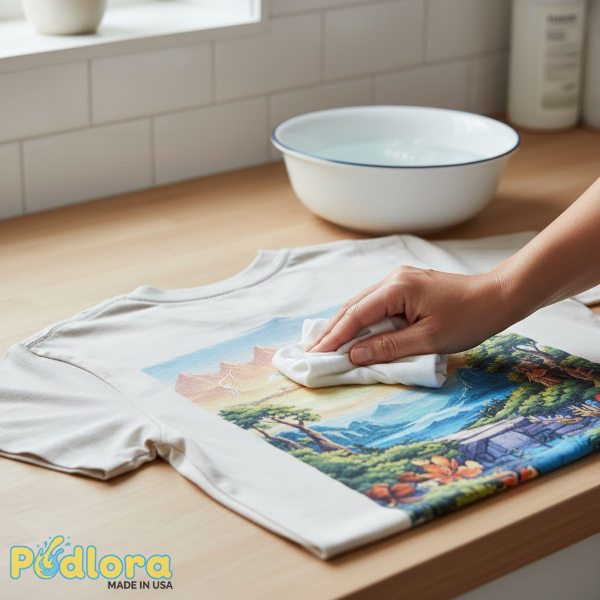
Stain removal on custom apparel requires extra caution to avoid damaging designs while treating problem areas. Pre-treating stains should never involve applying stain removers directly to printed, embroidered, or vinyl-decorated areas. Instead, work from the fabric’s reverse side when possible, pushing the stain out rather than rubbing it deeper into the material.
For stains near or on custom designs, dilute mild detergent in cold water and gently dab the area with a soft cloth. Avoid rubbing motions that can damage design integrity and compromise your screen printing care or embroidery care efforts. Never use chlorine bleach or harsh bleach alternatives on custom apparel—these chemicals attack both stains and decorative elements indiscriminately.
When dealing with stubborn stains, patience and repeated gentle treatments work better than aggressive scrubbing in your washing custom clothing routine. Soak the garment in cold water with mild detergent for several hours or overnight before attempting washing. This softens stains and makes them easier to remove with minimal mechanical action, protecting both fabric care and custom design preservation.
The stain removal process should align with your overall garment care methods. Whether you ultimately use machine wash or hand wash techniques, pre-treating stains gently ensures that your custom apparel survives both the stain and the treatment. Understanding how to wash custom printed t-shirts without fading includes mastering stain treatment that doesn’t compromise the design.
Storage Practices That Complement Proper Washing
Proper garment preservation extends beyond washing to include storage practices that protect your investment. After washing and drying your custom apparel using appropriate drying methods, avoid hanging designs with heavy embellishments, as gravity can stress and distort designs over time. Fold these items instead, placing tissue paper between layers if storing long-term to prevent design transfer or sticking.
Store custom apparel in cool, dry locations away from direct sunlight. Heat and light exposure can cause fading even without washing, undermining your color fading prevention efforts during the laundering process. Cedar blocks or lavender sachets provide natural moth protection without the chemical residues of mothballs, which can discolor fabrics and react with certain inks.
For seasonal storage, ensure garments are completely clean before storing. Even minor stains or body oils can oxidize during storage, creating permanent discoloration that no amount of proper washing instructions can reverse. The complete clothing maintenance cycle—washing, drying, and storage—works together to maximize custom apparel lifespan.
Consider using breathable garment bags for long-term storage rather than plastic bags, which can trap moisture and promote mildew growth. This storage approach complements your laundry methods by ensuring that properly cared-for garments remain pristine between wearing periods. When you understand how to preserve custom designs on clothes when washing and storing them correctly, your custom apparel can last for decades.
Technology and Innovation in Garment Care
Modern washing machines continue to evolve with features specifically designed for delicate fabrics and custom apparel care. Steam cycles, allergen cycles, and sophisticated temperature controls provide new options for washing custom clothing. However, simpler is often better when protecting designs—overuse of special cycles can introduce variables that harm customization.
Smart appliances with mobile app controls allow precise monitoring and adjustment during wash cycles. This technology enables you to intervene if you’ve accidentally selected the wrong settings, potentially saving custom garments from damage. As these features become more common, they may influence the machine wash vs hand wash comparison for certain users who value both technology and garment preservation.
Innovation in detergent formulation also benefits custom clothing owners. Plant-based, enzyme-free options in detergent selection provide effective cleaning without harsh chemicals that attack decorative elements. Research continues to improve our understanding of how different detergent chemistries interact with various fabric types and finishes, leading to better products for printed apparel maintenance.
New developments in fabric technology, including moisture-wicking materials and performance blends, also affect washing instructions. These modern fabrics often require specific care approaches that differ from traditional cotton or polyester. Staying informed about these innovations helps you adapt your garment care methods to new custom apparel purchases while maintaining the best washing practices.
Making the Final Decision: Your Custom Apparel, Your Choice
Ultimately, the machine wash vs hand wash decision for custom apparel care depends on multiple factors unique to your situation. Consider the customization type, fabric composition, garment value, time availability, and physical capability when choosing your approach to washing custom clothing.
For many people, a hybrid approach works best: machine washing everyday custom pieces using proper techniques while hand washing special or delicate items. This balanced strategy acknowledges practical realities while still prioritizing garment preservation for items that matter most. When someone asks “should I hand wash or machine wash custom apparel,” this hybrid answer often provides the most realistic solution.
PODLORA’s experience with thousands of custom apparel orders has shown us that consistent, appropriate care matters more than whether you choose machine or hand washing exclusively. A carefully executed machine wash routine following proper machine wash settings for custom printed shirts can preserve custom designs for years, just as improper hand washing can ruin garments quickly. For more detailed guidance on protecting your custom pieces, explore our comprehensive care and maintenance tips.
Focus on understanding the principles behind good custom shirt washing and adapt them to whichever method suits your lifestyle. Your custom apparel represents personal expression, brand identity, or cherished memories. Treating these garments with appropriate care through thoughtful laundry methods ensures they remain vibrant and intact for years to come.
The best washing practices aren’t about perfection—they’re about making informed choices that balance convenience, effectiveness, and preservation. By understanding how to wash custom printed t-shirts without fading, the best way to clean custom embroidered clothing, and how to preserve custom designs on clothes when washing, you can confidently care for your custom apparel collection regardless of which method you choose.
Summary Table: Key Takeaways for Custom Apparel Care
| Aspect | Machine Wash Approach | Hand Wash Approach | Best Practice |
|---|---|---|---|
| Water Temperature | Cold water wash only (below 30°C/86°F) | Cold water wash only | Always use cold water regardless of method |
| Agitation Level | Gentle cycle setting | Gentle pressing motion | Minimize mechanical stress on designs |
| Garment Position | Turning clothes inside out | Turning clothes inside out | Always turn garments inside out before washing |
| Detergent Selection | Mild, pH-neutral, no bleach alternatives | Mild, pH-neutral, no bleach alternatives | Avoid fabric softener and harsh chemicals |
| Drying Methods | Air drying or lowest tumble dry setting | Air drying flat or hanging | Never use high heat in dryer |
| Best for Design Type | Durable screen prints, embroidery care | Heat transfer vinyl, DTG prints, delicate fabrics | Match method to customization technique |
| Time Investment | 5-10 minutes active time | 20-30 minutes per garment | Consider your schedule and garment value |
| Ideal Use Case | Everyday wear, multiple garments | Special occasion pieces, high-value items | Hybrid approach for most wardrobes |
| Color Fading Prevention | Cold water, gentle cycle, inside out | Cold water, minimal agitation | Consistent cold water wash practices |
| Shrinkage Prevention | Cold water, air drying | Cold water, air drying | Avoid heat in washing and drying |
Frequently Asked Questions
Is it better to wash clothes by hand or washing machine?
For custom apparel care, both methods can work effectively when executed properly using the best washing practices. Machine washing offers convenience and works well for durable customization like quality screen printing care and embroidery care, especially when using cold water wash temperatures and the gentle cycle. Hand washing provides maximum control and protection for delicate fabrics and sensitive designs like heat transfer vinyl or DTG prints. The best choice depends on your specific garment’s customization type, how frequently you wear it, and how much time you can dedicate to clothing maintenance. Many custom apparel owners find success using machine washing for everyday pieces and reserving hand washing for special or delicate items as part of their comprehensive garment care methods.
What’s the best way to wash designer clothes?
Designer custom apparel deserves careful attention to preserve both the garment quality and custom designs. Always check the care label first for specific washing instructions, as designers provide guidance based on fabric composition and embellishment. Turn garments inside out using the turning clothes inside out technique, use cold water exclusively, and select the gentle cycle if machine washing. For hand washing designer pieces, use a clean basin with mild detergent and avoid wringing or twisting. Never use hot water, bleach alternatives, or fabric softener on designer pieces as part of your garment preservation strategy. Air drying is essential for proper drying methods—skip the dryer entirely to prevent shrinkage prevention issues and design damage. When in doubt about washing custom clothing, hand washing with cold water offers the safest approach for preserving high-value custom garments.
What is the best wash cycle for business shirts?
Business shirts with custom embroidery or printing require the gentle cycle on your washing machine as part of effective printed apparel maintenance. This wash cycle setting reduces agitation and spin speed, protecting both the fabric and any custom designs like embroidered logos or printed company information. Use a cold water wash to prevent shrinkage and color fading prevention challenges. Wash business shirts separately from heavily soiled items or rough delicate fabrics like jeans that might cause friction damage. If your business shirts feature professional embroidery care requirements, consider using a mesh laundry bag for additional protection against snagging. Remove shirts promptly after washing and hang them for air drying—this minimizes wrinkles while protecting custom elements from dryer heat and supports overall garment care methods for professional attire.
How to wash a custom made shirt?
Understanding how to wash custom printed t-shirts without fading starts with identifying the customization type—screen printing care needs, heat transfer vinyl, embroidery care requirements, or DTG printing. Turn the shirt inside out using the turning clothes inside out method to protect the design, then wash in cold water using a mild detergent selection without bleach or fabric softener. For machine washing, select the gentle cycle and avoid overcrowding the washer to allow proper water circulation. Hand washing requires filling a basin with cold water, adding detergent, and gently pressing the fabric rather than scrubbing or wringing. Regardless of your laundry methods, never use hot water or high-heat drying. Air dry your custom shirt by laying it flat or hanging it away from direct sunlight for optimal color fading prevention. These washing practices preserve both the fabric quality and custom design for significantly longer than standard approaches, directly addressing how to preserve custom designs on clothes when washing them properly.
How often should I wash custom apparel?
Wash custom apparel only when necessary rather than after every wear as part of effective garment preservation. Frequent washing accelerates design wear and fabric deterioration regardless of how careful you are with washing custom clothing techniques. Most custom t-shirts and casual wear can be worn 2-3 times before washing unless visibly soiled or odorous. For business uniforms or athletic wear with custom designs, washing after each use may be necessary for hygiene, but using proper cold water wash temperatures and the gentle cycle becomes even more critical for printed apparel maintenance. Between washes, air out garments by hanging them in a well-ventilated area to refresh them naturally using proper drying methods. This approach balances cleanliness with garment preservation and extends the life of your custom pieces significantly.
Can I use a mesh laundry bag for all custom apparel?
Mesh laundry bags provide excellent protection for most custom apparel during machine washing, particularly for embroidery care needs where items might snag on other garments. They create a protective barrier that reduces friction and prevents direct contact with the washing machine drum, supporting your overall garment care methods. However, very delicate fabrics or garments with loosely adhered heat transfer vinyl elements might still benefit from hand washing even with a laundry bag. Use appropriately sized bags—garments should fit comfortably without being compressed tightly, which allows proper water circulation for effective cleaning while maintaining protection. Mesh bags work especially well for business shirts, embroidered polos, and screen-printed items when combined with cold water wash settings and the gentle cycle as part of your best washing practices for custom apparel care.
Does water hardness affect custom apparel care?
Water hardness can impact washing effectiveness and potentially affect custom designs over time when washing custom clothing. Hard water contains minerals that interfere with detergent performance, requiring more product for equivalent cleaning power in your laundry methods. This increased detergent selection amount can leave residues on custom apparel that may discolor designs or cause stiffness, affecting both fabric care and design longevity. If you have hard water, consider using slightly less detergent than recommended and adding an extra rinse cycle to remove any residue thoroughly, supporting color fading prevention efforts. Water softening systems can help, but ensure they don’t add excessive sodium that might also affect delicate fabrics. For valuable custom pieces requiring the best way to clean custom embroidered clothing or printed designs, using distilled or filtered water for hand washing eliminates this variable entirely, though it’s impractical for machine washing large loads in your regular clothing maintenance routine.
What should I do if my custom design starts peeling or cracking?
If you notice peeling or cracking on custom designs, immediately switch to hand washing with cold water as part of your garment preservation strategy to prevent further deterioration. For heat transfer vinyl that’s lifting, never attempt to iron it back down yourself—the design may transfer to your iron or cause additional damage to your screen printing care efforts. Small cracks in screen prints are often irreversible but can be stabilized with gentle washing custom clothing techniques focused on minimal agitation. Avoid wearing the garment during strenuous activities that cause excessive stretching, which stresses compromised designs further. When washing, turn the garment inside out using the turning clothes inside out method and consider placing a piece of clean cotton fabric over the design area as extra protection during the wash cycle. While you can’t fully reverse design damage, implementing proper printed apparel maintenance practices including cold water wash temperatures, the gentle cycle, and air drying methods can significantly slow its progression and extend the garment’s wearable life, demonstrating how to preserve custom designs on clothes when washing even damaged pieces.

Hi, I’m Emma Sullivan — a Texas-based writer who specializes in product design, e-commerce, and customer experience. With over five years of writing experience, I love turning complex information into clear, helpful content that makes online shopping easier for everyone. Having spent years working in the U.S. print-on-demand and merchandising space, I focus on creating articles that are honest, engaging, and genuinely useful.