Best Way to Wash Hoodies to Keep Them Soft and New
Hoodies have become an essential wardrobe staple for people of all ages. Whether you’re lounging at home, heading to the gym, or running errands, a comfortable hoodie is often the go-to choice. However, maintaining that soft, cozy feeling and keeping your hoodies looking fresh requires proper care and attention. Many people unknowingly damage their favorite hoodies through improper washing techniques, leading to shrinkage, fading, pilling, and loss of that beloved softness.
In this comprehensive hoodie washing guide, we’ll explore the best practices for washing hoodies to preserve their quality, maintain their softness, and extend their lifespan. From understanding fabric types to mastering the perfect wash cycle, you’ll learn everything you need to know about hoodie care.
Understanding Your Hoodie’s Fabric
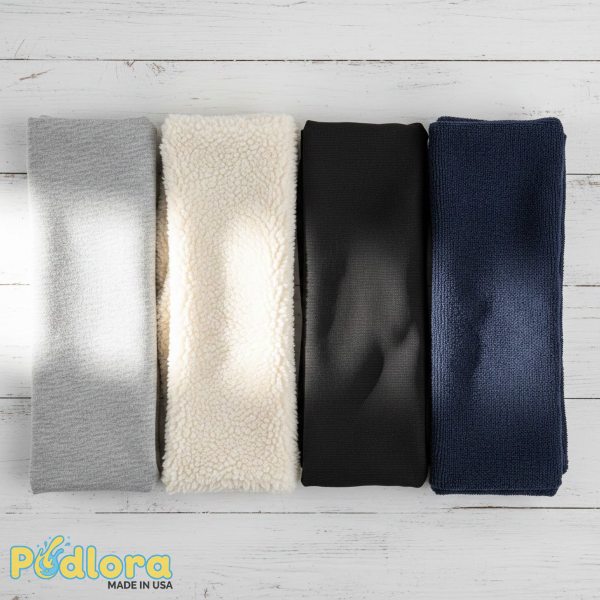
Before diving into how to wash hoodies, it’s crucial to understand the fabric composition of your garment. Different materials require different care approaches to prevent hoodie shrinking and maintain their structure.
Common Hoodie Fabrics
Cotton Hoodies: Pure cotton hoodies are breathable and comfortable but prone to shrinkage if washed improperly. According to textile experts at the Smithsonian Institution, cotton fibers can contract significantly when exposed to heat and agitation, making proper washing essential.
Fleece Hoodies: Fleece is a synthetic fabric known for its warmth and softness. While generally more durable than cotton, fleece requires gentle handling to prevent pilling and maintain its plush texture.
Cotton-Polyester Blends: These blends combine the comfort of cotton with the durability and wrinkle-resistance of polyester. They’re generally easier to care for and less prone to shrinkage than pure cotton.
French Terry: This knit fabric features loops on one side and a smooth surface on the other, offering both comfort and structure. It requires careful washing to maintain its unique texture.
Understanding your hoodie’s fabric composition, typically found on the care label, is the first step in developing an effective hoodie maintenance routine. PODLORA hoodies, like other quality garments, come with specific care instructions that should be followed for optimal results.
Pre-Wash Preparation: Setting Up for Success
Proper preparation before washing can make a significant difference in preserving hoodie quality. These preliminary steps protect your hoodies from unnecessary wear and tear during the wash cycle.
Sort Your Laundry Strategically

Never wash hoodies with heavy items like jeans or towels, as the friction can cause pilling and damage to the fabric. The American Cleaning Institute recommends sorting laundry by color, fabric type, and soil level to prevent damage and color transfer.
Group your hoodies with similar colors and weights. Wash darks separately from lights to prevent color bleeding, especially during the first few washes. New hoodies, particularly those in bold colors, should be washed separately for the first two or three cycles.
Turn Hoodies Inside Out
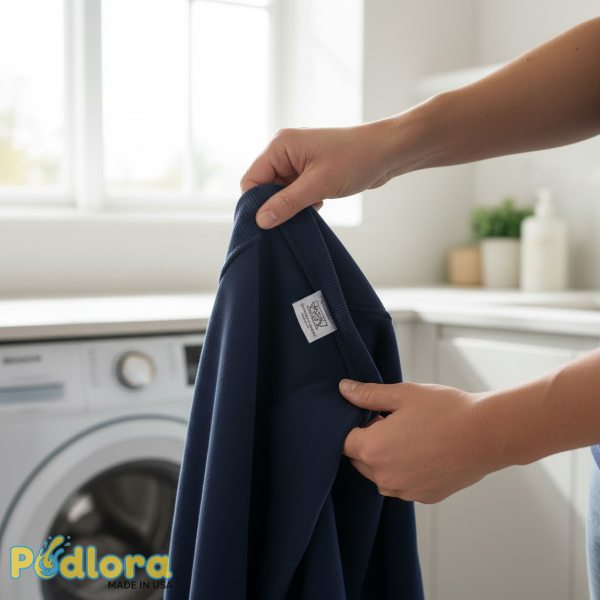
One of the most important steps to wash hoodies without damage is turning them inside out before washing. This simple action protects the outer surface from friction against other garments and the washing machine drum, preventing fading, pilling, and graphic deterioration.
The inside-out method is particularly crucial for printed or embroidered hoodies, as it shields these decorative elements from abrasion. This technique also helps maintain the softness of the outer fabric, which is typically the part that touches your skin.
Zip Up and Secure
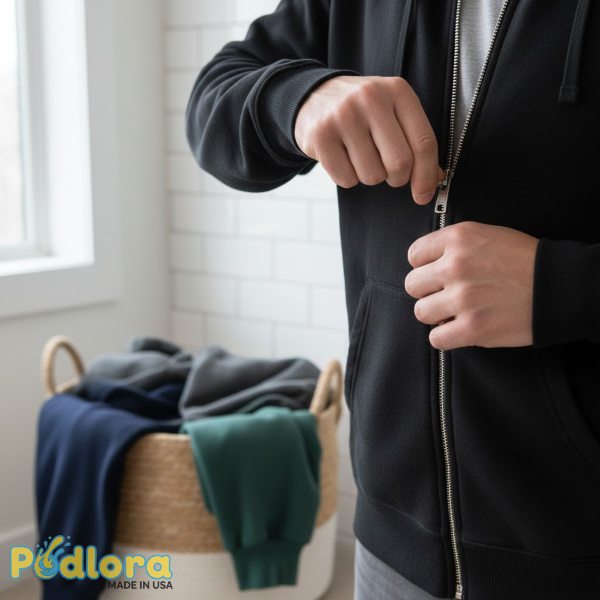
Always zip up hoodies before washing and secure any drawstrings. Open zippers can snag on other garments or the hoodie itself, causing tears and pulls. Consumer Reports notes that securing fasteners before washing significantly reduces fabric damage and extends garment life.
If your hoodie has decorative elements like buttons or metal hardware, ensure they’re properly secured. For hoodies with removable drawstrings, consider taking them out before washing to prevent tangling.
Pre-Treat Stains
Address stains before washing to increase the likelihood of complete removal. Apply a small amount of gentle detergent directly to the stained area and let it sit for 10-15 minutes before washing. Avoid using harsh stain removers or bleach on hoodies, as these can damage fabric fibers and cause discoloration.
For oil-based stains, a small amount of dish soap can be effective. For protein-based stains like blood or sweat, cold water treatment works best. Never put a stained hoodie in the dryer before confirming the stain is removed, as heat can set stains permanently.
Washing Machine Settings: The Technical Details

Selecting the right washing machine settings is critical for hoodie fabric care. The wrong settings can lead to shrinkage, fading, and premature wear, while proper settings keep hoodies soft and looking new for years.
Temperature Matters: The Cold Water Advantage
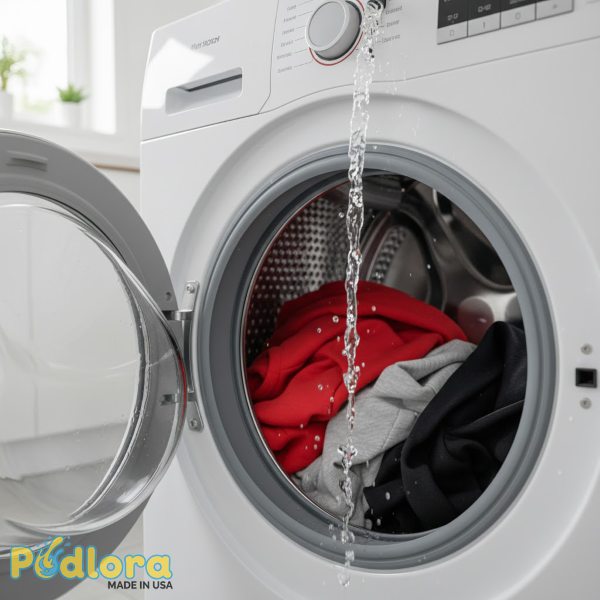
When determining the best temperature to wash hoodies, cold water is almost always the answer. Cold water wash preserves fabric integrity, prevents shrinkage, and reduces color fading. According to research published by the Environmental Protection Agency, washing in cold water also saves energy and is better for the environment.
Hot water causes cotton fibers to contract and can damage synthetic materials like polyester and fleece. Even warm water can contribute to gradual shrinkage over time. The only exception might be heavily soiled hoodies that require sanitization, but even then, warm water (not hot) with appropriate detergent is sufficient.
Cold water is particularly important for maintaining the softness of fleece hoodies, as heat can cause the synthetic fibers to become matted and lose their plush texture.
Choose the Gentle Cycle
The gentle cycle wash minimizes agitation and reduces the mechanical stress on fabric fibers. This setting uses slower spin speeds and shorter wash times, which is ideal for preserving the structure and softness of hoodies.
Heavy-duty cycles subject garments to intense agitation that can stretch out fabric, damage seams, and accelerate pilling. The gentle cycle provides adequate cleaning while treating your hoodies with care.
Modern washing machines often have specialized settings like “delicate” or “hand wash” cycles that are perfect for hoodies. These cycles combine reduced agitation with appropriate spin speeds to effectively clean without causing damage.
Load Size Considerations
Don’t overload your washing machine when washing hoodies. Garments need space to move freely in the water for effective cleaning. Overcrowding increases friction between items, leading to pilling and faster wear. The Good Housekeeping Institute recommends filling the machine only about three-quarters full for optimal results.
A properly loaded machine also ensures that detergent and water can adequately penetrate fabric fibers, resulting in cleaner hoodies without the need for additional rinse cycles.
Choosing the Right Detergent for Hoodies
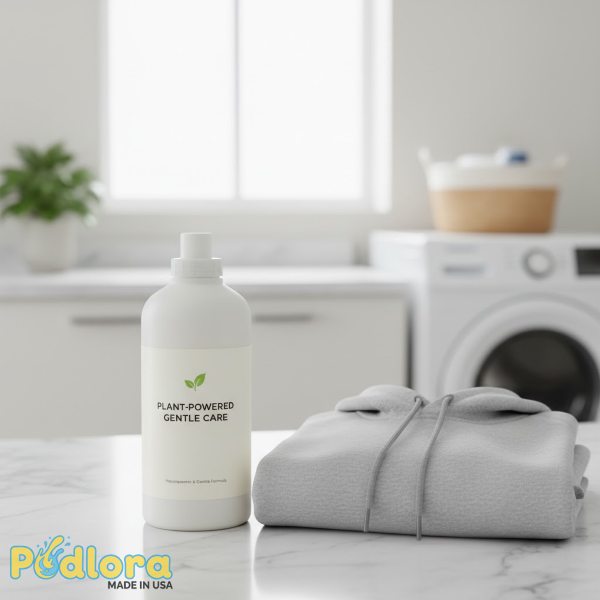
The type of detergent you use significantly impacts how well you can keep hoodies soft and maintain their quality over time. Not all detergents are created equal when it comes to preserving fabric integrity.
Best Detergent for Washing Hoodies
Opt for mild, liquid detergents specifically designed for delicate fabrics or colors. Liquid detergents dissolve more easily in cold water compared to powder detergents, ensuring no residue is left on your hoodies. Look for detergents labeled as “gentle,” “free and clear,” or specifically designed for cold water washing.
Avoid detergents with harsh chemicals, optical brighteners, or heavy fragrances, as these can break down fabric fibers over time and may cause skin irritation. Natural or plant-based detergents are excellent choices for maintaining hoodie softness.
Use the appropriate amount of detergent—more is not better. Excess detergent can leave residue on fabric, making hoodies feel stiff and look dull. Follow the manufacturer’s recommendations based on load size and water hardness.
The Fabric Softener Debate
While fabric softener might seem like a good idea to keep hoodies soft, it can actually have negative effects on certain fabrics. For fleece hoodies, avoid bleach on hoodies and skip fabric softener entirely. Softeners coat synthetic fibers, reducing their moisture-wicking properties and potentially causing a waxy buildup.
For cotton hoodies, a small amount of fabric softener can help maintain softness, but it’s not necessary if you’re already using cold water and gentle cycles. If you do use fabric softener, opt for liquid versions rather than dryer sheets, and use sparingly.
A natural alternative to commercial fabric softener is white vinegar. Adding half a cup of white vinegar to the rinse cycle can soften fabrics, reduce static, and help remove detergent residue without leaving any coating on the fibers.
Drying Hoodies: The Make-or-Break Moment
How you dry your hoodies is just as important as how you wash them. Improper drying is the leading cause of hoodie shrinkage, loss of softness, and premature wear.
Air Drying: The Gold Standard
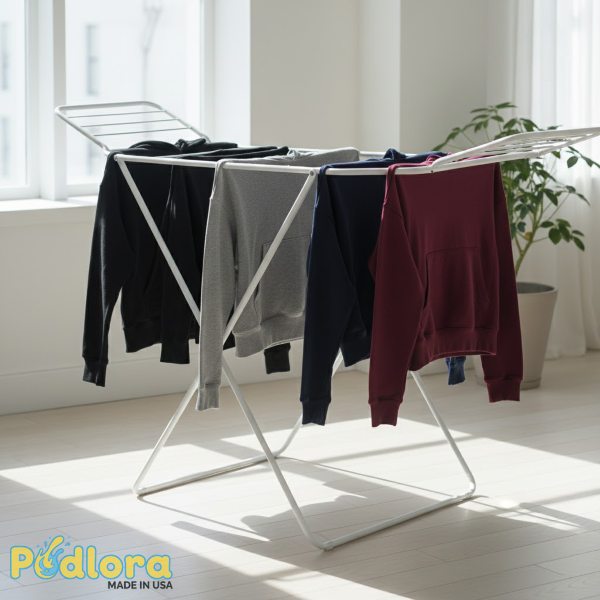
To truly preserve hoodie quality and prevent shrinkage, air dry hoodies whenever possible. Air drying is the gentlest method and eliminates the risk of heat damage. Lay hoodies flat on a clean, dry towel or drying rack away from direct sunlight, which can cause fading.
For faster drying, you can hang hoodies on padded hangers, but be aware that wet garments are heavy and may stretch at the shoulders. If hanging, use a clip hanger to support the hoodie from the bottom hem instead.
Proper air circulation speeds up drying time. Position hoodies near a fan or in a well-ventilated area, but avoid outdoor drying in humid conditions, which can lead to musty odors.
Tumble Dry with Caution
If you must use a dryer, follow these hoodie drying tips to minimize damage. Use the lowest heat setting or the air-dry/air-fluff setting if available. High heat is the enemy of hoodie longevity and is the primary cause of shrinkage.
Remove hoodies from the dryer while they’re still slightly damp to prevent over-drying, which makes fabric stiff and brittle. The residual moisture will evaporate naturally, leaving the hoodie soft and comfortable.
Consider using wool dryer balls instead of dryer sheets. These natural alternatives help separate garments, improve air circulation, and reduce drying time without chemical residue. They’re particularly effective for maintaining the loft of fleece hoodies.
How to Dry Hoodies Without Shrinking
To completely avoid shrinkage, never expose hoodies to high heat. This applies to both the washing and drying processes. If your hoodie does shrink slightly, you may be able to restore some of its original size by soaking it in lukewarm water with hair conditioner for 15 minutes, then gently stretching it back to shape while wet and laying flat to dry.
Prevention is easier than correction, so establish good drying habits from the start. According to textile care experts at Cornell University, heat-related damage is cumulative, meaning each high-heat exposure contributes to long-term fabric degradation.
Special Care Considerations
Different hoodie types and situations require specialized care approaches to maintain optimal condition.
How to Care for Fleece Hoodies
Fleece requires particular attention to prevent pilling and maintain its soft texture. When learning how to care for fleece hoodies, remember that these synthetic garments generate static electricity and attract lint more readily than natural fibers.
Wash fleece hoodies separately from lint-producing items like towels or cotton sweatshirts. Use a lint roller or fabric brush after washing to remove any accumulated lint or pills. For persistent pilling, use a fabric shaver or sweater comb designed specifically for removing pills without damaging the fabric.
Never iron fleece hoodies, as the heat can melt the synthetic fibers. If wrinkles are a concern, hang the hoodie in a steamy bathroom or use a garment steamer on the lowest setting, keeping the steamer head at least six inches from the fabric.
Washing Instructions for Cotton Hoodies
Cotton hoodies can withstand slightly more robust washing than their synthetic counterparts, but they still benefit from gentle treatment. Pure cotton is prone to shrinkage, so cold water is essential for washing instructions for cotton hoodies.
For white or light-colored cotton hoodies that have yellowed or become dingy, add a cup of baking soda to the wash cycle along with your regular detergent. This natural brightener helps restore whiteness without harsh bleach.
Cotton hoodies may require occasional reshaping after washing. While still damp, gently pull the fabric to restore the original shape, paying attention to cuffs, hem, and neckline.
Printed and Embroidered Hoodies
Hoodies with screen-printed designs, embroidery, or heat-transfer graphics require extra care. Always wash these inside out to protect the artwork from friction and fading. Avoid using any fabric softener on printed areas, as it can cause the design to crack or peel.
For hoodies with embroidery, check that all threads are secure before washing. Loose embroidery threads can catch on other garments or the washing machine drum, causing damage.
Never iron directly on printed or embroidered areas. If pressing is necessary, iron inside out or place a thin cloth between the iron and the design.
Frequency: How Often Should You Wash Hoodies?
Overwashing contributes to premature wear, but underwashing can lead to odor and hygiene issues. Strike the right balance based on use and personal preference.
General Guidelines
Hoodies worn directly against the skin should be washed after 3-4 wears, or immediately if they’re visibly soiled or sweaty. Hoodies worn over other shirts can go 5-7 wears between washes, assuming they don’t become dirty or odorous.
Pay attention to your activity level while wearing hoodies. Exercise hoodies should be washed after each use, while hoodies worn for light activities can be worn multiple times before washing.
Spot Cleaning Between Washes
Extend the time between full washes by spot-cleaning minor stains or freshening hoodies with a garment refresh spray. Airing out hoodies between wears helps eliminate odors without the need for washing.
Steam cleaning is another effective method for refreshing hoodies between washes. The steam kills odor-causing bacteria without subjecting the fabric to a full wash cycle.
Troubleshooting Common Hoodie Problems
Even with proper care, issues can arise. Here’s how to address common problems and restore your hoodies to their former glory.
How to Make Hoodies Soft Again After Washing
If your hoodie has become stiff or scratchy after washing, try these revival techniques. Soak the hoodie in a mixture of cold water and a cup of white vinegar for 30 minutes, then wash again using cold water and a gentle detergent. The vinegar helps break down detergent residue and mineral deposits that can make fabric feel stiff.
For severely stiff hoodies, add a quarter cup of baking soda to the wash cycle along with your regular detergent. This combination helps soften water and remove buildup without harsh chemicals.
How to Prevent Hoodies from Pilling
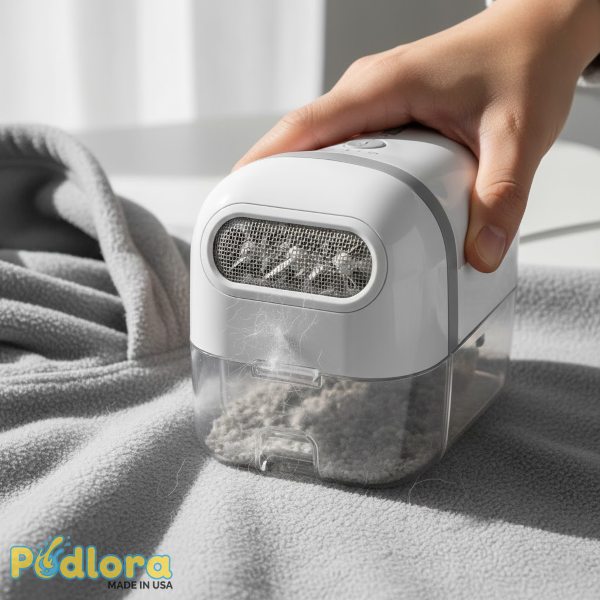
Pilling occurs when short or broken fibers tangle together on the fabric surface, creating those annoying little balls. To prevent this common problem, turn hoodies inside out before washing, use the gentle cycle, and avoid washing with rough-textured items.
If pilling has already occurred, use a fabric shaver, sweater comb, or even a clean disposable razor (used gently) to remove the pills. Work in one direction and use light pressure to avoid damaging the underlying fabric.
Dealing with Color Fading
To prevent color fading, always wash hoodies in cold water, turn them inside out, and avoid overexposure to sunlight when drying. For hoodies that have already faded, specialized color-reviving products are available, though results vary depending on the fabric and dye type.
Dark-colored hoodies benefit from occasional washing with detergents specifically formulated for dark fabrics. These products contain special ingredients that help maintain color intensity.
Addressing Shrinkage
If your hoodie has shrunk despite your best efforts, you may be able to reverse some of the damage. Soak the hoodie in lukewarm water mixed with baby shampoo or hair conditioner for 30 minutes. These products relax the fibers, making them more pliable.
While the hoodie is still wet, gently stretch it back to its original size, paying particular attention to problem areas like sleeves and torso length. Pin the hoodie to a large towel in the desired shape and let it air dry completely.
Storage Tips for Maintaining Hoodie Quality
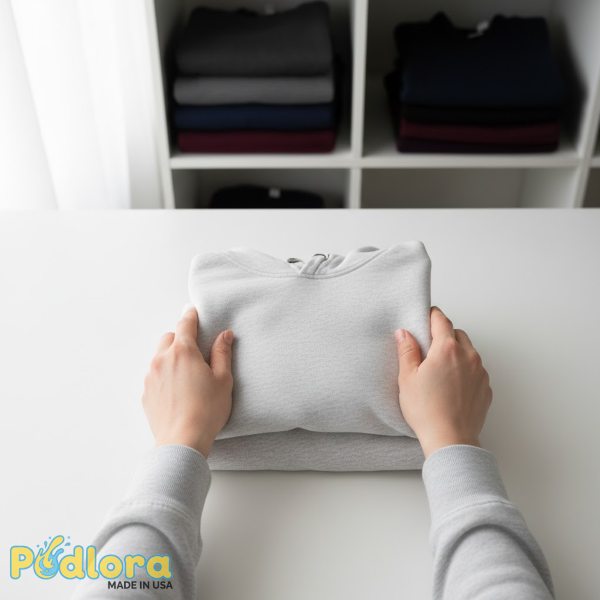
Proper storage between wears is an often-overlooked aspect of hoodie maintenance. How you store your hoodies affects their shape, cleanliness, and longevity.
Folding vs. Hanging
For most hoodies, folding is preferable to hanging. Hanging heavy hoodies can cause shoulder bumps and stretch out the fabric over time. Fold hoodies neatly and stack them in drawers or on shelves where they won’t be crushed under excessive weight.
If you must hang hoodies, use padded hangers that distribute weight evenly across the shoulders. Avoid thin wire hangers that create stress points in the fabric.
Keep Hoodies Fresh
Store clean, completely dry hoodies in a cool, dry place with good air circulation. Avoid storing hoodies in plastic bags or airtight containers, as trapped moisture can lead to mildew and musty odors.
Cedar blocks or lavender sachets can help keep storage areas smelling fresh while naturally deterring moths and other pests. Avoid mothballs, as their strong chemical scent can be absorbed by fabric fibers.
Seasonal Storage
When storing hoodies for an extended period, ensure they’re completely clean before putting them away. Stains and body oils left on fabric can oxidize over time, becoming permanent and attracting pests.
Consider using breathable cotton storage bags for long-term hoodie storage. These protect garments from dust while allowing air circulation to prevent moisture buildup.
Environmental Considerations
Sustainable hoodie care benefits both your garments and the planet. Making environmentally conscious choices in your laundry routine reduces your ecological footprint while often improving garment longevity.
Energy and Water Conservation
Washing hoodies in cold water reduces energy consumption by up to 90% compared to hot water washing. According to the Natural Resources Defense Council, switching to cold water for laundry is one of the most impactful changes individuals can make to reduce household energy use.
Washing full loads rather than small loads maximizes water and energy efficiency. However, don’t overload the machine, as this reduces cleaning effectiveness and requires rewashing.
Eco-Friendly Detergents
Choose plant-based, biodegradable detergents in concentrated formulas. These products are gentler on fabrics, safer for sensitive skin, and less harmful to aquatic ecosystems when wastewater is released.
Many eco-friendly detergents come in minimal packaging or refillable containers, further reducing environmental impact.
Microfiber Pollution
Synthetic hoodies, including fleece, shed microfibers during washing that contribute to plastic pollution in waterways. Consider using a Guppyfriend washing bag or similar microfiber-catching products that trap these particles before they enter the water system.
Choosing natural fiber hoodies when possible and extending the life of synthetic garments through proper care are additional ways to minimize microfiber pollution.
Building a Comprehensive Hoodie Care Routine
Developing consistent habits around hoodie care ensures your favorite garments remain soft, comfortable, and looking new for years to come.
Create a Care Schedule
Establish a regular schedule for washing hoodies based on frequency of wear. Keep a mental or written note of how many times you’ve worn each hoodie to ensure timely cleaning without overwashing.
Designate a specific day each week or month for laundering hoodies, making it a routine part of your household management.
Invest in Quality Care Products
While it may be tempting to purchase the cheapest detergent available, investing in quality laundry products pays dividends in garment longevity. A good gentle detergent, appropriate drying tools, and fabric care accessories like lint rollers and fabric shavers are worthwhile investments.
Educate Family Members
If you share laundry responsibilities with family members or roommates, ensure everyone understands proper hoodie care techniques. A quick lesson on turning garments inside out, selecting appropriate settings, and proper drying methods can prevent accidental damage to prized hoodies.
Conclusion
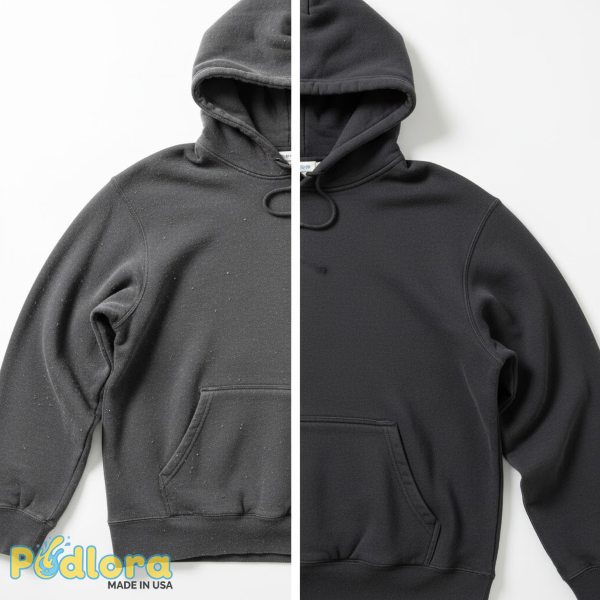
Learning the best way to wash hoodies to keep them soft requires attention to detail and consistent care practices. By understanding fabric types, using appropriate washing machine settings, choosing the right detergent for hoodies, and implementing proper drying techniques, you can significantly extend the life of your favorite hoodies while maintaining their original softness and appearance.
The key principles to remember are:
- Always wash hoodies in cold water on a gentle cycle
- Turn hoodies inside out before washing to protect the outer surface
- Avoid high heat in both washing and drying
- Air dry whenever possible to prevent shrinkage and maintain softness
- Use mild detergents and avoid excessive fabric softener
- Store hoodies properly between wears
Whether you’re caring for cotton, fleece, or blended hoodies, these fundamental practices will keep your garments looking and feeling their best. The extra few minutes spent on proper care will reward you with hoodies that remain comfortable, soft, and new-looking for many years.
By implementing these washing and care techniques, you’re not just maintaining clothing—you’re preserving comfort, quality, and the investment you’ve made in your wardrobe. Your hoodies will thank you with continued softness, vibrant colors, and lasting durability.
Summary Table: Essential Hoodie Washing Tips
| Care Aspect | Best Practice | Why It Matters |
|---|---|---|
| Water Temperature | Always use cold water | Prevents shrinkage, preserves colors, protects fabric integrity |
| Wash Cycle | Gentle or delicate cycle | Reduces mechanical stress and fabric damage |
| Pre-Wash Prep | Turn inside out, zip up, separate by color | Protects outer surface, prevents snagging, avoids color transfer |
| Detergent Type | Mild liquid detergent for cold water | Dissolves completely, no residue, gentle on fibers |
| Fabric Softener | Avoid for fleece; use sparingly for cotton | Prevents coating on synthetic fibers; maintains moisture-wicking |
| Drying Method | Air dry flat or on low heat | Prevents shrinkage and heat damage to fibers |
| Washing Frequency | Every 3-7 wears depending on use | Balances cleanliness with minimizing wear from overwashing |
| Stain Treatment | Pre-treat before washing; avoid bleach | Increases stain removal success without damaging fabric |
| Storage | Fold rather than hang; store in dry place | Prevents stretching and maintains shape |
| Special Care | Check care labels; handle prints carefully | Ensures appropriate treatment for specific fabric types |
This comprehensive guide provides evidence-based recommendations for hoodie care based on textile science, industry best practices, and expert recommendations. Following these guidelines will help you maintain the quality and comfort of your hoodies for years to come.

Hi, I’m Emma Sullivan — a Texas-based writer who specializes in product design, e-commerce, and customer experience. With over five years of writing experience, I love turning complex information into clear, helpful content that makes online shopping easier for everyone. Having spent years working in the U.S. print-on-demand and merchandising space, I focus on creating articles that are honest, engaging, and genuinely useful.