Poly Cotton Blend vs Pure Cotton Pros and Cons Explained
When choosing fabrics for clothing, bedding, or home textiles, understanding the difference between poly cotton blend and pure cotton can significantly impact your satisfaction and comfort. Both fabric types offer distinct characteristics that make them suitable for different applications, and knowing their strengths and weaknesses helps you make informed purchasing decisions.
At PODLORA, we recognize that textile choices matter. Whether you’re selecting everyday wear, bedding, or performance apparel, the fabric composition affects everything from comfort to maintenance requirements. This comprehensive guide examines the key differences, advantages, and limitations of both fabric types to help you choose wisely.
What is a Poly Cotton Blend?
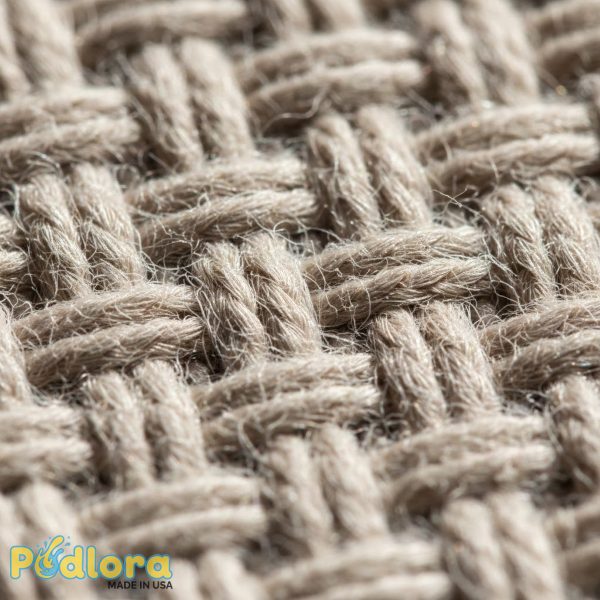
A poly cotton blend is a fabric mixture combining polyester fibers with cotton fibers. The most common blend ratios include 65% polyester with 35% cotton, though variations range from 50/50 to 80/20 proportions depending on the intended use. This combination aims to merge polyester’s durability with cotton’s natural comfort.
The textile composition creates a hybrid material that addresses certain limitations inherent in pure fabrics. Polyester contributes durability, shine, and wrinkle-resistant features, while cotton adds natural softness and lightweight characteristics. The blending process occurs at the fiber level before yarns are spun and woven into fabric.
According to Textile Exchange’s Materials Market Report, polyester production reached approximately 63 million metric tons globally in 2022, representing more than half of the world’s total fiber production, demonstrating the synthetic fiber’s dominance in modern textile manufacturing. Cotton production, by comparison, totaled approximately 24.7 million metric tons.
Understanding Pure Cotton Fabric
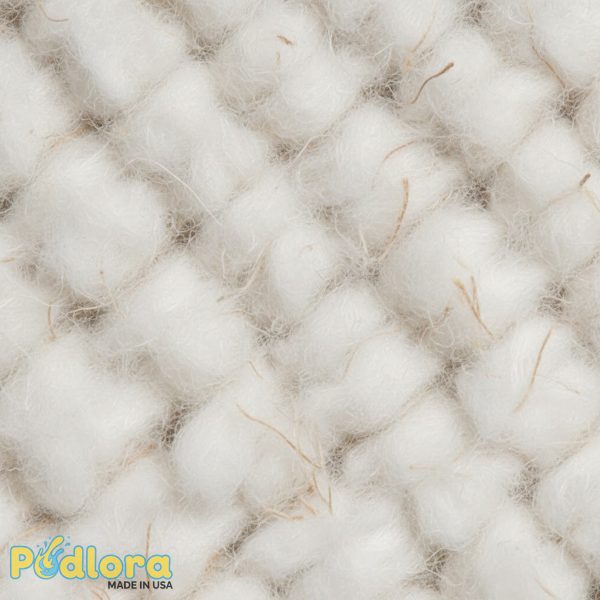
Pure cotton fabric, commonly labeled as 100% cotton, consists entirely of natural fibers harvested from cotton plants. This natural material has been used for thousands of years and remains highly valued for clothing, bedding, and home textiles due to its inherent properties.
Cotton’s natural fiber structure creates specific performance characteristics. According to research on cotton fabric breathability, cotton is highly breathable, allowing air to circulate through the fabric while keeping the body cool and comfortable. Cotton can absorb up to 27 times its own weight in water, making it excellent at wicking away sweat and preventing moisture accumulation on the skin.
The natural origin of cotton also makes it biodegradable and generally more environmentally friendly than synthetic alternatives, though cotton cultivation requires significant water resources and agricultural inputs.
Poly Cotton Blend vs Pure Cotton: Key Differences
Fabric Breathability
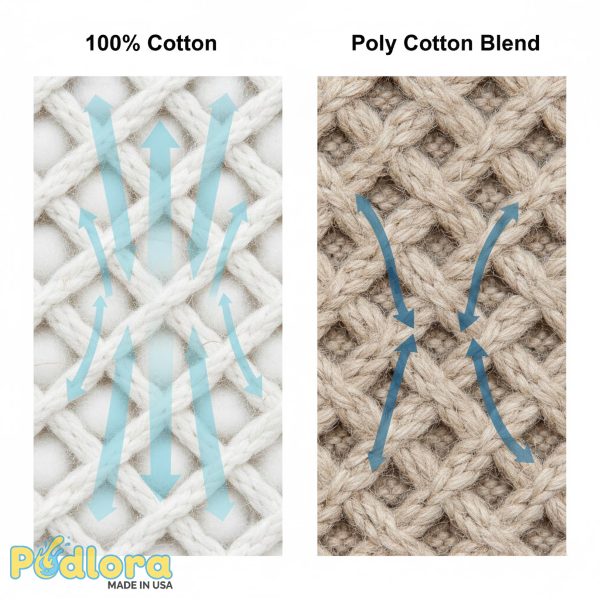
When comparing poly cotton blend vs pure cotton for breathability, pure cotton demonstrates superior air circulation capabilities. The natural fiber structure allows air to move freely through the fabric, keeping wearers cool and comfortable.
As noted by REI Co-op’s fabric experts, cotton is known for its softness and breathability as a natural fiber that absorbs moisture and allows air to circulate, making it ideal for warm weather clothing. In contrast, polyester’s synthetic nature restricts airflow somewhat, though well-designed poly cotton blends can offer acceptable breathability for many applications.
PODLORA products incorporating cotton prioritize breathability without compromising durability, recognizing that air circulation significantly impacts wearer comfort during daily activities.
Moisture Absorption and Wicking
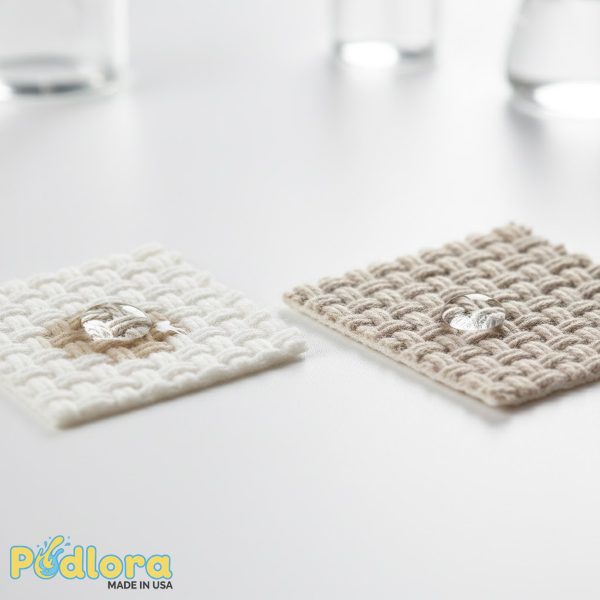
The moisture absorption properties differ substantially between these two fabric types. Pure cotton excels at absorbing moisture but holds onto it longer, while polyester repels water and dries quickly.
Polycotton is less breathable than cotton because polyester does not absorb moisture as well, however, it is more moisture-wicking than pure cotton, which means it dries faster. This characteristic makes poly cotton blends advantageous for activewear and situations requiring quick-drying properties.
For everyday comfort, cotton’s absorbency provides a soft, dry feel against the skin, though garments may take longer to air dry after washing or perspiration.
Durability and Fabric Longevity
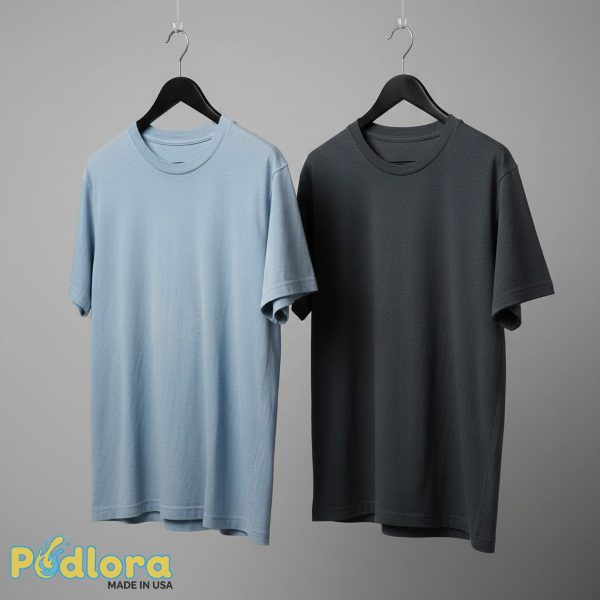
Durability represents a significant advantage for poly cotton blends over pure cotton. The polyester component adds substantial strength and resistance to wear and tear.
The polyester component makes it a more durable fabric than pure cotton, providing strength and resistance to wear and tear, allowing polycotton blends to withstand multiple washes without losing shape. Pure cotton, while strong when new, becomes more susceptible to tearing, abrasion, and pilling over time with repeated use and washing.
For items requiring longevity like workwear, uniforms, or frequently laundered bedding, the enhanced durability of poly cotton blends offers practical advantages that extend product lifespan.
Wrinkle Resistance
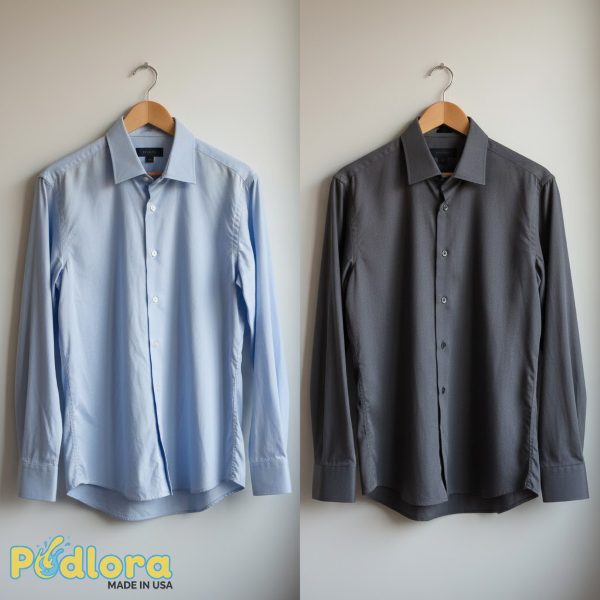
Wrinkle resistance constitutes one of the most noticeable differences in daily use. Pure cotton wrinkles easily and often requires ironing to maintain a crisp appearance. Poly cotton blends significantly reduce wrinkling.
The blended fibers help cotton hold its shape and resist wrinkles, making cotton blends ideal for travel and reducing ironing needs. This low-maintenance characteristic makes poly cotton particularly appealing for business attire, travel clothing, and items where pressed appearance matters but convenience is valued.
Shrinkage Resistance
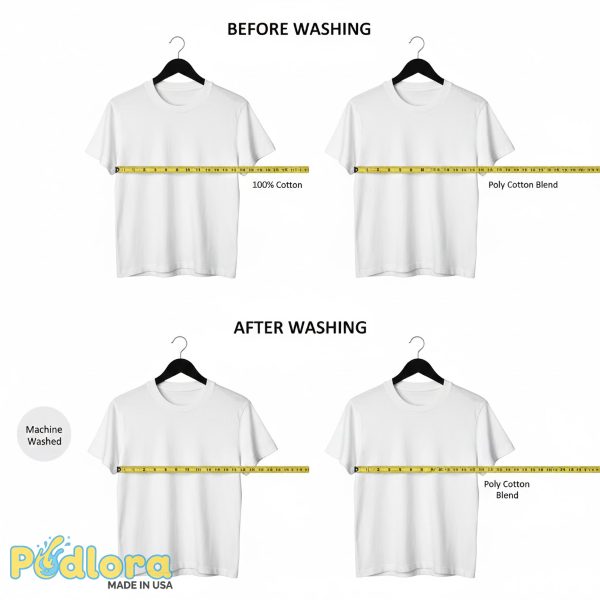
Shrinkage during washing presents challenges primarily for pure cotton fabrics. Cotton fibers naturally contract when exposed to heat and moisture, potentially causing garments to become smaller and lose their original fit.
100% cotton tends to shrink after washing whereas poly cotton holds its shape well. The polyester fibers in blended fabrics provide dimensional stability, maintaining garment size and shape through multiple wash cycles. This shrinkage resistance makes sizing more predictable and reduces concerns about fit changes over time.
Softness and Comfort
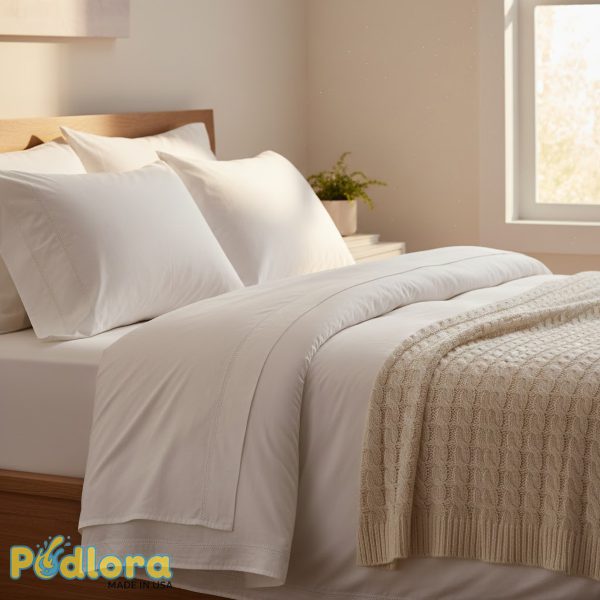
Softness represents an area where pure cotton traditionally excels. Cotton’s natural fibers create a soft, gentle texture that improves with washing and wear as the fibers relax and become more pliable.
Cotton is a fabric that gets softer with more use, as washing the material relaxes the fibers and makes them weaker and pliable. While poly cotton blends offer reasonable comfort, the polyester component can create a slightly stiffer feel, particularly in garments with higher polyester percentages.
Modern textile engineering has improved poly cotton blend softness considerably, though discerning consumers may still detect textural differences compared to pure cotton.
Price and Affordability
Cost considerations often influence fabric selection. Generally, pure cotton pricing varies significantly based on quality, with premium varieties commanding higher prices. Basic poly cotton blends typically cost less than comparable pure cotton items.
However, cotton blends are usually more expensive than pure cotton in some cases, depending on the specific blend ratios and finishing processes involved. The price differential varies by application, brand, and quality level.
Advantages of Polyester Cotton Blend
Understanding cotton blend advantages helps identify situations where this fabric choice excels:
Superior Durability
Poly cotton blends withstand regular use better than pure cotton, maintaining structural integrity through repeated washing and wear. The synthetic fibers reinforce the fabric, reducing likelihood of tears, holes, and excessive pilling.
Easy Care and Maintenance
The low-maintenance nature of poly cotton appeals to busy households and individuals. These fabrics require less ironing, dry quickly, and resist staining better than pure cotton alternatives. Simple machine washing and drying suffice for most poly cotton items.
Color Retention
Polyester fibers hold dye exceptionally well, resulting in vibrant colors that resist fading through multiple wash cycles. The polyester fibers in the blend can hold dyes more effectively, resulting in vibrant and long-lasting colors, making poly cotton ideal for colorful garments and decorative textiles.
Shape Retention
Garments maintain their original fit and silhouette better with poly cotton blends. The dimensional stability prevents stretching, sagging, and shrinking that can alter garment appearance and fit over time.
Cost-Effectiveness for Specific Applications
For items requiring frequent laundering or heavy use, the extended lifespan of poly cotton blends can provide better long-term value despite potentially higher initial costs in some categories.
Benefits of Pure Cotton Fabric
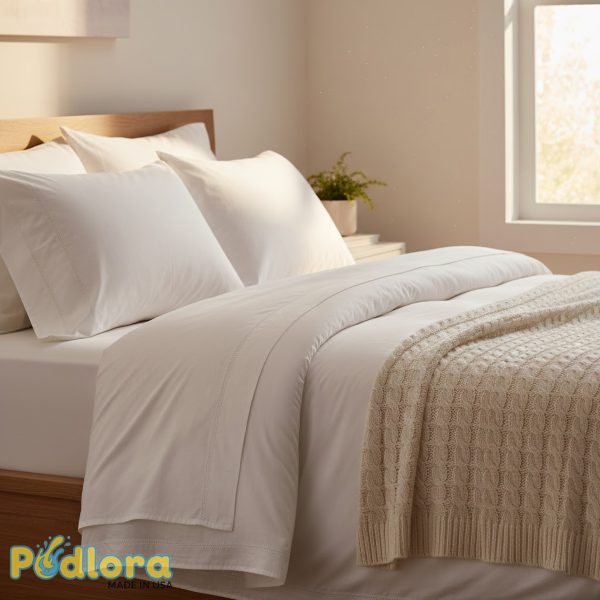
Pure cotton benefits make it the preferred choice for many applications where natural characteristics matter most:
Maximum Breathability
No synthetic blend matches pure cotton’s natural air circulation. The fiber structure facilitates continuous airflow, preventing heat buildup and maintaining comfortable body temperature in warm conditions.
Superior Moisture Absorbency
Cotton’s exceptional moisture absorption keeps skin feeling dry and comfortable. This property proves particularly valuable for towels, bedding, and clothing worn in hot, humid climates or during physical activity.
Natural Softness
The inherent softness of cotton fibers creates unmatched comfort against skin, improving rather than degrading with use. This characteristic makes pure cotton ideal for sensitive skin and applications prioritizing tactile comfort.
Hypoallergenic Properties
Pure cotton is less likely to cause skin irritation or allergic reactions compared to synthetic fibers. Cotton’s natural fibers make it an ideal choice for individuals with sensitive skin, providing peace of mind for those with dermatological sensitivities.
Environmental Considerations
As a natural, biodegradable material, cotton presents fewer end-of-life environmental concerns than synthetic fibers derived from petroleum products. Cotton decomposes naturally, though cultivation practices vary in environmental impact.
Versatility Across Applications
Pure cotton suits an enormous range of uses from casual wear to formal attire, bedding to towels, proving its adaptability across diverse textile needs.
Disadvantages to Consider
Poly Cotton Blend Drawbacks
Despite advantages, poly cotton blends present certain limitations:
Reduced Breathability: The polyester component restricts airflow compared to pure cotton, potentially causing discomfort in hot weather or during intense physical activity.
Static Cling: Synthetic fibers generate static electricity, causing garments to cling to body or other fabrics, particularly in dry conditions.
Potential Skin Irritation: Some individuals experience sensitivity to polyester fibers, particularly those with delicate or reactive skin.
Environmental Impact: Polyester production relies on petroleum resources and creates microplastic pollution during washing. According to research published in the National Center for Biotechnology Information, synthetic fabrics now account for about 60% of total world fiber production, and polyester and polyamide represent the most important synthetic fibers, with these textiles potentially releasing microplastics into the environment during manufacturing or cleaning processes.
Heat Retention: Polyester traps body heat more than cotton, making poly cotton less comfortable in very warm environments.
Pure Cotton Limitations
Pure cotton also presents challenges in certain applications:
Wrinkling: Cotton wrinkles easily, requiring frequent ironing or steaming to maintain crisp appearance, adding to maintenance time and effort.
Shrinkage: Temperature and agitation during washing cause cotton to shrink, potentially rendering garments unwearable or ill-fitting after laundering.
Slower Drying: Cotton’s moisture retention means longer drying times, whether air-drying or using mechanical dryers.
Reduced Durability: Compared to poly cotton blends, pure cotton shows greater susceptibility to wear, tearing, and pilling with regular use.
Fading: Colors in cotton fabrics may fade more quickly than those in polyester blends, particularly with frequent washing or sun exposure.
Higher Maintenance Requirements: Pure cotton clothing needs immaculate care, should be washed in cold water and hung to dry inside-out in the shade for proper maintenance.
Best Applications for Each Fabric Type
When to Choose Poly Cotton Blend
Poly cotton excels in situations prioritizing:
- Workwear and Uniforms: Durability and wrinkle resistance make blends ideal for professional clothing requiring neat appearance with minimal maintenance
- Travel Clothing: The wrinkle-resistant properties and quick-drying nature suit packed luggage and limited laundering facilities
- Activewear: Quick moisture evaporation and durability benefit athletic clothing, though pure synthetics may perform better for intense activities
- Outdoor Gear: Weather resistance and durability suit camping, hiking, and outdoor recreation applications
- Children’s Clothing: Stain resistance and durability withstand active play and frequent washing
When to Choose Pure Cotton
Pure cotton proves superior for:
- Bedding and Linens: Maximum breathability and softness create comfortable sleeping environments
- Everyday Casual Wear: T-shirts, jeans, and casual garments benefit from cotton’s comfort and natural feel
- Sensitive Skin: Individuals prone to irritation or allergies find cotton gentler than synthetic alternatives
- Hot Weather Clothing: Superior breathability and moisture absorption keep wearers cooler in warm conditions
- Baby Clothing: Softness and hypoallergenic properties suit delicate infant skin
- Towels and Bathrobes: Exceptional absorbency makes cotton ideal for drying applications
Comparing Poly Cotton Blend and Pure Cotton for Specific Uses
Bed Sheets and Bedding
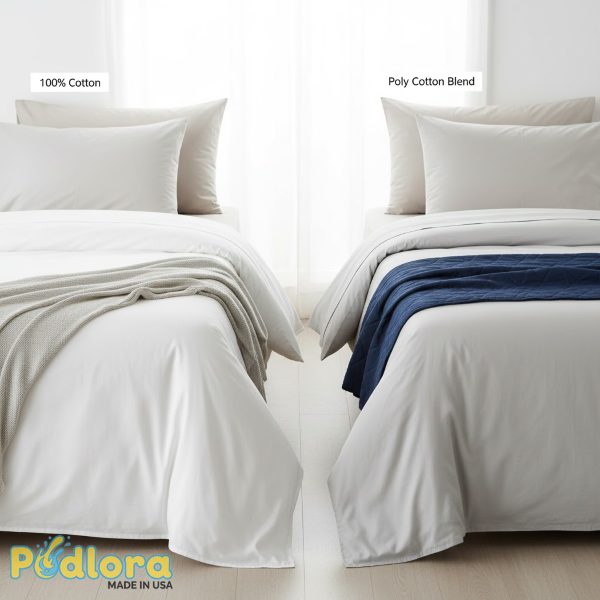
When evaluating poly cotton blend vs pure cotton for sheets, comfort priorities typically favor pure cotton. The breathability prevents overheating during sleep, while the soft texture enhances relaxation. However, poly cotton sheets resist wrinkles better and require less maintenance.
PODLORA bedding products consider these factors, offering options suited to different sleep preferences and maintenance tolerance levels. Thread count, weave pattern, and finishing treatments also significantly impact bedding performance regardless of fiber content.
T-Shirts and Casual Wear
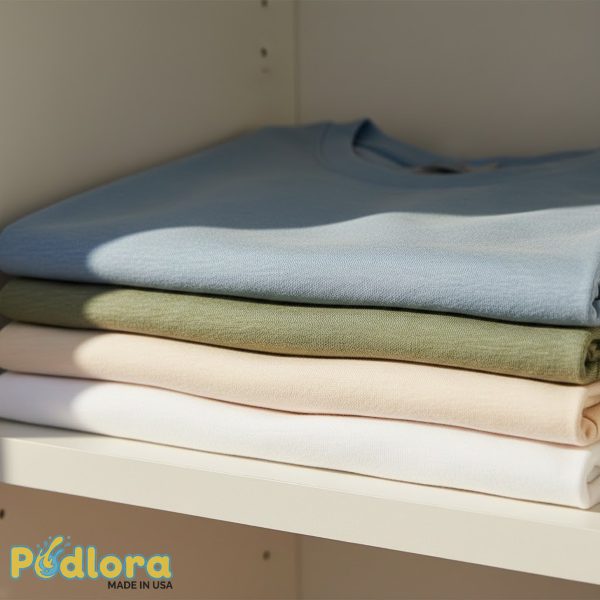
For everyday t-shirts, pure cotton remains popular due to its superior comfort and breathability. Cotton is the go-to fabric for most people because it’s soft and non-irritant, polyester is the go-to for performance, and cotton and polyester blends give you the best of both worlds.
Many casual wear manufacturers now offer tri-blends incorporating cotton, polyester, and rayon to optimize softness, durability, and drape characteristics.
Workwear and Uniforms

Professional clothing often utilizes poly cotton blends due to their wrinkle resistance and durability. The easy-care properties reduce maintenance time while maintaining professional appearance throughout workdays.
Athletic and Performance Wear
Athletic applications typically benefit from moisture-wicking properties, making poly cotton or pure polyester better choices than 100% cotton for intense physical activity. The quick-drying nature prevents moisture accumulation and chafing.
Fabric Care and Washing Instructions
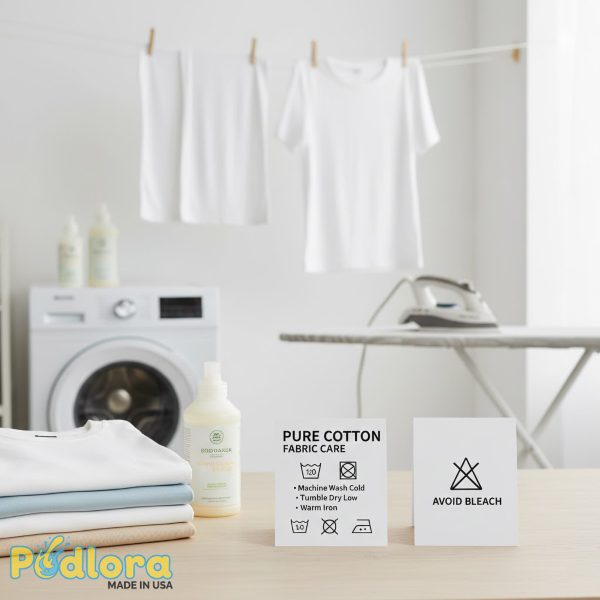
Proper care extends the life of both fabric types, though requirements differ:
Caring for Poly Cotton Blends
- Wash in warm or cold water depending on soil level
- Use standard detergents without special requirements
- Tumble dry on medium heat without excessive shrinkage concerns
- Minimal ironing typically needed; if pressing required, use medium heat setting
- Remove from dryer promptly to minimize any wrinkling
- Treat stains quickly as polyester can hold onto oils
Maintaining Pure Cotton Fabrics
- Wash in cold water and hang to dry inside-out in the shade for proper maintenance
- Use gentle cycle for delicate cotton items
- Avoid high heat in dryers to minimize shrinkage
- Remove promptly from dryer and fold or hang immediately
- Iron while slightly damp for easier wrinkle removal
- Pre-treat stains before washing
- Expect some shrinkage, particularly with first washing
Environmental and Sustainability Considerations
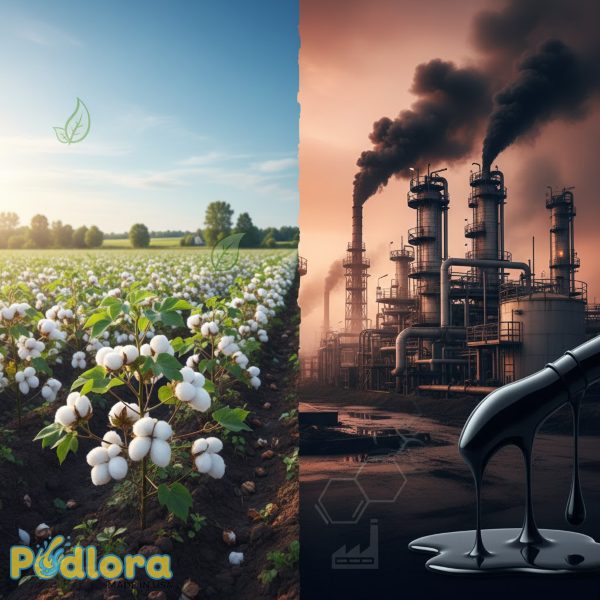
Environmental impact represents an increasingly important factor in textile choices. Pure cotton, being natural and biodegradable, offers end-of-life advantages over synthetics. However, cotton cultivation requires substantial water, pesticides, and land resources.
Polyester production relies on petroleum-based materials and contributes to microplastic pollution when washed. According to a comprehensive study on microplastics in wastewater, microplastic pollution caused by washing processes of synthetic textiles has been assessed as the main source of primary microplastics in the oceans, with synthetic clothes contributing about 35% to the global release of primary microplastics to the world’s oceans.
Research shows that synthetic fibers account for approximately 60% of the total global fiber production, and between 60% and 70% of textiles are made of plastic, mostly polyester, which is made of oil and gas. Recycled polyester offers a more sustainable alternative to virgin synthetic fibers, though environmental concerns remain.
PODLORA acknowledges these considerations and encourages informed choices balancing personal needs with environmental responsibility. Extending garment lifespan through proper care, regardless of fiber content, reduces overall environmental impact.
Making the Right Choice for Your Needs
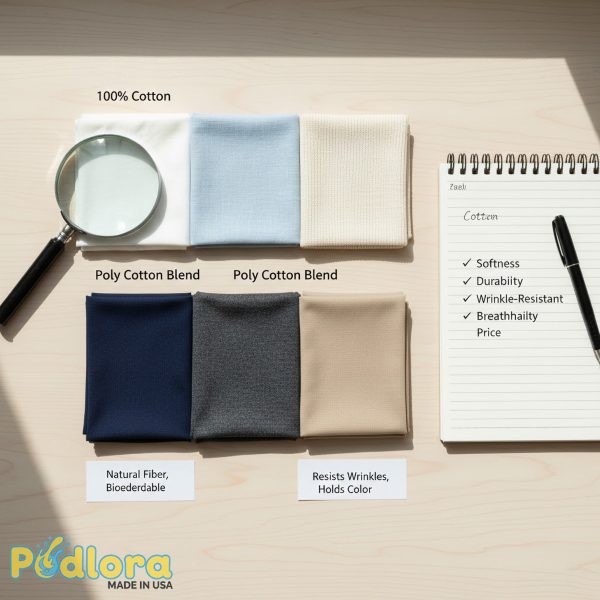
Selecting between poly cotton blend vs pure cotton requires evaluating:
- Primary Use: Consider whether breathability, durability, or easy care matters most for the intended application
- Climate and Season: Hot weather favors cotton’s breathability; variable conditions may suit poly cotton’s versatility
- Maintenance Tolerance: Assess willingness to iron, hand-wash, or provide special care
- Budget Constraints: Compare initial cost against expected lifespan and replacement frequency
- Skin Sensitivity: Prioritize natural fibers if synthetic materials cause irritation
- Environmental Values: Weight natural biodegradability against synthetic durability and cultivation impacts
- Performance Requirements: Match fabric properties to activity level and specific functional needs
Industry Trends and Innovations
The textile industry continues developing improved blends and treatments. Tri-blends incorporating cotton, polyester, and rayon combine advantages of multiple fiber types. Performance finishing treatments enhance moisture-wicking, antimicrobial properties, and stain resistance in both pure cotton and blended fabrics.
Sustainable cotton production initiatives promote organic cultivation, reduced water usage, and fair labor practices. Recycled polyester technology diverts plastic waste from landfills while reducing petroleum consumption. These innovations help address environmental concerns while maintaining fabric performance.
Frequently Asked Questions
Is 100% cotton better than cotton poly blend?
Whether 100% cotton is better than a cotton poly blend depends on your specific needs and priorities. Pure cotton offers superior breathability, softness, and hypoallergenic properties, making it ideal for sensitive skin, hot weather, and applications where natural comfort matters most. However, poly cotton blends provide better durability, wrinkle resistance, and easier care. For everyday casual wear and bedding, many prefer pure cotton. For workwear, travel clothing, and items requiring low maintenance, poly cotton blends often prove more practical. Neither option is universally “better” – the optimal choice depends on your intended use, maintenance preferences, and comfort priorities.
Which is better poly cotton or pure cotton?
The question of which is better between poly cotton and pure cotton has no single answer, as each excels in different situations. Poly cotton demonstrates superior performance for durability, wrinkle resistance, color retention, and easy care. It maintains shape better, resists shrinking, and requires less maintenance than pure cotton. Pure cotton wins for breathability, moisture absorption, natural softness, and skin-friendliness. It feels more comfortable in hot weather and suits people with sensitive skin better than synthetic blends. Consider poly cotton for workwear, uniforms, and travel clothing where durability and low maintenance matter most. Choose pure cotton for bedding, casual wear, and hot weather clothing where comfort and breathability are priorities. Your lifestyle, climate, and specific application should guide your decision.
What is a poly cotton blend?
A poly cotton blend is a fabric created by combining polyester fibers with cotton fibers during the textile manufacturing process. Common blend ratios include 65% polyester with 35% cotton, 50/50 blends, and variations depending on intended use. This combination merges the durability, wrinkle resistance, and easy-care properties of polyester with the softness, breathability, and natural feel of cotton. The blending occurs at the fiber level before spinning into yarn and weaving or knitting into fabric. Poly cotton blends aim to capture advantages of both materials while minimizing their individual limitations, creating a versatile fabric suitable for clothing, bedding, and various textile applications.
Which is better cotton blend or pure cotton?
Determining whether cotton blend or pure cotton is better requires evaluating your specific requirements. Cotton blends, particularly poly cotton combinations, offer enhanced durability, better wrinkle resistance, improved color retention, and easier care than pure cotton. They maintain shape better through washing and wearing, making them practical for items requiring frequent laundering or professional appearance. Pure cotton provides unmatched breathability, superior moisture absorption, natural softness that improves with use, and hypoallergenic properties ideal for sensitive skin. For maximum comfort, breathability, and natural feel, pure cotton wins. For durability, low maintenance, and practical everyday use, cotton blends often perform better. Consider your climate, activity level, maintenance tolerance, and comfort priorities when choosing between these options.
Does pure cotton shrink more than poly cotton?
Yes, pure cotton shrinks significantly more than poly cotton blends. Cotton fibers naturally contract when exposed to heat and moisture during washing and drying, potentially causing garments to become smaller and lose their original fit. The extent of shrinkage depends on the weave, finishing treatments, and washing conditions, but pure cotton typically shrinks 3-5% or more with the first washing. Poly cotton blends resist shrinkage much better because polyester fibers provide dimensional stability, holding the fabric’s shape even when exposed to heat and moisture. The polyester component anchors the cotton fibers, preventing the contraction that causes shrinkage. This shrinkage resistance makes poly cotton more predictable in sizing and reduces concerns about fit changes over the garment’s lifetime. If you purchase pure cotton items, buy them slightly larger to accommodate inevitable shrinkage, or follow cold-water washing and air-drying instructions to minimize this effect.
Which is more breathable poly cotton or pure cotton?
Pure cotton is definitively more breathable than poly cotton blends. Cotton’s natural fiber structure allows air to circulate freely through the fabric, facilitating heat dissipation and maintaining comfortable body temperature. The fiber’s inherent porosity creates pathways for air movement that synthetic fibers cannot match. Poly cotton blends, while offering some breathability, restrict airflow due to the polyester component. Polyester’s tightly woven synthetic structure traps heat and limits air circulation compared to natural cotton. The degree of breathability in poly cotton depends on the blend ratio – higher cotton percentages provide better air circulation than polyester-heavy blends. For maximum breathability in hot weather, during physical activity, or for individuals who sleep hot, pure cotton clearly wins. Poly cotton remains adequate for moderate conditions and situations where breathability is important but not the primary concern.
Best fabric for sensitive skin cotton or poly cotton blend?
For sensitive skin, pure cotton is the better choice. Cotton’s natural fibers are inherently hypoallergenic and less likely to cause skin irritation, rashes, or allergic reactions compared to synthetic materials. The soft, gentle texture of cotton feels comfortable against skin without causing friction or irritation. Cotton’s breathability prevents moisture and heat buildup that can exacerbate skin conditions or cause discomfort. Many individuals with eczema, psoriasis, or general skin sensitivity find cotton the only fabric they can wear comfortably. Poly cotton blends, while suitable for many people, contain synthetic polyester fibers that some individuals find irritating. The polyester component can cause itching, static cling, and reduced breathability that may aggravate sensitive skin. If you have skin sensitivities, start with pure cotton options. If you find poly cotton comfortable, it may work for you, but pure cotton remains the safer, more universally tolerated choice for delicate or reactive skin.
How to choose between cotton blend and pure cotton sheets?
Choosing between cotton blend and pure cotton sheets involves weighing comfort against convenience. Consider these factors: Comfort and Feel – Pure cotton sheets offer superior softness, breathability, and a natural feel that many find more comfortable for sleeping. They regulate temperature better, keeping you cool in summer and cozy in winter. Maintenance – Poly cotton sheets wrinkle less, require minimal ironing, and dry faster than pure cotton. If you value easy care and don’t want to iron sheets, poly cotton offers practical advantages. Durability – Poly cotton sheets resist wear better and maintain their appearance longer with frequent washing. Pure cotton sheets, while durable, may show wear sooner with heavy use. Thread Count – Focus on thread count and weave quality regardless of fiber choice, as these significantly impact comfort. Climate – In hot, humid climates, pure cotton’s breathability provides better sleep comfort. In moderate climates, either option works well. Budget – Quality pure cotton sheets often cost more initially but may provide better long-term comfort value. Most sleep experts and consumers prefer pure cotton for bedding due to its comfort advantages, but poly cotton suits those prioritizing low-maintenance convenience.
Why is poly cotton blend cheaper than pure cotton?
The statement that poly cotton blend is cheaper than pure cotton isn’t universally accurate, as pricing depends on various factors including quality level, brand, finishing treatments, and manufacturing processes. When poly cotton is cheaper, several reasons explain the price difference: Raw Material Costs – Polyester, as a synthetic fiber derived from petroleum, can be produced on-demand at consistent quality and potentially lower cost than natural cotton, which depends on agricultural yields, weather conditions, and seasonal variations. Cotton production involves labor-intensive harvesting, ginning, and processing that contribute to higher costs. Manufacturing Complexity – However, blending processes add manufacturing steps that can increase costs, which is why some high-quality poly cotton blends cost more than basic pure cotton items. Market Positioning – Premium pure cotton products command higher prices due to perceived quality and natural material preferences. Brands often price 100% cotton items at premium levels. Application Category – In basic casual wear and utility items, poly cotton may cost less. In premium bedding and luxury applications, pure cotton typically commands higher prices. Quality levels, brand reputation, and specific product categories influence pricing more than fiber content alone.
Does poly cotton blend wrinkle less than pure cotton?
Yes, poly cotton blend wrinkles significantly less than pure cotton. This represents one of the most noticeable and practical advantages of poly cotton over pure cotton. Polyester fibers have inherent wrinkle-resistance properties due to their synthetic structure and molecular composition. When blended with cotton, these polyester fibers help the fabric maintain its shape and resist creasing during wear and after washing. Pure cotton lacks natural wrinkle resistance. Cotton fibers crease easily and hold wrinkles firmly, often requiring ironing or steaming to restore a smooth appearance. The higher the polyester content in a poly cotton blend, the better its wrinkle resistance. A 65/35 polyester-cotton blend resists wrinkles much better than a 50/50 blend, which in turn performs better than pure cotton. This wrinkle resistance makes poly cotton ideal for travel, workwear, and situations where maintaining a neat appearance matters but ironing isn’t convenient. If you dislike ironing or want low-maintenance clothing and linens, poly cotton’s superior wrinkle resistance provides significant practical advantages over pure cotton.
Summary
Understanding the poly cotton blend vs pure cotton comparison enables informed fabric choices suited to specific needs. Pure cotton excels in breathability, softness, moisture absorption, and natural comfort, making it ideal for bedding, casual wear, and sensitive skin applications. Poly cotton blends offer superior durability, wrinkle resistance, easy care, and dimensional stability, proving practical for workwear, travel clothing, and items requiring minimal maintenance.
Neither option is universally superior – the best choice depends on your priorities. Consider climate, intended use, maintenance tolerance, skin sensitivity, and environmental values when selecting fabrics. Both options serve important roles in modern textile applications, and understanding their respective advantages helps you choose appropriately for each situation.
Key Comparison Summary Table
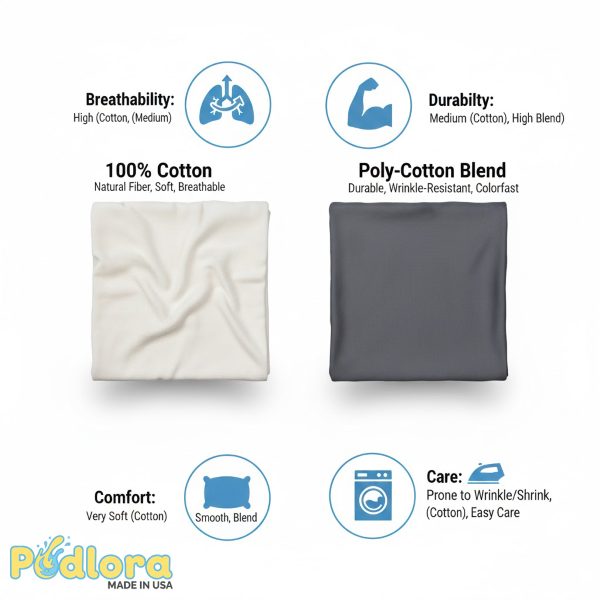
| Feature | Pure Cotton | Poly Cotton Blend |
|---|---|---|
| Breathability | Excellent – Maximum airflow | Good – Reduced compared to cotton |
| Moisture Absorption | Excellent – Absorbs up to 27x its weight | Moderate – Quick-drying properties |
| Softness | Excellent – Gets softer with use | Good – Slightly stiffer feel |
| Durability | Good – Prone to wear over time | Excellent – Highly resistant to wear |
| Wrinkle Resistance | Poor – Wrinkles easily | Excellent – Minimal wrinkling |
| Shrinkage | High – Shrinks 3-5% with washing | Minimal – Maintains size and shape |
| Drying Time | Slow – Retains moisture longer | Fast – Quick-drying properties |
| Color Retention | Moderate – May fade with washing | Excellent – Vibrant, long-lasting colors |
| Skin Sensitivity | Excellent – Hypoallergenic | Moderate – May irritate some users |
| Maintenance | High – Requires careful washing, ironing | Low – Easy care, minimal ironing |
| Environmental Impact | Better – Biodegradable, natural | Lower – Petroleum-based, microplastics |
| Best Uses | Bedding, casual wear, hot weather, sensitive skin | Workwear, uniforms, travel clothing, activewear |
| Price Range | Variable – Can be expensive for premium | Generally affordable – Consistent pricing |
| Heat Retention | Low – Stays cool in warm weather | Moderate – Traps more body heat |
| Stain Resistance | Lower – Absorbs stains more easily | Higher – Resists stains better |
This comprehensive comparison demonstrates that both fabrics serve valuable purposes in modern textile applications, with specific advantages making each suitable for different uses and preferences.

Hi, I’m Emma Sullivan — a Texas-based writer who specializes in product design, e-commerce, and customer experience. With over five years of writing experience, I love turning complex information into clear, helpful content that makes online shopping easier for everyone. Having spent years working in the U.S. print-on-demand and merchandising space, I focus on creating articles that are honest, engaging, and genuinely useful.