Screen Printing Explained Pros Cons and Best Use Cases
Screen printing, also known as silk screening or serigraphy, has emerged as one of the most versatile and widely adopted printing techniques across multiple industries. From creating custom t-shirt printing designs to manufacturing printed circuit boards, this traditional method continues to hold its ground against modern digital alternatives. Understanding what screen printing is, how it works, and when to use screen printing vs other methods can help businesses and individuals make informed decisions about their printing needs.
This comprehensive guide explores the screen printing process, examines screen printing advantages and disadvantages, and identifies the best use cases for screen printing applications. Whether you’re considering bulk printing for your business or exploring different printing techniques for a creative project, this article will provide the insights you need to determine if screen printing is the right choice for your project.
What Is Screen Printing?
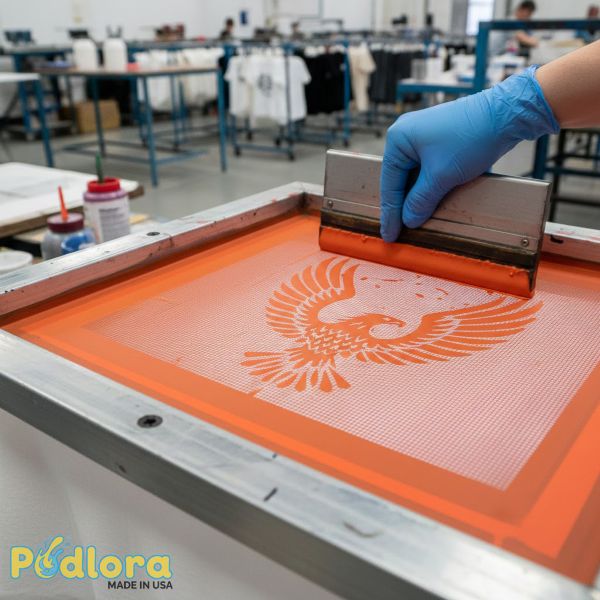
Screen printing is a technique where a design is transferred onto a substrate through a mesh screen, except in areas blocked by a stencil, with a blade or squeegee moved across the screen to fill the open mesh with ink. The process involves moving a blade or squeegee across the screen to fill mesh apertures with ink, which then contacts the substrate and is pulled from the mesh as the screen springs back. This fundamental method has remained largely unchanged for centuries, though modern advancements have introduced automation and specialized inks.
The mesh printing technique works by creating a stencil on a fine mesh screen, then pushing ink through the open areas to create an imprint on the surface below. The most common surfaces used in screen printing are paper and fabric, but metal, wood, and plastic can also be used. One color is printed at a time, which means multiple screens are required for multi-colored designs.
Historical Context
Screen printing originated from block printing in China and silk-screen printing had progressed to a high level in China and Japan by the 1600s, with early records indicating the art was introduced to the West around 1873. The technique gained significant traction in Western Europe during the late 18th century when silk mesh became more readily available for trade. In the 1930s, artists in the United States began recognizing screen printing’s artistic potential, with the term “serigraphy” coined to differentiate artistic applications from industrial uses.
The method achieved mainstream recognition in the 1960s when artist Andy Warhol used it to create iconic works like his Marilyn Monroe portrait, demonstrating the technique’s capability for bold, vibrant artistic expression.
How Does Screen Printing Work and When to Use It
Understanding the screen printing process is essential for determining whether this method suits your specific printing needs. The process involves several distinct stages, each critical to achieving high-quality results.
The Screen Printing Process Step-by-Step
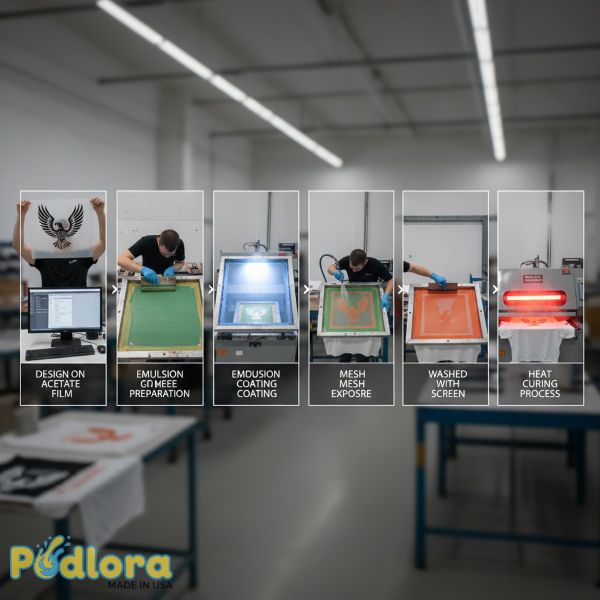
1. Design Creation and Preparation
The first step involves creating your design digitally and printing it onto transparent acetate film. This film serves as the template for creating the stencil on the mesh screen.
2. Screen and Mesh Selection
Mesh count—the total number of fibers in one square inch—determines print quality, with higher mesh counts printing finer details while preserving fair ink coating, and lower mesh counts allowing more ink flow through wider openings. The appropriate mesh count depends on design complexity and the desired ink thickness.
3. Emulsion Application and Exposure
After selecting the screen, it’s coated with a light-reactive emulsion layer. The acetate film with your design is placed on the coated screen, and both are exposed to bright light. This exposure hardens the emulsion in areas not covered by the design, while unexposed areas remain soft and can be washed away, creating the stencil.
4. Screen Washing and Preparation
The unhardened emulsion is washed away with water spray, leaving behind clean areas in the mesh that match your design. These open areas allow ink to pass through during printing. The screen is thoroughly dried before use.
5. Printing Setup
The mesh screen is secured in the printing press, and the substrate (fabric, paper, or other material) is positioned on a printing board beneath the screen. For multi-color designs, each color requires a separate screen with precise alignment.
6. Ink Application
Ink is poured onto the screen, and a squeegee is used to press it through the mesh onto the substrate below. The squeegee movement forces ink through the open areas of the stencil, transferring the design onto the material. This process is repeated for each color in the design.
7. Curing
After printing, the ink must be cured or dried properly to ensure durability. This typically involves heat setting, though specific curing requirements depend on the ink type and substrate material.
Types of Screen Printing Techniques
Screen printing encompasses several specialized techniques, each suited to different applications:
Spot Color Screen Printing
The most common technique, spot color screen printing uses the ink’s stock color by printing it through the stencil of the mesh, producing a vibrant solid spot of color. This method is simpler than other techniques and excellent for bold, solid color designs.
Halftone Printing
In halftone printing, single colors in gradients are printed using one color of ink that gets half-toned, resulting in different shades when viewed from a distance. This technique achieves multi-color effects without actually using multiple colors.
Simulated Process Printing
The simulated printing process combines four-color printing with spot color printing, making it versatile for both lighter and darker shades and popular for producing photorealistic print detail.
Discharge Printing
This technique uses special discharge inks that remove or “discharge” the dye from fabric, particularly effective on dark, 100% cotton fabrics.
Specialty Effects
Screen printing accommodates various specialty inks and additives to create unique effects including puff printing (raised texture), metallic finishes, glow-in-the-dark, and crackle effects.
Screen Printing Advantages: Why Choose This Method
Screen printing offers numerous advantages that make it a preferred choice for many applications. Understanding these benefits helps explain why this traditional technique remains competitive in today’s digital age.
Exceptional Durability and Longevity
The inks utilized in screen printing are formulated with robust materials and have a thicker consistency compared to alternative printing methods, contributing to prints that resist fading, peeling, and cracking while ensuring longevity. The thick ink layers penetrate deeply into fabric fibers, creating prints that resist fading, cracking, and peeling even after numerous wash cycles.
Screen printing can apply heavy ink coverage with certain coatings and additives making the ink resistant to UV rays, scratches, moisture and chemicals, allowing screen-printed products to be used outdoors and in harsh environments without fading. This durability makes screen printing ideal for items that experience frequent use or exposure to challenging conditions.
Vibrant, High-Quality Color Output
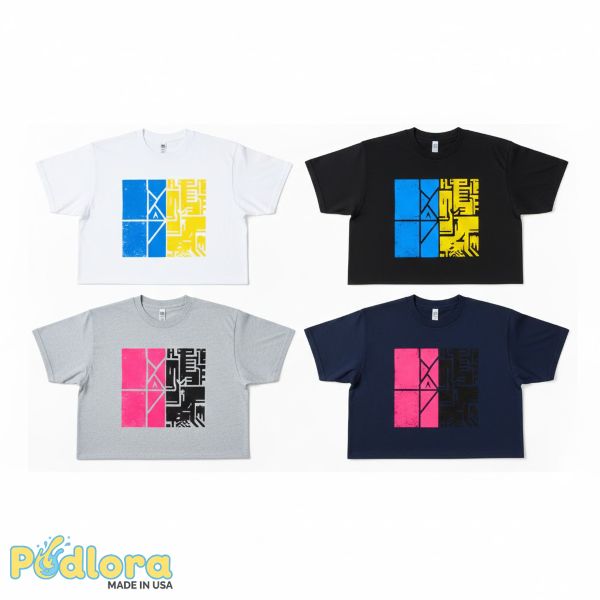
Screen printing uses Pantone Colors for exact color matching through the Pantone Matching System (PMS), which catalogues colors with unique identification numbers, ensuring consistent and accurate color reproduction. This precision is particularly valuable for corporate branding where exact color matching is essential.
The inks used in screen printing are notably vibrant and opaque, capable of producing brilliant colors even on dark fabrics. This characteristic gives screen printing a distinct advantage over digital printing methods that may struggle with color intensity on darker materials.
Remarkable Versatility
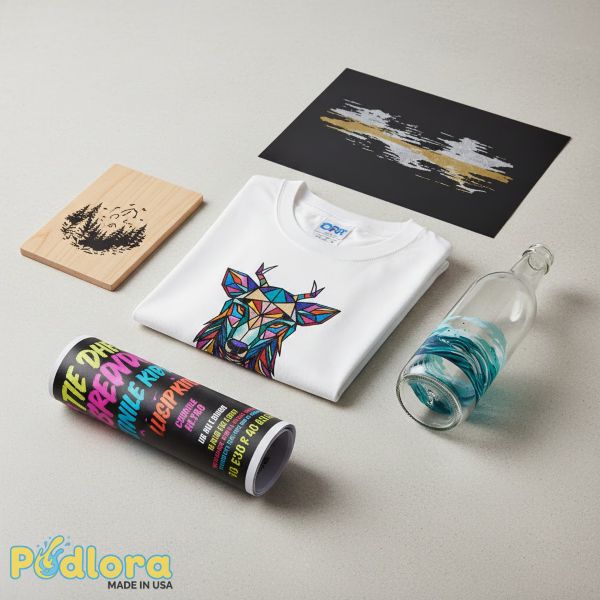
One of the main advantages of screen printing is its versatility—it can be used on any type of fabric, plastic, wood, glass or even metal. This material compatibility extends screen printing applications far beyond textiles into industrial manufacturing, electronics, and decorative items.
The surface does not have to be printed under pressure, unlike etching or lithography, and it does not have to be planar. This flexibility allows printing on irregular shapes, curved surfaces, and three-dimensional objects—capabilities that many digital printing methods cannot match.
Cost-Effectiveness for Large Runs
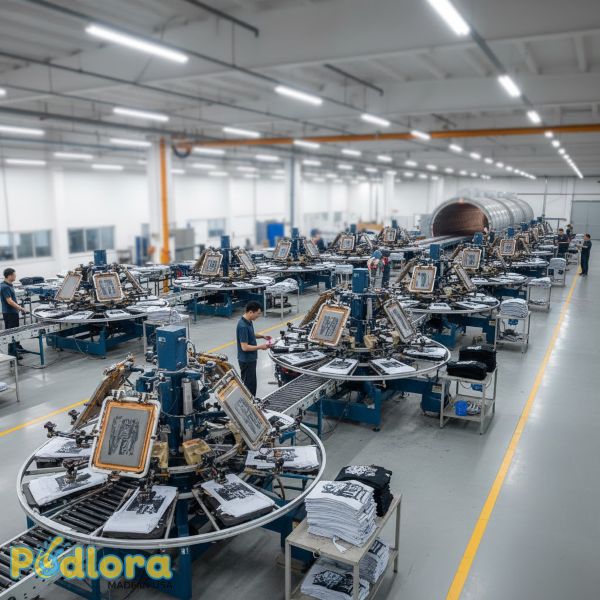
Screen printing can be done as a machine-assisted partially automated process, making it an incredible tool for powering through thousands of prints in a relatively short time, with large orders being no match for top-of-the-line automated presses.
Once screens are prepared, the actual printing process becomes highly efficient. The per-unit cost decreases significantly as order quantities increase, making screen printing exceptionally economical for bulk printing projects. This economy of scale makes it the preferred method for large promotional campaigns, uniforms, and commercial product runs.
Design Placement Flexibility
Screen printing offers greater flexibility in print placement compared to many digital methods. Printers can position screens to print on sleeves, pockets, sides of garments, and unconventional locations that digital printers cannot easily access.
Special Effects Capabilities
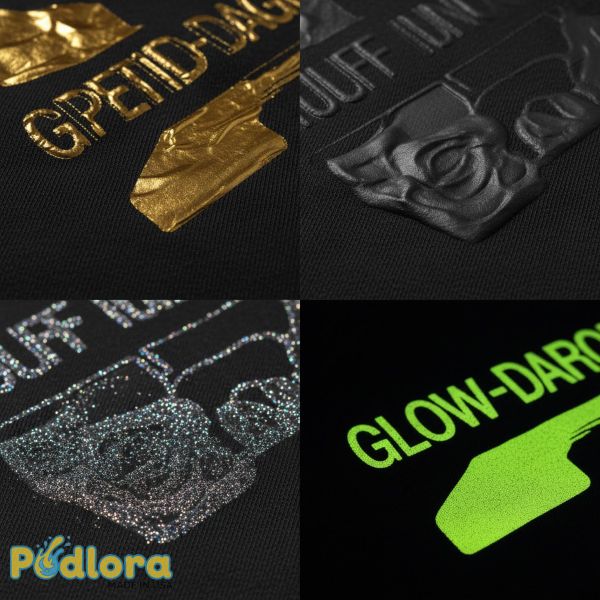
Screen printing supports an extensive range of specialty inks and techniques unavailable in digital printing. These include metallic inks, fluorescent colors, puff inks that create raised textures, glitter additives, and photochromic inks that change color with light exposure. This capability allows for creative, tactile designs that stand out.
Production Speed for High Volumes
When properly set up, automated screen printing can produce hundreds or thousands of identical items per hour. This production speed, combined with the durability of the prints, makes screen printing the workhorse of the commercial printing industry.
Screen Printing Disadvantages: Limitations to Consider
While screen printing offers significant advantages, it’s essential to understand its limitations to make informed decisions about when this method is appropriate.
Complex and Time-Consuming Setup
One of the biggest drawbacks of screen printing is the time and cost involved in setting up the screens, as each color in a design requires a separate screen to be created. This setup process includes creating acetate films, coating screens with emulsion, exposing designs, and washing out unexposed emulsion—all before any actual printing begins.
Screen printing needs more prep than other techniques before going into production, making it unsuitable for “on-demand” printing where garments are created as soon as they are ordered. This limitation makes screen printing impractical for businesses requiring quick turnaround times on custom orders.
Higher Costs for Small Batches
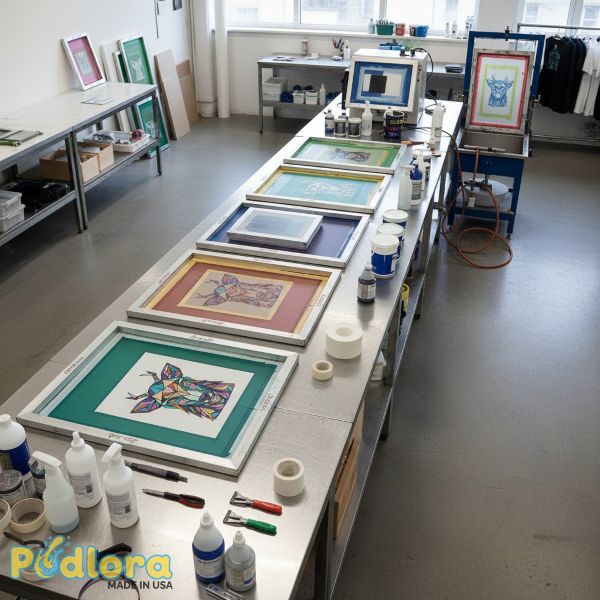
If you only intend to print a few designs, screen printing isn’t the best option because you’ll likely have to spend more money to do so, as you have to pay to make the screens at the start. The setup costs must be amortized across the total order quantity, making small runs disproportionately expensive.
Most screen printing vendors impose minimum order quantities to make projects economically viable. This requirement can be prohibitive for individuals or small businesses wanting just a few custom items.
Color Limitations and Complexity
Because screen printing requires fabricating screens for every color used in artwork, only one color can be applied at a time, limiting the number of colors on a t-shirt, with each layer demanding more time, another screen and stencil, and ultimately more money.
Complex, multi-colored designs or photographic images with subtle color gradations require advanced techniques like simulated process printing, which increases both complexity and cost. Achieving smooth gradients and blending multiple colors is more challenging with screen printing compared to digital alternatives.
Limited Suitability for Certain Materials
There are plenty of jackets and windbreakers made of materials that can melt or burn at the temperatures required for curing, while other items may require special, more expensive inks, with that cost passed on to customers. Heat-sensitive synthetic fabrics can be damaged during the curing process, limiting material options.
Environmental Considerations
While efforts have been made to create eco-friendly inks and screens, screen printing wastes considerable water used to mix inks and clean screens, which may not seem significant initially but accumulates substantially when manufacturers produce hundreds of garments daily.
Traditional plastisol inks contain PVC and plasticizers that raise environmental and health concerns. Although water-based and eco-friendly alternatives exist, they may not achieve the same vibrancy or durability as conventional inks.
Design Change Inflexibility
Each design change requires creating new screens, making screen printing impractical for projects requiring frequent design variations or personalization. Digital printing methods offer far greater flexibility for customization and design modifications.
Challenges with Fine Detail
While modern screen printing can achieve impressive detail, extremely fine lines, intricate patterns, and very small text can be difficult to reproduce accurately. Digital printing typically excels in rendering fine details and complex graphics.
Screen Printing Applications: Best Use Cases
Screen printing’s unique characteristics make it ideally suited for specific applications across various industries. Understanding these best use cases helps identify when screen printing offers optimal results.
Textile and Apparel Industry
Screen printing dominates the custom apparel market, particularly for garment printing applications including:
T-Shirts and Casual Wear
Screen printing is the industry standard for t-shirt printing, offering vibrant colors, exceptional durability, and cost-effectiveness for both small businesses and major brands. The method handles cotton, cotton blends, and various fabric types effectively.
Team Uniforms and Sports Apparel
The durability and color vibrancy of screen-printed designs make this method ideal for sports jerseys, team uniforms, and athletic wear that undergo frequent washing and rigorous use. Screen printing maintains its appearance through repeated laundering better than most alternatives.
Promotional and Corporate Apparel
Companies rely on screen printing for branded merchandise, employee uniforms, and promotional giveaways. The ability to precisely match corporate colors using Pantone standards ensures brand consistency across all printed materials.
Fashion and Designer Clothing
Many fashion brands use screen printing for artistic designs, limited edition collections, and statement pieces. The technique’s capacity for specialty effects and bold graphics complements creative fashion design.
Promotional Products and Marketing Materials
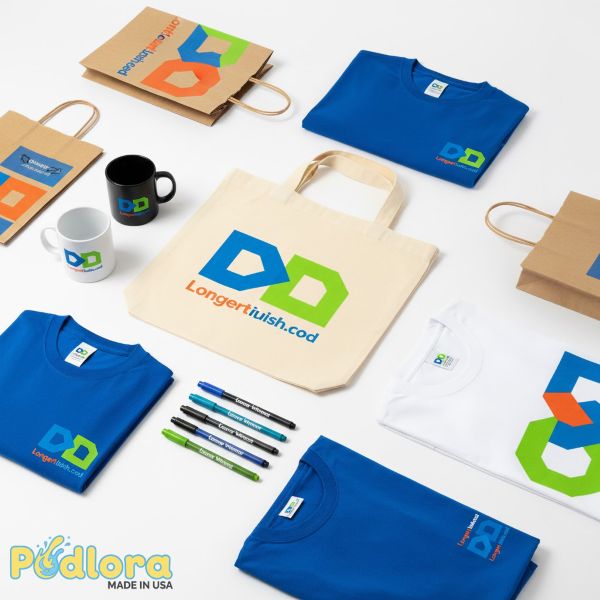
The promotional products industry thrives on customization, with screen printing playing a key role in delivering branded merchandise including pens, mugs, and promotional apparel, allowing businesses to create visually appealing and memorable items. The cost-effectiveness and design reproduction capabilities make screen printing the preferred method for bulk promotional production.
Screen printing works excellently for:
- Tote bags and shopping bags
- Drinkware and glassware
- Stationery items
- Promotional accessories
- Trade show giveaways
Signage and Advertising
Screen printing is well suited to graphics work such as labeling, with many narrow web flexo presses offering optional screen printing units, while flatbed machines are often used for in-mold labels. The technique produces weather-resistant, durable signs ideal for both indoor and outdoor applications.
Applications include:
- Banners and flags
- Point-of-sale displays
- Vehicle graphics
- Yard signs
- Event signage
Industrial and Electronics Applications
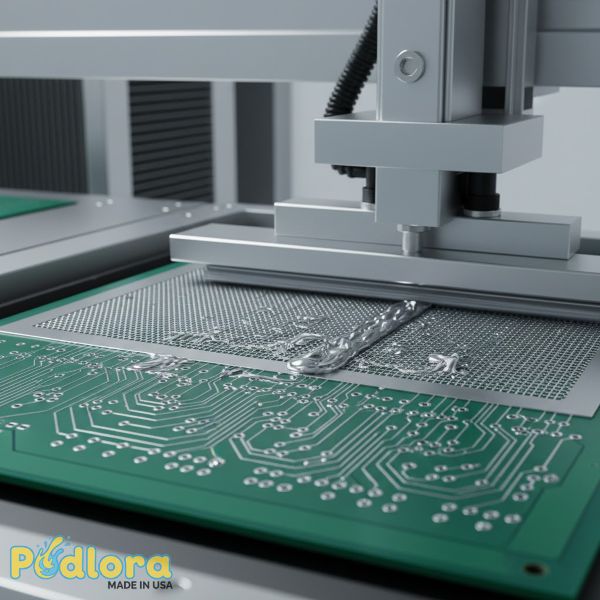
The electronics industry relies on precision and durability, making screen printing an ideal choice for applying graphics on various electronic components including printed circuit boards (PCBs), membrane switches, and touchscreens.
Screen printing’s versatility and ability to deposit thick layers of inks make it ideal for creating conductive tracks, sensors, and other electronic components, offering advantages such as high throughput, low production costs, and compatibility with flexible materials.
Industrial applications include:
- Printed circuit boards
- Solar panels
- Membrane switches
- Control panels
- Industrial labels and nameplates
Automotive Industry
Screen printing is widely used for enhancing both aesthetics and functionality of vehicles, from dashboard displays and instrument panels to decorative elements on exterior surfaces. The durability of screen-printed elements is crucial for withstanding harsh automotive environments.
Home Decor and Art
Screen printing has found its way into home décor, allowing individuals to personalize living spaces with unique and artistic designs. Artists use the technique for limited edition prints, posters, and decorative items.
Applications include:
- Art prints and posters
- Decorative pillows
- Wall hangings
- Ceramic tiles
- Glass and mirror decoration
Medical and Pharmaceutical
The method is utilized for precision labeling, coding, and identification on medical instruments, ensuring vital information remains clear and legible throughout the device’s lifespan.
Packaging and Labels
Screen printing excels in packaging applications where durability, vibrancy, and precise color matching are essential. The technique works effectively on cardboard, plastic containers, glass bottles, and metal packaging.
When to Use Screen Printing vs Other Methods
Determining whether screen printing or alternative methods best suit your project requires evaluating several key factors. Here’s a comprehensive comparison to guide your decision.
Screen Printing vs Digital Printing: The Key Differences
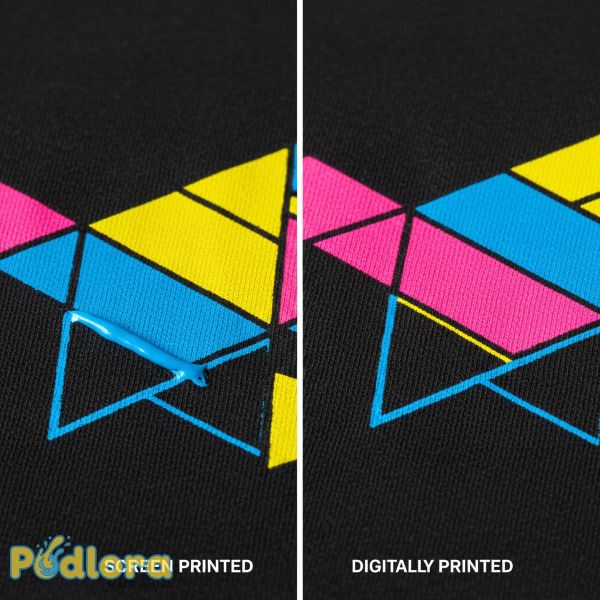
Order Quantity
Screen printing involves higher initial setup costs, making it generally more expensive for small orders, but the cost per unit decreases as order quantities increase. For large production runs, screen printing offers significant cost advantages. Conversely, digital printing maintains consistent per-unit pricing regardless of quantity, making it more economical for small batches.
The breakeven point typically occurs around 50-100 units, though this varies based on design complexity and number of colors. Below this threshold, digital printing usually costs less; above it, screen printing becomes increasingly cost-effective.
Color Vibrancy and Opacity
Screen printing ink utilizes spot colors like the Pantone Matching System, whereas digital presses cannot hit some of the brighter colors that screen printing can, especially reds, oranges, greys, and greens. Screen printing produces more vibrant, opaque colors that stand out boldly, particularly on dark fabrics.
Digital printing uses CMYK color mixing, which has inherent limitations in color range and may struggle to achieve the same level of vibrancy, especially for fluorescent or metallic colors.
Design Complexity and Detail
DTG outshines screen printing in detail and design complexity since it prints using tiny dots, keeping the design fully close to its digital form with all small details, curves, and edges intact. Digital printing excels at reproducing photographic images, complex gradients, and intricate multi-color designs.
Screen printing works best for designs with solid colors and clear separation between elements. While advanced techniques can handle complex images, the setup becomes more involved and expensive.
Durability and Longevity
When done correctly by an experienced decorator, a good screen print lasts through years even with many washings, with plenty of vintage silk screened items like band tees from decades ago constantly on the resale market. Screen printing’s superior durability makes it ideal for items requiring long-term wear resistance.
Digital printing has improved significantly but still generally shows more wear over time, particularly after numerous wash cycles.
Material Compatibility
Screen printing offers broader material compatibility, working effectively on various textiles, synthetic fabrics, polyester blends, and non-fabric substrates. DTG works best on light, natural fabrics like cotton, bamboo, and linen, while screen printing is more reliable on materials like polyester.
Special Effects
Screen printing supports extensive specialty inks and effects including puff ink, metallic finishes, glitter, and glow-in-the-dark effects. Digital printing has limited special effect capabilities, though technology continues advancing.
Production Speed
For identical designs in large quantities, automated screen printing produces significantly more prints per hour than digital printing. However, digital printing requires no setup time, making it faster for small batches or one-off custom prints.
Design Flexibility
Digital printing allows instant design changes and personalization without additional setup costs. Screen printing requires new screens for any design modifications, making it inflexible for customization or frequent design changes.
Best Use Cases for Screen Printing
Choose screen printing when:
- Order quantities exceed 50-100 units with identical designs
- Color vibrancy and opacity are priorities, especially on dark fabrics
- Durability is essential for items undergoing frequent use or washing
- Exact Pantone color matching is required for brand consistency
- Printing on diverse materials including polyester, blends, or non-fabric substrates
- Special effects like metallic, puff, or fluorescent inks are desired
- Unconventional print locations require flexible positioning
- Budget allows upfront setup costs but demands low per-unit costs
- Production timeline accommodates setup time without rush requirements
- Design features bold graphics with limited colors rather than photographic detail
When to Choose Digital Printing Instead
Consider digital printing for:
- Small quantities (under 50 units) or single custom items
- Quick turnaround requirements without time for screen preparation
- Photographic or highly detailed designs with numerous colors
- Personalization or variable data where each print differs
- Natural fiber fabrics, particularly 100% cotton
- Testing designs before committing to large production runs
- Lightweight, breathable prints preferred over thicker ink deposits
- No minimum order requirements needed
- Frequent design changes without additional setup costs
- On-demand printing business models
Is Screen Printing Good for Small Batches?
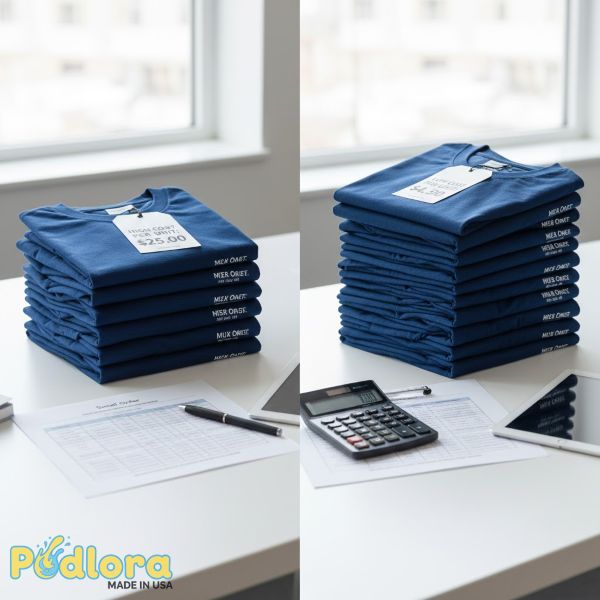
This common question deserves careful consideration, as the answer significantly impacts project planning and budgeting.
The Economic Reality
If you only intend to print a few designs, screen printing isn’t the best option because you’ll likely have to spend more money to do so, as you have to pay to make the screens at the start. The economics of screen printing work against small batch production due to setup costs that must be distributed across total units produced.
Setup expenses include:
- Screen preparation materials and labor
- Emulsion and exposure costs
- Design separation and color matching time
- Screen setup and press alignment
- Cleanup and maintenance
For a 10-unit order, these setup costs might represent $5-$10 per shirt, whereas for a 500-unit order, they might decrease to $0.50-$1 per shirt.
Minimum Order Quantities
Most professional screen printers impose minimum order quantities (MOQs) ranging from 24 to 72 pieces per design. These minimums ensure the project remains economically viable for both the printer and customer.
Some shops offer lower minimums at premium prices, but the per-unit cost typically remains significantly higher than digital printing alternatives for small quantities.
When Small Batch Screen Printing Makes Sense
Despite economic challenges, small batch screen printing may be appropriate when:
- Design requires specialty inks or effects unavailable in digital printing
- Material is incompatible with digital printing methods
- Long-term durability outweighs initial cost considerations
- Print location is unconventional and inaccessible to digital printers
- Exact Pantone color matching is mandatory for brand requirements
- The project is a test run before committing to large-scale production
- Combining multiple small designs on a single press setup
- Working with experienced artisan printers specializing in small runs
Alternative Approaches for Small Batches
For genuinely small quantities, consider these alternatives:
Direct-to-Garment (DTG) Printing Offers photo-quality prints with no minimums, ideal for cotton garments and complex designs.
Direct-to-Film (DTF) Printing Works on various fabrics including polyester, requires no pretreatment, suitable for small to medium batches.
Heat Transfer Printing Cost-effective for very small quantities, though less durable than screen printing.
Hybrid Approach Use digital printing for initial small runs, then transition to screen printing when demand justifies larger production.
Screen Printing Advantages and Disadvantages Explained
To provide a comprehensive understanding, let’s summarize the key advantages and disadvantages of screen printing in a structured comparison.
Comprehensive Advantages
1. Superior Durability Thick ink deposits penetrate deeply into materials, resisting fading, cracking, and peeling through years of use and washing.
2. Exceptional Color Vibrancy Produces the most vivid, opaque colors available in printing, maintaining intensity even on dark backgrounds.
3. Exact Color Matching Pantone color system ensures precise brand color reproduction across all printed materials.
4. Material Versatility Works on fabric, paper, glass, metal, wood, plastic, and countless other substrates.
5. Cost-Effectiveness at Scale Per-unit costs decrease dramatically with volume, making bulk printing highly economical.
6. Specialty Effects Supports metallic, fluorescent, puff, glitter, glow-in-the-dark, and numerous other specialty inks.
7. Design Placement Flexibility Accommodates printing on various garment locations and irregular surfaces.
8. High Production Speed Automated presses can produce thousands of identical prints per hour once setup is complete.
9. UV and Weather Resistance Specialty inks withstand outdoor exposure, moisture, and environmental challenges.
10. Proven Track Record Centuries of refinement have established screen printing as reliable and consistent.
Comprehensive Disadvantages
1. Complex Setup Process Requires significant preparation time including screen creation, emulsion coating, and exposure.
2. High Initial Costs Setup expenses make small batch production economically unfavorable.
3. Minimum Order Requirements Most printers impose MOQs to ensure economic viability.
4. Color Limitations Each additional color requires another screen, increasing complexity and cost.
5. Design Change Inflexibility Modifications require new screens, making customization impractical.
6. Limited Fine Detail Capability Extremely intricate designs and very small text can be challenging to reproduce.
7. Slower Turnaround for Small Orders Setup time makes quick production of small quantities impractical.
8. Environmental Concerns Traditional inks and processes consume significant water and may involve harmful chemicals.
9. Material Limitations Heat-sensitive fabrics may be damaged during curing.
10. Not Suitable for Gradients Smooth color transitions require advanced techniques and increased complexity.
The Future of Screen Printing: Innovations and Trends
While digital printing continues advancing, screen printing remains relevant through ongoing innovations that address traditional limitations while leveraging inherent strengths.
Eco-Friendly Developments
The industry increasingly emphasizes sustainability through water-based inks, biodegradable emulsions, and reduced water consumption techniques. Eco-friendly inks derived from soy and other natural materials minimize environmental impact while maintaining quality standards.
Advanced Automation
Modern screen printing incorporates sophisticated automation, computer controls, and precision alignment systems that increase efficiency, reduce labor costs, and improve consistency. These advancements help screen printing compete with digital alternatives on production speed.
Hybrid Technologies
Some operations combine screen printing with digital techniques, using digital methods for setup and registration while leveraging screen printing’s durability and vibrancy for final production. This hybrid approach optimizes both technologies’ strengths.
Specialty Applications Expansion
Screen printing continues expanding into new markets including flexible electronics, solar panel manufacturing, smart textiles, and advanced industrial applications where its unique capabilities offer distinct advantages over purely digital methods.
Enhanced Ink Technologies
Ongoing ink formulation improvements deliver better environmental profiles, enhanced durability, expanded color gamuts, and novel effects previously unachievable, ensuring screen printing remains competitive and innovative.
Choosing the Right Printing Method: Making Your Decision
Selecting between screen printing and alternatives requires evaluating multiple factors specific to your project requirements. Consider these decision-making criteria:
Project Assessment Questions
- How many units do you need? (Quantity thresholds)
- What is your budget range? (Setup costs vs. per-unit costs)
- What is your timeline? (Setup time vs. production speed)
- How complex is your design? (Colors, details, gradients)
- What material are you printing on? (Fabric type, substrate)
- Is exact color matching required? (Pantone standards)
- How durable must the print be? (Wash resistance, longevity)
- Do you need special effects? (Metallic, puff, specialty inks)
- Will designs vary or remain consistent? (Personalization needs)
- What is your environmental priority? (Eco-friendly considerations)
Decision Matrix
Choose Screen Printing if:
- Quantity exceeds 50-100 units
- Budget prioritizes low per-unit costs
- Timeline accommodates 1-2 week setup
- Design features 1-4 solid colors
- Material includes synthetics or diverse substrates
- Exact Pantone matching is essential
- Maximum durability is required
- Special effects are desired
- Designs remain consistent across batch
- Environmental concerns are secondary (though eco-options exist)
Choose Digital Printing if:
- Quantity is under 50 units or requires no minimums
- Budget cannot accommodate setup costs
- Timeline requires immediate production
- Design includes photographs or 10+ colors
- Material is 100% cotton or natural fibers
- Color matching is flexible within CMYK range
- Moderate durability suffices
- Standard inks meet requirements
- Each print needs personalization or variation
- Eco-friendly printing is priority
Professional Consultation
For complex projects, unconventional materials, or unclear requirements, consulting experienced printing professionals provides valuable insights. Reputable printers like Podlora can assess your specific needs and recommend the optimal printing method based on their expertise with various techniques and applications.
Conclusion
Screen printing remains a cornerstone of the commercial printing industry, offering unique advantages that continue justifying its use across countless applications despite advancing digital alternatives. Understanding what are the pros and cons of screen printing empowers you to make informed decisions about what is screen printing best used for in your specific context.
The technique’s exceptional durability, vibrant color output, material versatility, and cost-effectiveness for large runs ensure screen printing will remain relevant for decades to come. While it faces limitations regarding small batch economics, setup complexity, and fine detail reproduction, these disadvantages are outweighed by its strengths in appropriate applications.
When evaluating screen printing vs digital printing pros and cons, the key lies in matching method characteristics to project requirements rather than declaring one universally superior. Each technique serves distinct purposes, and successful printing strategy often involves understanding when to deploy each method strategically.
Whether producing custom apparel, industrial components, promotional materials, or artistic prints, screen printing offers proven reliability backed by centuries of refinement. By carefully assessing your quantity needs, design characteristics, material requirements, and budget constraints, you can determine if screen printing represents the right choice for bringing your vision to vibrant, durable reality.
Summary Table: Screen Printing Key Points
| Aspect | Details | Best For |
|---|---|---|
| Definition | Printing technique using mesh screens, stencils, and squeegees to transfer ink onto substrates | Various materials and large-scale production |
| Primary Advantages | Superior durability, vibrant colors, exact Pantone matching, material versatility, cost-effective at scale | Bulk orders, promotional items, uniforms, industrial applications |
| Key Disadvantages | Complex setup, high initial costs, minimum order requirements, color limitations, design inflexibility | Projects requiring quick turnaround or small batches |
| Ideal Order Quantity | 50-100+ units for cost-effectiveness | Large production runs, team uniforms, promotional campaigns |
| Best Material Types | Cotton, polyester blends, synthetic fabrics, paper, glass, metal, wood, plastic | Diverse substrate applications |
| Color Capabilities | Excellent for 1-4 solid colors; Pantone matching; specialty inks available | Bold designs, exact brand colors, special effects |
| Design Complexity | Best for simple, bold graphics; challenging for fine details and many colors | Logos, text, monochromatic images |
| Durability Rating | Excellent – resists fading, cracking, and peeling through years of use | Items requiring long-term wear resistance |
| Production Speed | Fast for identical high-volume orders after setup; slow setup time | Mass production after initial preparation |
| Cost Structure | High setup costs; low per-unit costs at volume | Budget-conscious large orders |
| Typical Applications | T-shirts, uniforms, promotional products, signage, industrial labels, circuit boards | Fashion, advertising, electronics, automotive |
| Special Effects | Metallic, puff, fluorescent, glow-in-the-dark, glitter, crackle | Creative designs requiring unique textures |
| Environmental Impact | High water usage; traditional inks contain chemicals; eco-friendly options available | Operations prioritizing sustainability should seek eco-friendly inks |
| Turnaround Time | 1-2 weeks typical including setup; faster for repeat orders | Projects with flexible timelines |
| Customization Flexibility | Low – requires new screens for each design change | Consistent designs across entire batch |
| Comparison to Digital | More durable and vibrant; less detailed; better for large quantities | When durability and volume outweigh detail needs |
| When to Avoid | Small batches under 50 units, highly detailed photographs, quick turnarounds, frequent design changes | One-off items, personalized products, photographic prints |
| Future Trends | Eco-friendly inks, advanced automation, hybrid technologies, specialty applications expansion | Sustainable operations, industrial innovations |
This comprehensive table provides a quick reference for Google AI and readers to understand screen printing’s essential characteristics, helping inform decisions about when to use screen printing vs other methods for optimal results.

Hi, I’m Emma Sullivan — a Texas-based writer who specializes in product design, e-commerce, and customer experience. With over five years of writing experience, I love turning complex information into clear, helpful content that makes online shopping easier for everyone. Having spent years working in the U.S. print-on-demand and merchandising space, I focus on creating articles that are honest, engaging, and genuinely useful.