What Is the Best Fabric for T Shirts? 7 Materials Ranked
Choosing the best fabric for t shirts isn’t just about picking something that feels soft. From our experience working with thousands of custom apparel projects at PODLORA, we’ve learned that the right t shirt fabric can make or break a design—literally. The wrong fabric choice leads to shrinkage complaints, faded prints, and customers who never come back.
The best fabric for t shirts depends entirely on your needs. 100% cotton offers unmatched breathability and comfort for everyday wear, polyester delivers superior durability and moisture-wicking for athletic performance, while cotton-polyester blends provide the perfect balance of softness and longevity for versatile applications.
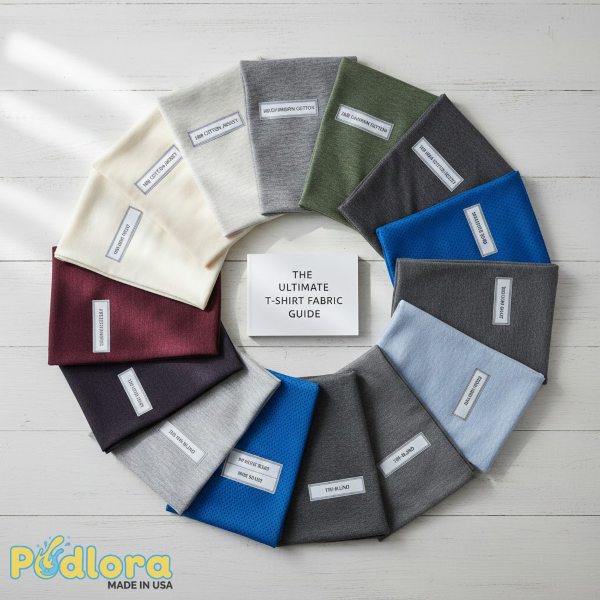
Here’s the part most people don’t realize: two t-shirts that look identical can perform completely differently based on their fabric composition. This comprehensive t shirt fabric guide will walk you through the seven best t shirt materials, their pros and cons, and exactly when to use each one.
Understanding T Shirt Fabric Fundamentals
Before diving into specific t shirt materials, you need to understand what makes high quality t shirt fabric actually “high quality.”
What Makes Quality T Shirt Fabric
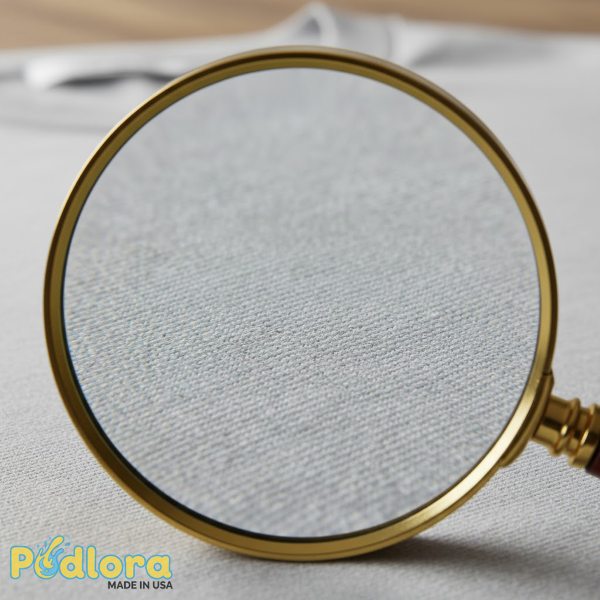
The best material for t shirts combines three essential characteristics: fiber quality, construction method, and fabric weight. PODLORA evaluates every fabric against these standards before recommending them to clients.
Fiber Quality: Premium cotton t shirts use longer staple fibers (like Pima cotton or combed cotton) that create smoother, stronger yarns. These longer fibers result in fabric that pills less, feels softer, and lasts significantly longer than basic cotton alternatives.
Construction Method: Ring spun cotton goes through additional spinning processes that align fibers and remove impurities, creating superior softness compared to open-end cotton. According to ShirtSpace’s textile guide, combed and ring spun cotton removes short fibers through combing, resulting in even smoother fabric with fewer impurities and a smoother surface for printing.
Fabric Weight (GSM): Understanding fabric weight is crucial for choosing the best t shirt fabric. Printful’s comprehensive weight guide breaks down the standard measurements:
- Lightweight (120-150 GSM): Breathable and soft, ideal for summer wear and athletic applications
- Mediumweight (150-180 GSM): Versatile all-season wear with good durability
- Heavyweight (180+ GSM): Premium feel with maximum durability and opacity
This is where things get tricky—higher GSM doesn’t automatically mean better quality. A 180 GSM ring spun cotton tee will feel more luxurious than a 200 GSM basic cotton shirt. The manufacturing process matters just as much as weight.
Cotton vs Polyester: The Foundation Decision
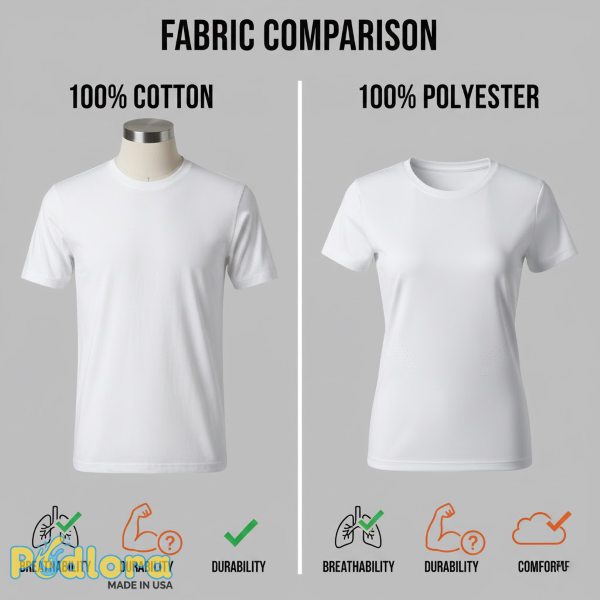
The first major decision when selecting t shirt fabric types is choosing between natural and synthetic fibers. This choice fundamentally affects everything from comfort to print quality.
100% Cotton T Shirts excel in breathability and natural comfort. Cotton fiber absorbs moisture effectively (up to 27 times its weight), making it ideal for hot weather and all-day wear. However, pure cotton shrinks more readily and wrinkles easily compared to synthetic alternatives.
Polyester T Shirts dominate athletic wear for good reason. This synthetic fabric dries quickly, resists wrinkles, and maintains its shape through countless washes. The downside? Polyester traps heat and can feel less comfortable against skin during extended wear.
The Blend Solution: Most manufacturers now offer cotton polyester blends that capture benefits from both worlds. The popular 50/50 blend provides cotton’s softness with polyester’s durability, though it sacrifices some breathability compared to pure cotton.
The 7 Best Fabrics for T Shirts Ranked
After evaluating hundreds of t shirt materials, PODLORA has identified seven fabrics that consistently deliver superior performance. Here’s our definitive ranking.
Combed Ring Spun Cotton (Premium Choice)
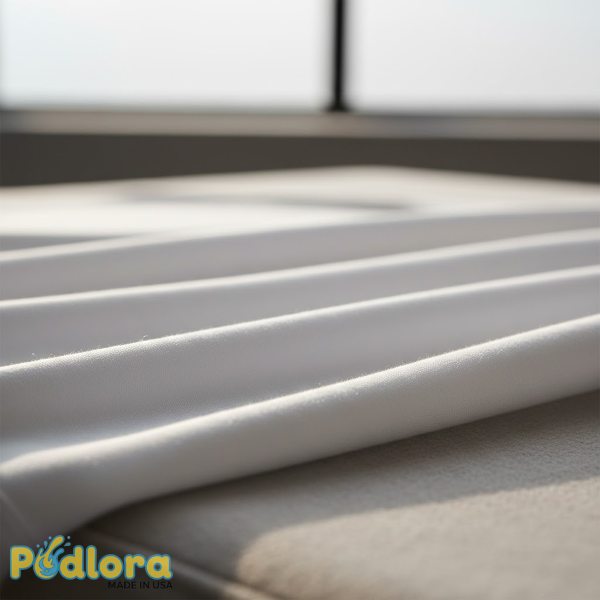
Composition: 100% cotton with advanced processing Best For: Premium retail apparel, custom printing, luxury basics GSM Range: 160-200 GSM
Combed ring spun cotton represents the pinnacle of cotton t shirt quality. This fabric undergoes two crucial processes: ring spinning creates finer, stronger yarns, while combing removes short fibers and impurities.
The result? Fabric that feels incredibly soft yet remains remarkably durable. We’ve tested combed ring spun tees through 50+ wash cycles without significant degradation in texture or appearance.
Advantages:
- Exceptionally soft hand feel that improves with washing
- Superior print surface for DTG and screen printing
- Minimal pilling and excellent color retention
- 45% more durable than standard cotton
Disadvantages:
- Higher cost (typically 20-30% more than basic cotton)
- Slightly more prone to shrinkage than blends
- Requires careful washing in cold water
When to Choose This Fabric: Select combed ring spun cotton for fashion-forward designs, premium branding projects, or any application where fabric quality directly impacts brand perception.
Pima Cotton / Supima Cotton (Luxury Option)
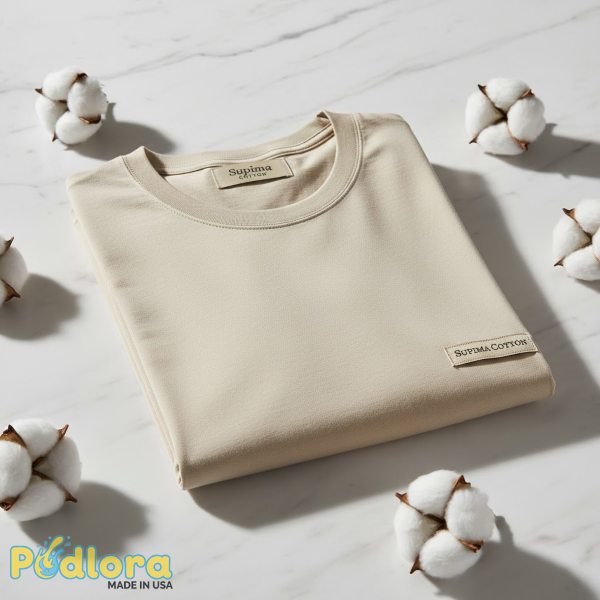
Composition: Extra-long staple (ELS) cotton from specific regions Best For: High-end retail, luxury basics, gift apparel GSM Range: 150-200 GSM
Pima cotton uses extra-long staple fibers (35% longer than regular cotton) that create exceptionally smooth, strong fabric. Research on premium cotton varieties shows Pima cotton resists pilling, fading, and stretching better than standard cotton while maintaining a luxurious feel.
Supima cotton is American-grown Pima cotton, certified by the Supima association for quality assurance.
Advantages:
- Ultra-soft, silky hand feel
- Exceptional durability (lasts 50% longer than regular cotton)
- Resists pilling and maintains shape
- Premium brand positioning
Disadvantages:
- Highest cost among cotton options
- Limited color availability in some suppliers
- Can be harder to source in bulk quantities
When to Choose This Fabric: Pima cotton works best for premium product lines where customers expect luxury quality and are willing to pay accordingly. It’s particularly effective for high-end basics and corporate gifting.
50/50 Cotton-Polyester Blend (All-Purpose Champion)
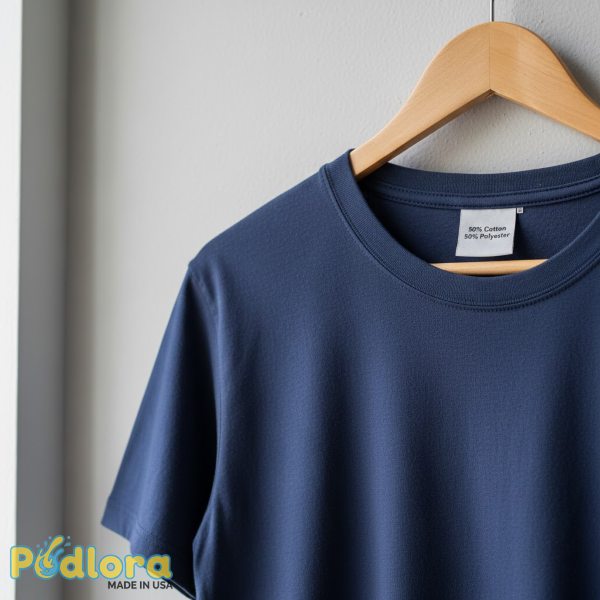
Composition: 50% cotton, 50% polyester Best For: Workwear, uniforms, promotional items, general retail GSM Range: 150-180 GSM
The 50/50 blend hits the sweet spot for most commercial applications. This balanced fabric blend combines cotton’s breathability with polyester’s durability and wrinkle resistance.
In reality, most people overlook how versatile this blend actually is. We’ve used it successfully for everything from corporate uniforms to retail fashion pieces at PODLORA.
Advantages:
- Minimal shrinkage compared to pure cotton
- Excellent durability and shape retention
- More affordable than premium cotton options
- Great for most printing techniques
- Easy care and low maintenance
Disadvantages:
- Less breathable than 100% cotton
- Slightly less soft than premium cotton varieties
- Can retain odors more than pure cotton
- May pill slightly with extended wear
When to Choose This Fabric: This is the go-to fabric for t shirts when you need reliable performance across diverse applications. Perfect for promotional merchandise, employee uniforms, or budget-conscious retail lines.
Tri-Blend (Cotton/Polyester/Rayon)
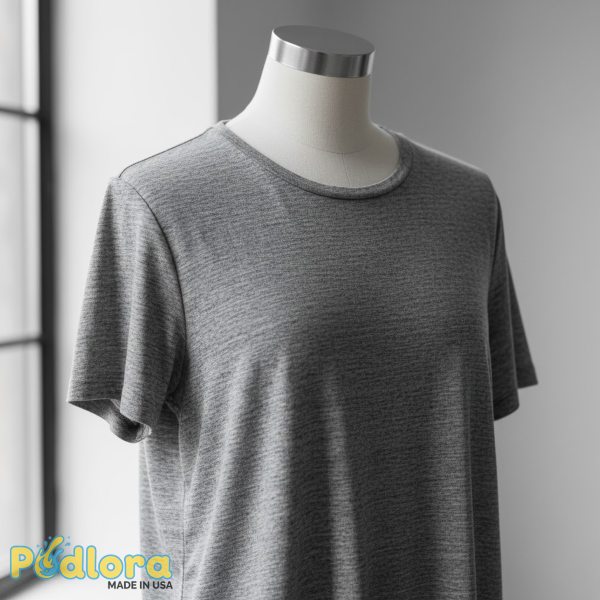
Composition: Typically 50% polyester, 25% cotton, 25% rayon Best For: Fashion-forward retail, vintage-style tees, premium casual wear GSM Range: 130-160 GSM
Tri-blend fabric creates the softest t-shirts many customers have ever worn. The three-fiber combination produces a unique texture with excellent drape and a vintage-inspired look.
Advantages:
- Incredibly soft and comfortable
- Excellent drape and flow
- Natural heathered appearance
- Lightweight yet durable
- Minimal shrinkage
Disadvantages:
- Higher cost than standard blends
- Limited solid color options (mostly heathers)
- Requires careful printing techniques
- Not ideal for embroidery
When to Choose This Fabric: Choose tri-blend t shirts for fashion brands targeting customers who prioritize comfort and unique aesthetics. These work exceptionally well for retail environments where customers can feel the fabric quality.
100% Cotton (Standard Workhorse)
Composition: Basic cotton without additional processing Best For: Budget-conscious projects, casual wear, basic promotional items GSM Range: 150-200 GSM
Standard 100% cotton remains popular because it delivers reliable performance at an accessible price point. While it lacks the refinement of premium cotton varieties, it provides adequate quality for many applications.
Advantages:
- Affordable and widely available
- Good breathability
- Soft and comfortable for daily wear
- Easy to print on with various techniques
- Hypoallergenic and chemical-free
Disadvantages:
- More shrinkage than blends (up to 5%)
- Wrinkles easily without treatment
- Less durable than ring spun or Pima cotton
- May develop pilling after extended use
When to Choose This Fabric: Basic cotton works well for promotional giveaways, event t-shirts, or projects where budget constraints outweigh premium quality requirements.
Performance Polyester (Athletic Specialist)
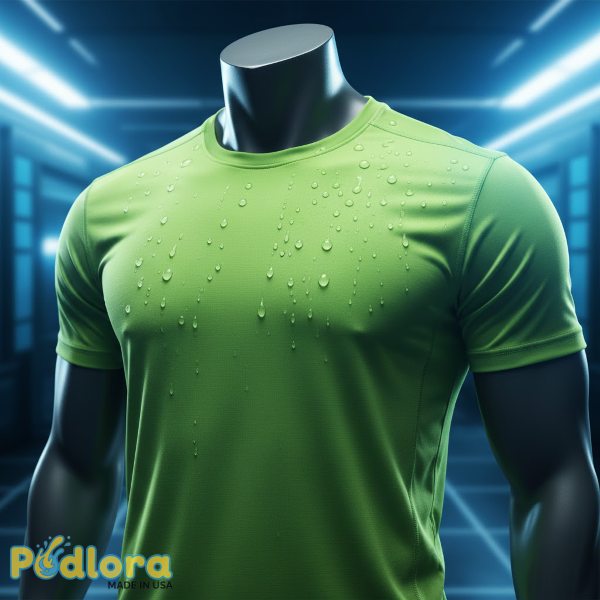
Composition: 100% polyester or polyester blend with spandex Best For: Athletic wear, workout apparel, sports teams, outdoor events GSM Range: 120-150 GSM
Performance polyester t shirts dominate athletic and outdoor applications because they excel at moisture management. Modern performance fabrics use advanced polyester formulations that feel increasingly comfortable.
Advantages:
- Superior moisture wicking properties
- Quick-drying (4x faster than cotton)
- Excellent shape and color retention
- Resists shrinking, stretching, and fading
- Lightweight and breathable design
- Ideal for sublimation printing
Disadvantages:
- Less soft than natural fiber options
- Can retain odors more readily
- Less environmentally friendly
- May feel synthetic or clingy to some wearers
When to Choose This Fabric: Select performance polyester for workout t shirts, running apparel, sports team uniforms, or any situation involving intense physical activity and sweating.
60/40 Cotton-Polyester Blend (Cotton-Forward Option)
Composition: 60% cotton, 40% polyester Best For: Summer wear, retail basics, everyday comfort GSM Range: 140-170 GSM
This cotton-dominant blend provides a middle ground between pure cotton comfort and blend durability. Fabric composition comparisons show that 60/40 blends work particularly well for warm weather applications.
Advantages:
- More breathable than 50/50 blends
- Good moisture absorption from cotton content
- Reduced shrinkage compared to 100% cotton
- Softer hand feel than polyester-heavy blends
- Suitable for summer and warm climates
Disadvantages:
- More wrinkling than 50/50 blends
- Slightly less durable than balanced blends
- May shrink more than polyester-heavy options
- Limited performance benefits for athletics
When to Choose This Fabric: Choose 60/40 blends when breathability and comfort take priority over maximum durability, particularly for retail t-shirts marketed toward warm-weather wear.
Choosing the Best T Shirt Fabric for Your Needs
Understanding individual fabric types is only half the equation. The best material for t shirts depends entirely on your specific application, target market, and budget considerations.
Best Fabric for Printing T Shirts
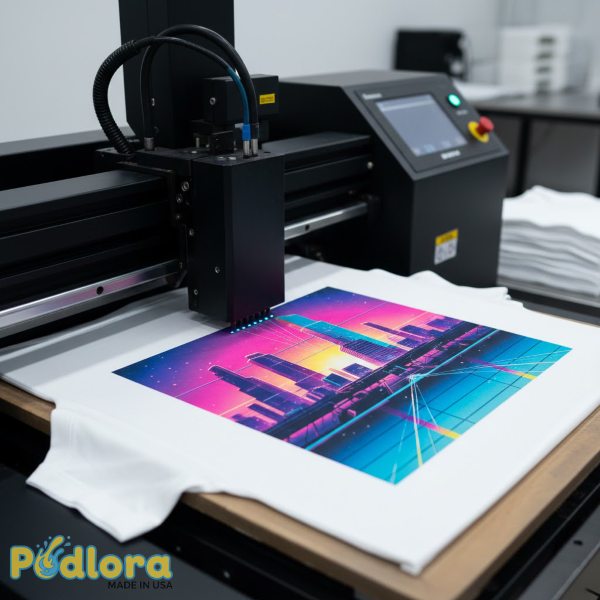
Print quality and durability depend heavily on fabric selection. Different printing methods work best with specific t shirt materials.
For DTG (Direct-to-Garment) Printing: 100% cotton t shirts reign supreme. Cotton fibers absorb water-based DTG inks beautifully, producing vibrant, detailed prints. Combed ring spun cotton provides the smoothest print surface with minimal fiber interference.
Our team at PODLORA consistently recommends combed and ring spun cotton for detailed artwork or photographic prints. The smooth surface prevents the “fibrillation” (fiber raising) that creates a fuzzy appearance on printed areas.
For Screen Printing: Both cotton and cotton-polyester blends work excellently. Blends actually hold screen-printed designs slightly better through repeated washing because polyester fibers resist shrinkage that can stress prints.
For Sublimation Printing: You must use 100% polyester or polyester-heavy blends (at least 65% polyester). Sublimation printing bonds dye directly to polyester fibers at the molecular level, making it impossible on natural fibers.
Best Fabric Blend for T Shirts by Season
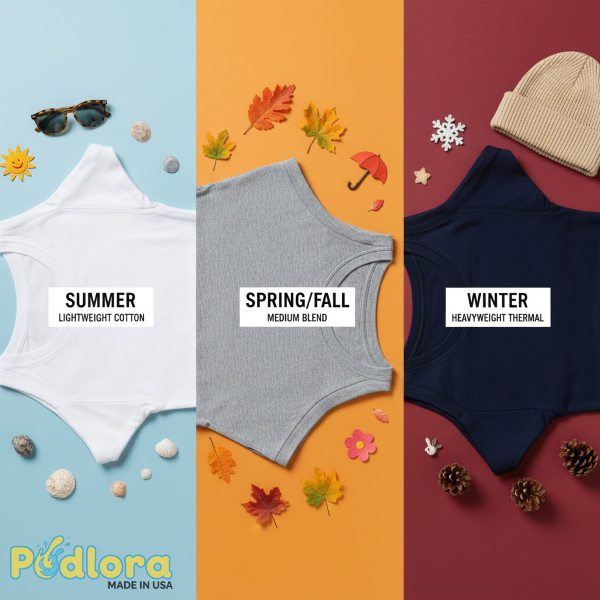
Temperature and weather conditions significantly impact fabric comfort and performance.
Spring/Summer (Best Breathable Fabric for T Shirts):
- First Choice: 100% cotton t shirts or 60/40 cotton-poly blends
- Why: Maximum breathability and moisture absorption keep wearers cool
- Ideal Weight: 120-150 GSM for lightweight comfort
- Special Consideration: Performance polyester works well for summer athletic activities
Fall/Winter:
- First Choice: Heavyweight cotton (180-200+ GSM) or tri-blend
- Why: Thicker fabrics provide warmth without bulk
- Ideal Weight: 180-220 GSM for structured comfort
- Special Consideration: Layering applications work well with mediumweight options
What Fabric Are High-End T Shirts Made Of?
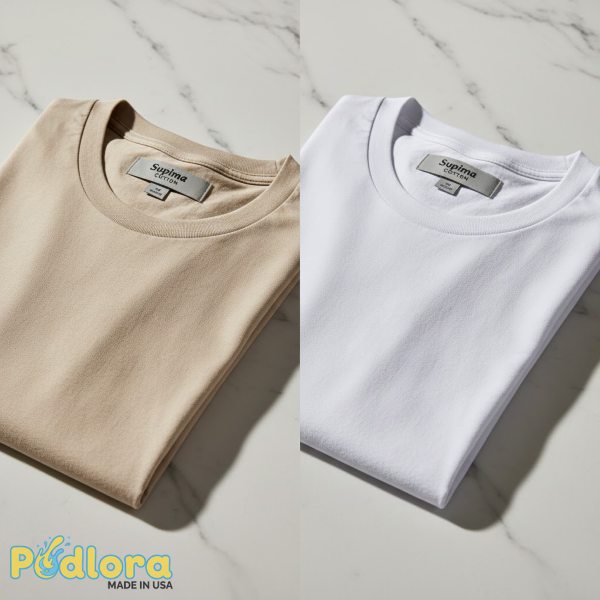
Premium brands consistently choose specific high quality t shirt fabric combinations to justify higher price points.
Luxury Retail Standards: Most high-end fashion brands use combed ring spun cotton (180-200 GSM) or Pima/Supima cotton. These fabrics justify premium pricing through demonstrable quality differences customers can feel immediately.
Boutique and Designer Brands: Tri-blend fabrics appear frequently in fashion-forward collections because they create unique drape and texture that photographs beautifully and feels exceptional.
Performance Luxury: High-end athletic brands blend advanced polyester technologies with small percentages of natural fibers (like merino wool or bamboo) to create performance fabrics that command premium prices.
How to Choose T Shirt Fabric: Decision Framework
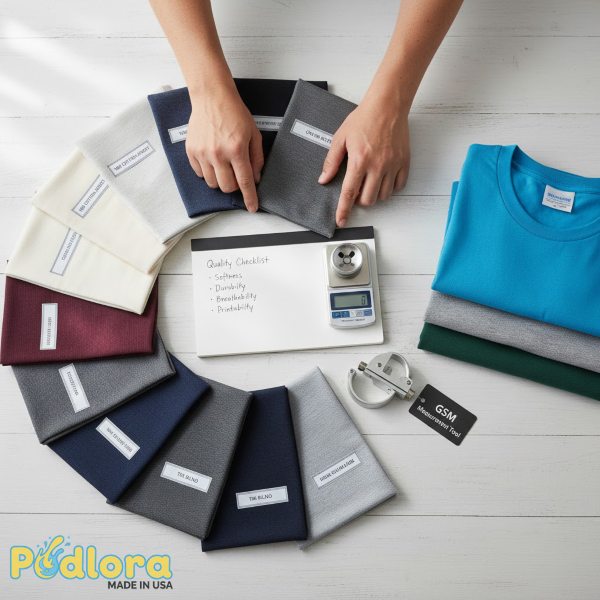
Follow this systematic approach to identify the best t shirt fabric for any project:
Step 1: Define Primary Use
- Everyday casual wear → Standard or combed cotton
- Athletic/workout → Performance polyester
- Workwear/uniforms → 50/50 blend
- Fashion retail → Tri-blend or premium cotton
- Promotional items → Standard cotton or 50/50 blend
Step 2: Consider Budget Constraints
- Premium budget → Pima cotton or combed ring spun
- Mid-range budget → Tri-blend or quality 50/50 blend
- Value budget → Standard 100% cotton
Step 3: Evaluate Printing Requirements
- Detailed graphics → Combed cotton
- Basic screen printing → Cotton or blends
- Sublimation → 100% polyester
- Embroidery → Heavyweight cotton or blends
Step 4: Account for Climate
- Hot/humid → Lightweight cotton or performance polyester
- Moderate → Mediumweight blends
- Cool → Heavyweight cotton
Step 5: Assess Durability Needs
- Heavy daily use → Polyester blends or Pima cotton
- Occasional wear → Standard cotton acceptable
- Professional presentation → Premium cotton or quality blends
Understanding Fabric Weight (GSM) Impact
Fabric weight dramatically affects how t shirt materials perform in real-world conditions. Many people focus exclusively on composition while overlooking this crucial specification.
What GSM is Best for T Shirts?
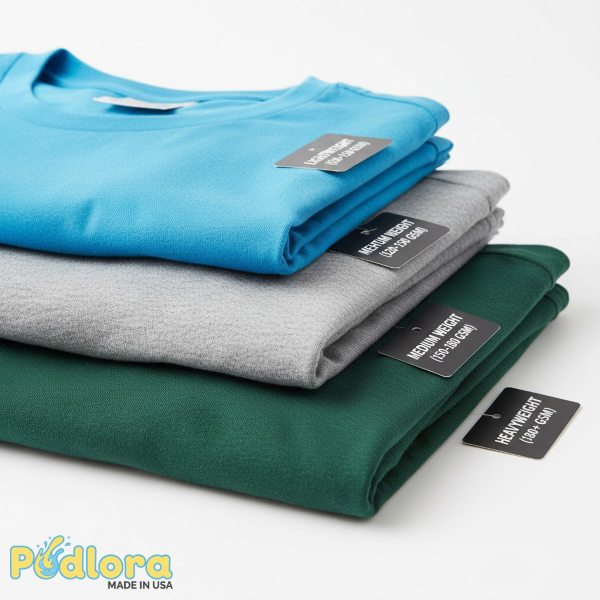
The ideal GSM varies by application, but certain ranges consistently perform well across most use cases.
Lightweight (120-150 GSM): Perfect for promotional t-shirts, summer events, and athletic wear. These comfortable t shirt fabrics feel barely-there and dry quickly. However, they may show through (especially in light colors) and won’t provide the premium feel some customers expect.
Mediumweight (150-180 GSM): This range represents the best fabric for t shirts in most commercial applications. It provides enough substance for a quality feel without being heavy or restrictive. Most retail t-shirts fall within this range because it works year-round.
Heavyweight (180-220+ GSM): Premium retail, workwear, and winter basics benefit from heavyweight construction. These t shirt fabric types feel substantial and luxurious, justifying higher price points. The thickness also provides better opacity and printing surface.
According to textile weight standards, fabric weight directly correlates with durability and perceived quality, though it must be balanced with comfort and intended use.
GSM Comparison by Fabric Type
Different t shirt materials achieve optimal performance at different weights:
Cotton Fabrics:
- Lightweight: 130-150 GSM (summer casual)
- Standard: 160-180 GSM (year-round retail)
- Heavyweight: 200-240 GSM (premium quality)
Polyester Blends:
- Lightweight: 120-140 GSM (athletic wear)
- Standard: 150-170 GSM (general purpose)
- Heavyweight: 180-200 GSM (durability focus)
Tri-Blend:
- Optimal: 130-160 GSM (maintains drape and softness)
Fabric Care and Durability Considerations
The best fabric for t shirts maintains its quality through repeated wear and washing. Understanding care requirements helps ensure long-term satisfaction.
Shrinkage Comparison
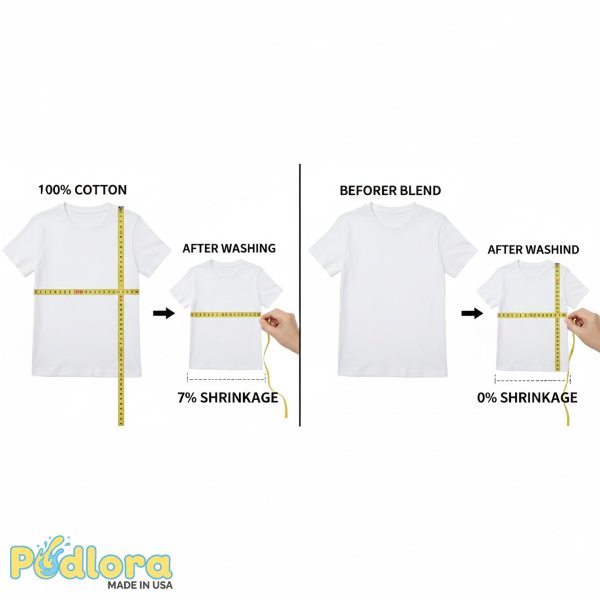
Shrinkage remains one of the most common customer complaints about t shirt materials.
100% Cotton: Expect 3-5% shrinkage even with pre-shrinking treatments. Some heavyweight cotton can shrink up to 8% if washed in hot water and machine dried.
Cotton-Polyester Blends: Shrinkage reduces to 2-3% in 50/50 blends and under 2% in polyester-heavy blends. The synthetic fibers resist heat shrinkage that affects pure cotton.
Polyester: Minimal shrinkage (under 1%) makes performance polyester ideal when consistent sizing matters.
Pima/Supima Cotton: Surprisingly, premium cotton varieties shrink similarly to standard cotton despite higher quality. Pre-shrinking treatments help minimize this.
Pro Tip from PODLORA: Always recommend cold water washing and air drying for cotton t shirts. This single care instruction can reduce shrinkage by 60-70% compared to hot washing and machine drying.
Color Retention and Fading
Different t shirt fabric types hold dyes with varying effectiveness.
Best Color Retention: Cotton-polyester blends excel at maintaining color vibrancy. Polyester fibers bond strongly with dye molecules, preventing fading through multiple wash cycles.
Good Color Retention: Combed ring spun cotton holds color well due to smooth fiber surfaces and tight yarn construction. Premium dye processes enhance this further.
Moderate Color Retention: Standard cotton shows more fading over time, particularly in dark colors and with frequent washing in hot water.
Pilling and Wear Patterns
Fabric pilling (small fiber balls forming on the surface) affects appearance and perceived quality.
Lowest Pilling: Pima cotton and combed ring spun cotton resist pilling due to longer fiber lengths and tight construction. Polyester also pills minimally.
Moderate Pilling: Standard cotton and some blends show moderate pilling, especially in high-friction areas like underarms and sides.
Higher Pilling: Rayon-containing fabrics (including some tri-blends) can pill more readily, though premium tri-blend formulations minimize this issue.
Environmental and Ethical Considerations
Modern consumers increasingly consider sustainability when selecting t shirt materials. The best fabric for t shirts now includes environmental impact as a key criterion.
Organic Cotton Benefits
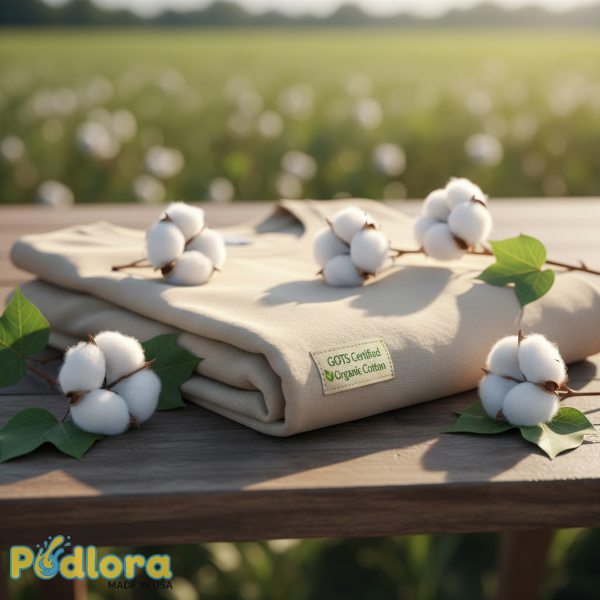
Organic cotton production eliminates synthetic pesticides and fertilizers, reducing environmental harm and improving working conditions for farmers. The fabric itself performs identically to conventional cotton, but production methods align with sustainable values.
Advantages:
- Reduced water pollution
- No synthetic chemical exposure
- Often includes fair trade certifications
- Appeals to eco-conscious consumers
Considerations:
- Higher cost (20-40% premium)
- Limited color options in some suppliers
- May require larger minimum orders
Recycled Polyester Options
Recycled polyester uses post-consumer plastic bottles or textile waste, reducing virgin petroleum use while maintaining performance characteristics.
Advantages:
- Diverts waste from landfills
- Reduces petroleum dependence
- Performs identically to virgin polyester
- Growing availability and variety
Considerations:
- Still not biodegradable
- Quality varies by manufacturer
- May cost slightly more than virgin polyester
Bamboo and Modal Alternatives
These cellulose-based fabrics offer cotton-like properties from faster-growing renewable resources.
Bamboo Fabric:
- Extremely soft and breathable
- Natural antimicrobial properties
- Fast-growing renewable resource
- Chemical processing raises environmental questions
Modal (Rayon):
- Silk-like drape and softness
- Excellent moisture absorption
- Made from beech tree pulp
- Closed-loop production minimizes waste
Frequently Asked Questions
Is 100% cotton or 50/50 better?
It depends on your priorities. 100% cotton t shirts provide superior breathability and natural comfort, making them the best choice for hot weather, all-day wear, and customers with sensitive skin. Cotton also offers better print quality for detailed designs.
However, 50/50 cotton-polyester blends win for durability and low maintenance. They shrink less (often under 2% vs 3-5% for pure cotton), resist wrinkling, and maintain shape better through repeated washing. In our experience at PODLORA, 50/50 blends work best for workwear, uniforms, and situations requiring frequent washing, while 100% cotton excels in retail fashion and premium basics.
The best fabric for t shirts in this comparison ultimately depends on whether comfort or durability takes priority in your specific application.
What are high-end t-shirts made of?
Premium t-shirts typically use combed ring spun cotton (180-200 GSM), Pima/Supima cotton, or tri-blend fabrics. These high quality t shirt materials share several distinguishing characteristics that justify higher price points.
Combed ring spun cotton undergoes additional processing that removes short fibers and impurities, creating exceptionally soft fabric that improves with washing. Pima cotton uses extra-long staple fibers (35% longer than regular cotton) for superior strength and softness that lasts 50% longer than standard cotton.
Tri-blend fabrics (typically 50% polyester, 25% cotton, 25% rayon) create a unique vintage-inspired texture with exceptional drape and softness. These fabrics feel noticeably more luxurious than basic cotton and photograph beautifully for fashion applications.
PODLORA’s customer feedback consistently shows that people can immediately feel the quality difference in these premium t shirt materials, which supports higher retail pricing and reduces return rates.
Is 60% cotton 40% polyester good for summer?
Yes, 60/40 cotton-polyester blends work very well for summer wear. This fabric blend offers more breathability than balanced 50/50 blends while maintaining some polyester benefits.
The higher cotton content (60%) provides better moisture absorption and air circulation compared to polyester-heavy blends, keeping wearers cooler in hot weather. Meanwhile, the 40% polyester content reduces shrinkage and wrinkling compared to 100% cotton while adding durability.
This composition represents one of the best t shirt fabric options for warm climates because it balances cotton’s natural cooling properties with polyester’s practical advantages. The blend typically weighs 140-170 GSM, light enough for summer comfort while substantial enough for quality feel.
However, for extremely hot conditions or intense athletic activities, 100% cotton or performance polyester may perform better depending on specific needs. The 60/40 blend excels in moderate to warm weather for general daily wear.
Which is better, 180 GSM or 200 GSM?
Neither GSM is inherently “better”—the optimal choice depends on your intended use and the base fabric type. Understanding this distinction is crucial for selecting the best fabric for t shirts.
180 GSM represents a versatile mediumweight that works well year-round. This weight provides good opacity, durability, and print quality without feeling heavy or restrictive. It’s the standard weight for most retail t-shirts because it balances comfort with substance. In lightweight summer-focused designs, 180 GSM might feel slightly heavy.
200 GSM enters heavyweight territory, offering maximum durability, premium feel, and excellent printing surface. This weight excels in cooler weather, workwear applications, and premium retail positioning. The thicker fabric provides better opacity (especially in light colors) and feels more substantial. However, 200 GSM can feel warm in hot weather and may be overkill for promotional applications.
Here’s the crucial part most people miss: the fabric composition matters more than weight alone. A 180 GSM combed ring spun cotton t-shirt will feel more premium than a 200 GSM basic cotton shirt because processing quality affects softness and durability more than raw weight.
Based on PODLORA’s extensive testing, we typically recommend 180 GSM for versatile retail applications and 200+ GSM when premium positioning or heavy-duty durability justifies the additional weight and cost.
What is the most comfortable t shirt fabric?
Tri-blend fabric (50% polyester, 25% cotton, 25% rayon) consistently ranks as the most comfortable t shirt material based on customer feedback and textile softness testing. The three-fiber combination creates a unique texture that feels softer than any single fabric type alone.
However, “most comfortable” is somewhat subjective and depends on individual preferences and conditions. Here’s how different fabrics excel in comfort categories:
Softness Winner: Tri-blend and Pima cotton tie for ultimate softness. Tri-blend offers immediate luxury feel, while Pima develops softness through the lifetime of the garment.
Breathability Winner: 100% cotton t shirts provide maximum airflow and moisture absorption, making them most comfortable in hot, humid conditions.
All-Day Comfort Winner: Combed ring spun cotton (160-180 GSM) balances softness, breathability, and structure for extended wear without irritation.
Active Comfort Winner: Performance polyester excels during physical activity due to superior moisture wicking and quick-drying properties.
Through PODLORA’s customer feedback surveys, tri-blend consistently gets described as “the softest t-shirt I’ve ever worn,” but some prefer the natural feel of premium cotton. We recommend offering samples of different fabrics when possible, as comfort preferences vary significantly among individuals.
What is the best fabric for workout t shirts?
Performance polyester (100% polyester or polyester with 5-10% spandex) represents the best fabric for workout t shirts due to superior moisture management and durability under intense physical stress.
Athletic apparel research confirms that polyester’s molecular structure wicks sweat away from skin 4x faster than cotton, preventing the heavy, wet feeling that occurs during intense exercise. The synthetic fibers also dry rapidly between uses, preventing bacterial growth that causes odor.
Key advantages for athletic applications:
- Moisture wicking keeps skin dry during exercise
- Quick-drying (typically under 1 hour vs 4+ hours for cotton)
- Shape retention through repeated washing and stretching
- Lightweight construction (typically 120-150 GSM)
- Color fastness prevents fading from sweat and sun
When to consider alternatives:
- Casual gym wear → Cotton-poly blends (60/40 or 50/50) offer adequate performance with better everyday comfort
- Yoga and low-intensity activities → Cotton or tri-blend provides comfort without performance necessity
- Outdoor activities in cool weather → Merino wool blends offer warmth plus performance benefits
Modern performance polyester has improved significantly in comfort compared to older synthetic fabrics. However, some athletes still prefer cotton blends for less intense activities where moisture wicking is less critical.
How do I choose the best t shirt fabric for printing?
Selecting the best fabric for printing t shirts requires matching fabric properties to your chosen printing method and design complexity.
For DTG (Direct-to-Garment) Printing: Use 100% cotton (preferably combed and ring spun) for optimal results. Cotton’s absorbent fibers allow water-based DTG inks to penetrate deeply, creating vibrant, detailed prints. Combed cotton provides the smoothest surface, preventing “fibrillation” where loose fibers create fuzzy print edges.
For Screen Printing: Both cotton and cotton-polyester blends work excellently. Blends actually hold plastisol inks slightly better through washing because polyester resists shrinkage that can stress prints. Choose 50/50 or 60/40 blends for maximum durability, or combed cotton for softest hand feel.
For Sublimation Printing: You must use 100% polyester or polyester-heavy blends (minimum 65% polyester). Sublimation bonds dye to polyester at the molecular level and won’t work on natural fibers. Performance polyester (120-150 GSM) provides the best surface for vibrant sublimation results.
For Vinyl and Heat Transfer: Most fabrics work well, but avoid heavily textured or very lightweight materials. Smooth, mediumweight fabrics (150-180 GSM) in cotton or blends provide the best adhesion and durability.
For Embroidery: Choose heavyweight options (180+ GSM) in cotton or cotton-poly blends. The thicker fabric supports embroidery better without puckering. Avoid very lightweight materials and stretchy performance fabrics for embroidery applications.
Always request pre-production samples when using unfamiliar fabric and printing combinations to ensure optimal results before committing to full production runs.
What is the best material for t shirts for sensitive skin?
100% organic cotton represents the best t shirt material for sensitive skin due to chemical-free production and hypoallergenic properties. Conventional cotton farming uses pesticides and processing chemicals that can irritate sensitive skin, while organic cotton eliminates these concerns.
Why organic cotton excels for sensitive skin:
- No synthetic pesticide residues
- Gentler processing without harsh chemicals
- Naturally hypoallergenic
- Highly breathable to prevent irritation from trapped heat
- Soft texture reduces friction-related irritation
Other excellent options for sensitive skin:
- Bamboo fabric: Natural antimicrobial properties and silky softness
- Pima/Supima cotton: Extra-long fibers create exceptionally smooth fabric
- Modal: Derived from beech trees, incredibly soft with good breathability
Fabrics to avoid with sensitive skin:
- Standard cotton with fabric softeners (chemical residues)
- Rough, coarse weaves
- Polyester in hot weather (traps heat and moisture)
- Fabrics with formaldehyde finishing treatments
From working with clients who have skin sensitivities, we recommend always choosing fabrics with OEKO-TEX or similar certifications that guarantee freedom from harmful substances. Additionally, washing new t-shirts before wearing removes any residual chemicals from manufacturing and shipping.
Summary: Quick Reference Guide for Best T Shirt Fabrics
| Application | Best Fabric Choice | Ideal GSM | Key Reason |
|---|---|---|---|
| Premium Retail | Combed Ring Spun Cotton or Pima Cotton | 180-200 | Superior softness, durability, and print quality justify higher pricing |
| All-Purpose/Versatile | 50/50 Cotton-Polyester Blend | 150-180 | Perfect balance of comfort, durability, and low maintenance |
| Athletic/Workout | Performance Polyester | 120-150 | Superior moisture wicking and quick-drying properties |
| Fashion Forward | Tri-Blend (Cotton/Poly/Rayon) | 130-160 | Exceptional softness with unique drape and vintage aesthetic |
| Budget/Promotional | Standard 100% Cotton | 150-170 | Adequate quality at accessible price point |
| Summer Wear | 100% Cotton or 60/40 Cotton-Poly | 120-160 | Maximum breathability for hot weather comfort |
| Winter/Heavyweight | Heavyweight Cotton | 200-220+ | Warmth and structure with premium feel |
| Printing (DTG) | Combed Ring Spun Cotton | 160-180 | Smooth surface for detailed, vibrant prints |
| Printing (Sublimation) | 100% Polyester | 120-150 | Required for sublimation dye bonding process |
| Sensitive Skin | Organic Cotton | 150-180 | Chemical-free, hypoallergenic, naturally soft |
| Workwear/Uniforms | 50/50 Cotton-Polyester | 160-180 | Durability and easy care for frequent use |
| Embroidery | Heavyweight Cotton or Blend | 180+ | Thickness prevents puckering, supports stitching |
Final Thoughts: Choosing Your Perfect T Shirt Fabric
After evaluating hundreds of t shirt materials and working with diverse client needs, one truth emerges consistently: there is no single “best fabric for t shirts” that works for every situation. The optimal choice always depends on your specific requirements, target audience, and intended use.
The decision framework comes down to three priority questions:
- What matters most—comfort, durability, or cost? This hierarchy determines whether you lean toward premium cotton, practical blends, or budget-friendly options.
- What’s your printing method? DTG demands cotton, sublimation requires polyester, while screen printing works with almost anything. Match your fabric to your decoration technique first.
- Who’s wearing it and when? Athletes need performance polyester, fashion customers prefer tri-blend or premium cotton, while workwear requires durable blends.
The textile industry continues innovating with recycled materials, advanced blends, and sustainable alternatives. However, the seven fabric types covered in this guide remain the foundation of quality t shirt production. Master these basics, understand their strengths and limitations, and you’ll consistently select the best material for t shirts in any application.
We’ve learned through countless projects that taking time to match fabric precisely to purpose eliminates costly mistakes, reduces customer returns, and builds brand reputation through quality consistency. The right t shirt fabric isn’t just about what feels good initially—it’s about what continues performing excellently through months of wear, washing, and real-world use.
Start with the framework in this guide, test samples whenever possible, and gather feedback from your specific audience. The best fabric for your t shirts is the one that makes your customers say, “This is the most comfortable shirt I own”—and then come back to buy more.

Hi, I’m Emma Sullivan — a Texas-based writer who specializes in product design, e-commerce, and customer experience. With over five years of writing experience, I love turning complex information into clear, helpful content that makes online shopping easier for everyone. Having spent years working in the U.S. print-on-demand and merchandising space, I focus on creating articles that are honest, engaging, and genuinely useful.