Why Are 100% Cotton Hoodies So Hard to Find? The Truth Revealed
You walk into your favorite clothing store, ready to buy a comfortable hoodie. You check the tag—expecting to see “100% cotton”—only to find yet another polyester blend. Sound familiar? If you’ve been searching for a pure cotton hoodie, you’ve likely noticed they’re surprisingly difficult to find. This isn’t by accident.
The scarcity of 100% cotton hoodies stems from fundamental shifts in the apparel industry over the past two decades. While cotton remains one of the world’s most beloved natural fibers, manufacturers have systematically replaced it with synthetic blends for reasons that go far beyond simple cost-cutting. Understanding why pure cotton hoodies have become rare requires looking at the complex interplay of production economics, performance expectations, and modern manufacturing capabilities.
At PODLORA, we’ve witnessed this transformation firsthand and understand the challenges consumers face when seeking authentic, high-quality cotton garments. This comprehensive guide explores why 100% cotton hoodies are so elusive and what you need to know about finding genuine pure cotton options.
The Manufacturing Economics Behind Cotton Scarcity
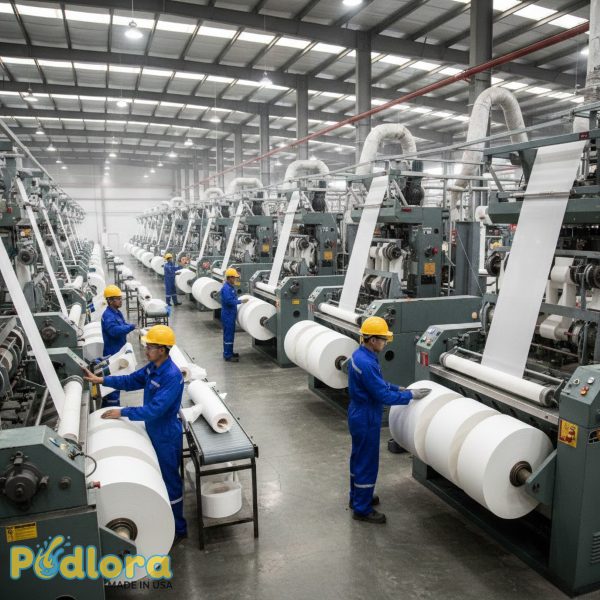
The primary reason 100% cotton hoodies are hard to find comes down to manufacturing complexity and cost. Pure cotton fabric costs two to three times more than comparable polyester, but the expense doesn’t stop there.
Cotton’s natural properties make it significantly more challenging to work with during production. The fiber shrinks unpredictably when exposed to heat and moisture, requiring manufacturers to implement multiple pre-treatment processes. Each additional step adds time, labor costs, and potential points of failure in the production line.
High GSM (grams per square meter) cotton fleece—the thick, soft material needed for quality hoodies—presents even greater challenges. This heavyweight cotton fleece is less widely available than blended alternatives and requires specialized equipment to handle properly. Many factories simply aren’t equipped with the machinery or expertise needed to process pure cotton fleece consistently.
The technical demands extend throughout the entire production chain. Pure cotton requires more careful temperature control during dyeing, longer processing times, and more sophisticated quality control measures to manage shrinkage. For most manufacturers, switching to cotton-polyester blends eliminates these headaches while delivering a product that’s easier to produce at scale.
PODLORA recognizes that while manufacturing challenges exist, they shouldn’t compromise consumer choice. True quality requires expertise and commitment to working with natural materials despite their demands.
Why Brands Choose Blends Over Pure Cotton
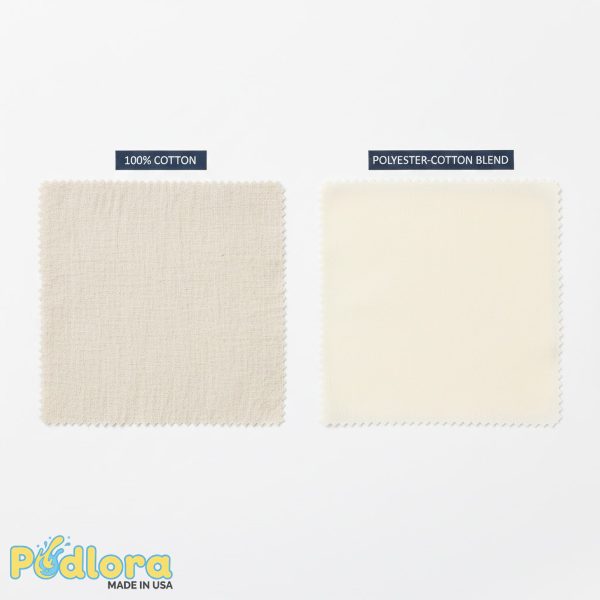
Walk through any major retailer today and you’ll find the shelves dominated by cotton-polyester blends, typically ranging from 50/50 to 80/20 ratios. This shift reflects calculated decisions by brands prioritizing specific performance characteristics over natural fiber purity.
Cotton blend hoodies offer several advantages that appeal to both manufacturers and certain consumer segments. Blended fabrics resist shrinkage more effectively than pure cotton, reducing customer complaints about size changes after washing. The polyester component adds structural integrity, helping garments maintain their shape through repeated wear and wash cycles. Blends also resist wrinkles better, arriving at stores looking crisp and remaining presentable longer.
From a business perspective, blends provide more consistent quality control. The synthetic fibers behave predictably during manufacturing, reducing the rejection rate of finished products. This consistency translates to lower production costs and fewer warranty claims from retailers.
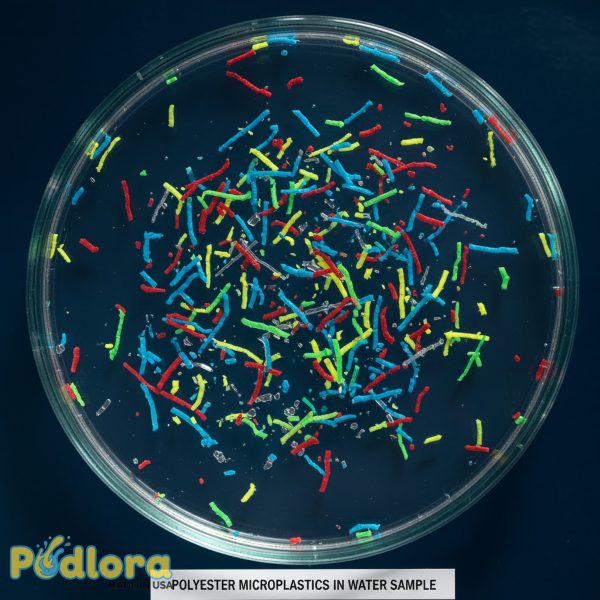
However, these practical benefits come with trade-offs that many consumers find unacceptable. Polyester doesn’t breathe like natural cotton, trapping heat and moisture against the skin. The synthetic fibers can cause discomfort for people with sensitive skin or allergies. Additionally, polyester’s environmental impact—derived from petroleum products and shedding microplastics during washing—contradicts the values of environmentally conscious consumers.
The dominance of blended fabrics has created a market where finding authentic 100% cotton hoodies requires deliberate effort and often acceptance of higher price points.
The Cotton Quality Spectrum: Not All Cotton Is Equal
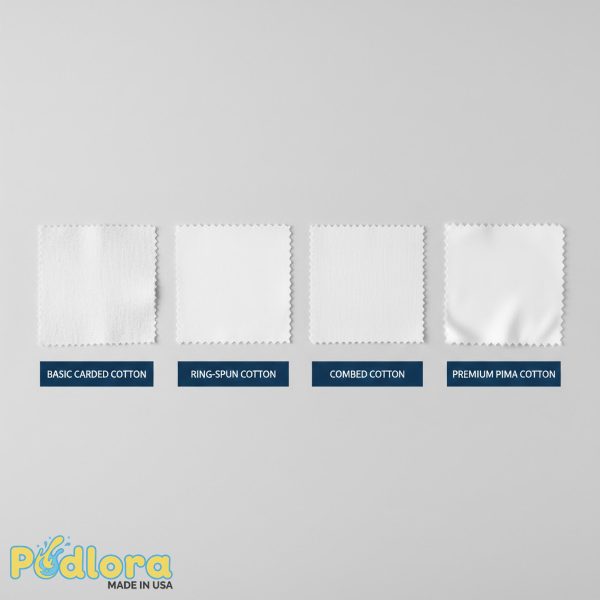
Even when you find a hoodie labeled “100% cotton,” the quality can vary dramatically. Understanding cotton quality grades helps explain why some pure cotton hoodies feel luxurious while others disappoint.
According to textile industry standards, cotton quality depends on several factors including fiber length, processing method, and pre-treatment. The most basic cotton, often called C.O.E. (carded open end), represents the entry level. This cotton goes directly from picking to spinning without removing impurities, resulting in a rougher texture and less durability.
Ring-spun cotton represents a step up from C.O.E., undergoing spinning processes that create more uniform fibers. However, without the combing process, impurities remain mixed with the cotton, limiting softness and comfort.
Combed cotton offers significantly better quality. During processing, the cotton is combed to remove short fibers and impurities, leaving only the longest, strongest fibers. This extra step makes the fabric noticeably softer and more durable, though it increases cost since much of the original cotton is discarded during combing.
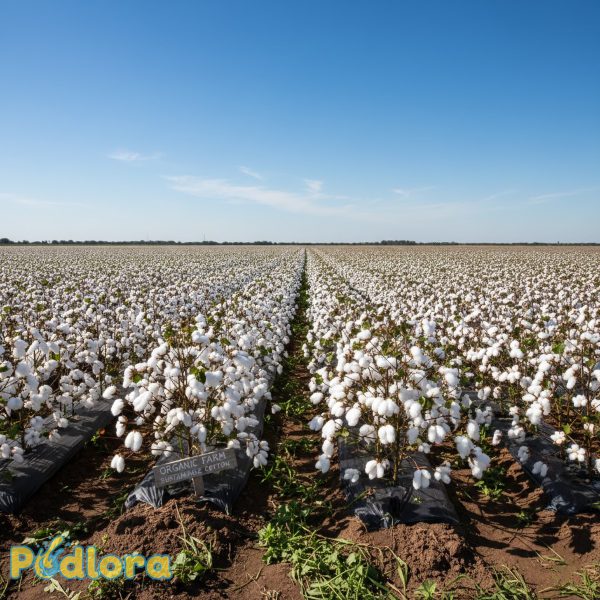
Premium options include organic cotton, Pima cotton, and Supima cotton. Organic cotton is grown without synthetic pesticides or fertilizers, making it gentler on both the environment and sensitive skin. Pima and Supima cottons feature extra-long staple fibers that create exceptionally soft, strong fabrics resistant to pilling and fading.
PODLORA prioritizes working with premium cotton grades because fiber quality fundamentally determines the wearing experience. While basic cotton might technically be “100% cotton,” the difference between grades is night and day.
The Shrinkage Challenge: Cotton’s Biggest Weakness
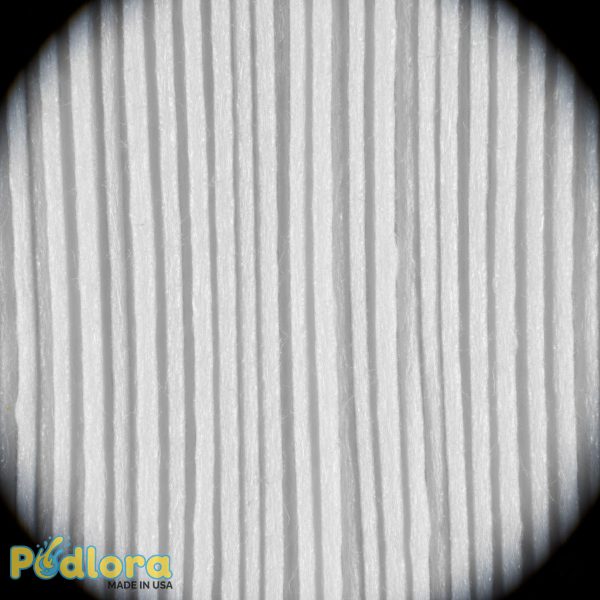
One of the most significant reasons manufacturers avoid pure cotton involves its tendency to shrink. Understanding cotton shrinkage helps explain both why it’s problematic for mass production and how to manage it as a consumer.
Cotton fibers are stretched during the manufacturing process as they’re spun into yarn and woven into fabric. When exposed to heat and moisture—such as during washing and drying—these fibers relax and contract back toward their natural state. This relaxation causes the fabric to shrink, sometimes dramatically.
A 100% cotton hoodie can shrink between 5-10% after just one hot wash and dry cycle, according to research on cotton shrinkage. For reference, 5% shrinkage can effectively reduce a garment by a full size. The shrinkage occurs most noticeably in length, potentially turning a perfectly fitting hoodie into an uncomfortably short one.
The degree of shrinkage depends on several factors. Temperature plays the primary role—water and dryer heat above 140°F (60°C) accelerates fiber contraction significantly. Fabric weight also matters, with heavyweight fleece sometimes shrinking more than lightweight cotton due to the density of fibers.
Many manufacturers address shrinkage through pre-shrinking, a process where fabric undergoes controlled heat and moisture treatment before cutting and sewing. Pre-shrunk cotton hoodies still shrink slightly (typically 3-5%), but the reduction is more manageable. However, pre-shrinking adds another manufacturing step and cost, giving brands yet another reason to choose synthetic blends that don’t require this treatment.
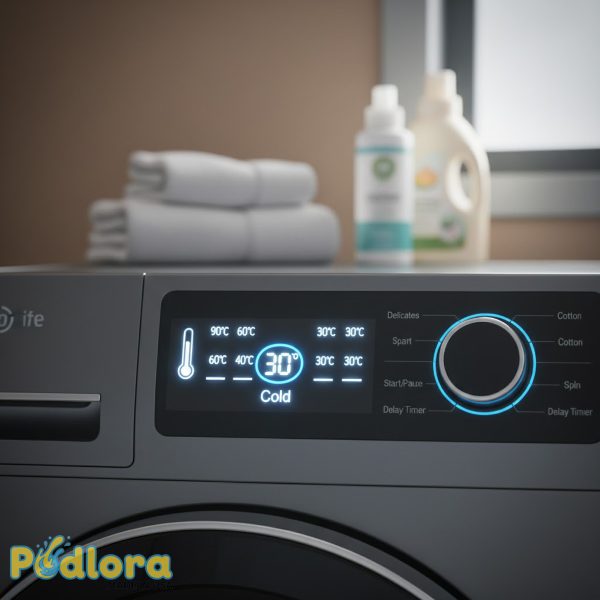
For consumers committed to 100% cotton hoodies, proper care becomes essential. Washing in cold water, using gentle cycles, and air-drying or using low heat settings can minimize shrinkage and extend the garment’s life considerably.
Label Authenticity: Is 100% Cotton Really 100% Cotton?
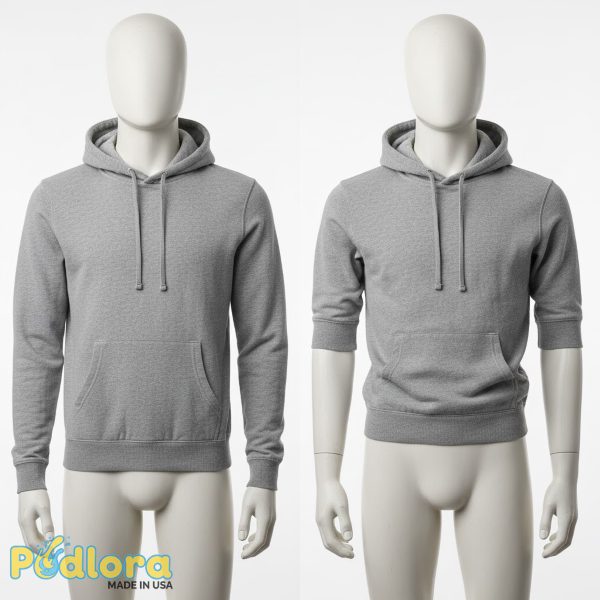
A troubling reality for cotton enthusiasts involves the accuracy of fiber content labels. While regulations exist to protect consumers, enforcement gaps and manufacturing complexities create situations where “100% cotton” doesn’t always mean what it should.
The Federal Trade Commission establishes clear guidelines for textile labeling in the United States. According to FTC regulations, a product cannot be labeled “100% Cotton” unless it contains only cotton fibers, with allowances only for small non-cotton trim elements like elastic waistbands or drawstring cords.
However, mislabeling does occur. A 2016 investigation revealed that major retailers sold “Egyptian Cotton” sheets that actually contained other cotton varieties. Subsequent testing by textile authentication companies found that approximately 89% of products claiming premium cotton content didn’t meet their labeled specifications.
Several factors contribute to labeling inaccuracies. Complex supply chains make verification difficult—cotton might pass through multiple processors and manufacturers before becoming a finished garment. Some “100% cotton” products have cotton fabric but use polyester thread for seams, creating technically blended garments that wear and behave differently than true pure cotton. Others use cotton for the outer shell but polyester backing or lining.
The “pure cotton” versus “100% cotton” distinction also confuses consumers. Products labeled “pure cotton” might be primarily cotton but legally can include other fibers. Only “100% cotton” guarantees no fiber blending in the main fabric.
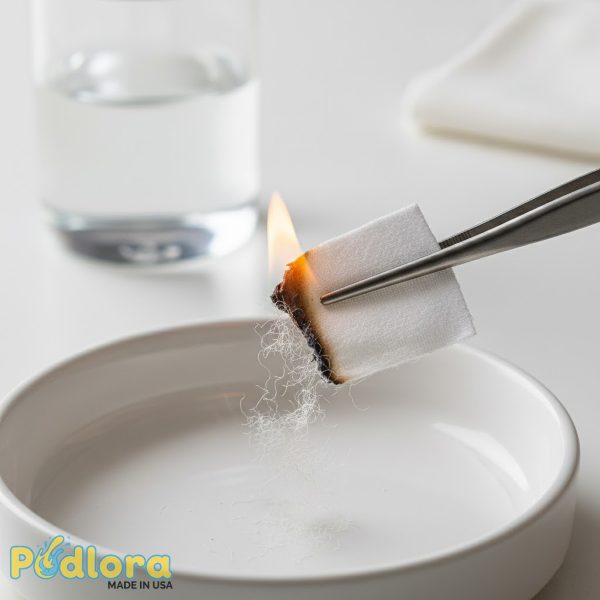
Testing cotton authenticity at home involves simple methods. The burn test provides reliable results—pure cotton burns steadily with a paper-like smell and leaves gray ash. Synthetic fibers melt, curl away from flame, and leave hard beads of residue. The feel test helps too; genuine cotton has natural texture and softness, while polyester blends feel smoother and more synthetic.
PODLORA maintains transparency in our sourcing and manufacturing, ensuring that when we label something 100% cotton, customers receive exactly that. Trust in labeling shouldn’t be optional.
Health and Comfort: Why Natural Fibers Matter
Beyond manufacturing concerns, the scarcity of 100% cotton hoodies impacts consumer health and comfort in ways many don’t immediately recognize. Natural fiber properties offer tangible benefits that synthetic blends simply cannot replicate.
Cotton’s breathability stems from its cellular structure. The natural fiber wicks moisture away from skin and allows air circulation, helping regulate body temperature. This makes cotton hoodies ideal for variable conditions—warm enough for cool weather but breathable enough to prevent overheating indoors.
For people with sensitive skin conditions, the difference between cotton and synthetic blends can be dramatic. Dermatologists consistently recommend cotton for individuals with eczema, psoriasis, or contact dermatitis, as noted by health and wellness research on cotton fabrics. Synthetic fibers can trap heat and moisture, creating an environment where bacteria thrive and skin irritation worsens. Polyester and other synthetics may also contain chemical residues from manufacturing that trigger allergic reactions.
The hypoallergenic nature of cotton makes it particularly important for children and individuals with known sensitivities. Cotton is natural and free from the chemical treatments found in synthetic fabrics that can trigger allergic reactions, as explained in fabric comparison studies.
Cotton’s antibacterial properties also contribute to hygiene. Studies show that cotton fabric inhibits bacterial growth on its surface more effectively than synthetic materials. This reduces body odor and helps prevent skin problems like acne and rashes that can develop when bacteria multiply in trapped moisture.
For athletes and active individuals, pure cotton hoodies offer distinct advantages during lighter exercise. While technical synthetic fabrics excel in intense athletic situations, cotton provides superior comfort for yoga, stretching, walking, and everyday active wear where extreme moisture-wicking isn’t necessary.
The environmental health angle deserves consideration too. Polyester sheds microplastics during washing, contributing to water pollution and entering the food chain. Scientific research published in Nature found that washing synthetic clothes releases between 640,000 to 1,500,000 microfibers per wash, which pass through wastewater treatment plants and pose threats to marine organisms. Choosing natural fibers reduces this personal environmental impact.
Where to Find Authentic 100% Cotton Hoodies
Despite the challenges, 100% cotton hoodies haven’t disappeared entirely. Finding them requires knowing where to look and what to prioritize during your search.
Specialty brands focusing on natural materials represent your best starting point. Companies like Just Sweatshirts, Lady White Co., Jungmaven, and ASKET have built their reputations on producing authentic cotton garments. These brands often use premium cotton grades—combed and ring-spun or organic cotton—and implement proper pre-shrinking processes.
Online marketplaces and wholesale suppliers catering to the custom apparel industry often stock 100% cotton options. These suppliers serve screen printers, embroiderers, and small businesses needing genuine cotton for customization work. Brands like Comfort Colors, certain Gildan styles, and American Apparel offer true cotton hoodies, though selection may be limited compared to blend options.
When shopping for a pure cotton hoodie, several verification steps help ensure authenticity. First, read labels carefully, looking specifically for “100% cotton” rather than “cotton-rich” or “pure cotton.” Check the entire garment—some products use cotton for the shell but polyester for the fleece lining or hood, creating a blended experience despite appearing cotton-dominant.
Feel the fabric texture. Genuine 100% cotton has natural irregularity and texture, slightly rougher than the smooth, uniform feel of polyester blends. The fabric should feel substantial and have natural breathability.
Price provides another clue. Authentic 100% cotton hoodies typically cost more than blends due to higher material and manufacturing expenses. A suspiciously low price on a “100% cotton” hoodie warrants skepticism.
Research the brand’s reputation and manufacturing practices. Companies committed to natural fibers usually make this a central part of their brand identity and will provide detailed information about their cotton sourcing and quality.
PODLORA curates authentic cotton options for customers who prioritize natural fibers and quality construction. We understand that finding genuine cotton hoodies shouldn’t require detective work.
The Environmental Factor: Cotton vs. Polyester
Environmental considerations increasingly influence consumer choices, and the cotton versus polyester debate carries significant ecological implications beyond simple material preference.
Conventional cotton cultivation does present environmental challenges. Cotton farming uses substantial water resources and, when not grown organically, requires pesticides and fertilizers that impact soil health and local ecosystems. These concerns led some environmentally conscious consumers to accept synthetic alternatives.
However, the environmental equation is more complex than water usage alone. Polyester production relies on petroleum—a non-renewable fossil fuel resource. The manufacturing process releases greenhouse gases and creates environmental pollution. More concerning, polyester garments shed microplastic fibers during washing. Studies on microplastic pollution show that washing one polyester shirt every two weeks releases approximately 52,000 microplastic fibers annually. These tiny plastic particles enter water systems, where they persist indefinitely, accumulating in marine environments and entering the food chain.
Organic cotton provides a more sustainable alternative to both conventional cotton and synthetics. Grown without synthetic pesticides or fertilizers and using water-efficient farming methods, organic cotton significantly reduces environmental impact while maintaining the natural fiber benefits consumers seek. According to research published by The Organic Center, organic cotton practices can reduce water consumption by as much as 91% compared to conventional cotton, as organic cotton is mostly rain-fed rather than irrigated. Studies show that organic farming systems also contribute to climate change mitigation by sequestering carbon in the soil through diverse crop rotation strategies and soil-building practices.
Cotton’s biodegradability represents another crucial advantage. At the end of its life cycle, natural cotton breaks down naturally in landfills, typically decomposing within a few months to a year. Polyester, by contrast, persists in landfills for 20-200 years, contributing to long-term waste accumulation.
For consumers pursuing zero-waste lifestyles or minimizing their environmental footprint, the choice between cotton and synthetic blends carries real consequences. One high-quality 100% cotton hoodie that lasts for years through proper care ultimately creates less environmental impact than multiple cheap polyester blend hoodies that wear out quickly.
Professional and Safety Considerations
Certain professions require genuine 100% cotton garments for safety reasons, highlighting another dimension of why cotton availability matters beyond simple consumer preference.
Electricians working in environments with potential arc flash hazards need natural fiber clothing. In the event of an electrical accident, synthetic materials like polyester melt and adhere to skin, causing severe burns beyond the initial electrical injury. Cotton, being natural and non-melting, provides a critical safety advantage. This requirement makes finding authentic 100% cotton hoodies an occupational safety issue for these workers.
Welders and metal workers face similar concerns with sparks and hot metal particles. Synthetic fabrics ignite more easily and melt when exposed to these hazards, while cotton provides better protection against flash burns.
The food service industry also prefers natural fibers. Commercial kitchens with open flames and hot equipment require clothing that won’t melt if it contacts heat sources. Additionally, cotton’s superior breathability helps workers stay comfortable in hot kitchen environments.
For these professional applications, verifying genuine 100% cotton isn’t just about comfort—it’s a legitimate safety requirement. Unfortunately, the scarcity of readily available pure cotton options creates real challenges for workers in these fields.
Healthcare workers and individuals in patient-facing roles also benefit from cotton’s natural properties. The breathability and antibacterial characteristics make cotton appropriate for long shifts, while the natural fiber reduces static electricity that can interfere with sensitive equipment.
The Cost-Benefit Analysis: Are 100% Cotton Hoodies Worth It?
Given the higher prices and limited availability, consumers reasonably question whether 100% cotton hoodies justify the extra effort and expense. The answer depends on your priorities and intended use.
For everyday casual wear and comfort-focused activities, authentic cotton hoodies offer significant advantages. The natural breathability, softness against skin, and temperature regulation properties create a wearing experience that many find superior to synthetic blends. If you value comfort during lounging, running errands, or moderate activity, cotton delivers tangible benefits.
Individuals with sensitive skin conditions find the investment particularly worthwhile. The hypoallergenic properties and absence of synthetic irritants can mean the difference between comfortable wear and constant discomfort. For these consumers, paying more for cotton isn’t a luxury—it’s a necessity.
Environmental values also influence the worth calculation. If reducing microplastic pollution and choosing biodegradable materials align with your ethics, cotton’s higher price becomes an acceptable cost for living your values.
However, pure cotton does have limitations. The shrinkage factor requires careful laundering, and cotton doesn’t perform as well in extreme athletic situations where maximum moisture-wicking is essential. Cotton also wrinkles more easily than blends and may not maintain shape quite as long with daily wear.
For high-performance athletic wear, technical synthetic blends often perform better. The moisture management, quick-drying properties, and shape retention of polyester blends genuinely excel in intense workout scenarios.
The durability question deserves nuanced consideration. While cotton lacks some stretch recovery of blends, high-quality cotton properly cared for can last years. The key lies in initial quality—premium combed and ring-spun cotton with proper pre-shrinking outlasts cheap cotton and many synthetic blends.
PODLORA believes the investment in quality cotton hoodies pays dividends through superior comfort, health benefits, and environmental responsibility. The higher upfront cost distributes across years of satisfying wear.
Care and Maintenance: Making Your Cotton Hoodie Last
Once you’ve invested the effort to find an authentic 100% cotton hoodie, proper care ensures it remains a wardrobe staple for years rather than shrinking into unwearability after a few washes.
Temperature control is paramount for cotton care. Always wash cotton hoodies in cold or lukewarm water, never hot. High temperatures trigger the fiber relaxation that causes shrinkage. Cold water cleaning is gentler on the fabric and typically adequate for regular wear unless the hoodie is heavily soiled.
Use gentle or delicate wash cycles. The aggressive agitation of normal cycles stresses cotton fibers and accelerates wear. Gentle cycles provide sufficient cleaning while minimizing mechanical stress on the fabric.
Choose mild detergents without harsh chemicals. Strong detergents can weaken cotton fibers over time, making them more prone to pilling and breakdown. Natural or mild detergents clean effectively while preserving fabric integrity.
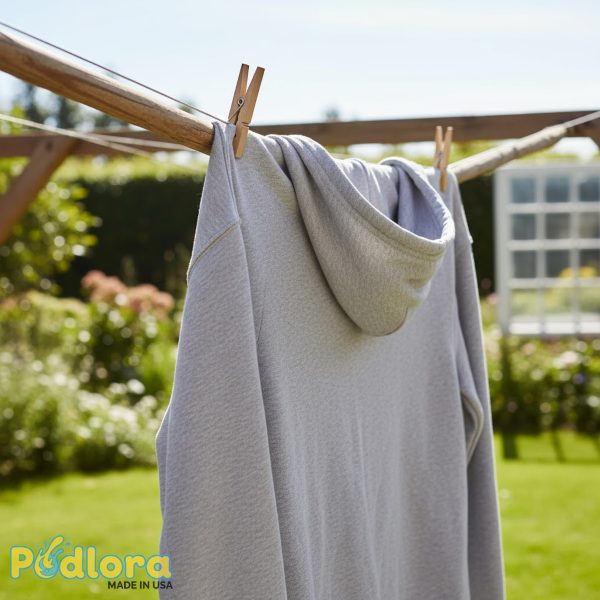
Drying method dramatically impacts cotton longevity. Air drying is ideal—lay the hoodie flat on a clean towel or hang it to dry naturally. This completely eliminates heat-related shrinkage. If using a dryer is necessary, use the lowest heat setting and remove the hoodie while slightly damp. Let it finish air-drying to minimize heat exposure.
Turn hoodies inside out before washing to protect the outer surface from abrasion and preserve any prints or designs. This simple step extends the life of both the fabric and any embellishments.
Avoid washing cotton hoodies after every single wear unless they’re visibly soiled or odorous. Cotton’s natural antibacterial properties mean it doesn’t require the frequent washing that synthetic fabrics often need. Wearing a hoodie multiple times between washes reduces overall wear and tear.
Store cotton hoodies properly—folded rather than hung on hangers, which can stretch out shoulders and distort the shape over time. Keep them in cool, dry places away from direct sunlight, which can fade colors.
If shrinkage does occur, some recovery is possible. Soak the shrunken hoodie in lukewarm water with hair conditioner or baby shampoo, then gently stretch it back toward original size while damp. This technique can recover much of the lost size, though prevention remains easier than correction.
Industry Trends and Future Outlook
Understanding where the market is heading helps consumers navigate their options and potentially influences industry practices through informed purchasing decisions.
The decline in 100% cotton production reflects broader industry trends favoring performance fabrics and cost efficiency. Many major brands have systematically reduced or eliminated pure cotton options from their lines over the past decade, replacing them with proprietary blend formulations.
However, counter-trends are emerging. Growing environmental awareness has created demand for sustainable, natural fiber products. Organic cotton production, while still representing less than 1% of global cotton cultivation, has grown consistently. Brands positioning themselves as eco-conscious or premium quality are returning to natural fibers as differentiators.
Technological advances in cotton processing may address some traditional challenges. Improved pre-shrinking techniques, better quality control methods, and more efficient production processes could make 100% cotton more economically viable for mainstream manufacturers.
Consumer advocacy plays a crucial role in maintaining cotton availability. Vocal demand for natural fiber options signals to manufacturers that market segments value these products despite higher production costs. Supporting brands that commit to pure cotton encourages more companies to offer these options.
The used clothing market provides an unexpected benefit for cotton seekers. Vintage and secondhand hoodies often come from eras when 100% cotton was standard rather than rare. These garments, already broken in and with any initial shrinkage complete, can offer excellent value.
Regulatory scrutiny of textile labeling is increasing, with authorities cracking down on mislabeled products. Enhanced enforcement should improve label accuracy, helping consumers trust that “100% cotton” actually means what it claims.
Frequently Asked Questions
Why is it so hard to find 100% cotton hoodies?
The scarcity of 100% cotton hoodies stems from multiple factors that make them less attractive to manufacturers. Pure cotton costs two to three times more than polyester, and it requires more complex processing due to its tendency to shrink during production. High-weight cotton fleece needed for hoodies is technically challenging to produce consistently, requiring specialized equipment many factories don’t have. Additionally, cotton-polyester blends offer manufacturers more predictable behavior during production, better shape retention, and lower customer complaint rates about shrinkage—all of which make blends the preferred choice for mass-market brands.
Are 100% cotton hoodies worth it?
For most consumers prioritizing comfort, breathability, and natural materials, 100% cotton hoodies are definitely worth the investment. They offer superior comfort against skin, better temperature regulation, and hypoallergenic properties that synthetic blends cannot match. People with sensitive skin conditions like eczema find cotton essential rather than optional. However, the value depends on your needs—cotton requires more careful laundering to prevent shrinkage, and synthetic blends may perform better for intense athletic activities. If you value natural materials, environmental sustainability, and long-term comfort, authentic cotton hoodies justify their higher price point.
Is 100% cotton actually 100% cotton?
Unfortunately, not always. While FTC regulations require products labeled “100% cotton” to contain only cotton fibers (except minor trim elements), mislabeling does occur. Complex supply chains make verification difficult, and some products use cotton for the main fabric but polyester thread for seams or polyester backing that isn’t immediately apparent. Studies have found that approximately 89% of products claiming premium cotton content didn’t match their labels. To verify authenticity, check labels carefully for any mention of blended materials, perform a burn test on a small fabric sample (genuine cotton burns like paper and leaves gray ash, while synthetics melt), and research the brand’s reputation for transparency.
Is 100% cotton healthy to wear?
Yes, 100% cotton is one of the healthiest fabric choices for everyday wear. Cotton’s natural breathability allows air circulation and moisture wicking, helping regulate body temperature and reducing bacterial growth that causes odor and skin problems. Dermatologists consistently recommend cotton for people with eczema, psoriasis, and sensitive skin because it’s hypoallergenic and doesn’t contain the chemical treatments or synthetic residues that can irritate skin. Cotton’s antibacterial properties naturally inhibit bacterial growth on the fabric surface, reducing the risk of rashes and acne. Unlike synthetic fabrics that trap heat and moisture, cotton allows skin to breathe properly, making it ideal for prolonged wear.
Do 100% cotton hoodies shrink more than blends?
Yes, 100% cotton hoodies shrink significantly more than cotton-polyester blends. Pure cotton can shrink 5-10% after exposure to hot water and high heat drying, potentially reducing a garment by a full size. The natural cotton fibers relax and contract when heated, returning toward their original pre-stretched state. Polyester fibers don’t shrink, so blended fabrics show much less size change—typically only 3-5% shrinkage. Even pre-shrunk 100% cotton hoodies will shrink slightly with improper care. To minimize shrinkage, wash cotton in cold water, use gentle cycles, and air dry or use the lowest heat setting. The tendency to shrink is cotton’s biggest drawback but can be managed with proper laundering techniques.
How can I tell if my hoodie is really 100% cotton?
Several methods help verify authentic cotton content. First, carefully read all labels—look for “100% cotton” specifically, not “cotton-rich” or “pure cotton.” Check if the label mentions different materials for different parts (like “100% cotton shell with polyester lining”). The feel test helps: genuine cotton has natural texture and slight irregularity, while polyester blends feel smoother and more uniform. For definitive testing, perform a burn test on a small sample from an inconspicuous seam—cotton burns steadily like paper with gray ash, while synthetics melt and leave hard beads. Check the price, as authentic 100% cotton typically costs more than blends. Research the brand’s reputation for using genuine natural fibers in their products.
Where can I buy authentic 100% cotton hoodies?
Authentic 100% cotton hoodies are most reliably found through specialty brands focused on natural materials, such as Just Sweatshirts, Lady White Co., Jungmaven, and ASKET. Wholesale suppliers serving the custom apparel industry often stock genuine cotton options from brands like Comfort Colors and certain Gildan styles. Online retailers specializing in natural fiber clothing provide curated selections. PODLORA offers carefully sourced cotton hoodies prioritizing quality and authenticity. When shopping, verify “100% cotton” on labels, research brand reputations, and be prepared for higher prices—$40-80 for quality cotton hoodies versus $20-30 for typical blends. Avoid fast fashion retailers where blends dominate. Check product reviews mentioning fabric authenticity and shrinkage behavior for insights into genuine cotton content.
Can cotton hoodies be worn for workouts?
100% cotton hoodies work well for moderate exercise like yoga, stretching, walking, and light gym activities. Cotton’s breathability and moisture absorption provide comfort during these activities. However, for intense workouts with heavy sweating, technical synthetic blends perform better. Cotton absorbs moisture but doesn’t wick it away quickly, so the fabric can become damp and heavy during vigorous exercise. Synthetic blends pull moisture away from skin and dry faster, making them superior for intense cardio, running, or competitive sports. Cotton’s strength lies in everyday active wear and exercises where extreme moisture management isn’t critical. Many athletes prefer cotton for post-workout comfort and casual gym wear, reserving technical fabrics for the workout itself.
Summary: Key Takeaways About 100% Cotton Hoodies
| Aspect | Key Information |
|---|---|
| Why They’re Rare | Cotton costs 2-3x more than polyester; requires complex processing and specialized equipment; prone to unpredictable shrinkage during manufacturing |
| Manufacturing Challenges | High-GSM cotton fleece is scarce; demands precise temperature control; requires pre-shrinking processes; many factories lack proper equipment |
| Quality Variations | Not all cotton is equal—ranges from basic C.O.E. to premium combed, organic, and Pima varieties that dramatically affect feel and durability |
| Shrinkage Reality | Pure cotton can shrink 5-10% with heat exposure; proper care (cold water, gentle cycle, air drying) minimizes this; pre-shrunk options help but don’t eliminate shrinkage |
| Health Benefits | Naturally breathable, hypoallergenic, antibacterial; recommended by dermatologists for sensitive skin; regulates temperature better than synthetics |
| Environmental Impact | Biodegradable unlike polyester; organic cotton uses less water and no pesticides; doesn’t shed microplastics; aligns with sustainable lifestyle values |
| Label Accuracy | Not all “100% cotton” labels are truthful; mislabeling occurs in complex supply chains; burn tests and brand research help verify authenticity |
| Cost-Benefit | Higher upfront cost justified by superior comfort, longevity with proper care, and health benefits; especially worthwhile for sensitive skin and environmental priorities |
| Where to Find | Specialty natural fiber brands, custom apparel suppliers, online retailers focused on quality basics; expect to pay $40-80 for authentic options |
| Care Requirements | Wash in cold water, gentle cycle, mild detergent; air dry or use lowest heat setting; turn inside out; avoid frequent washing unless soiled |
| Best Uses | Everyday casual wear, moderate exercise, professional settings requiring natural fibers; less ideal for intense athletic performance |
| Future Outlook | Growing environmental awareness creating renewed demand; technology improving production efficiency; consumer advocacy influences availability |
The scarcity of 100% cotton hoodies reflects fundamental shifts in the apparel industry toward cost efficiency and performance fabrics. While genuine cotton options have become harder to find, they haven’t disappeared for consumers willing to seek them out. Understanding the manufacturing economics, quality variations, and care requirements empowers you to make informed decisions and find authentic cotton hoodies that deliver the comfort, health benefits, and sustainability that synthetic blends cannot match.
PODLORA remains committed to providing access to genuine 100% cotton options for consumers who recognize that some things—like the feel of natural fiber against your skin and the peace of mind from choosing sustainable materials—are worth the extra effort.

Hi, I’m Emma Sullivan — a Texas-based writer who specializes in product design, e-commerce, and customer experience. With over five years of writing experience, I love turning complex information into clear, helpful content that makes online shopping easier for everyone. Having spent years working in the U.S. print-on-demand and merchandising space, I focus on creating articles that are honest, engaging, and genuinely useful.